Everything You Need to Know About CNC Machining in Bangalore
Whether you are an engineer looking for high-precision parts, a product designer developing prototypes, or a manufacturer seeking large-scale production, understanding how CNC machining works and how the Bangalore ecosystem supports it can help you make informed business decisions.
This guide explores everything you need to know about CNC machining in Bangalore — from its process and benefits to local industry trends, key applications, and how to choose the right machining partner.
What is CNC Machining?
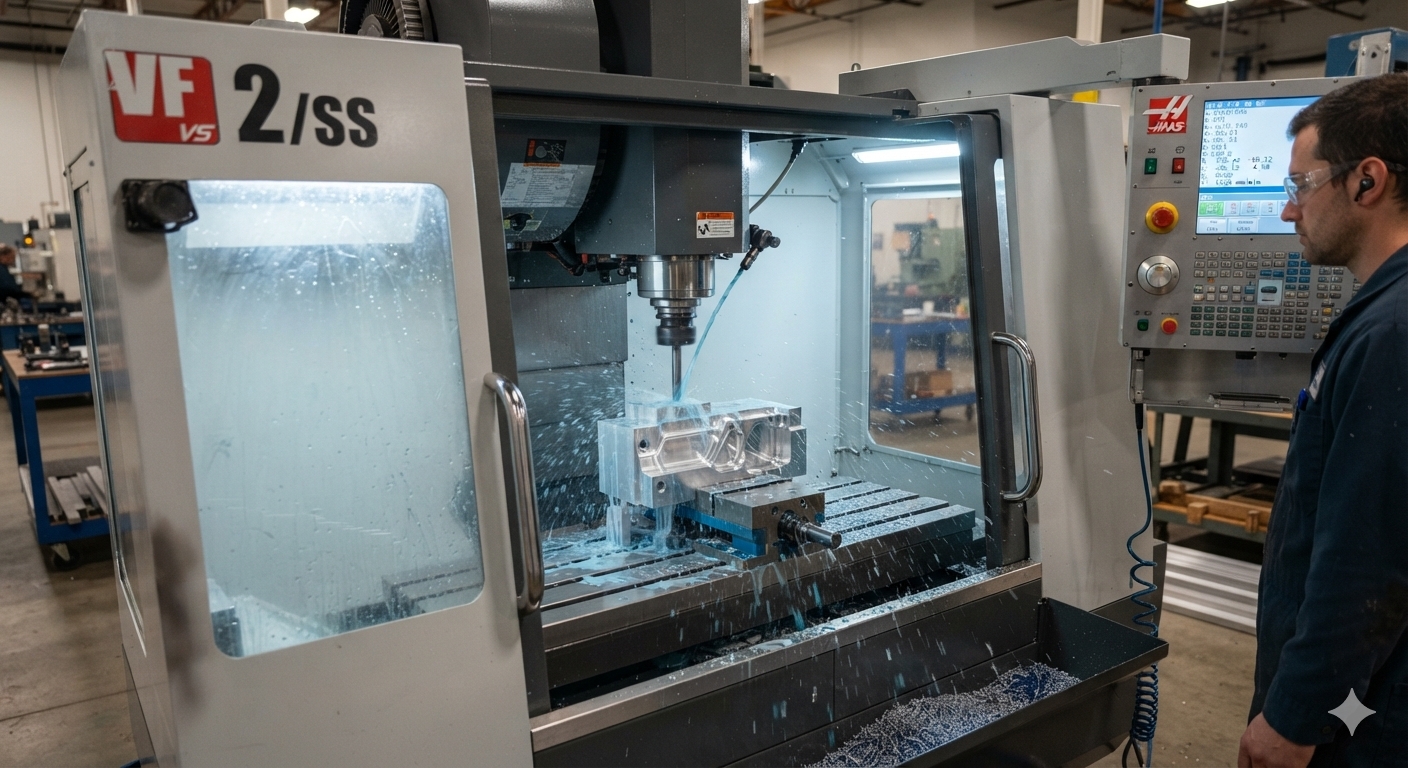
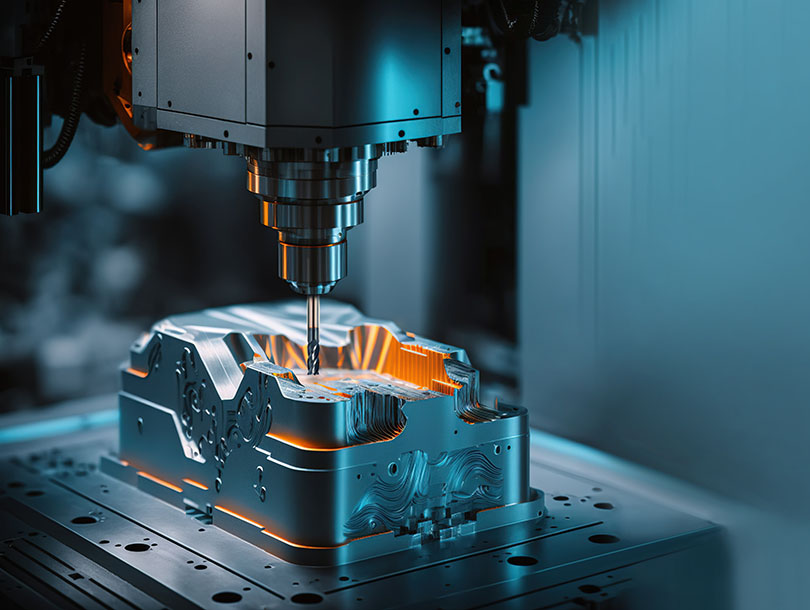
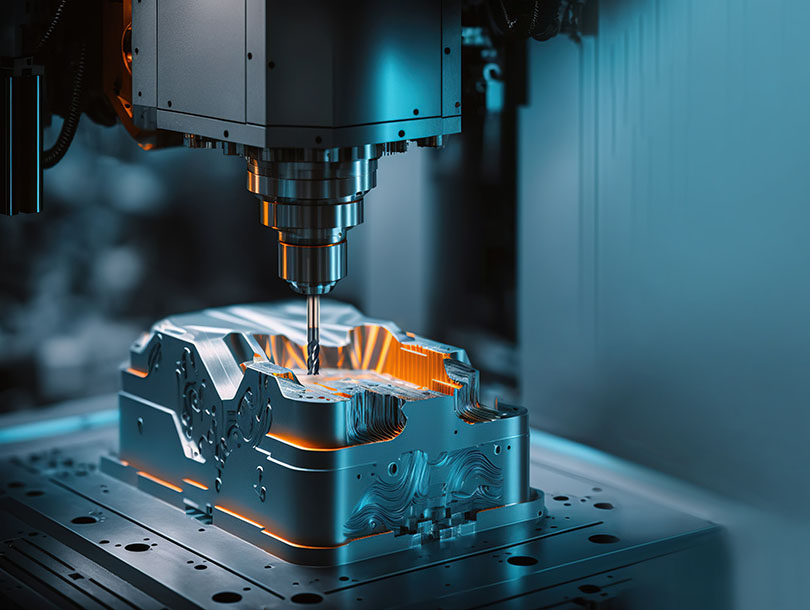
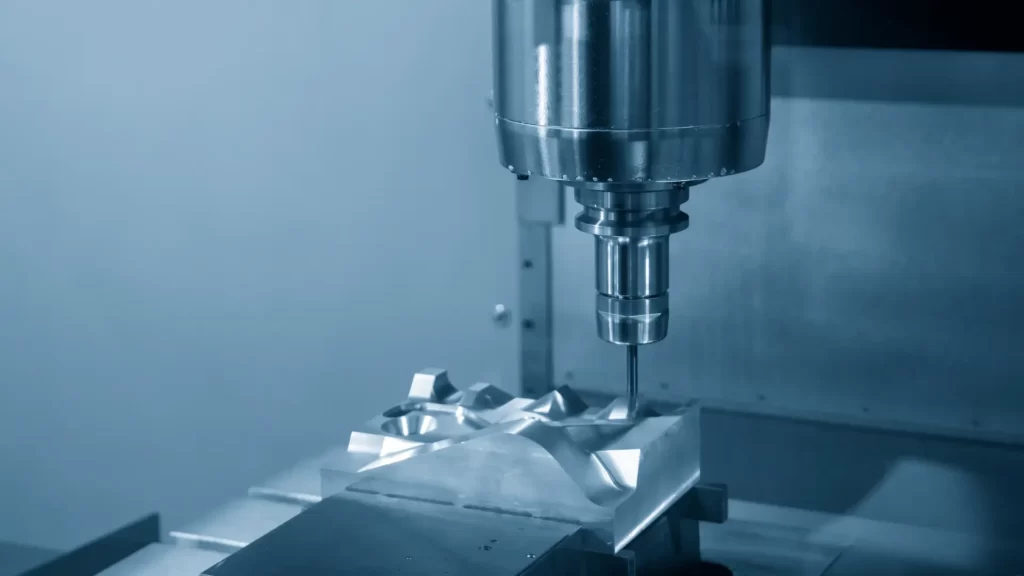
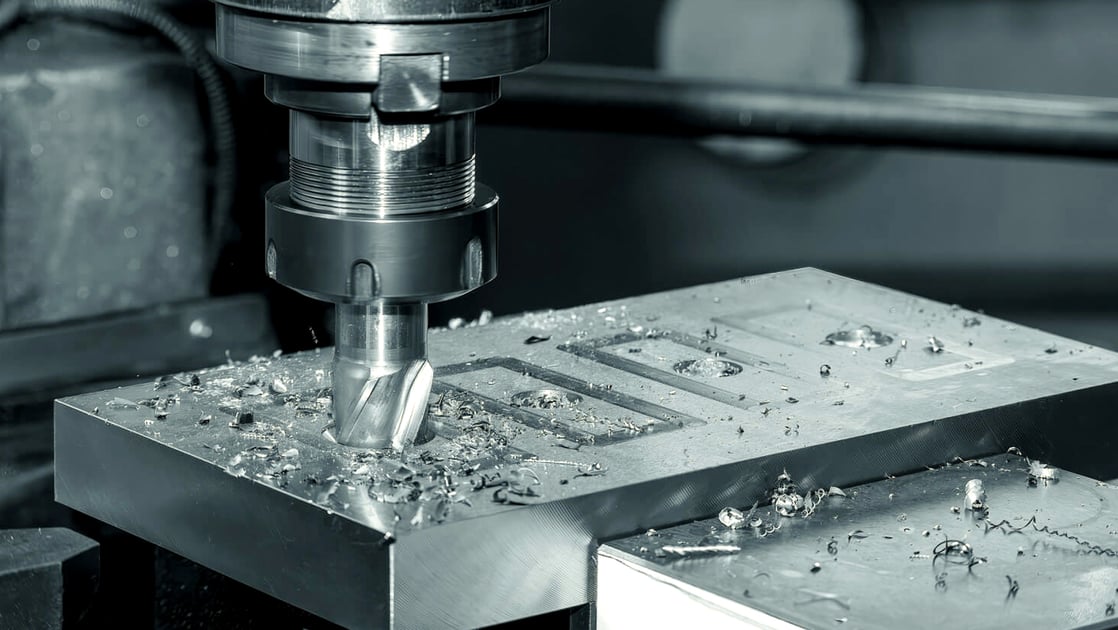
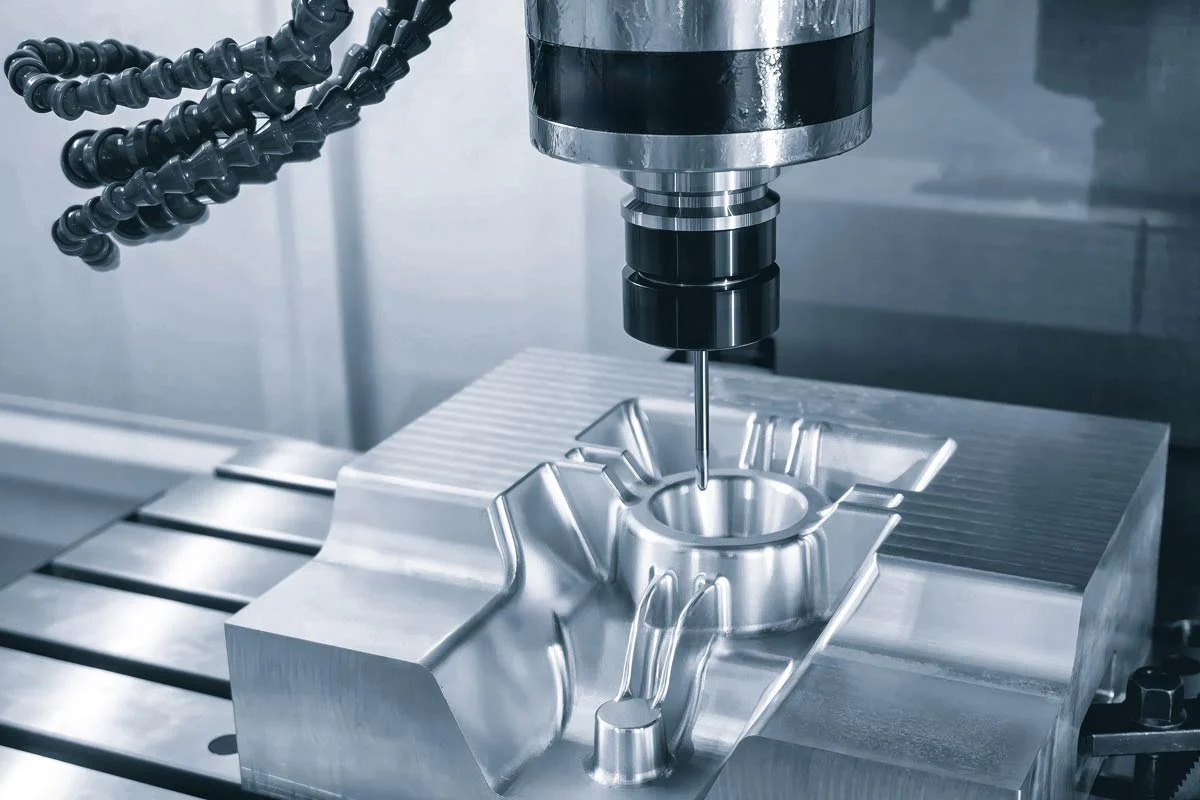
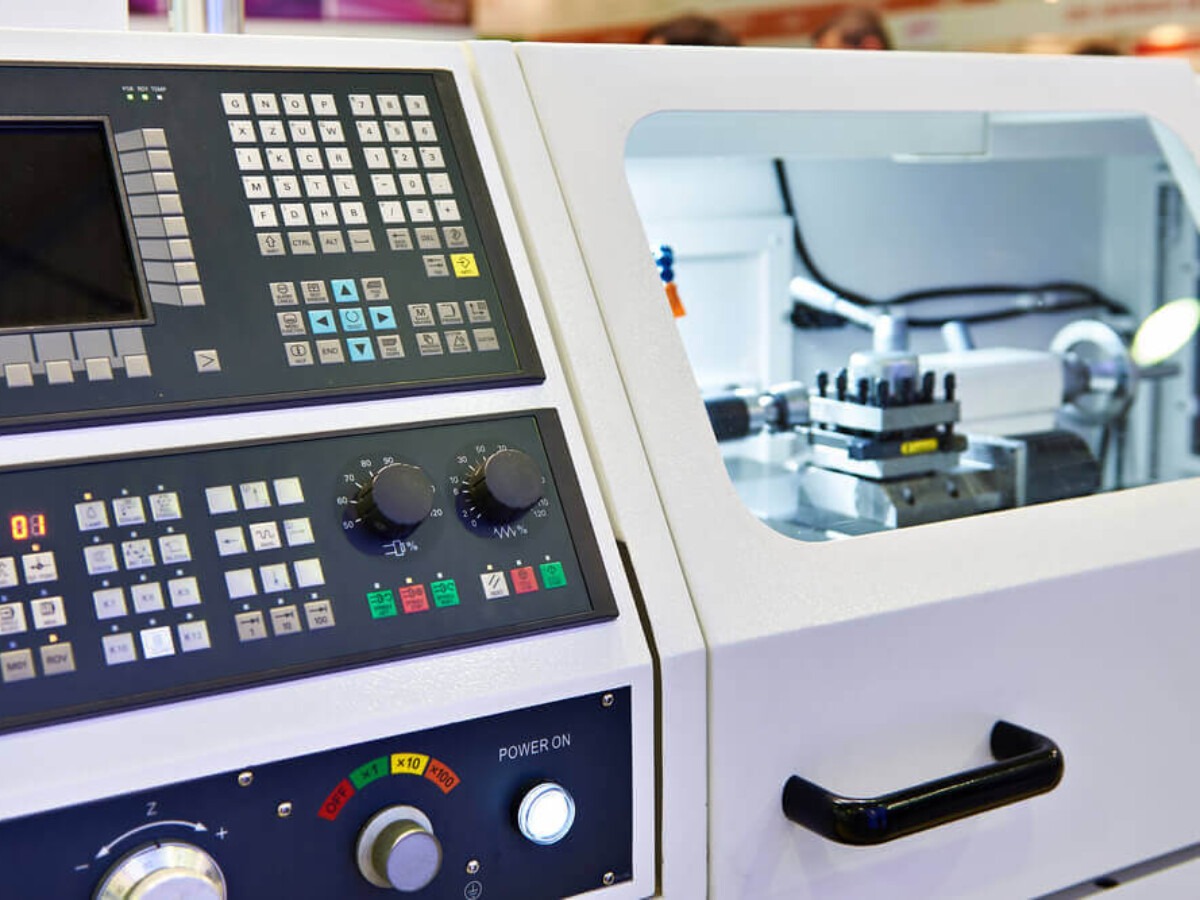
CNC machining stands for Computer Numerical Control machining, a process that uses pre-programmed computer software to control the movement of tools and machinery in manufacturing. In simpler terms, CNC machining automates the cutting, drilling, milling, and shaping of raw materials such as metal, plastic, or composites with high accuracy and repeatability.
Unlike manual machining, which depends heavily on operator skill, CNC machining relies on digital precision, ensuring consistent and complex parts can be produced efficiently.
Common CNC operations include:
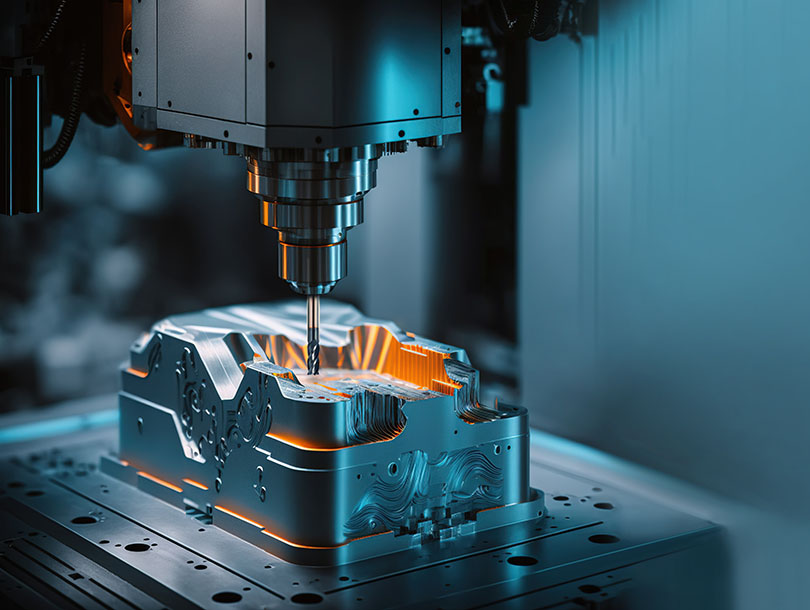
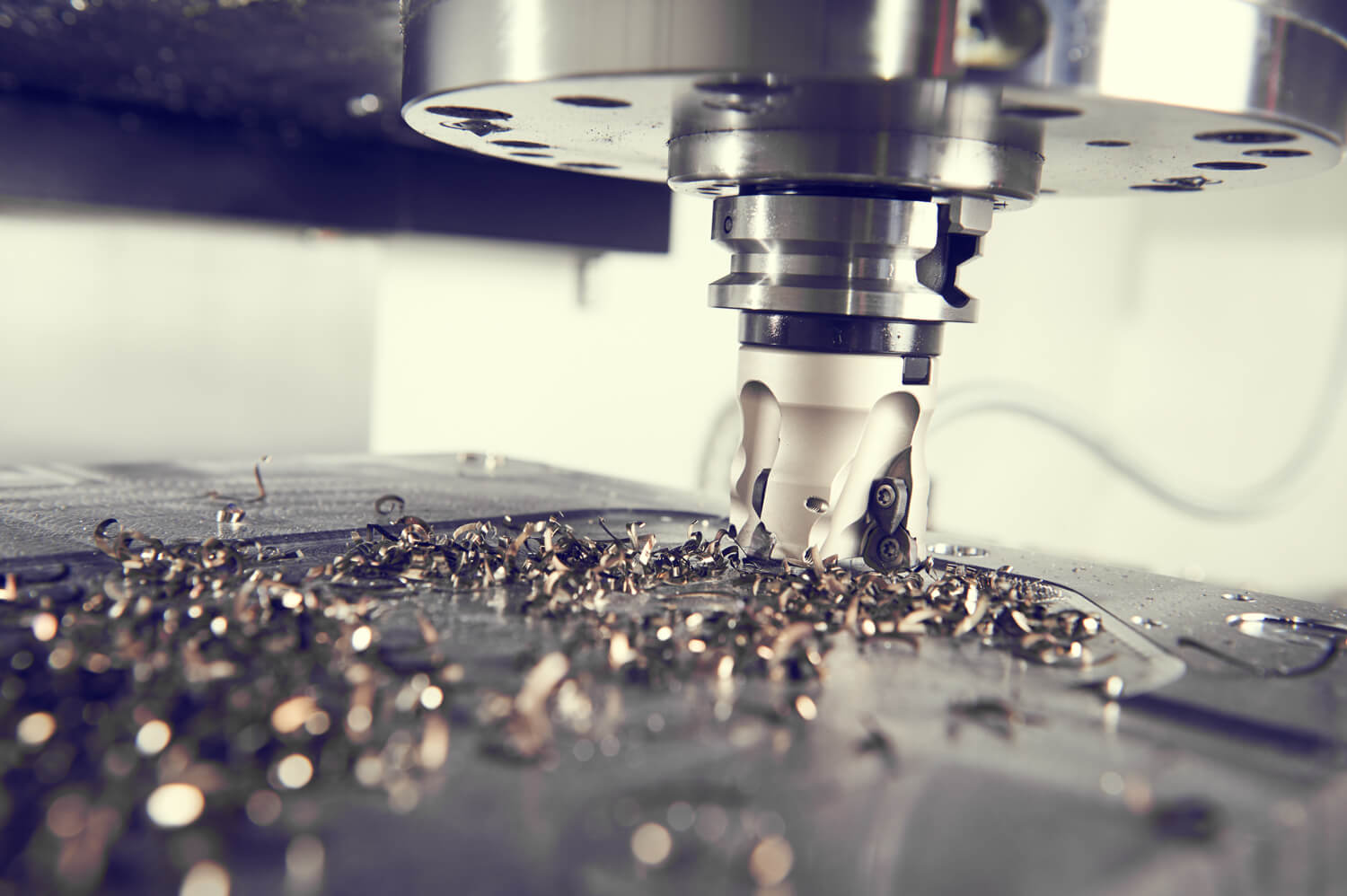
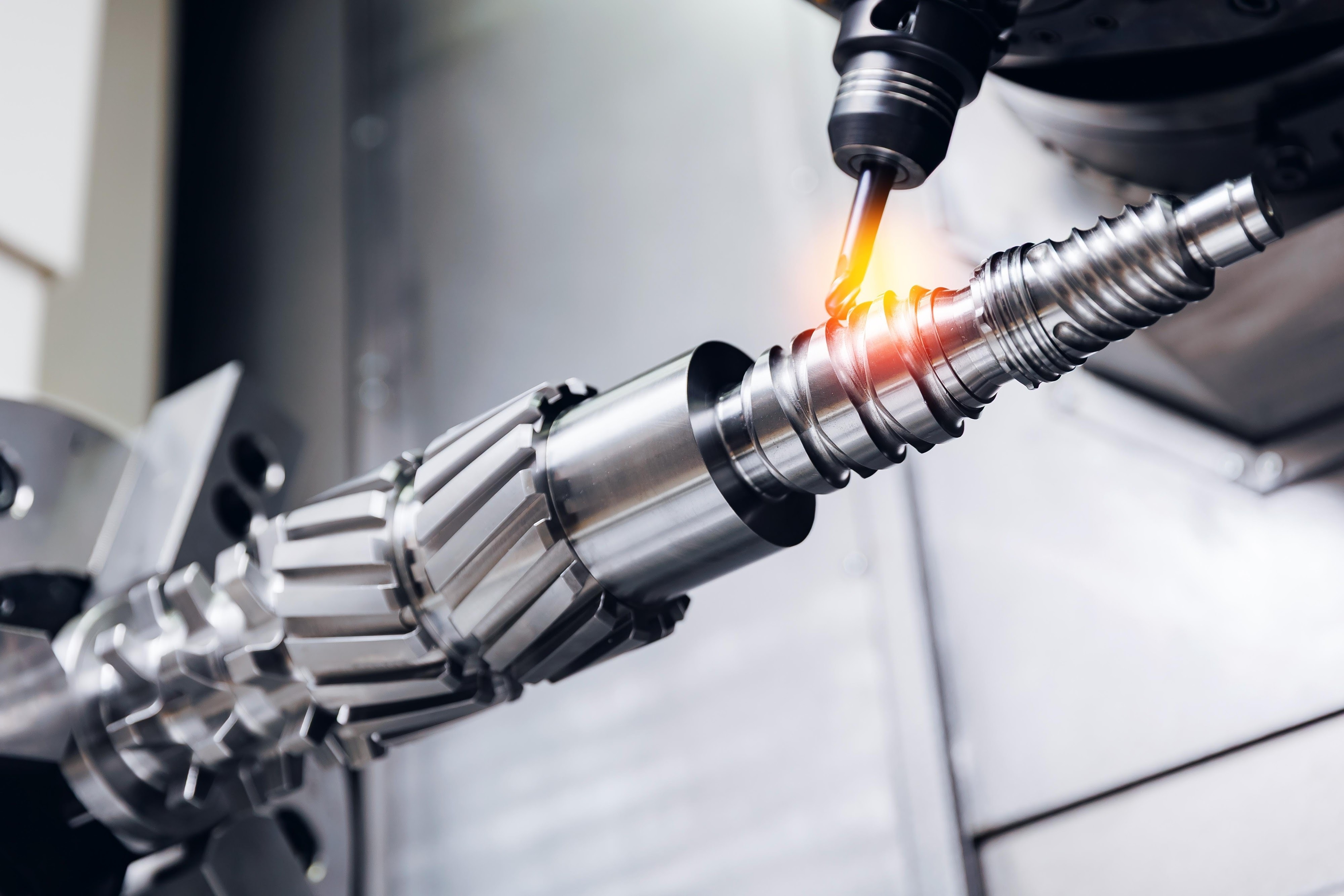
- CNC Milling – Removing material from a workpiece using rotary cutters.
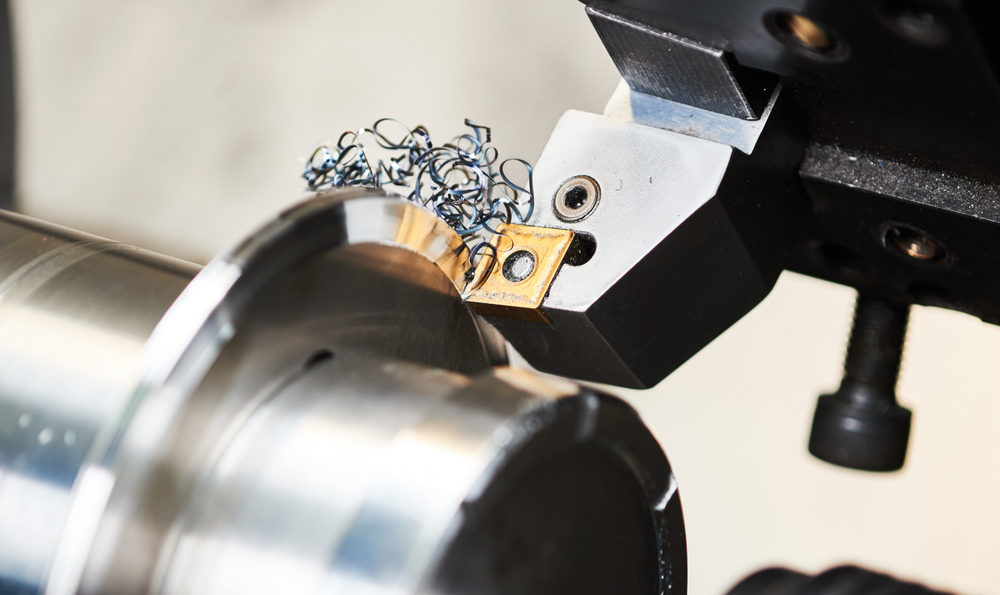
- CNC Turning (Lathe) – Rotating the workpiece while a cutting tool removes material.
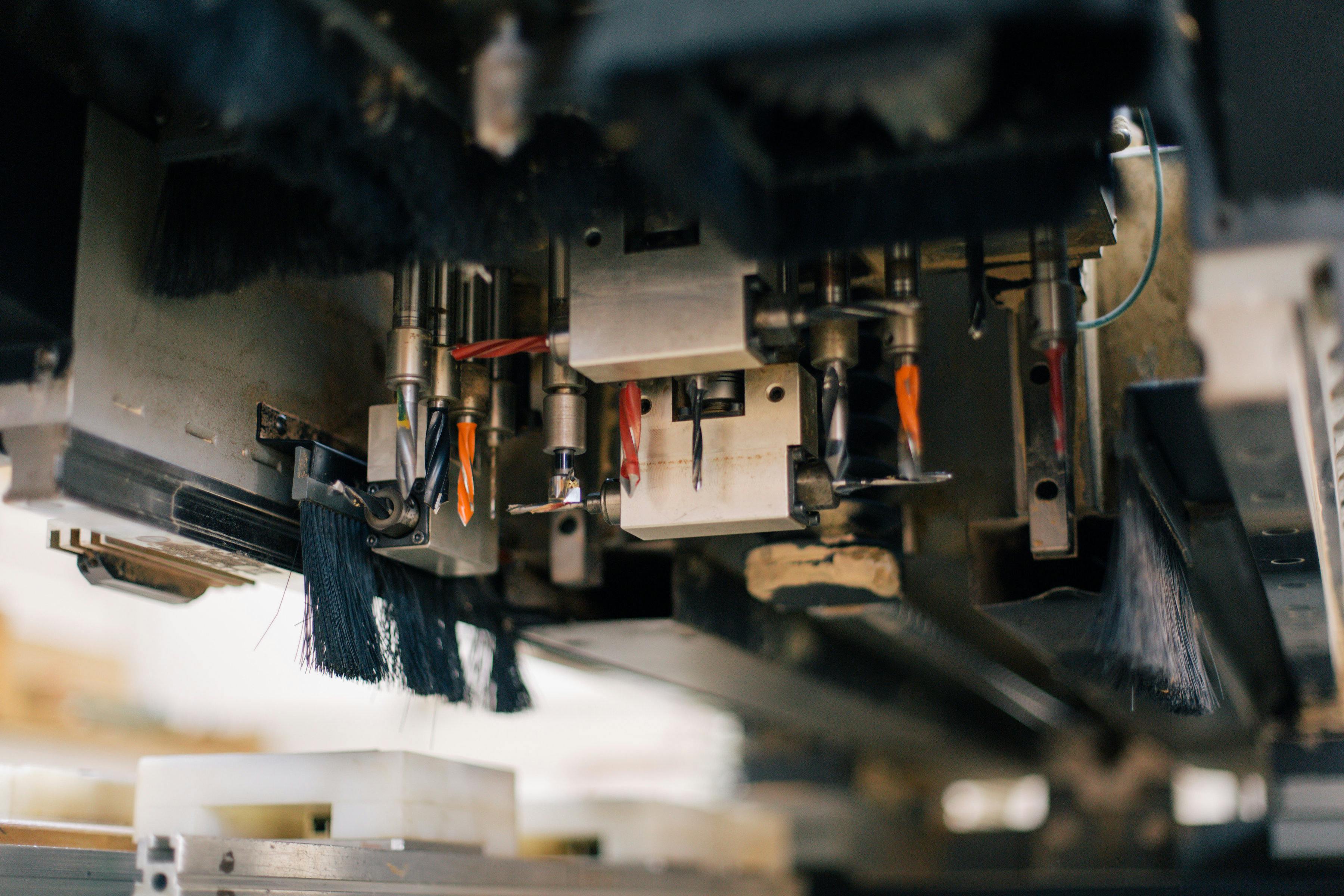
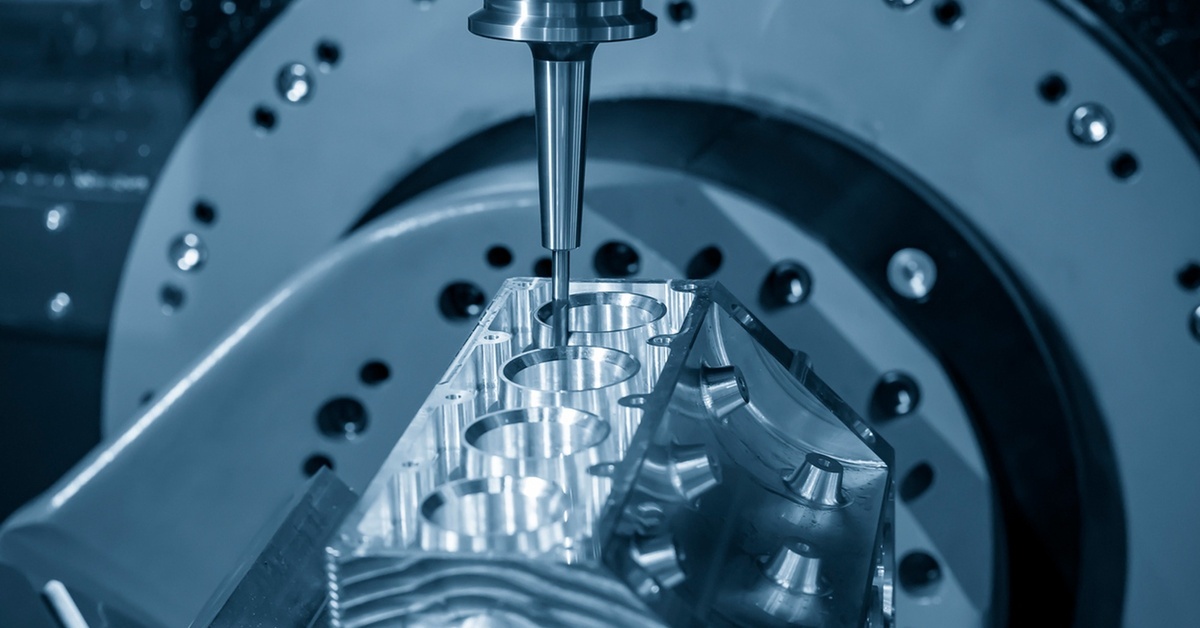
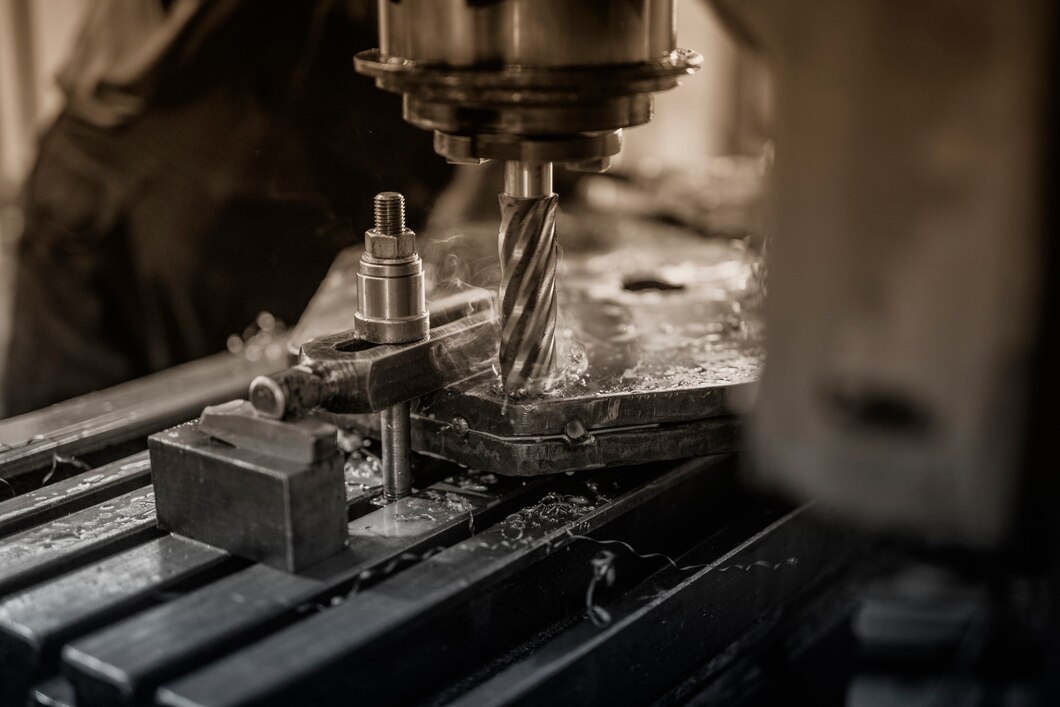
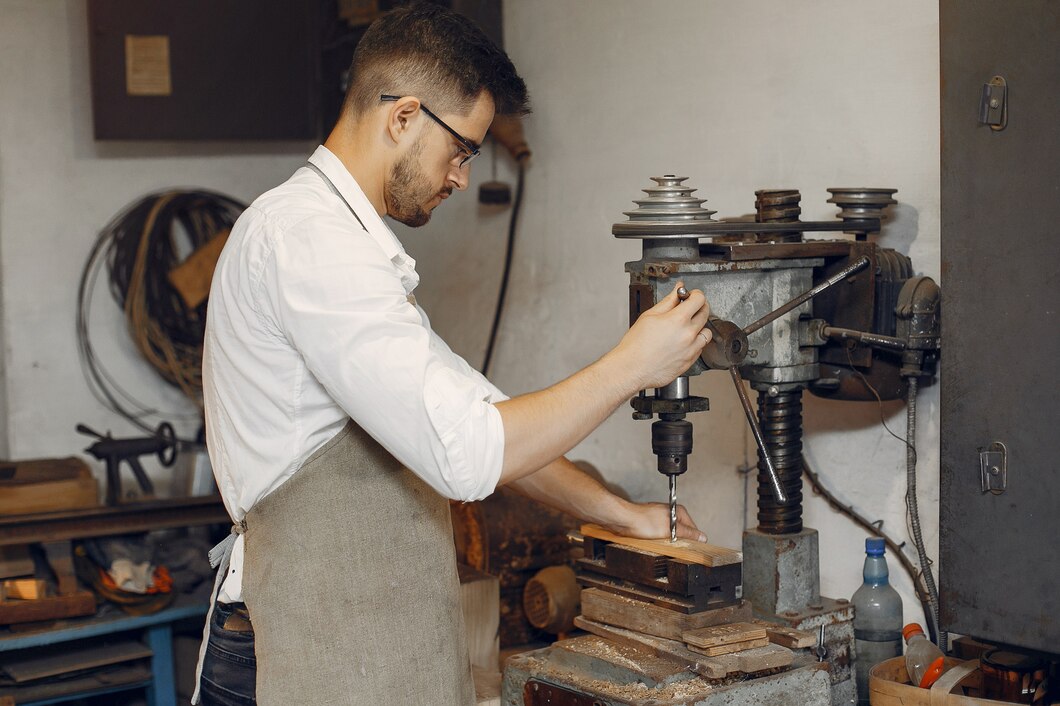
- CNC Drilling – Precisely creating holes or cavities.
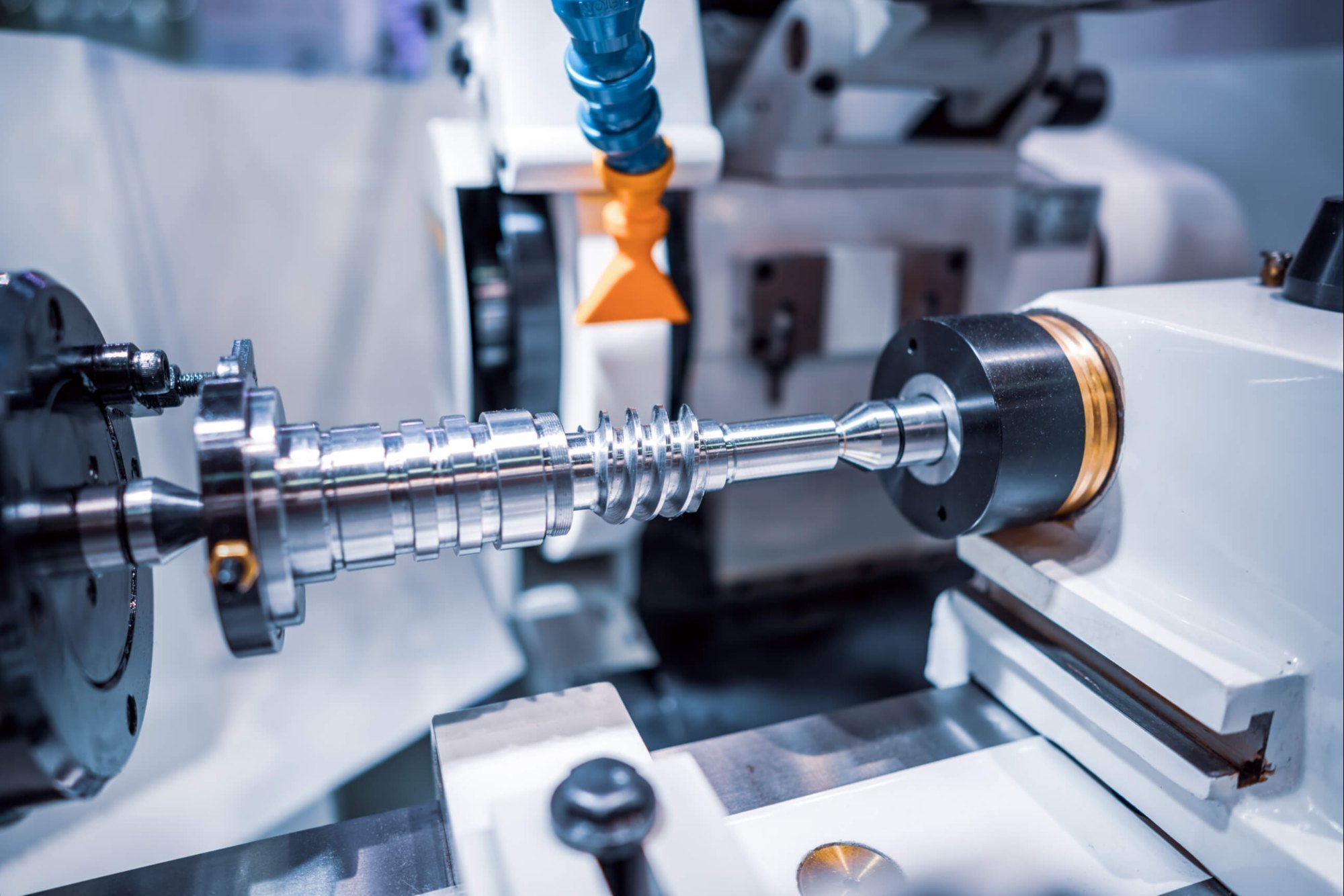
- CNC Grinding – Finishing parts for a smooth and accurate surface.
The CNC Machining Process: Step by Step
Modern CNC machining involves several carefully planned stages — from digital design to final inspection. Here’s how the process typically unfolds:
1. CAD Design
The process begins with a CAD (Computer-Aided Design) model. Engineers create a 2D or 3D representation of the desired part using design software. This model defines the geometry, dimensions, and tolerances of the final component.
2. CAM Programming
The CAD file is converted into a CAM (Computer-Aided Manufacturing) program, which generates tool paths and G-code — the language that CNC machines understand. The program tells the machine exactly how to move, cut, and shape the material.
3. Material Selection
CNC machining in Bangalore supports a wide variety of materials, including:
- Metals: Aluminum, stainless steel, mild steel, titanium, brass, copper
- Plastics: ABS, nylon, acrylic, polycarbonate, PEEK
- Composites: Fiber-reinforced materials used in aerospace applications
The choice of material depends on the application, strength requirements, and budget.
4. Machining Operation
Once the program and material are ready, the machine executes the operation. Depending on the part, this can include:
- Milling
- Turning
- Drilling
- Boring
- Tapping
- Threading
Each operation is carefully controlled for speed, feed rate, and tool pressure.
5. Quality Inspection
After machining, the finished part undergoes strict quality checks using instruments such as:
- Vernier calipers and micrometers
- Coordinate Measuring Machines (CMM)
- Surface roughness testers
- 3D laser scanners
This ensures that the part meets all design specifications and tolerances.
Why Bangalore Has Become a CNC Machining Hub
Bangalore’s emergence as a manufacturing powerhouse didn’t happen overnight. Several factors have contributed to the city’s strong CNC machining ecosystem:
1. Advanced Industrial Infrastructure
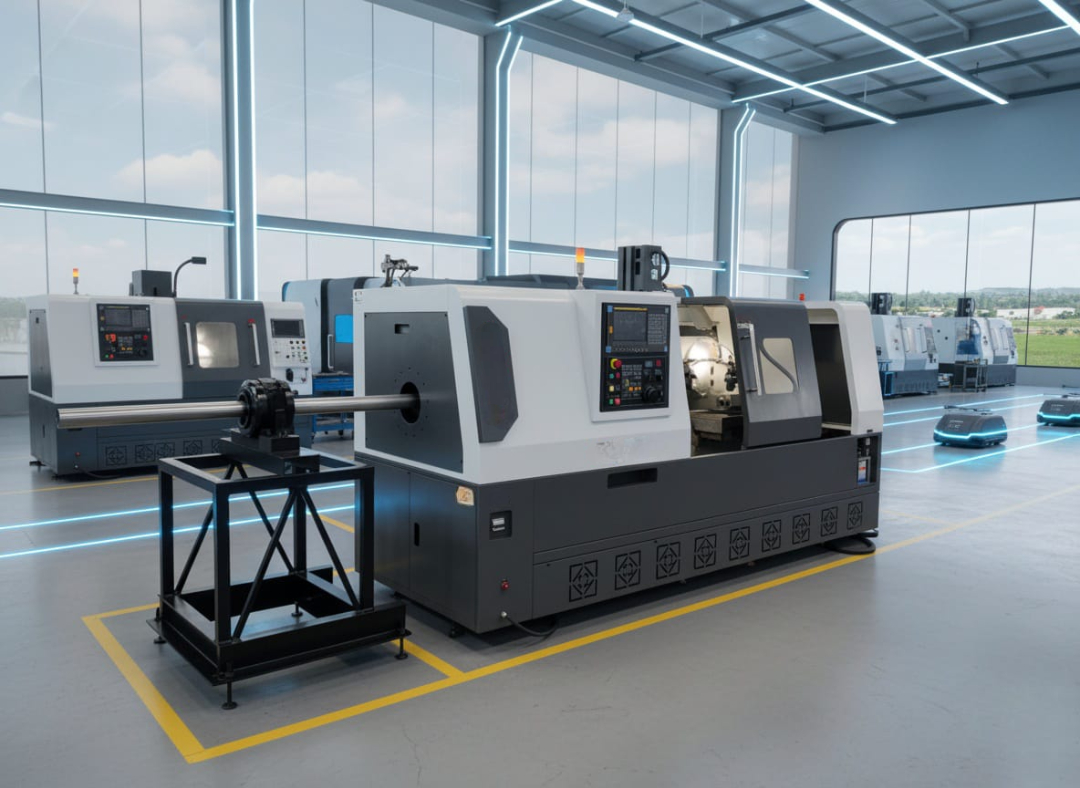
Industrial areas like Peenya, Bommasandra, Jigani, and Electronic City host hundreds of precision machining companies equipped with state-of-the-art CNC milling and turning centers. These areas have become centers for innovation and collaboration between manufacturers, suppliers, and clients.
2. Skilled Engineering Workforce
Bangalore has an abundant pool of engineers, machinists, and CAD/CAM specialists trained in modern manufacturing technologies. Many institutions, such as NTTF, GTTC, and private technical institutes, regularly supply skilled CNC operators and programmers to local industries.
3. Proximity to Key Sectors
The CNC machining industry in Bangalore supports major industrial sectors, including:
- Aerospace and Defense: HAL, ISRO, DRDO, and their suppliers
- Automotive and Electric Vehicles
- Electronics and Semiconductors
- Medical Equipment Manufacturing
- Renewable Energy Components
Being close to these industries reduces lead time and logistics costs for clients.
4. Technological Advancements
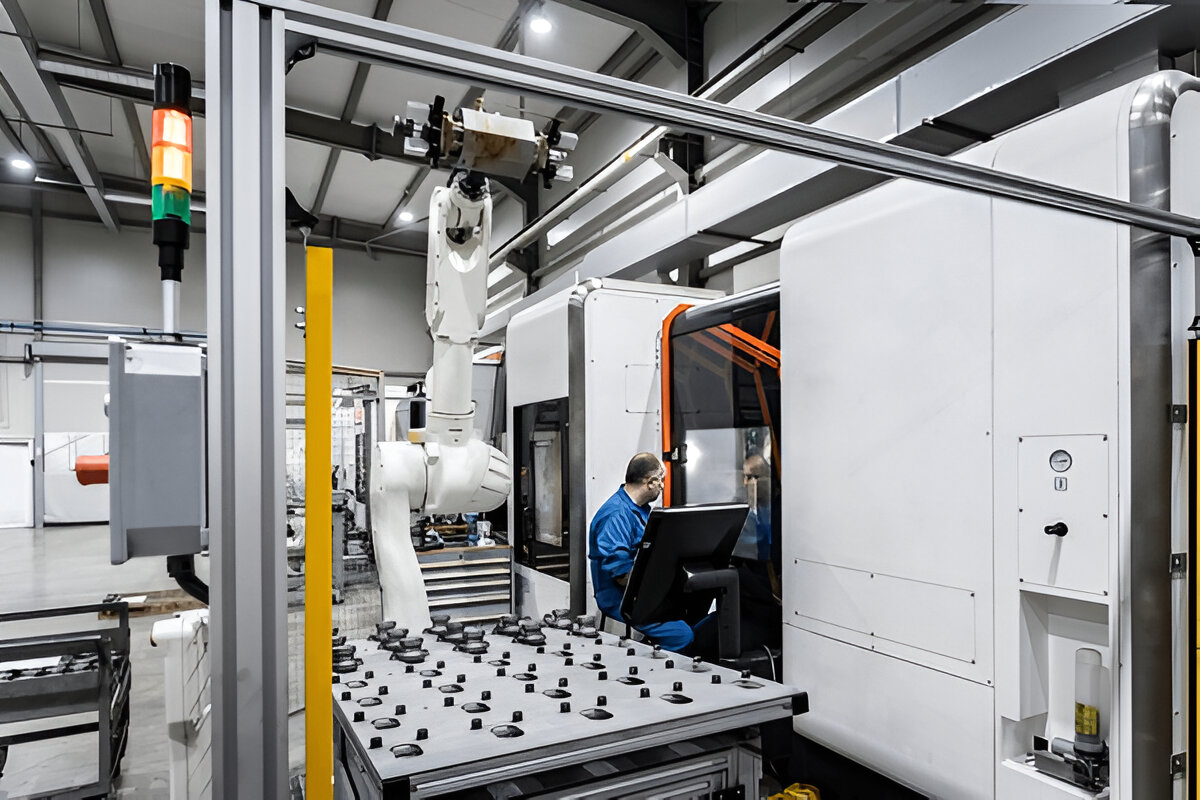
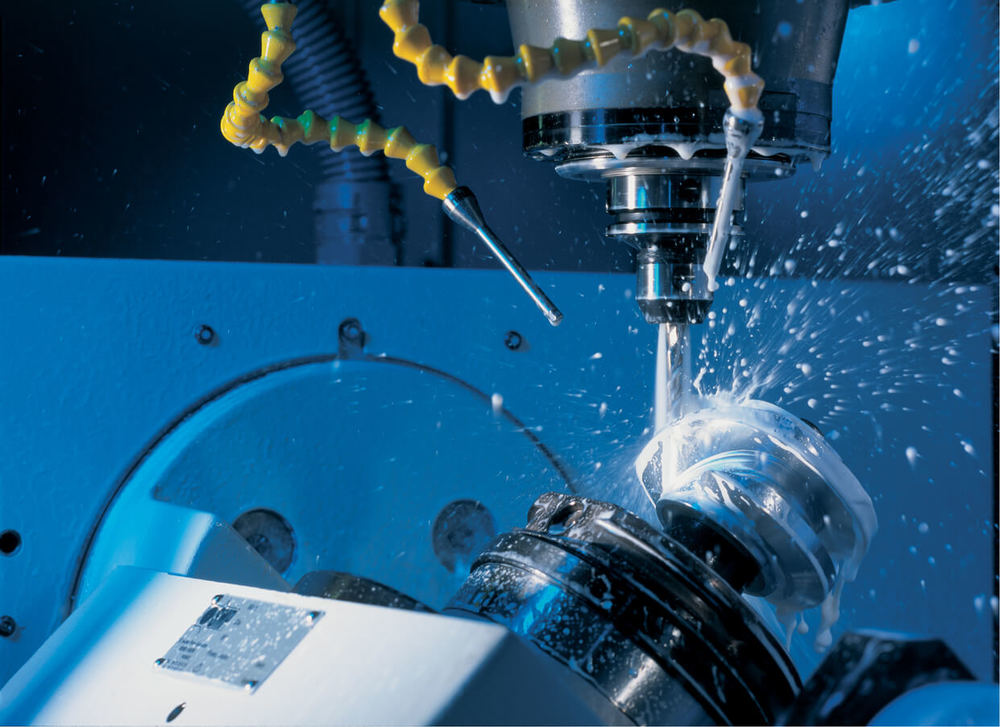
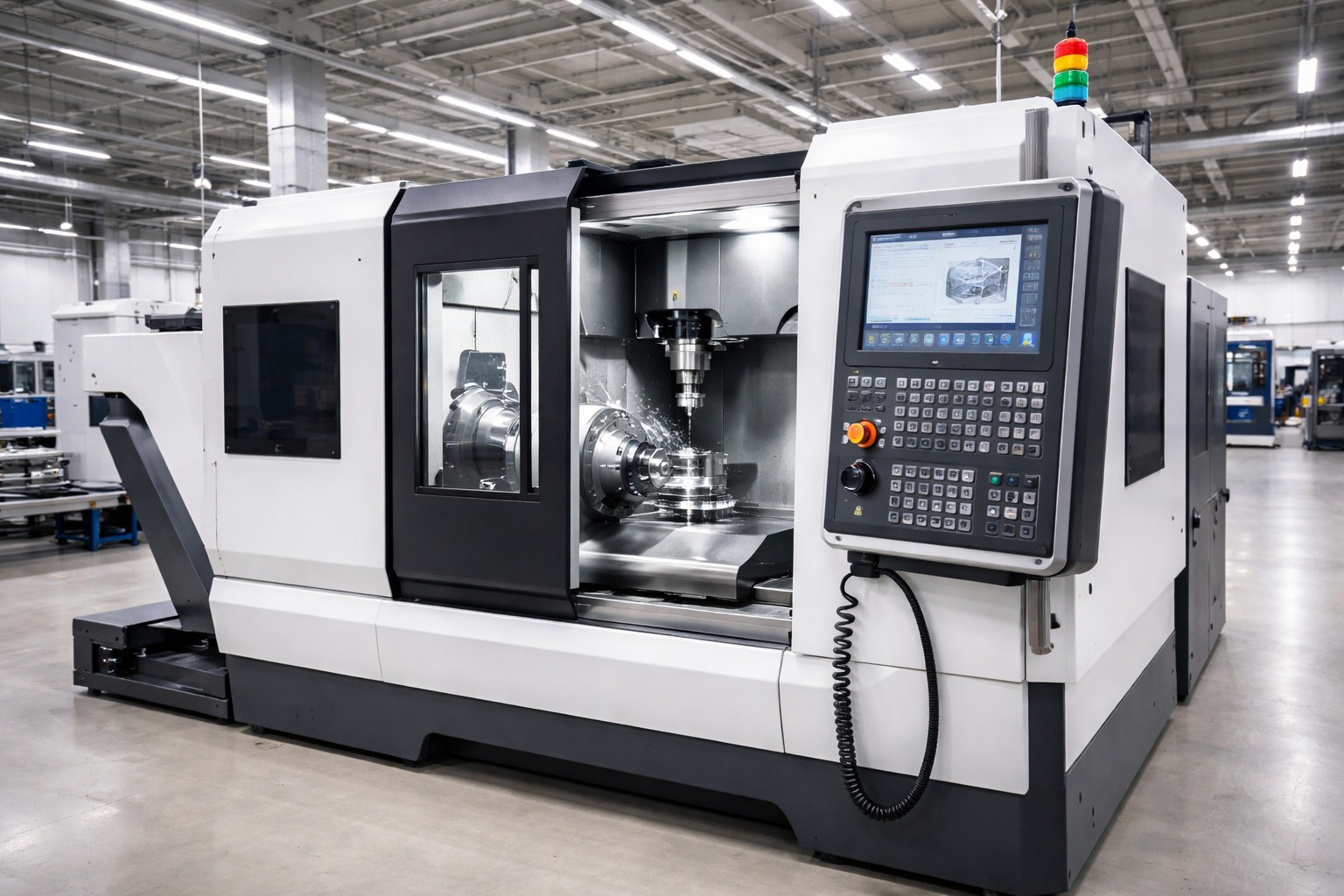
Many machining companies in Bangalore use 5-axis CNC machines, robotic automation, and real-time process monitoring to achieve international standards of precision and productivity.
5. Competitive Pricing & Fast Turnaround
Compared to other global manufacturing hubs, Bangalore offers cost-effective machining services without compromising on accuracy or quality — a major advantage for domestic and international clients.
Types of CNC Machines Used in Bangalore
Bangalore’s workshops and factories use a variety of CNC machines to meet different production needs. The most common types include:
|
Machine Type |
Function |
Applications |
|
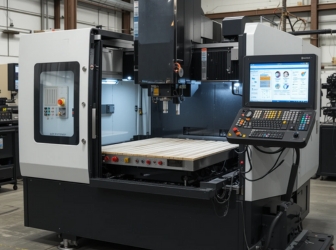
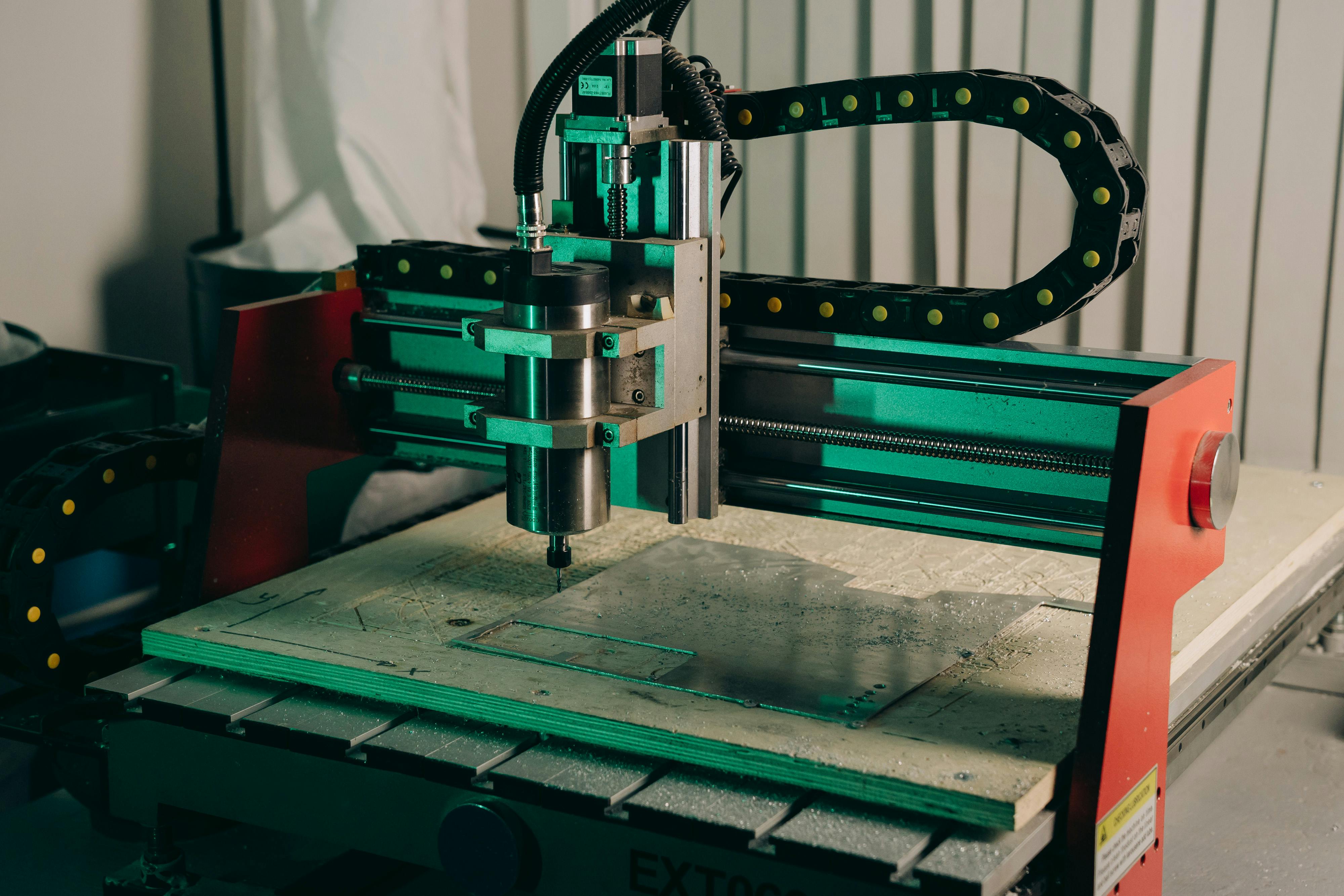
CNC Milling Machine |
Cuts material with rotary tools |
Prototyping, molds, precision components |
|
CNC Lathe / Turning Center |
Rotates the workpiece for shaping |
Shafts, bushings, cylindrical parts |
|
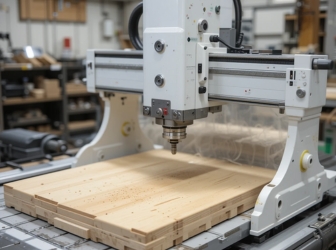
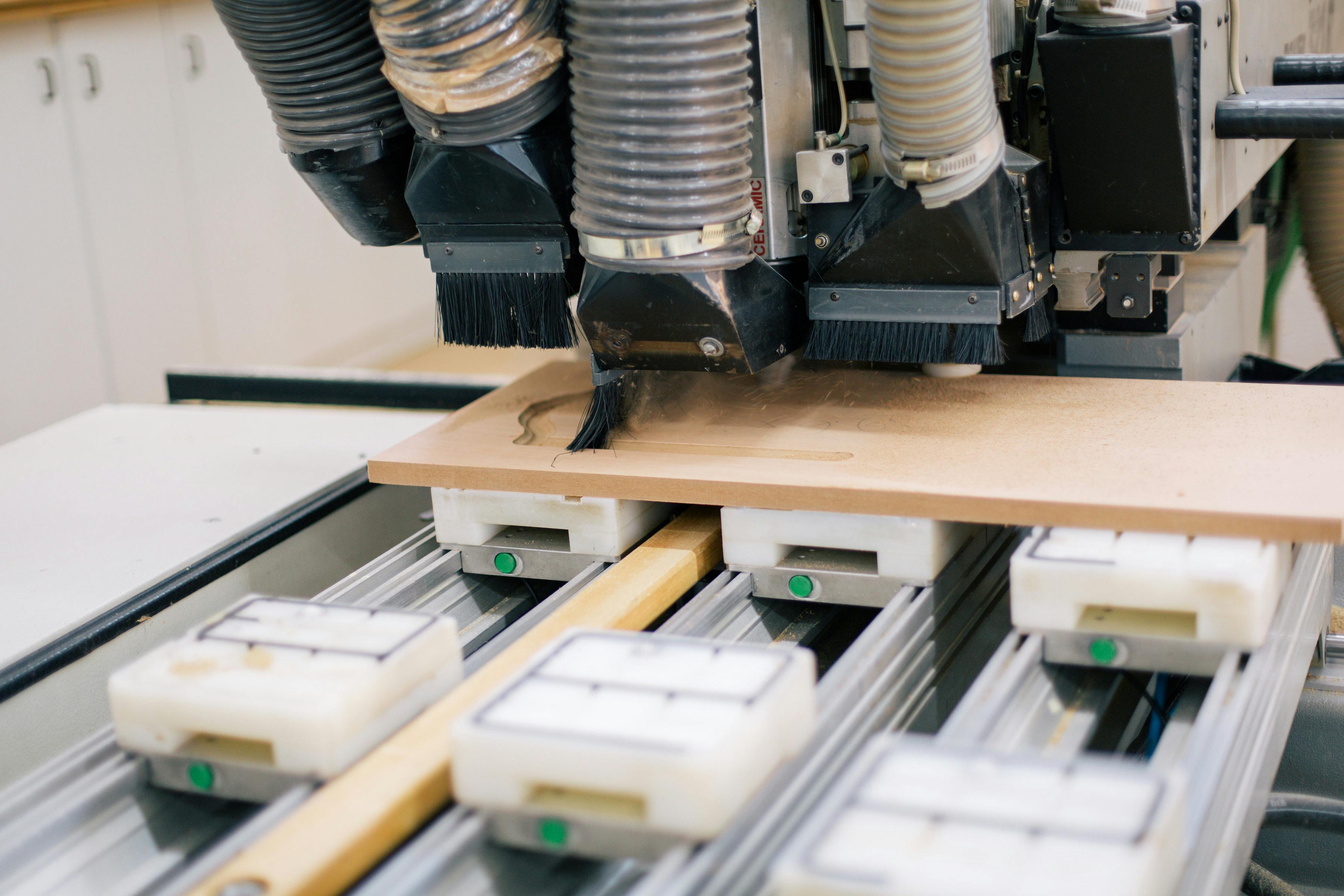
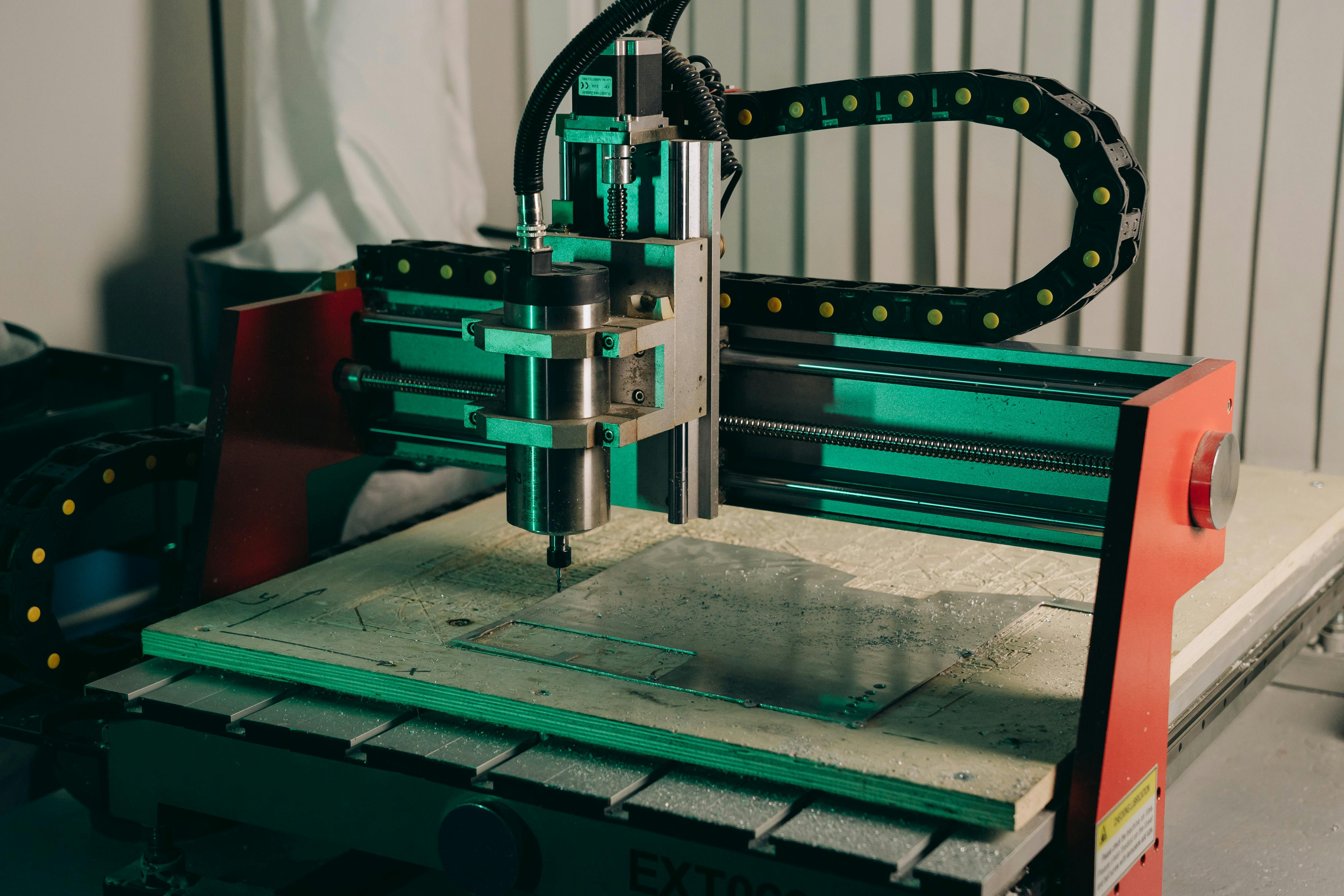
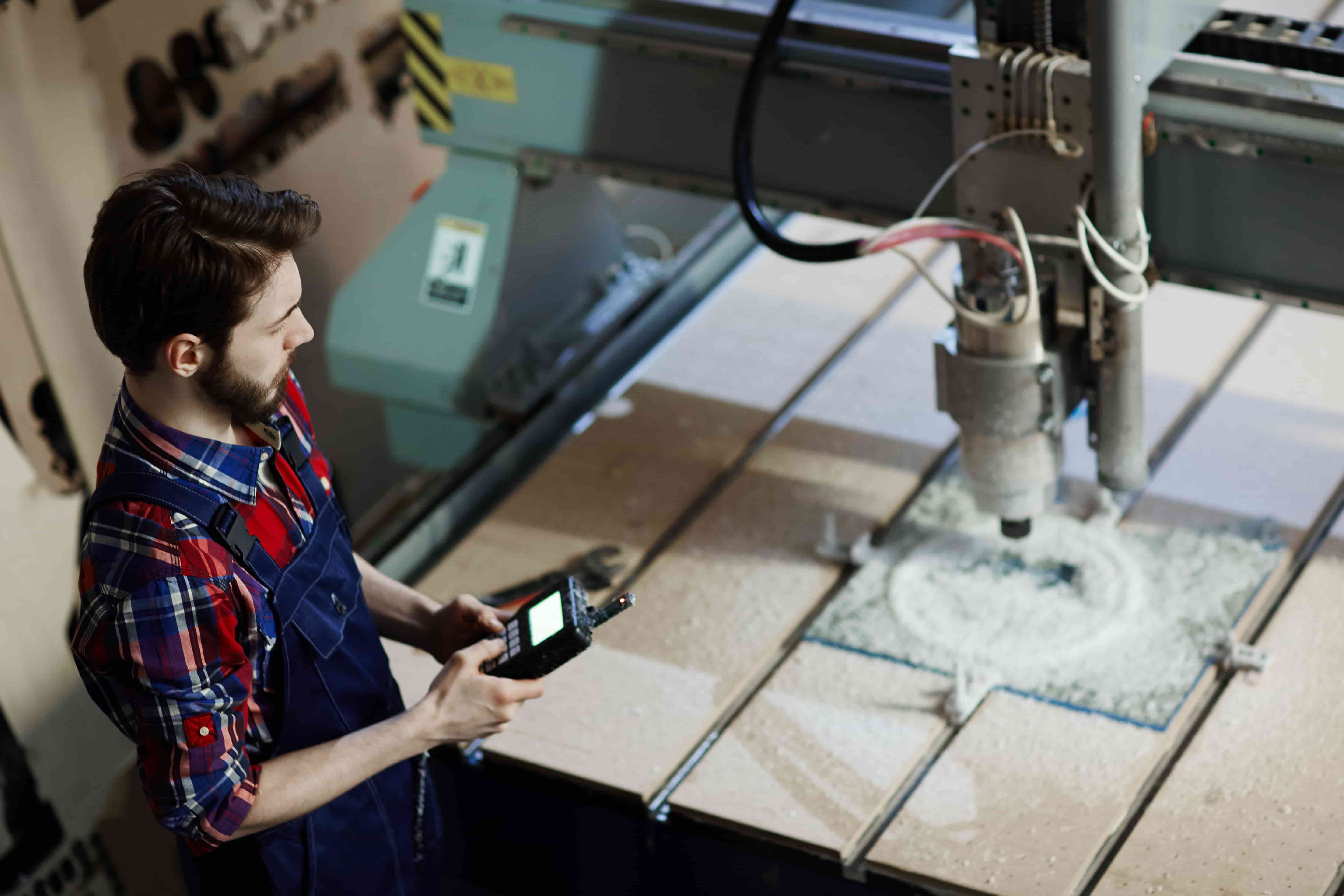
CNC Router |
Cuts wood, plastics, and composites |
Signage, furniture, aerospace parts |
|
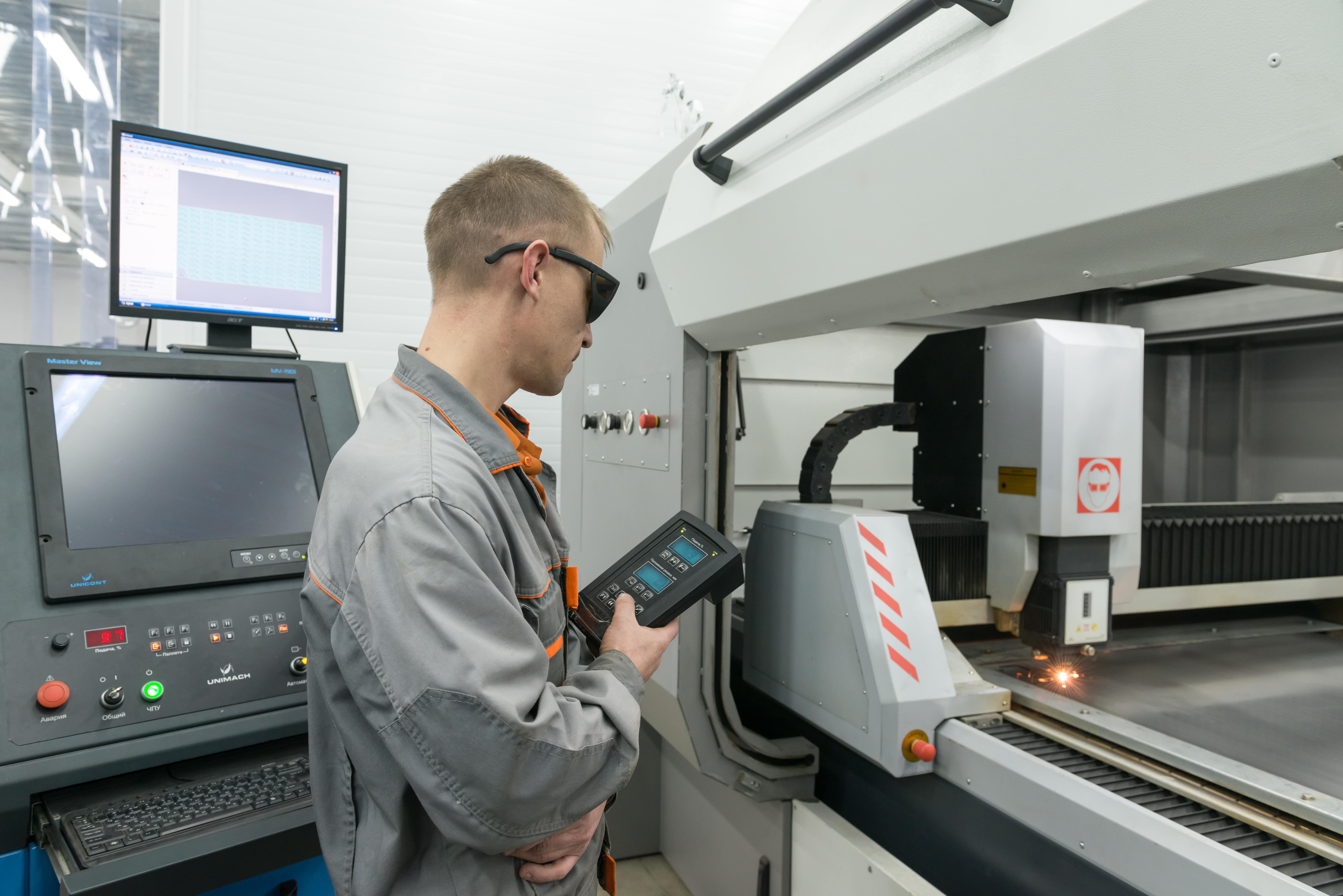
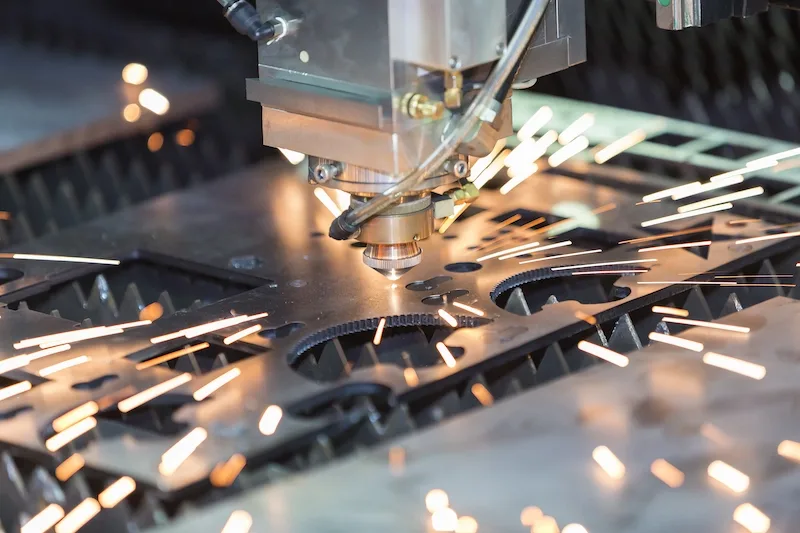
CNC Plasma / Laser Cutter |
Cuts metal sheets precisely |
Fabrication, enclosures, automotive panels |
|
5-Axis CNC Machine |
Complex multi-axis cutting |
Aerospace, turbine, and medical implants |
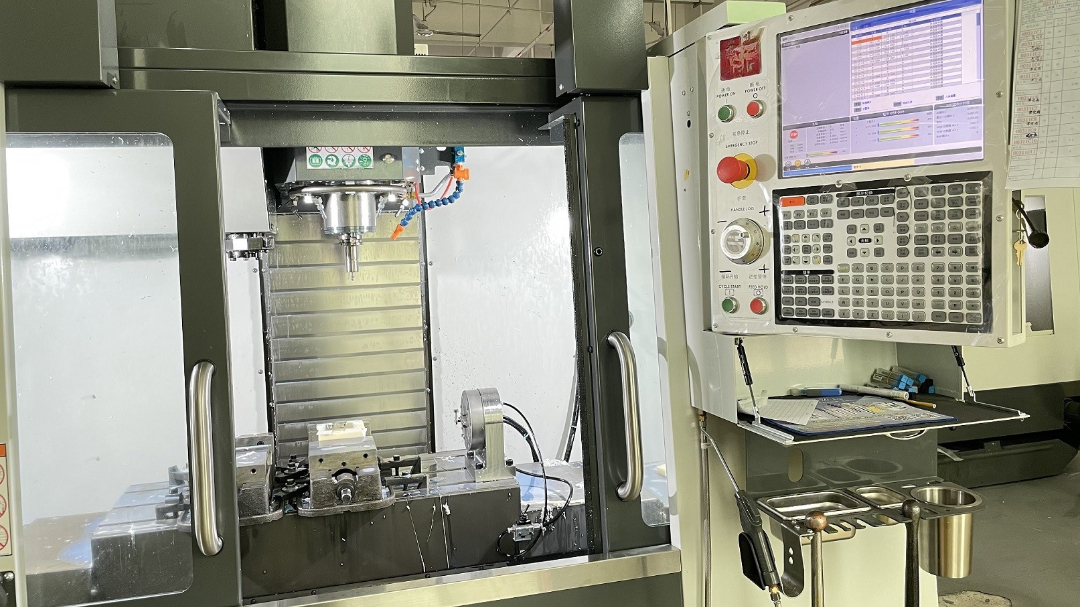
These machines operate on advanced controllers such as Fanuc, Siemens, or Haas, ensuring global compatibility and reliability.
Applications of CNC Machining in Bangalore
The versatility of CNC machining allows it to serve diverse industries. Here are some key applications across Bangalore’s industrial landscape:
1. Aerospace and Defense
CNC machining is essential for producing aircraft engine components, landing gear parts, and structural assemblies that meet stringent quality and safety standards.
2. Automotive and EV Manufacturing
From engine blocks to precision gears and brackets, CNC machining supports the automotive and electric vehicle industries with parts that demand high strength and tight tolerances.
3. Electronics and Electrical Equipment
Bangalore’s growing electronics sector relies on CNC machining for heat sinks, enclosures, and connectors, where accuracy and miniaturization are critical.
4. Medical Devices
CNC machining enables the production of surgical instruments, implants, and diagnostic device components made from biocompatible materials like titanium and stainless steel.
5. Prototyping and R&D
Startups and design engineers in Bangalore use CNC machining to prototype new products quickly, allowing for faster testing and product iteration.
Benefits of CNC Machining
Here are the primary reasons why CNC machining remains the preferred method for precision manufacturing:
- High Precision and Accuracy – Achieves tolerances as tight as ±0.005 mm.
- Consistency and Repeatability – Every part produced is identical to the design.
- Efficiency and Speed – Automated operations reduce production time significantly.
- Material Versatility – Works with metals, plastics, and composites.
- Complex Designs – 5-axis machining allows intricate geometries impossible with manual methods.
- Reduced Waste – CNC programming optimizes material usage.
- Lower Labor Costs – Automation minimizes manual intervention.
Top CNC Machining Services in Bangalore
Most CNC machining companies in Bangalore offer a comprehensive range of services, including:
- CNC Milling and Turning
- CNC Drilling and Boring
- 5-Axis Machining
- Surface Grinding and Finishing
- Tool and Die Manufacturing
- Reverse Engineering and Prototyping
- Quality Inspection and Assembly
Some companies also provide end-to-end solutions, handling everything from design and material procurement to production and delivery.
How to Choose the Right CNC Machining Partner in Bangalore
Selecting a reliable machining partner can significantly impact your project’s success. Consider the following factors:
- Experience and Expertise: Check how long the company has been in operation and its industry experience.
- Machine Capability: Ensure they have the right equipment for your material and complexity level.
- Certifications: Look for ISO 9001 or AS9100 certifications for quality assurance.
- Material Handling Expertise: Verify that they can machine your required metals or plastics.
- Quality Control: A robust inspection process is essential for consistent results.
- Lead Time and Flexibility: Evaluate how quickly they can deliver without compromising quality.
- Client Reviews and Portfolio: Past projects and testimonials can reveal a lot about reliability.
Future Trends in CNC Machining
The CNC machining industry is evolving rapidly, and Bangalore is keeping pace with global advancements. Some of the key trends shaping the future include:
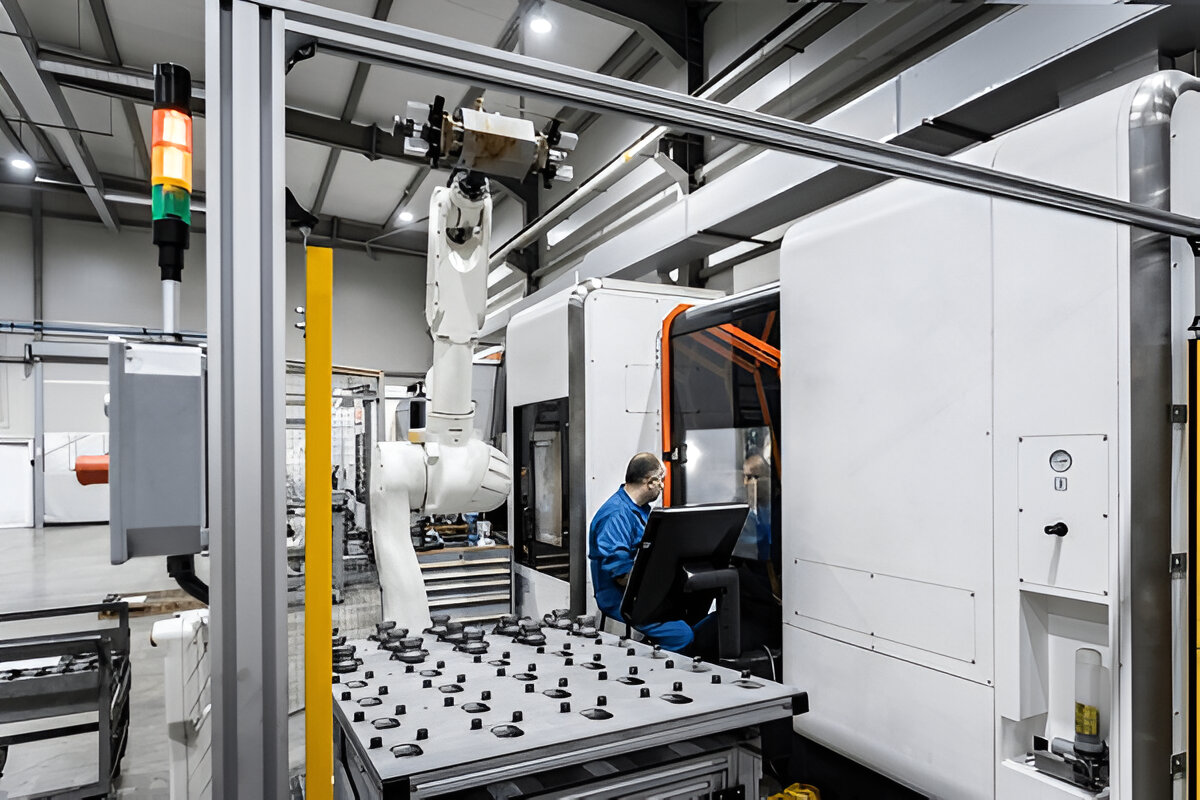
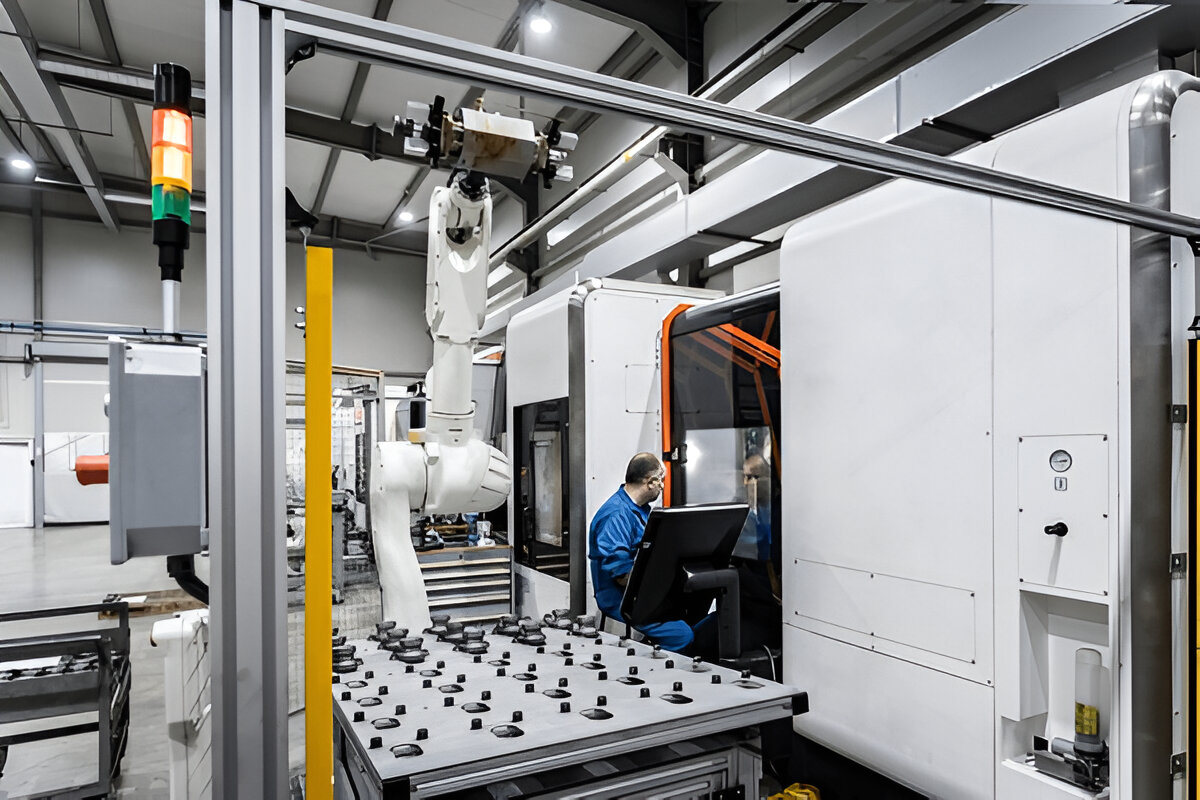
- Automation & Robotics: Integration of robotic arms for tool loading and part handling.
- Industry 4.0 & Smart Manufacturing: Real-time data analytics for process optimization.
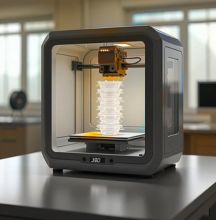
- Hybrid Manufacturing: Combining CNC machining with 3D printing for complex components.
- Sustainable Manufacturing: Efficient resource utilization and waste reduction practices.
- AI-Driven Tool Path Optimization: Enhanced programming for speed and precision.
These innovations are transforming Bangalore’s machining sector into a world-class manufacturing ecosystem.
Conclusion
CNC machining has revolutionized modern manufacturing, and Bangalore stands at the forefront of this transformation in India. With its powerful blend of advanced technology, skilled engineers, and a robust industrial ecosystem, the city offers precision engineering solutions that meet international standards at competitive costs.
Whether you’re a global company sourcing machined components or a local startup developing prototypes, CNC machining in Bangalore provides the right balance of innovation, efficiency, and affordability.
From aerospace-grade titanium components to intricate electronic enclosures, the city’s machining capabilities continue to drive progress across industries — making Bangalore not just the IT capital, but also the precision manufacturing capital of India.