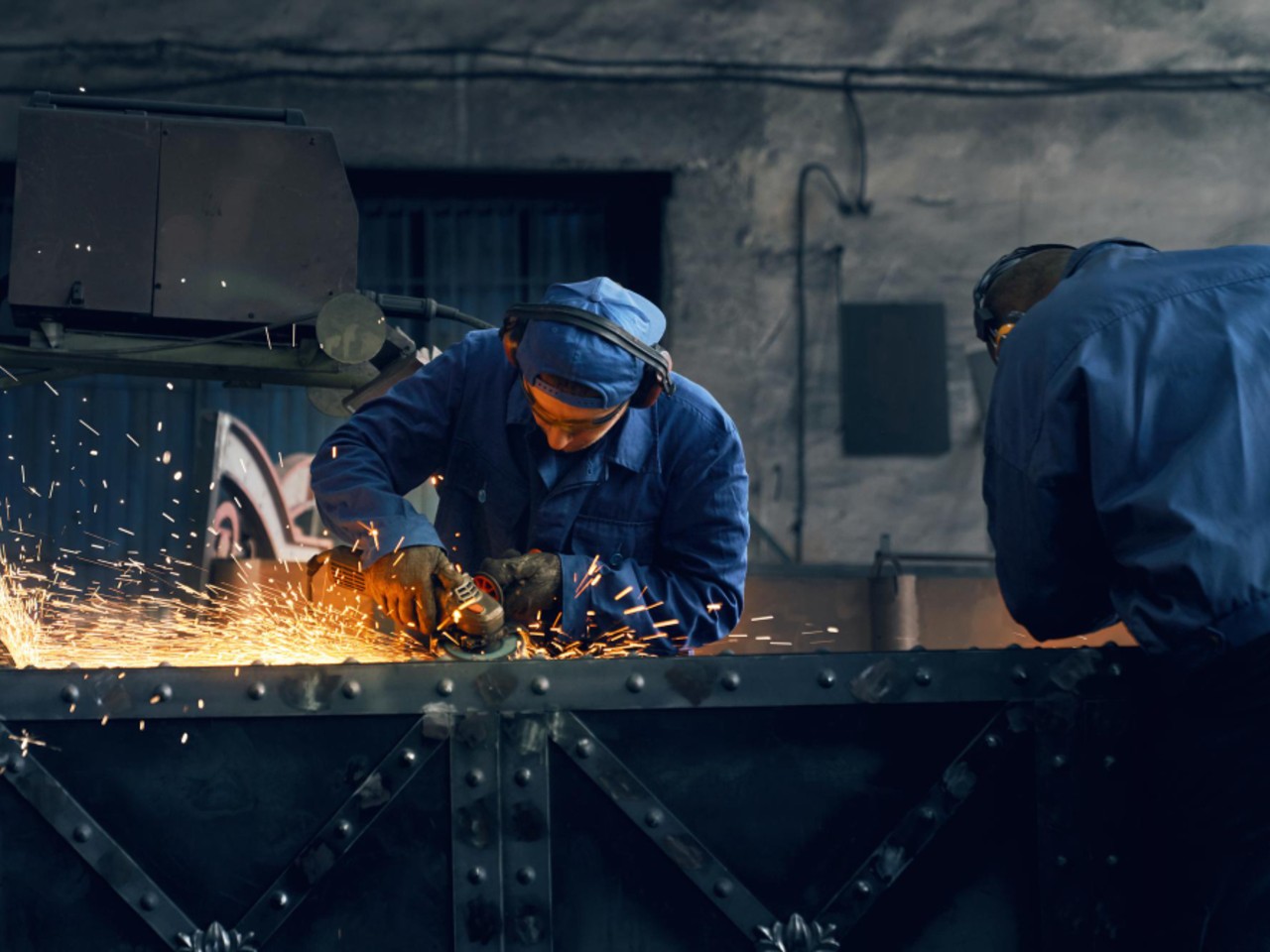
Forging the Future: How Sheet Metal Fabrication Fuels Bangalore’s Industrial Growth
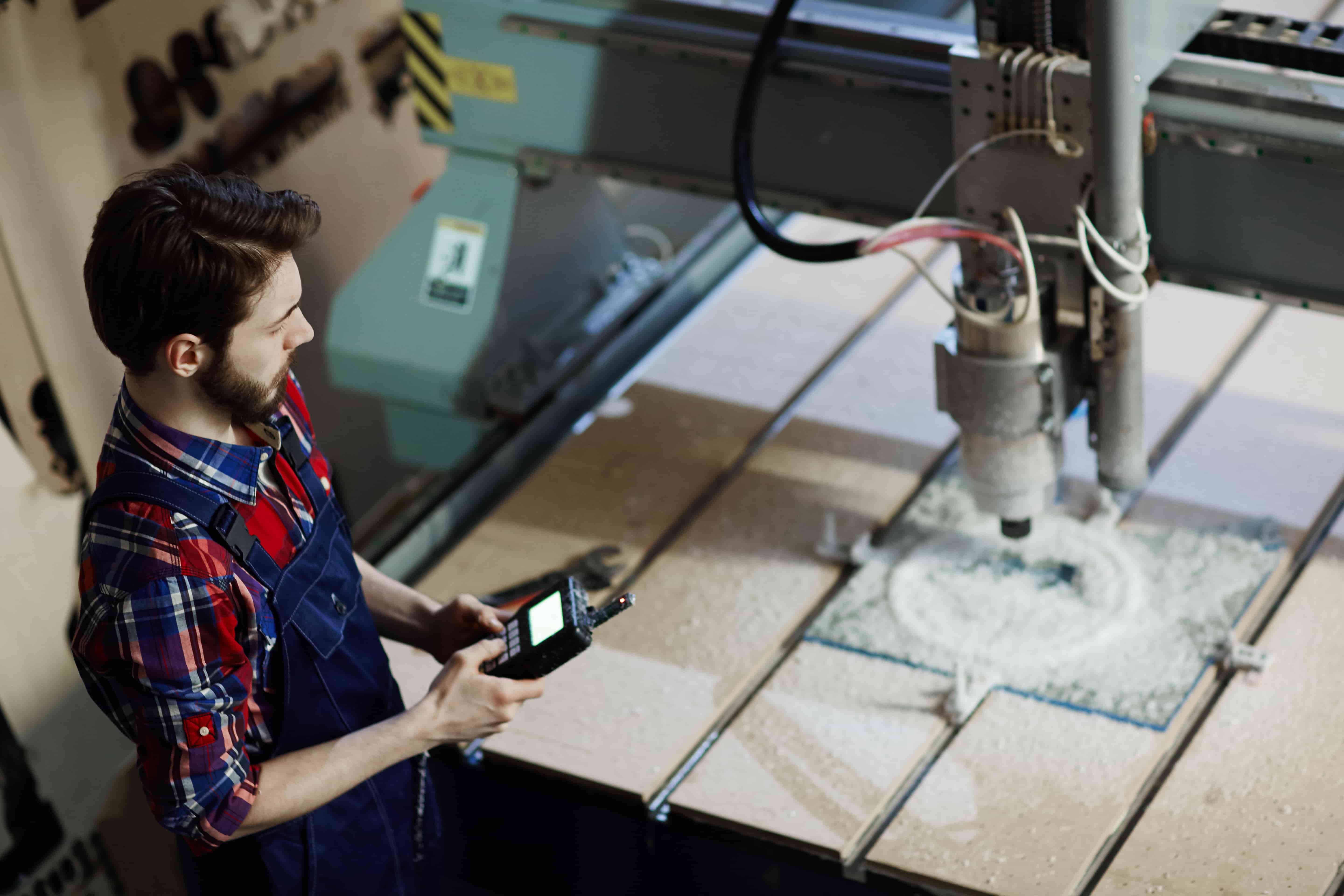
Bangalore — often recognized as the Silicon Valley of India — is now forging a second identity, one built not just on software and startups, but on steel, precision, and manufacturing excellence. Over the past decade, the city has witnessed rapid growth in sheet metal fabrication in Bangalore a sector that is quietly powering Bangalore’s industrial transformation.
From aerospace components and electronic enclosures to solar panel frames and automotive parts, sheet metal fabrication in Bangalore has become the backbone of the city’s expanding industrial ecosystem. Let’s explore how this essential process is driving innovation, efficiency, and economic growth in Bangalore.
1. The Evolution of Bangalore’s Manufacturing Landscape
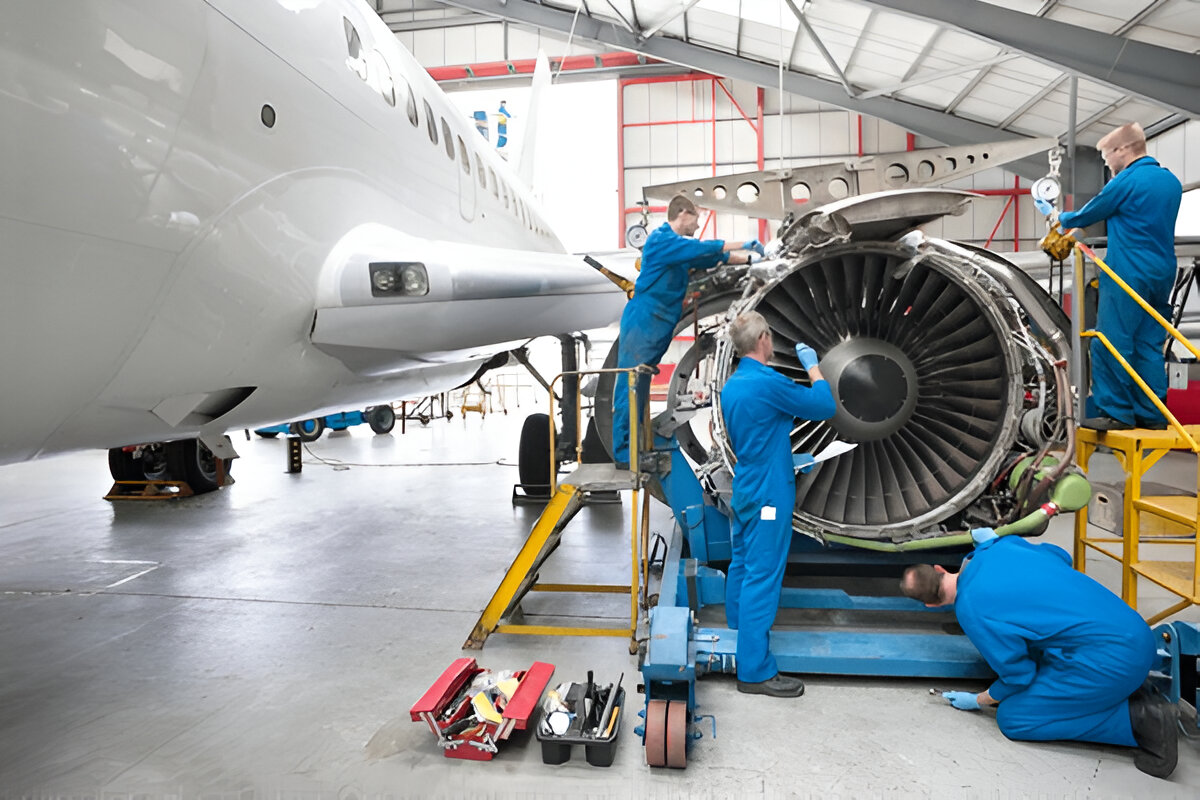
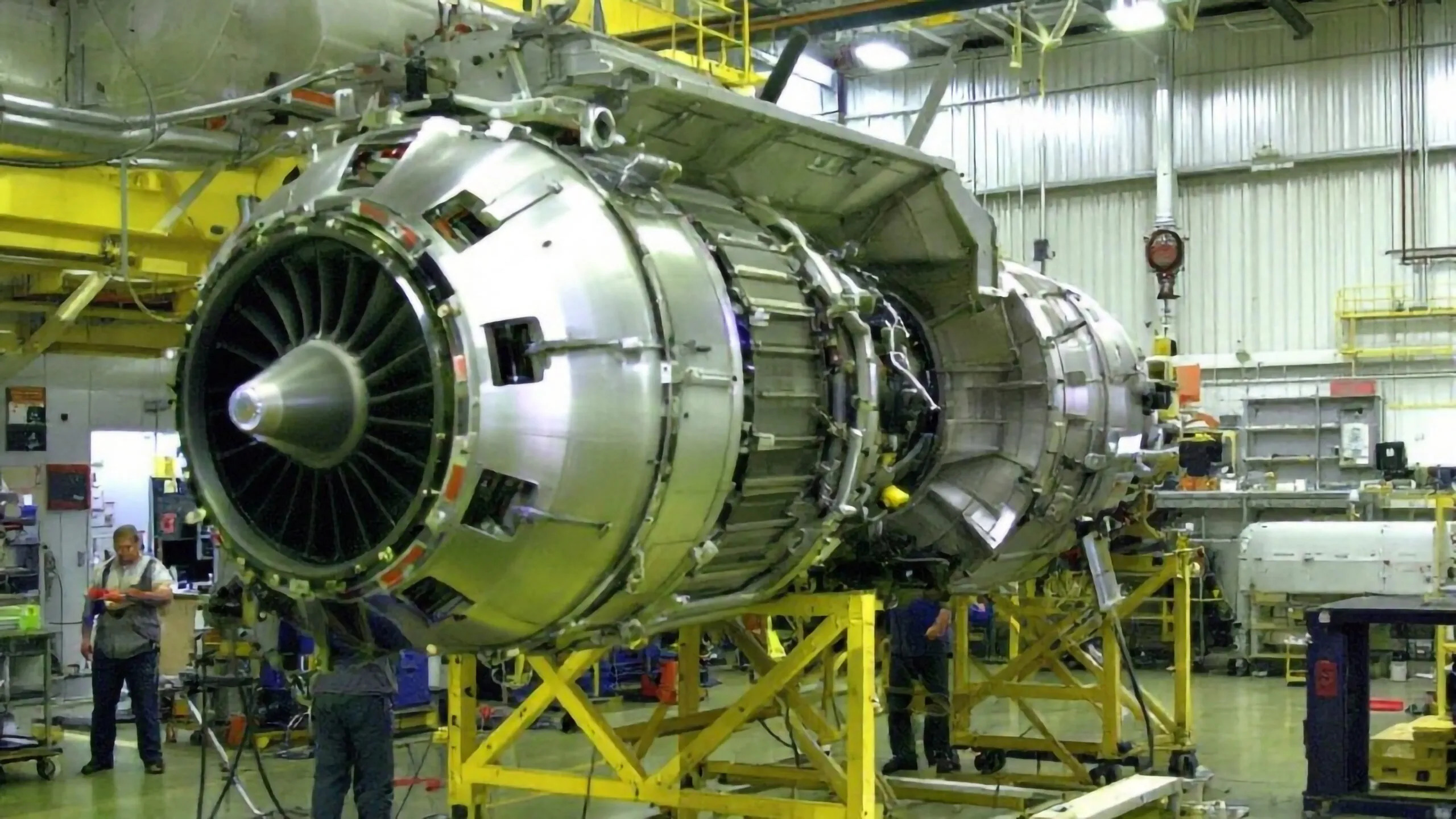
While Bangalore has long been associated with IT and technology, it has an equally rich history in engineering and manufacturing. The city is home to major defense, aerospace, and heavy engineering establishments — such as HAL (Hindustan Aeronautics Limited), BEML, and ISRO — all of which rely heavily on metal fabrication for producing precision components.
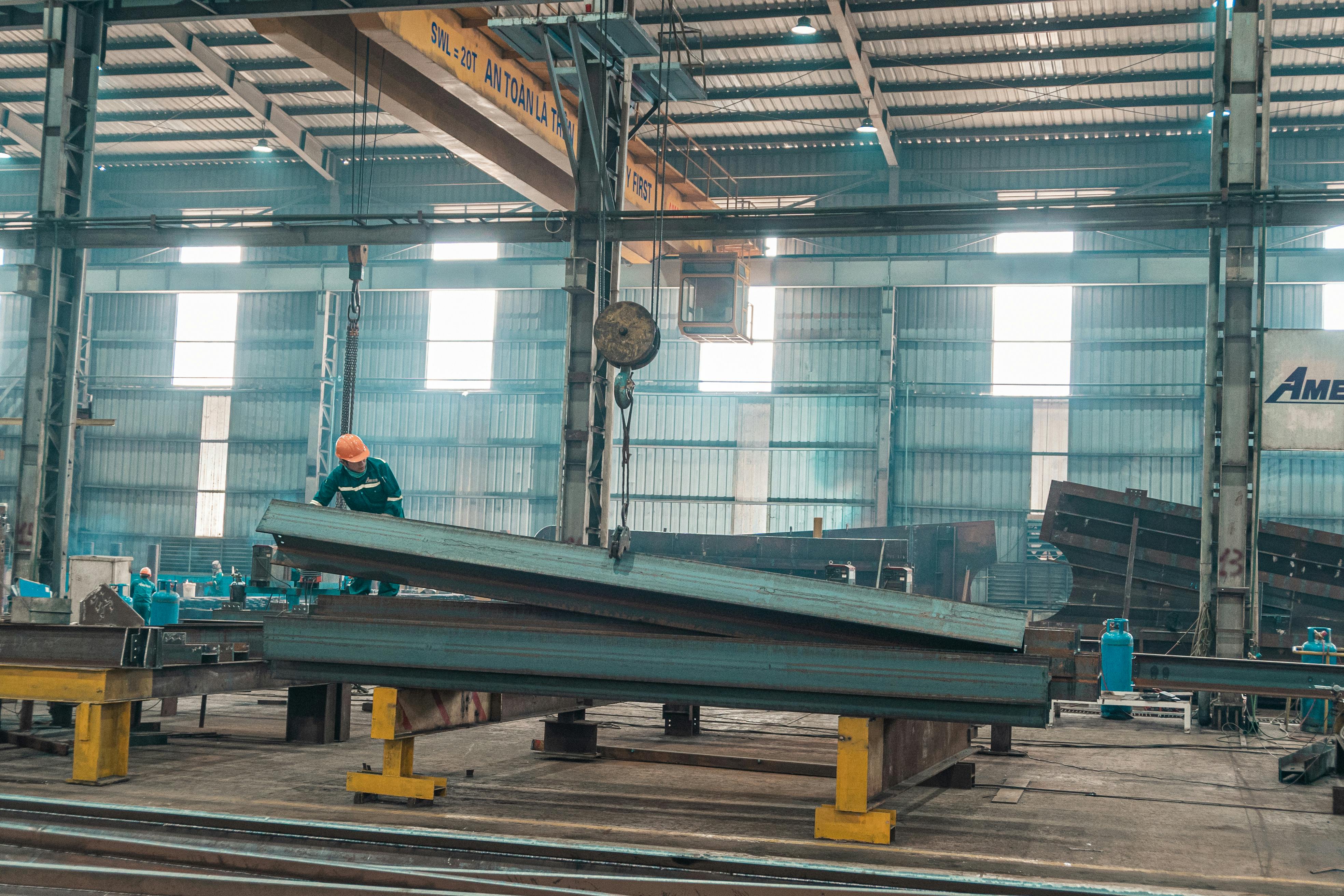
In recent years, the manufacturing sector has diversified further. With the rise of industries like automotive, electronics, renewable energy, telecom, and infrastructure, the demand for custom sheet metal fabrication in Bangalore has skyrocketed. As a result, hundreds of small, medium, and large fabrication units have emerged in and around industrial zones like Peenya, Bommasandra, and Jigani, creating a vibrant ecosystem that supports both local and global supply chains.
2. What is Sheet Metal Fabrication and Why It Matters
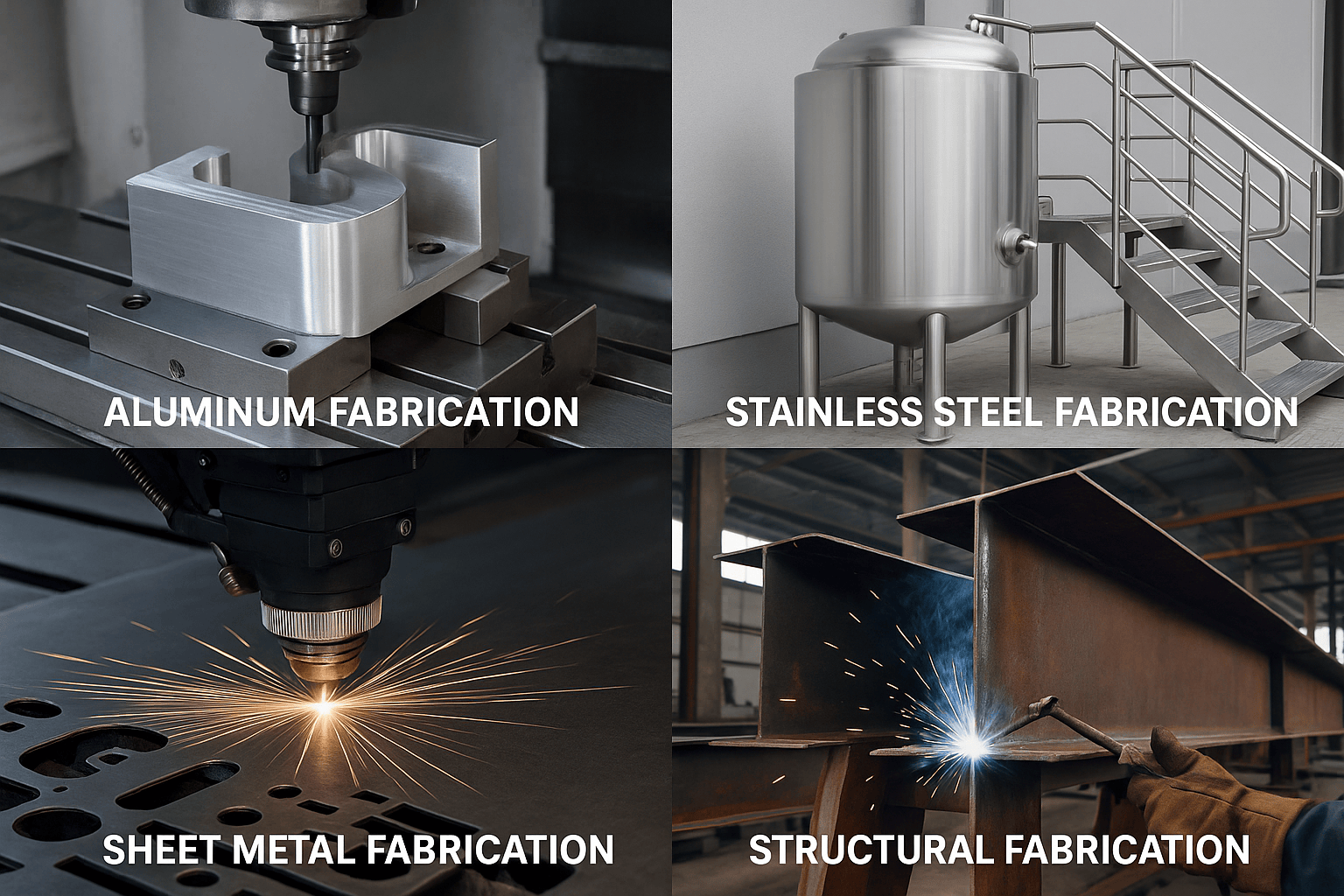
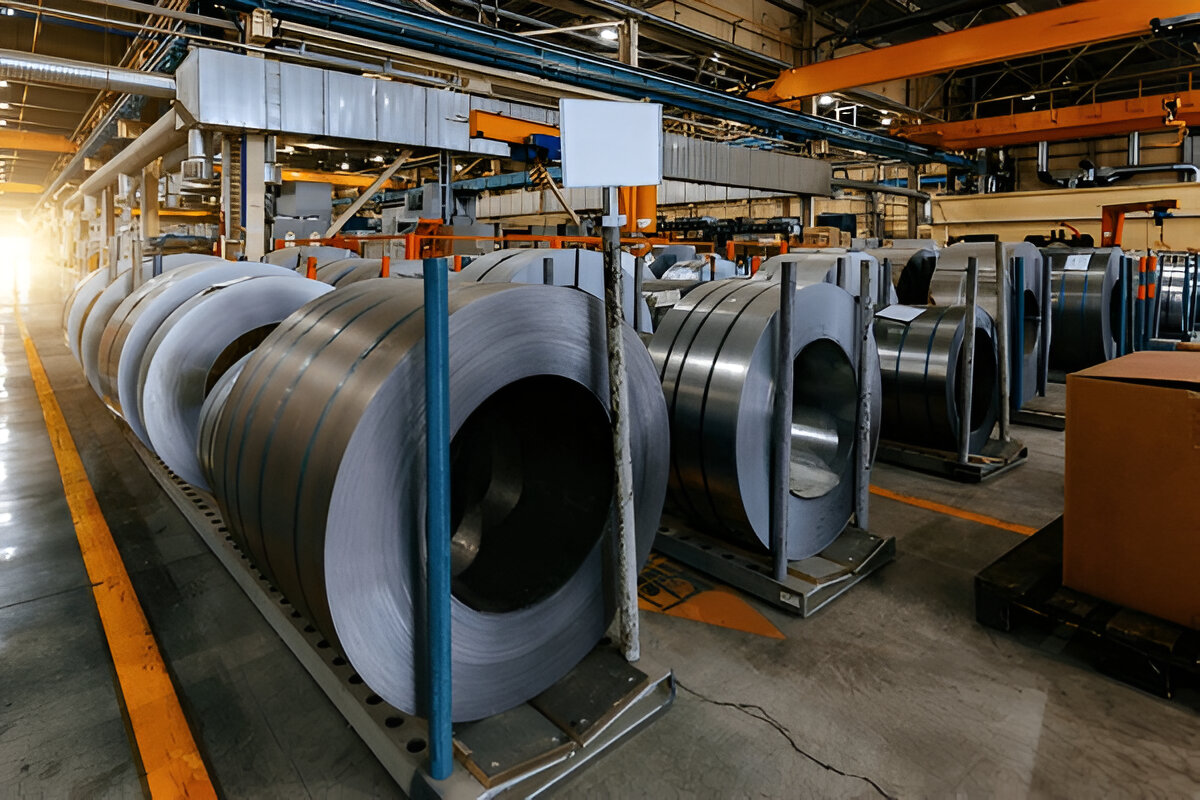
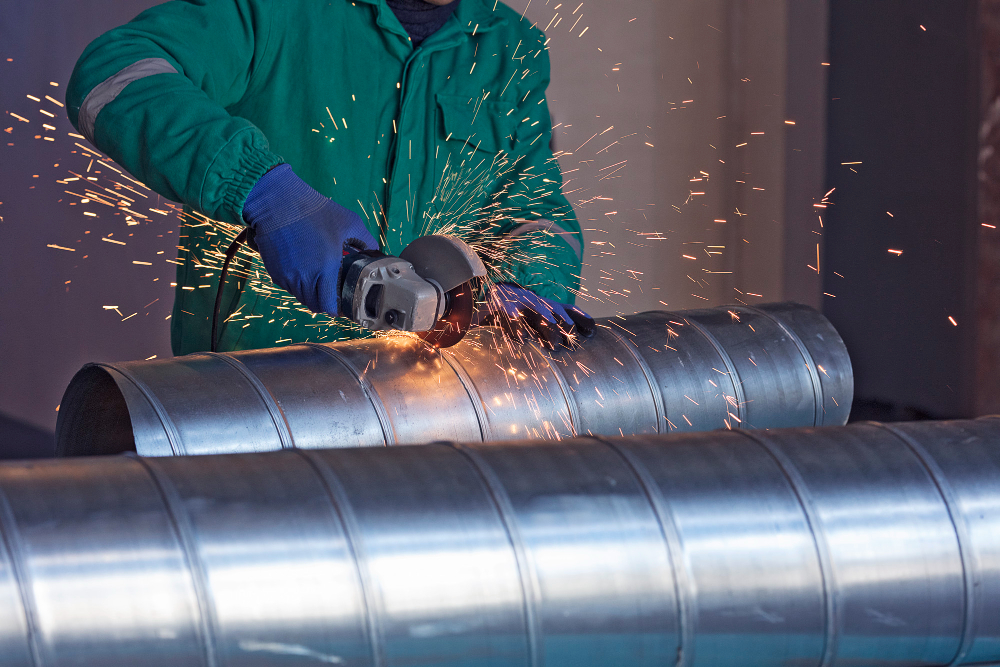
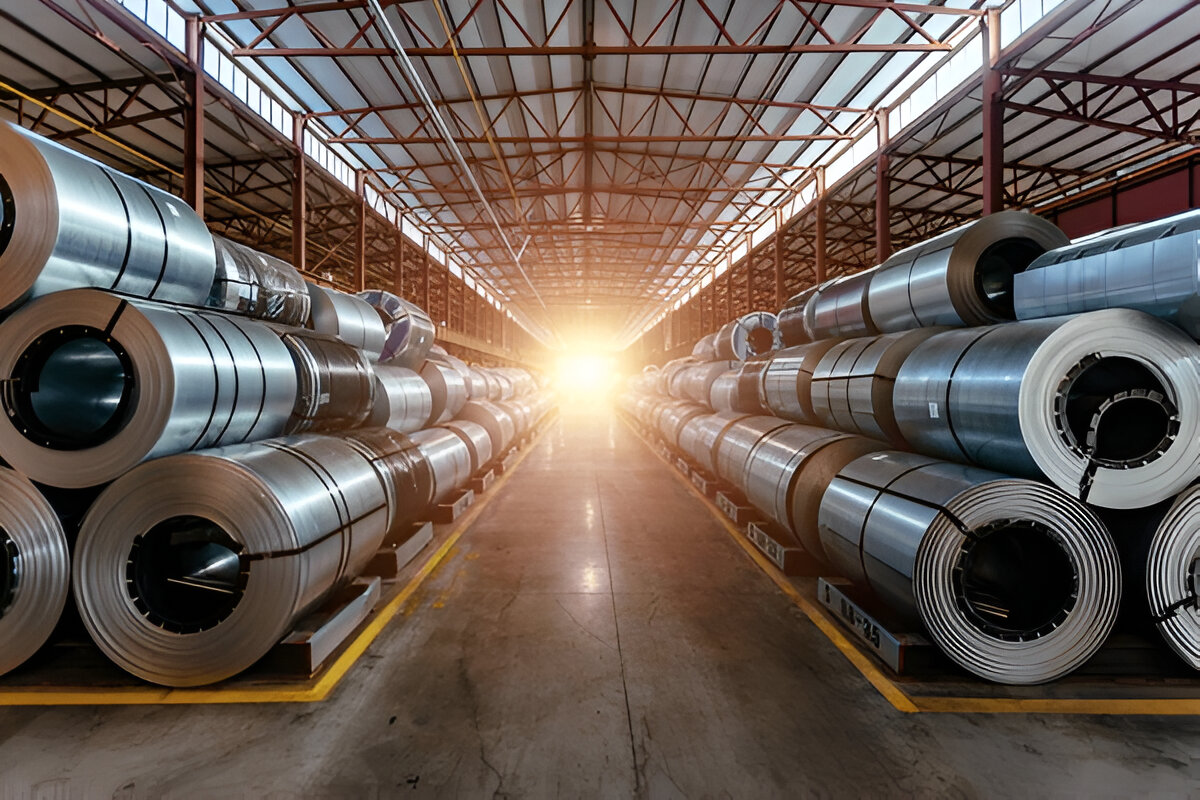
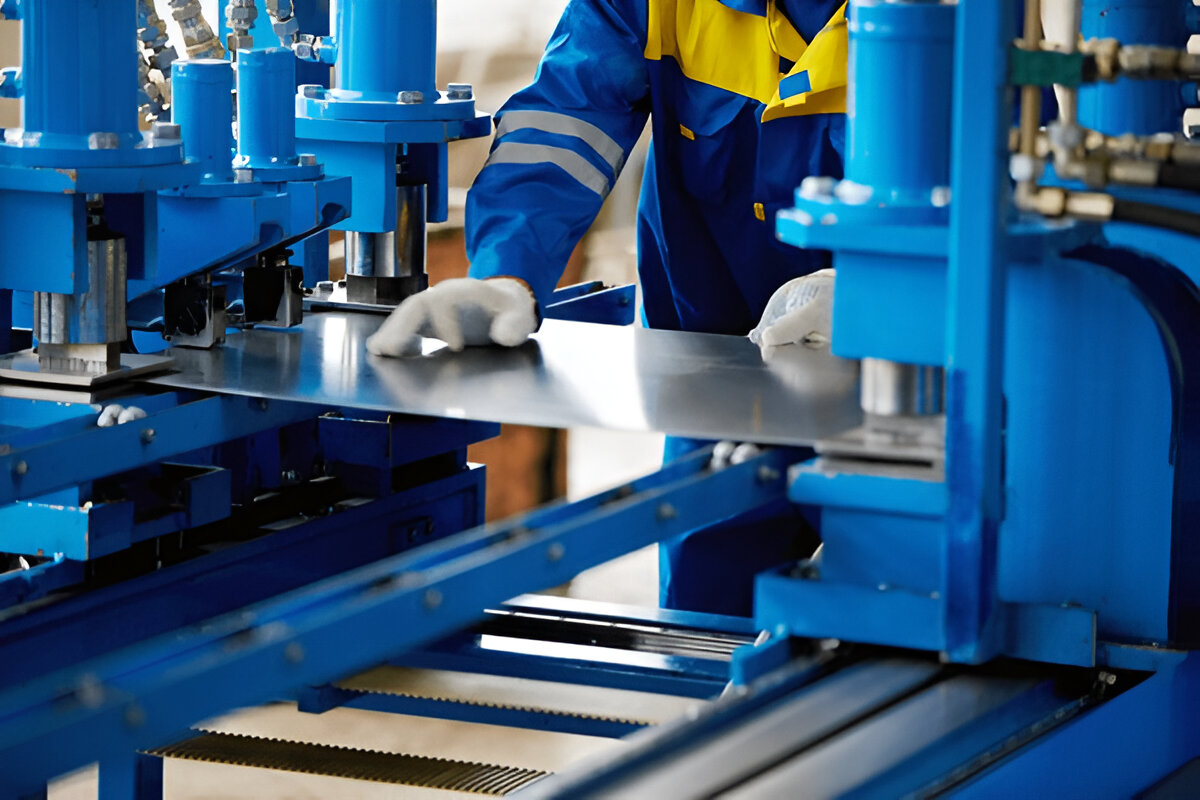
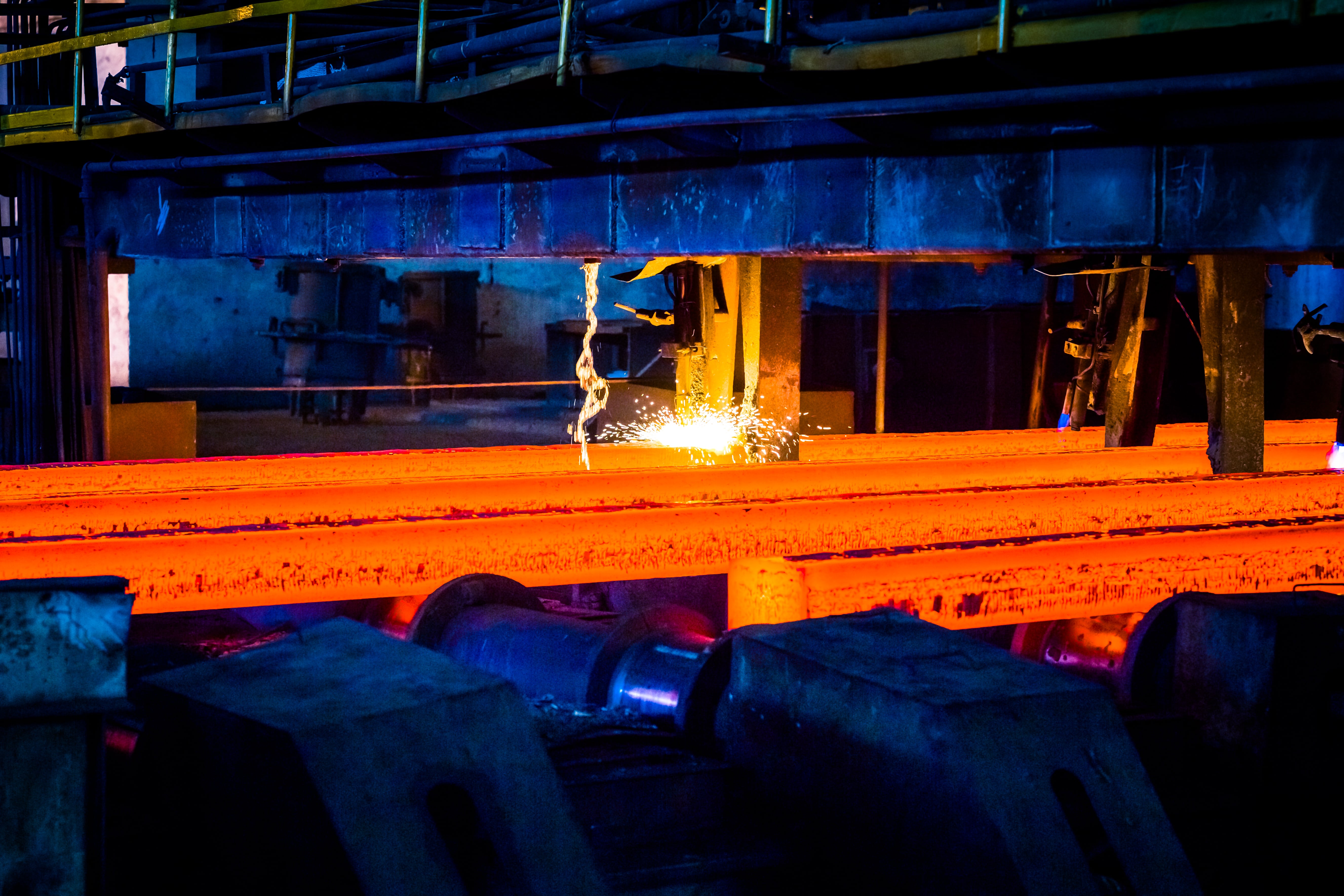
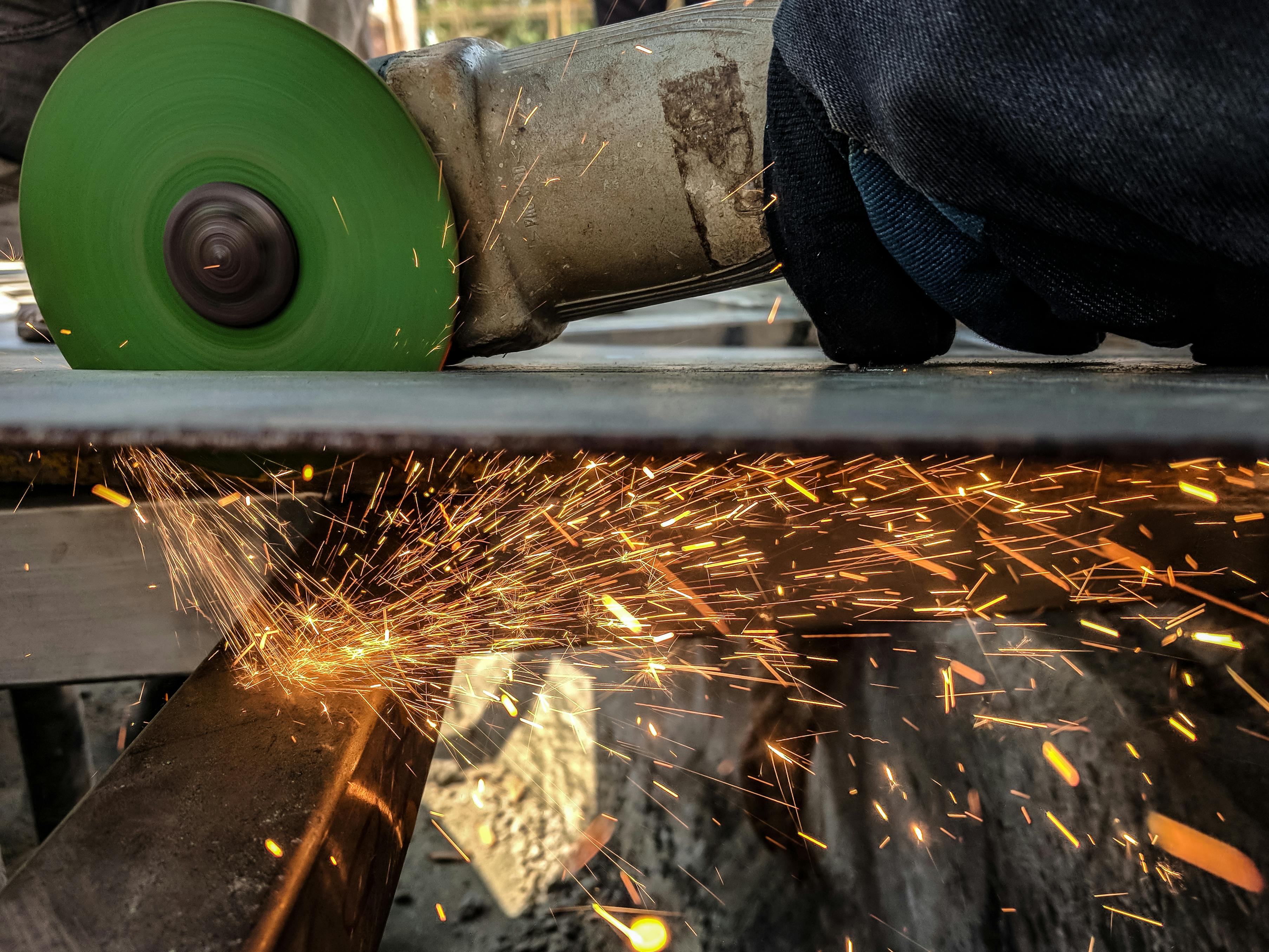
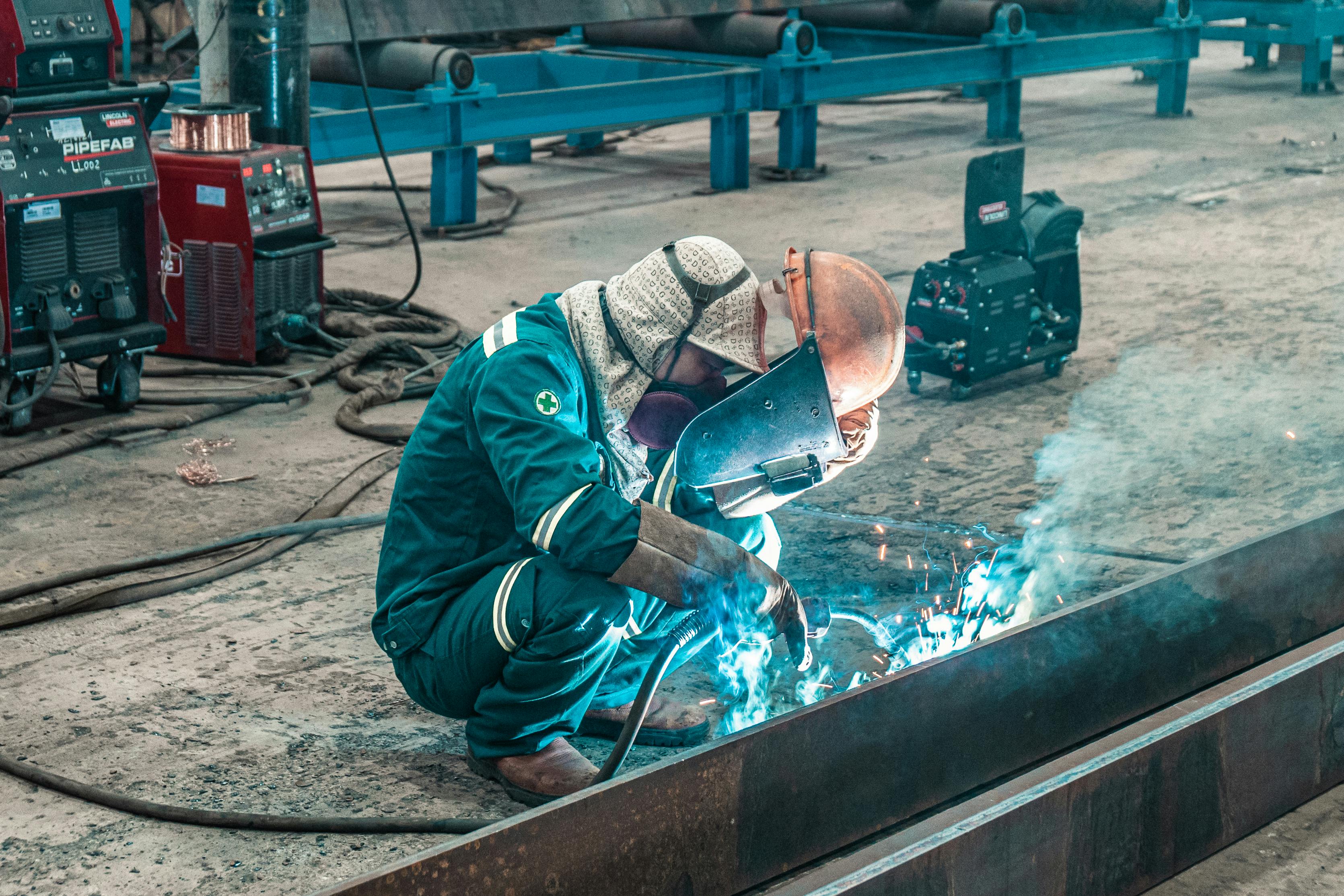
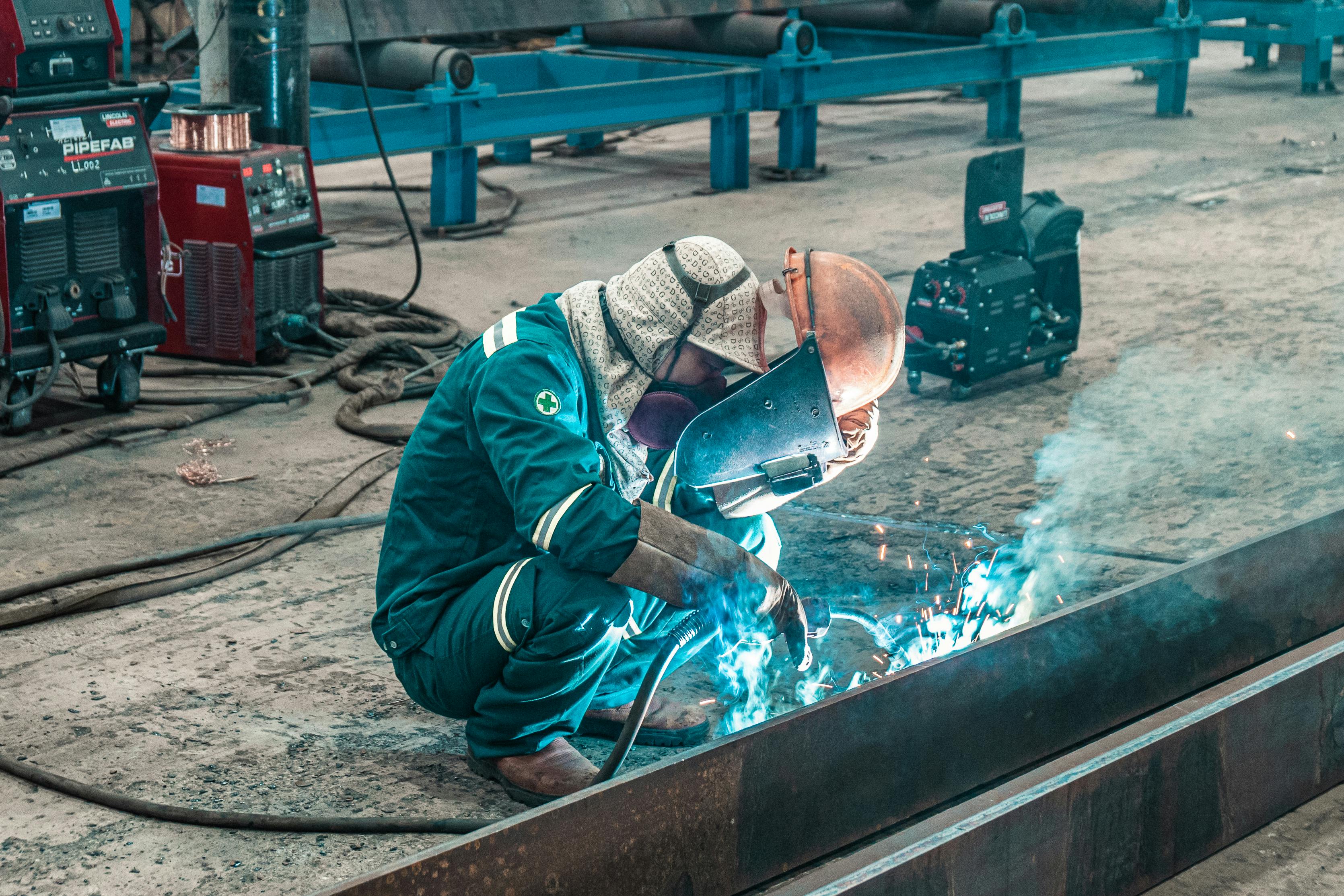
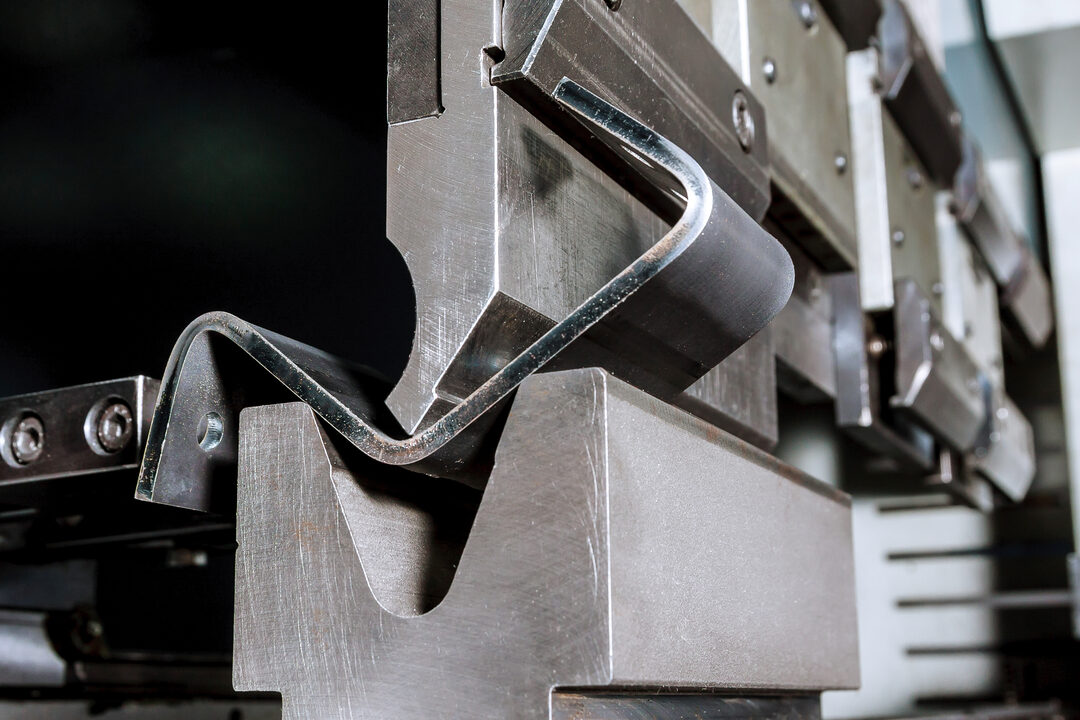
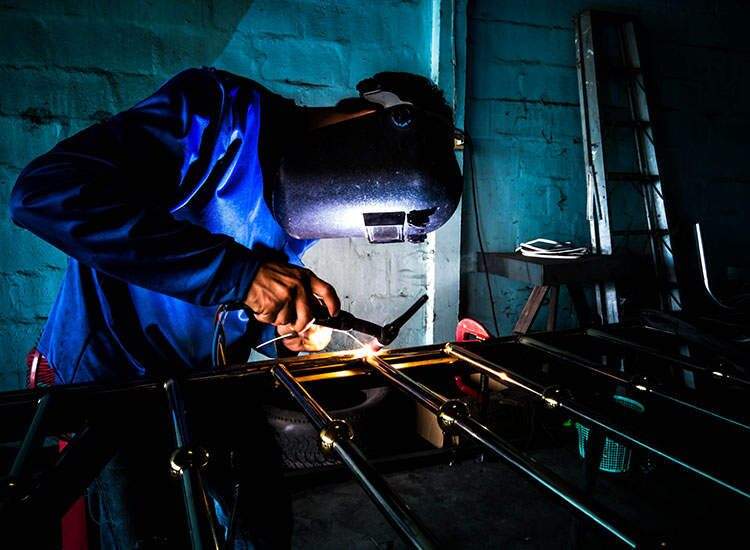
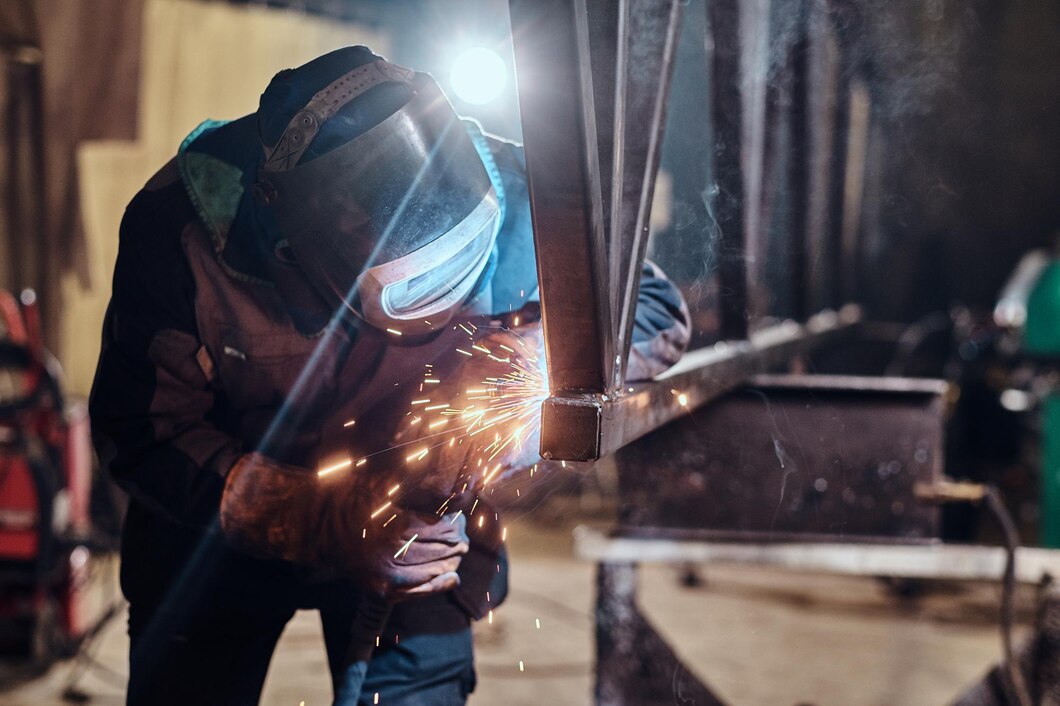
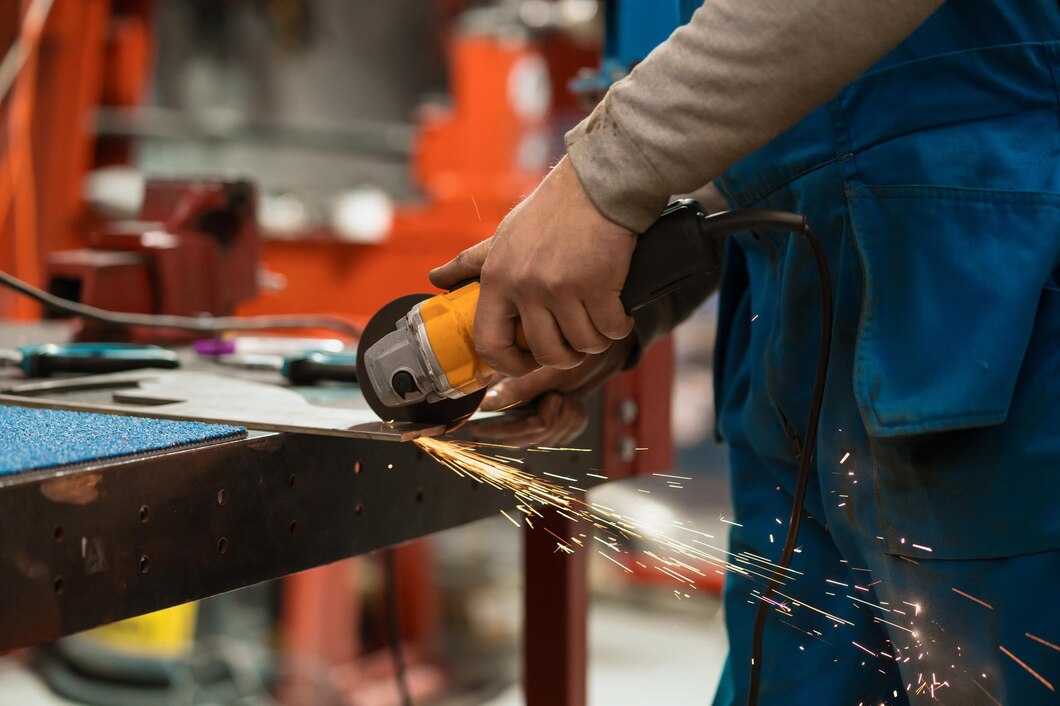
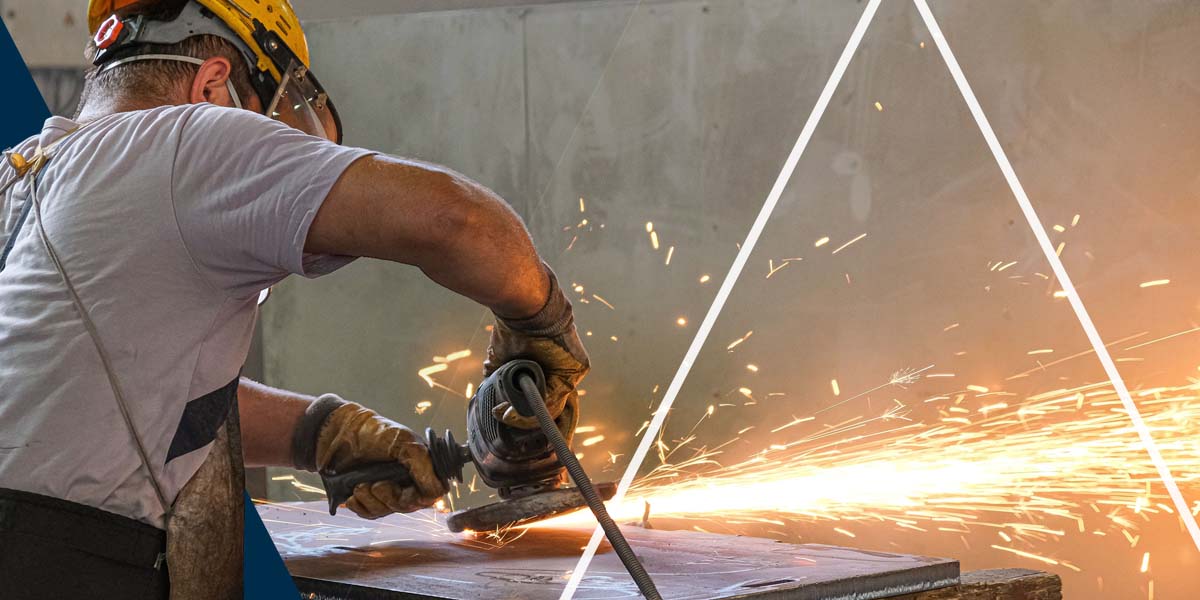
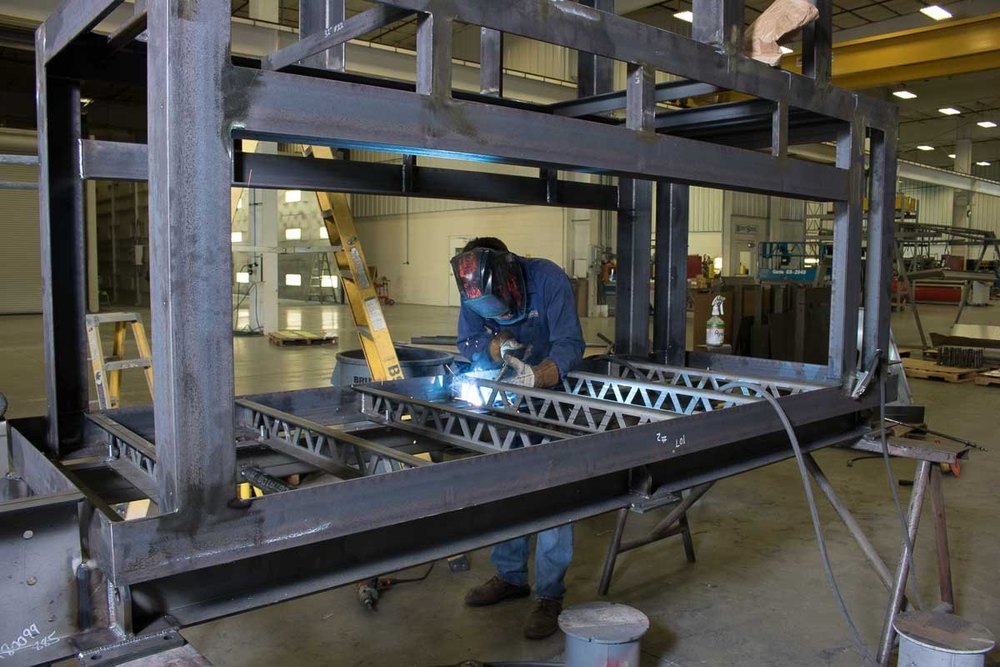
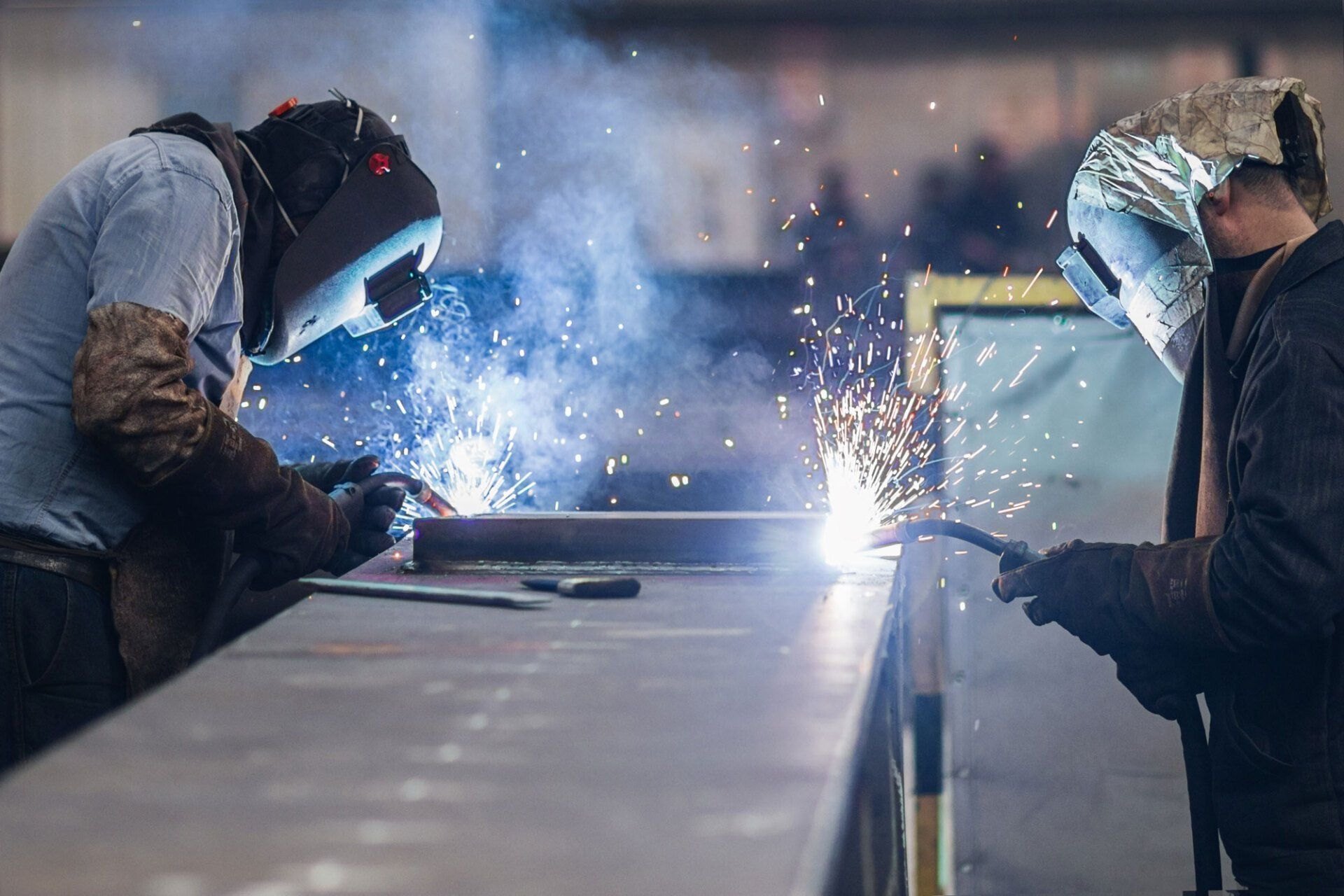
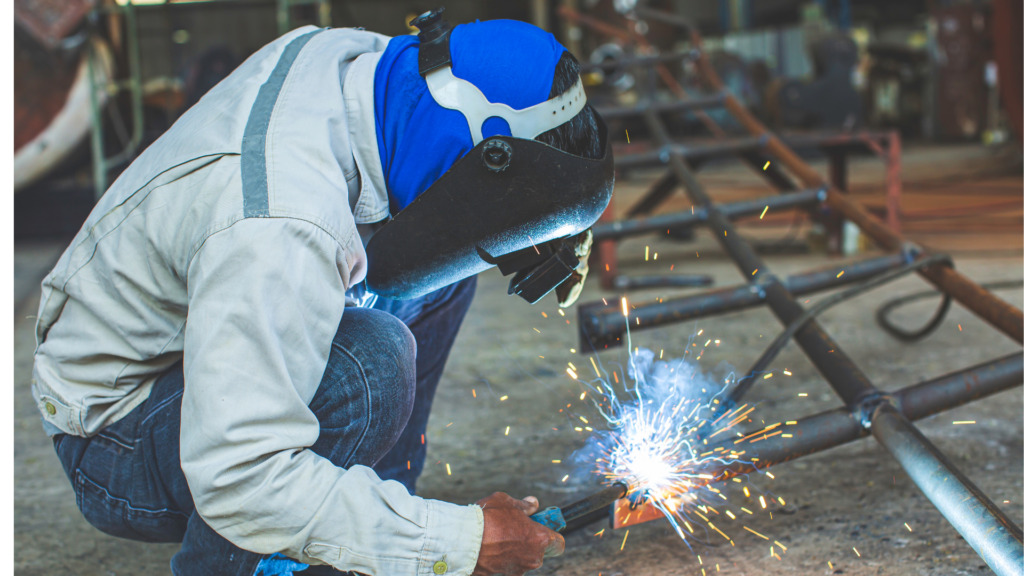
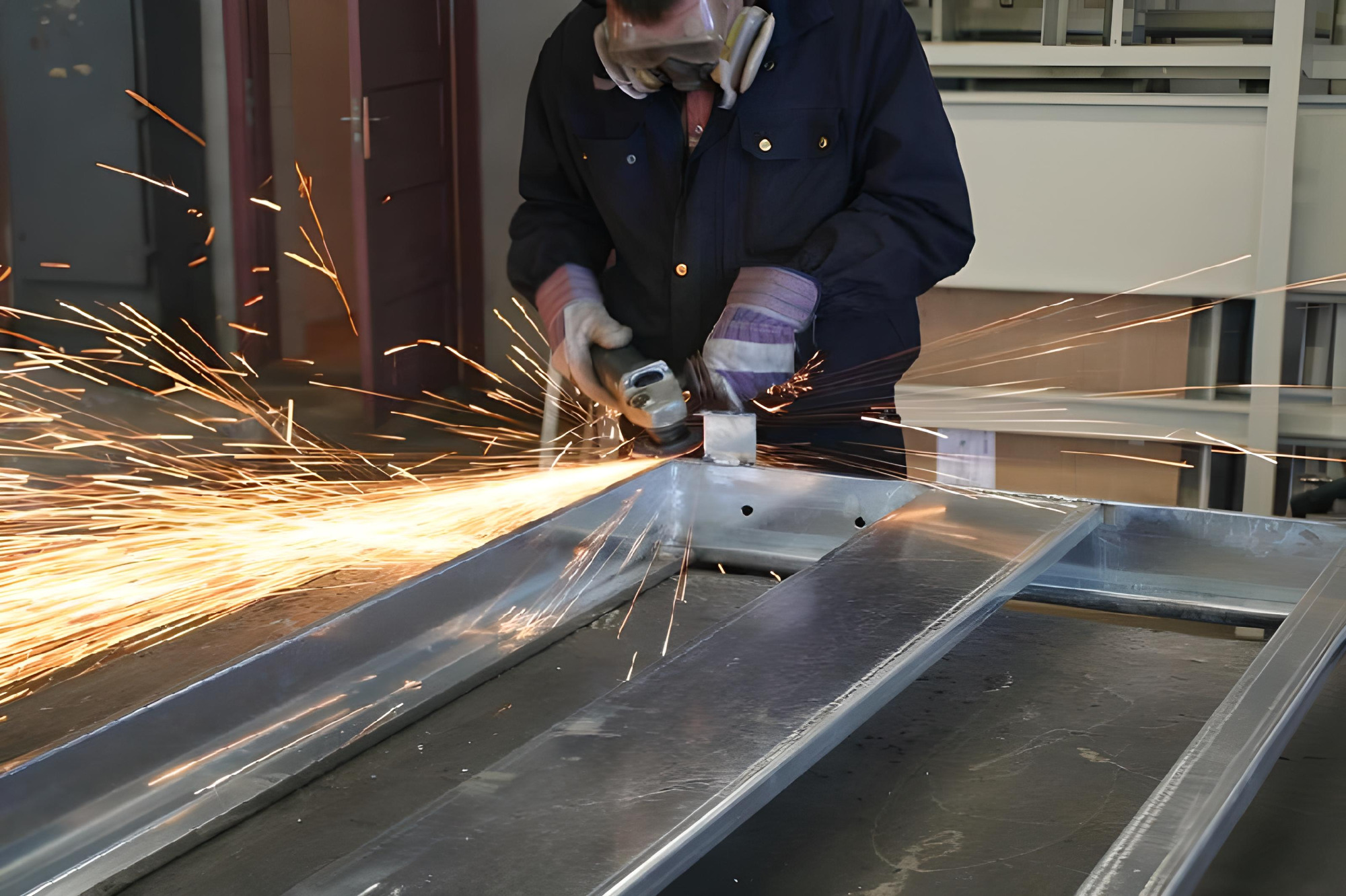
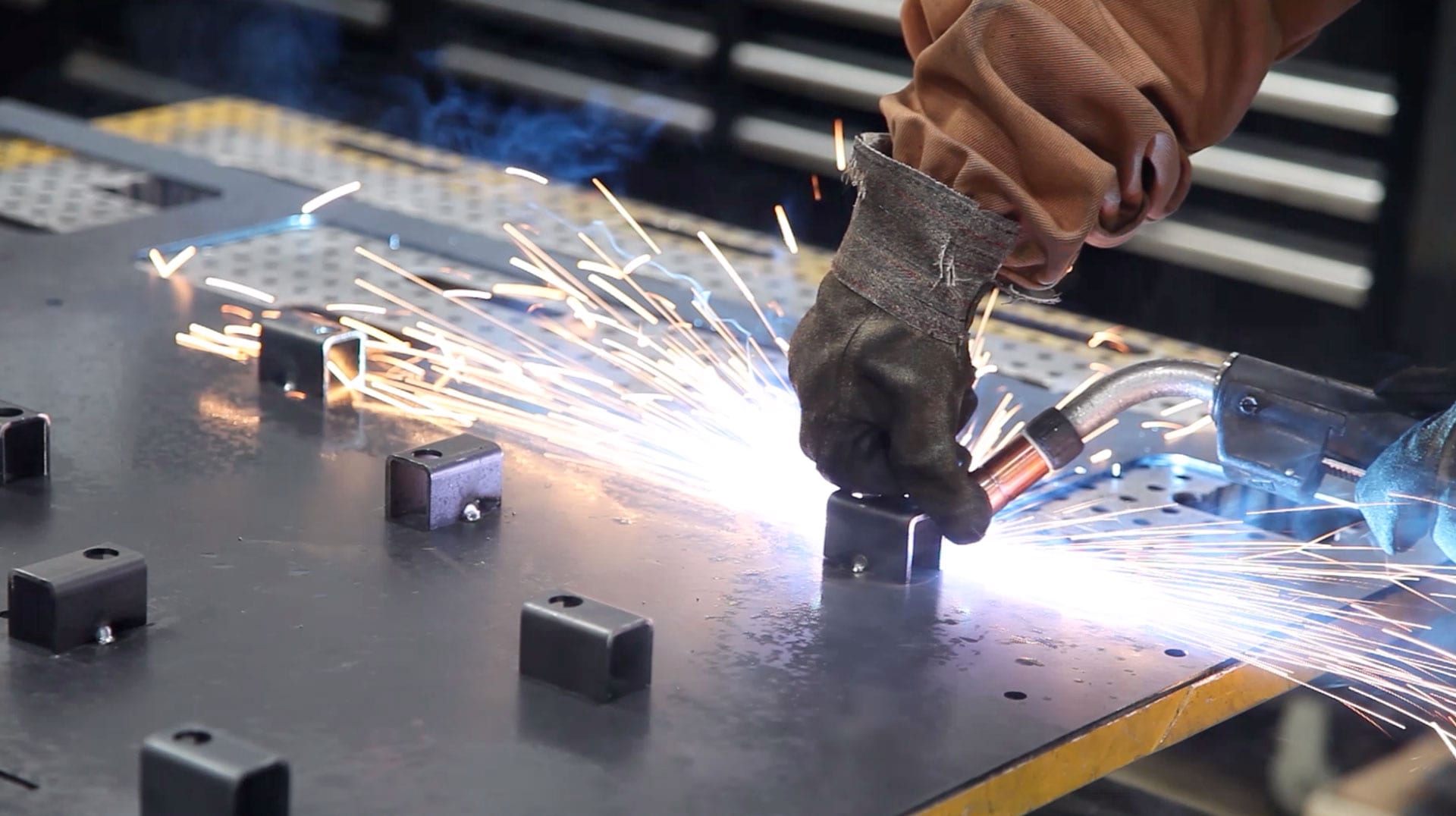
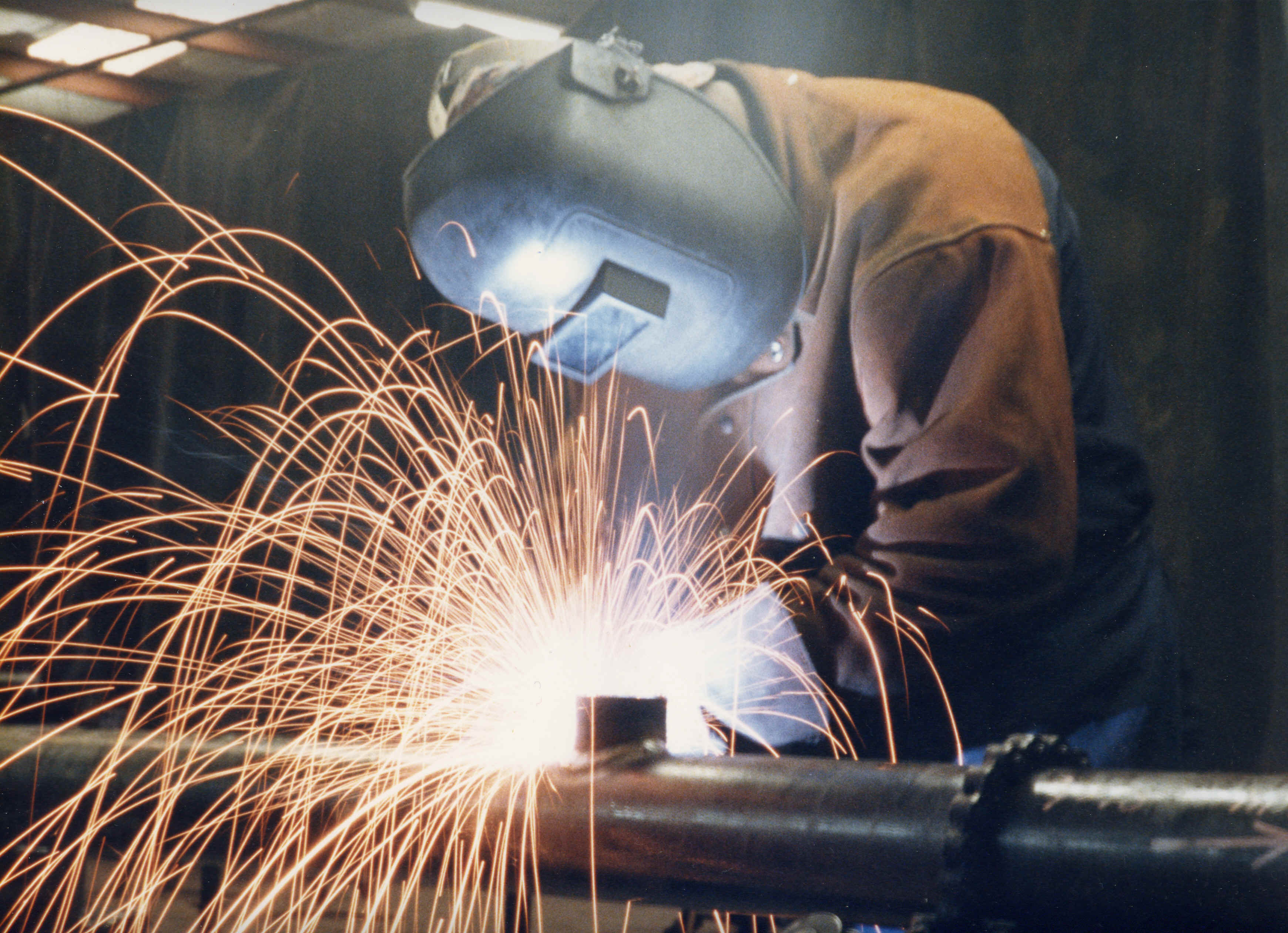
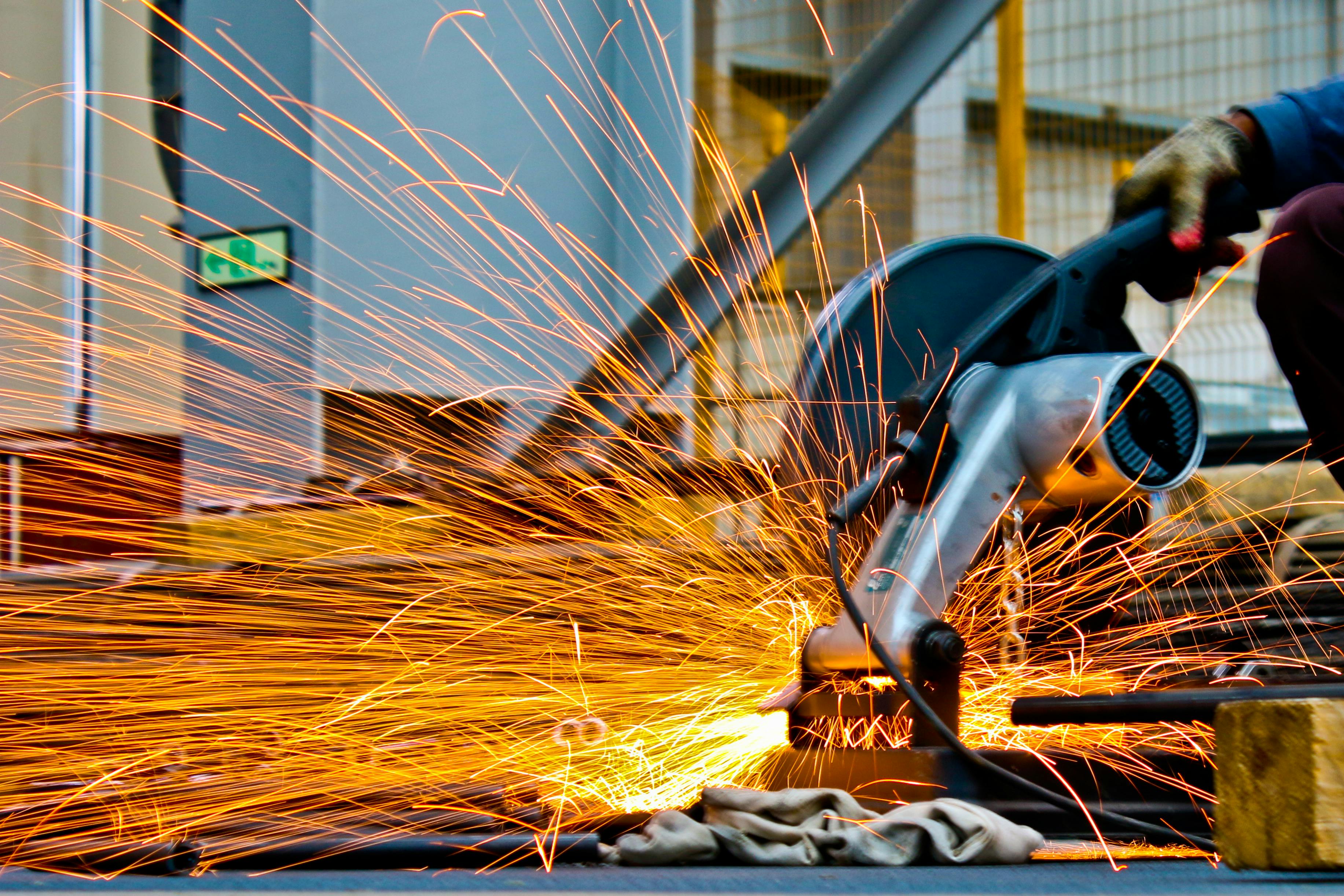
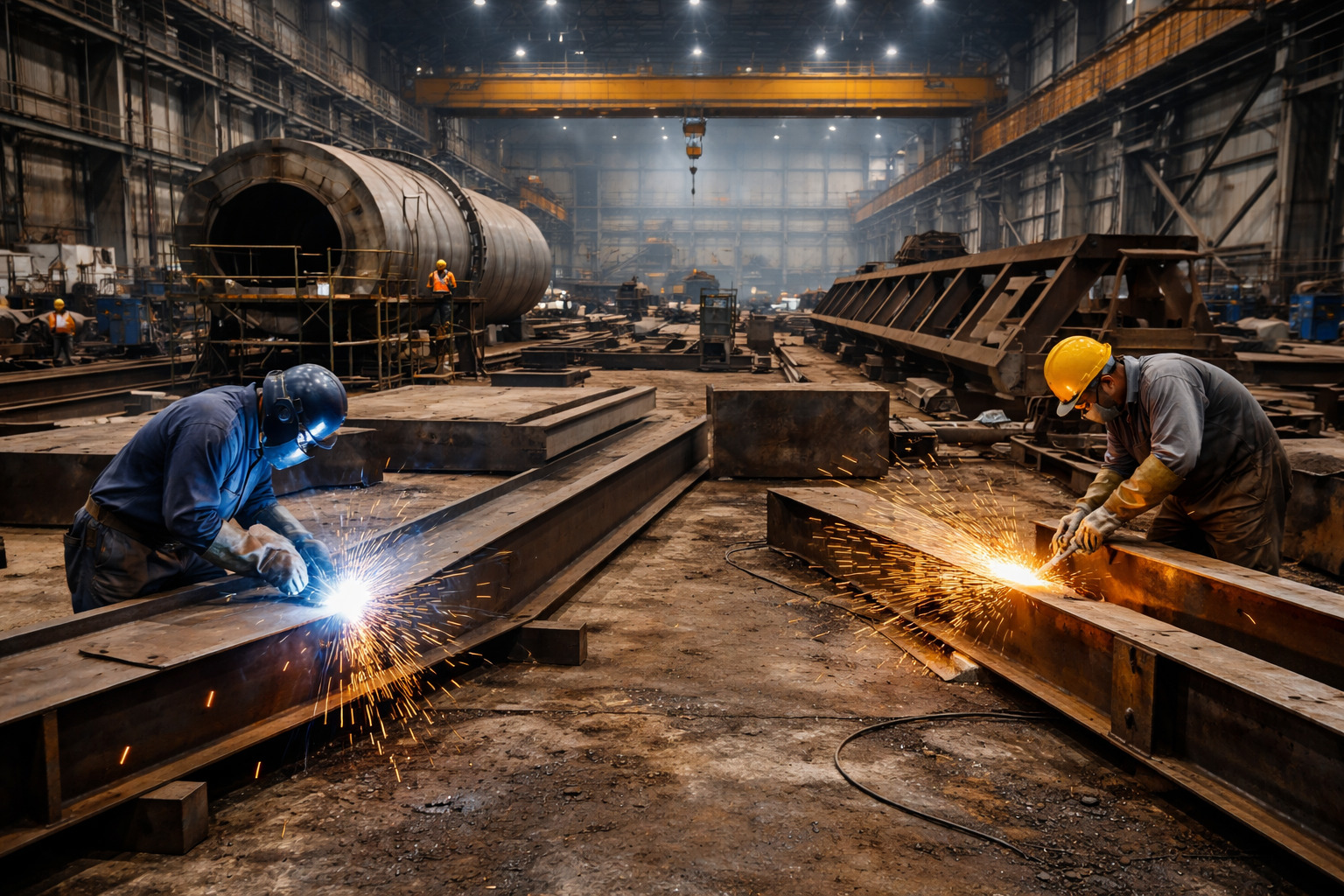
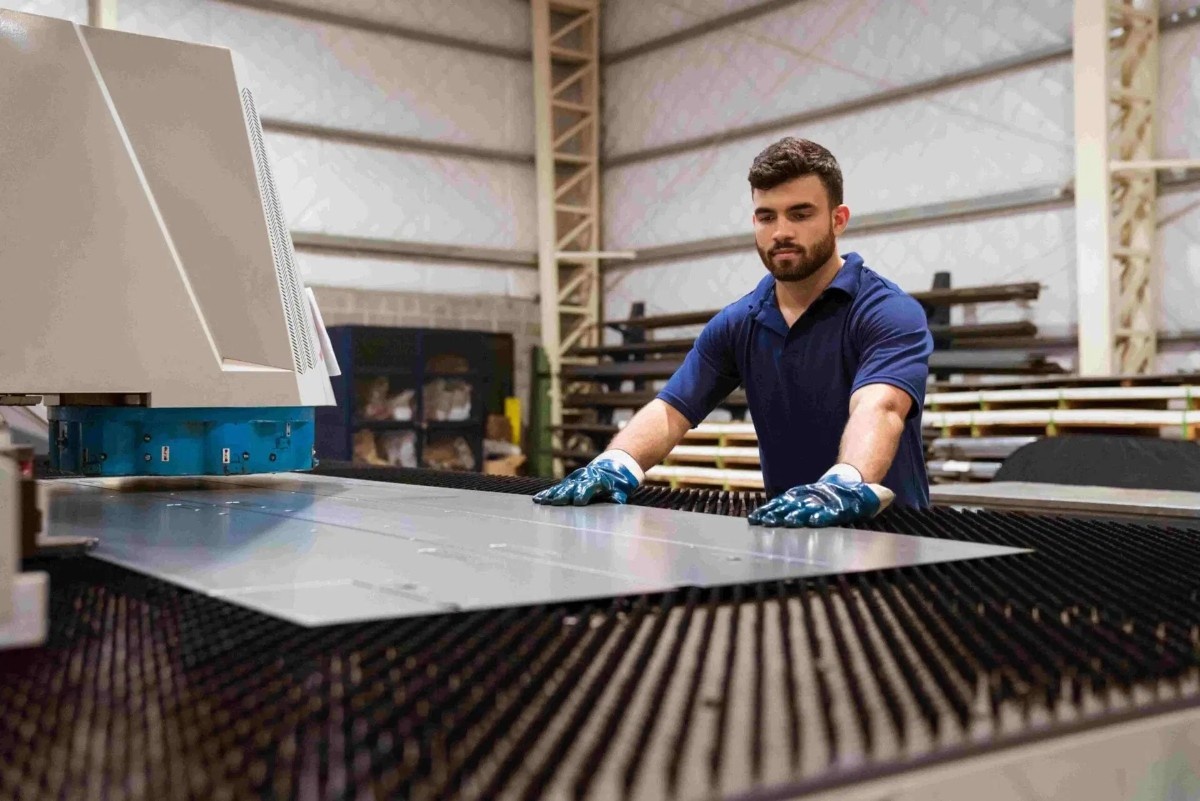
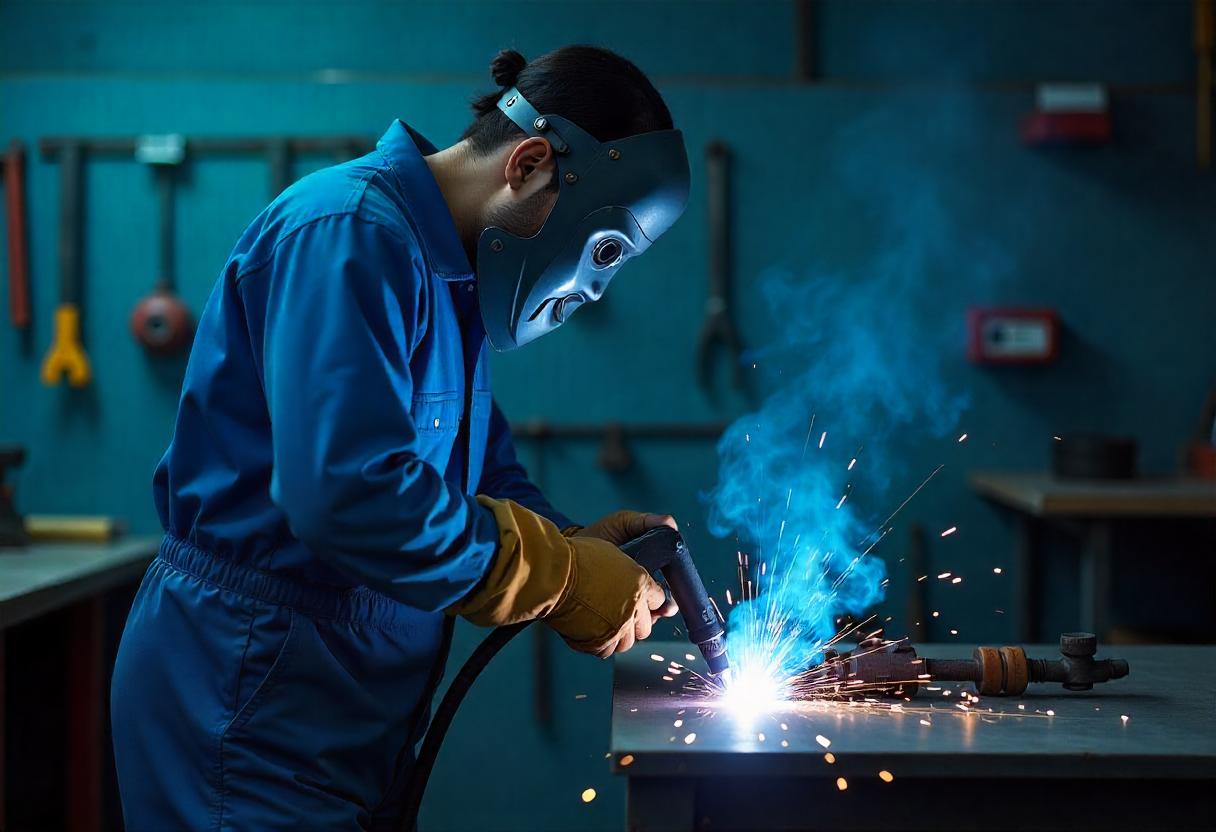
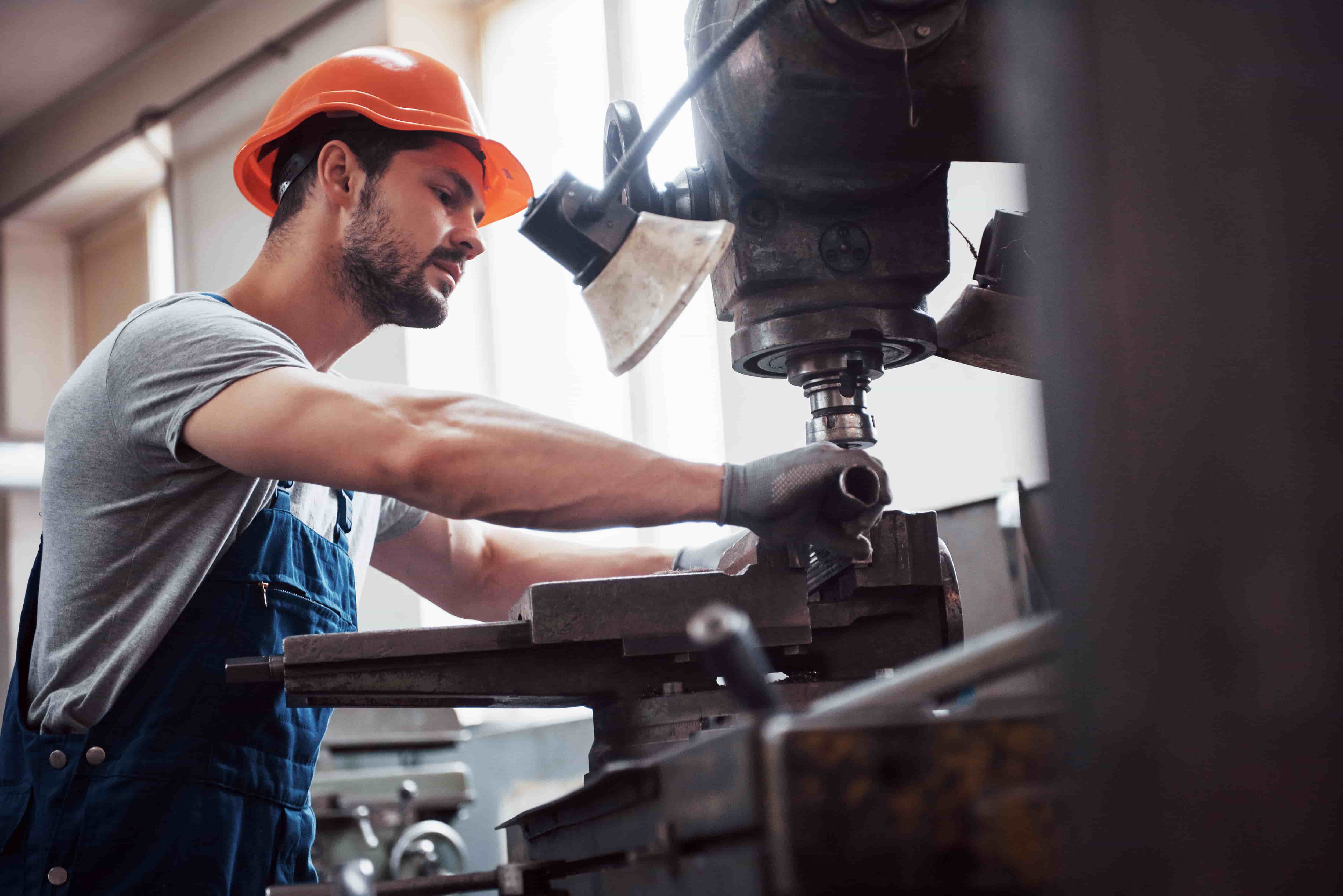
At its core, sheet metal fabrication in Bangalore involves converting flat sheets of metal — such as steel, aluminum, or copper — into desired shapes and components using processes like cutting, bending, welding, punching, and assembly.
It’s an essential process in nearly every manufacturing sector. Whether it’s the frame of an electric vehicle, the housing of an electrical cabinet, or the panels of an aircraft, sheet metal fabrication provides the structural foundation for countless products we use every day.
In Bangalore, the importance of fabrication goes beyond production — it’s about precision engineering, innovation, and customization. The city’s fabricators are not just manufacturing parts; they’re enabling new technologies and powering industries to scale faster.
3. The Technological Edge: How Innovation Shapes Fabrication
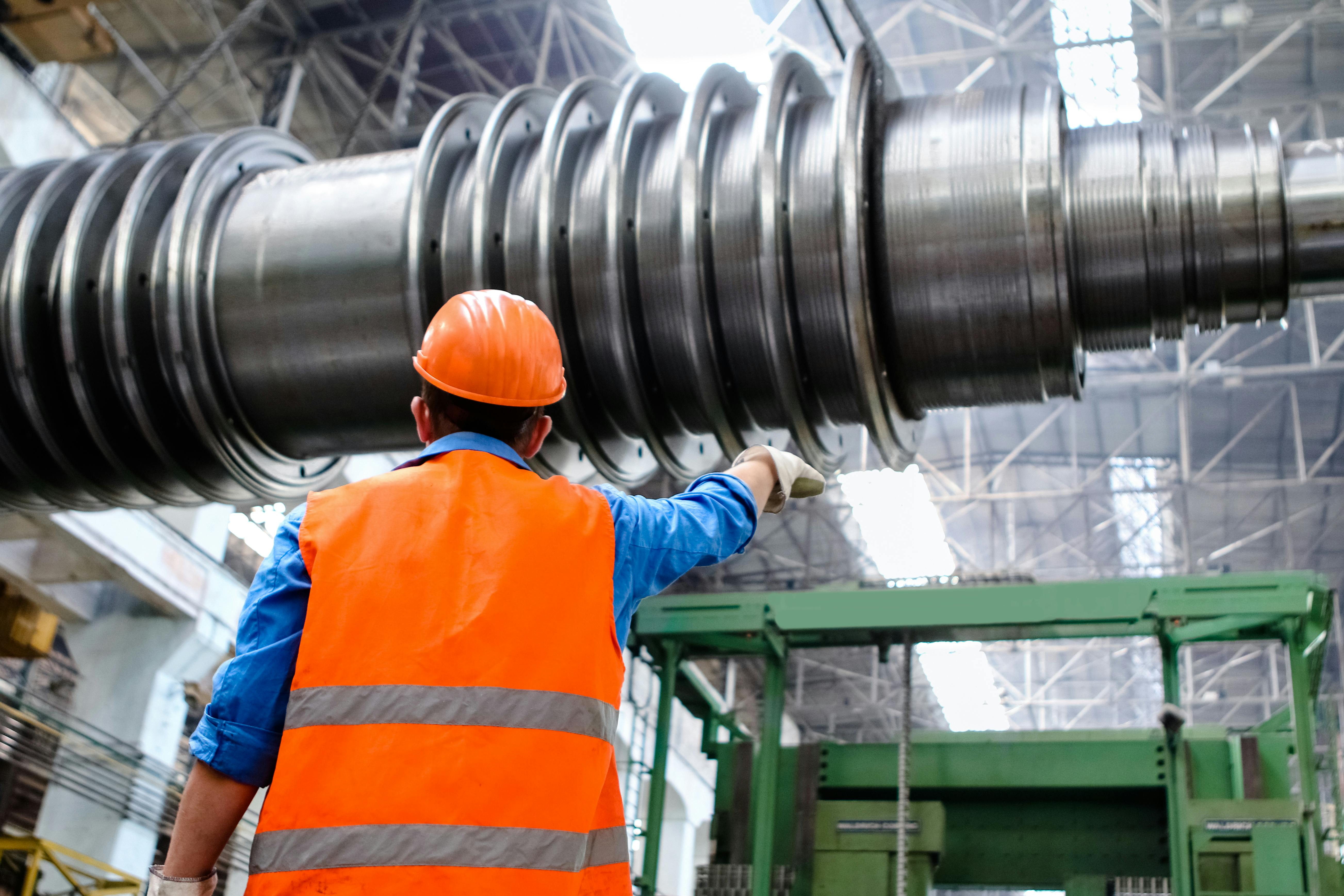
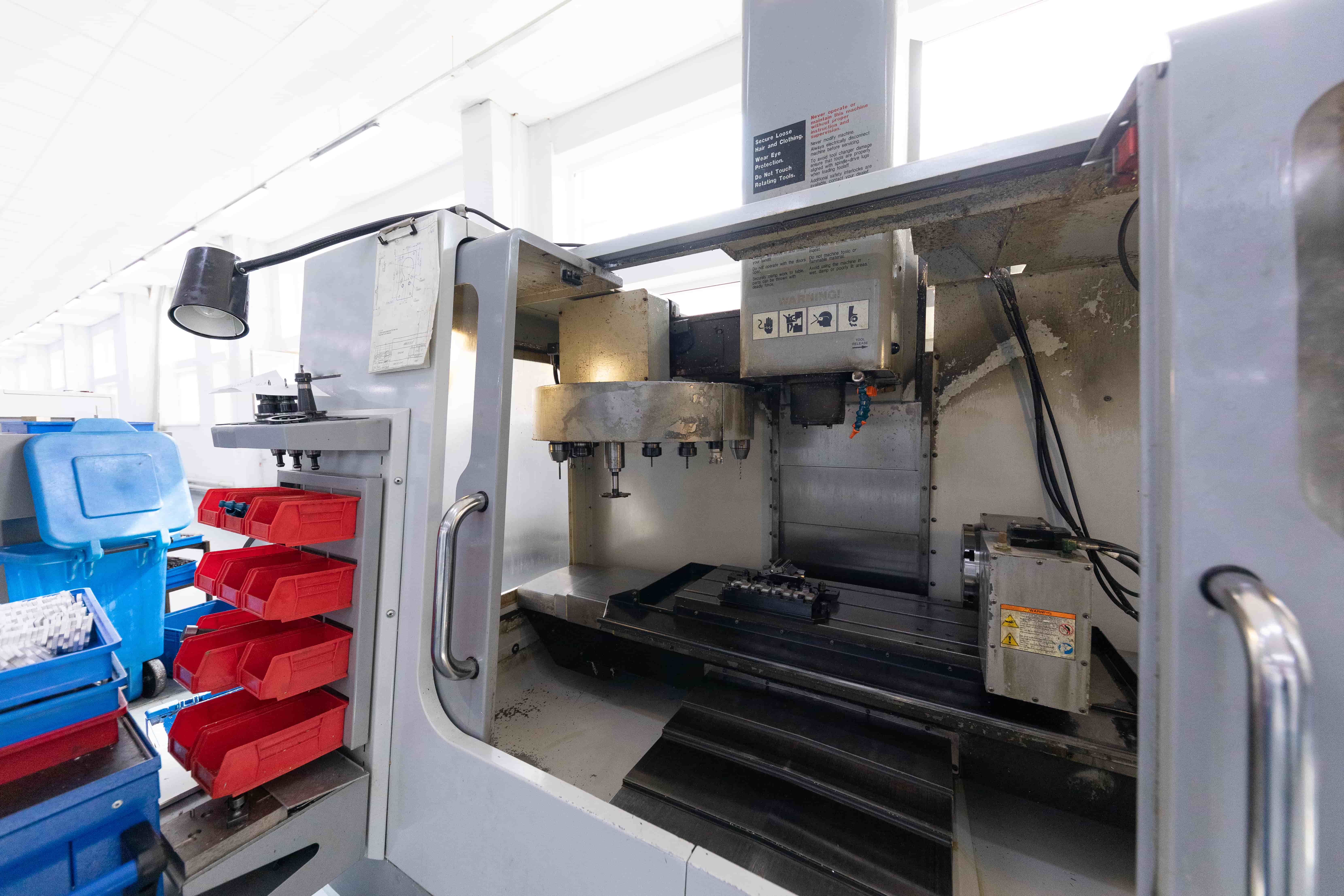
What sets Bangalore’s fabrication industry apart is its technological sophistication. Many of the city’s leading fabricators have invested in advanced machinery and automation systems to meet global quality standards.
Modern facilities are equipped with:
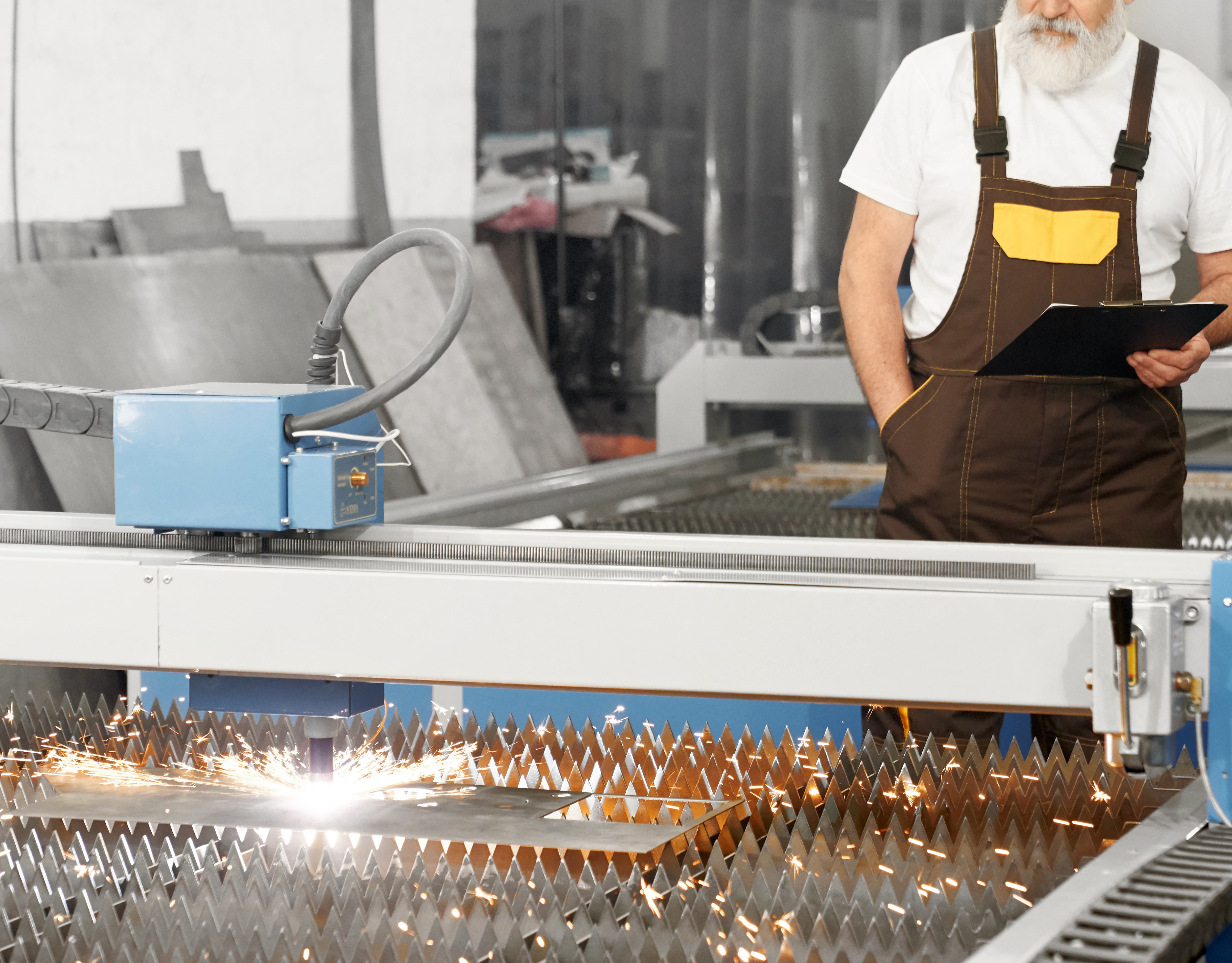
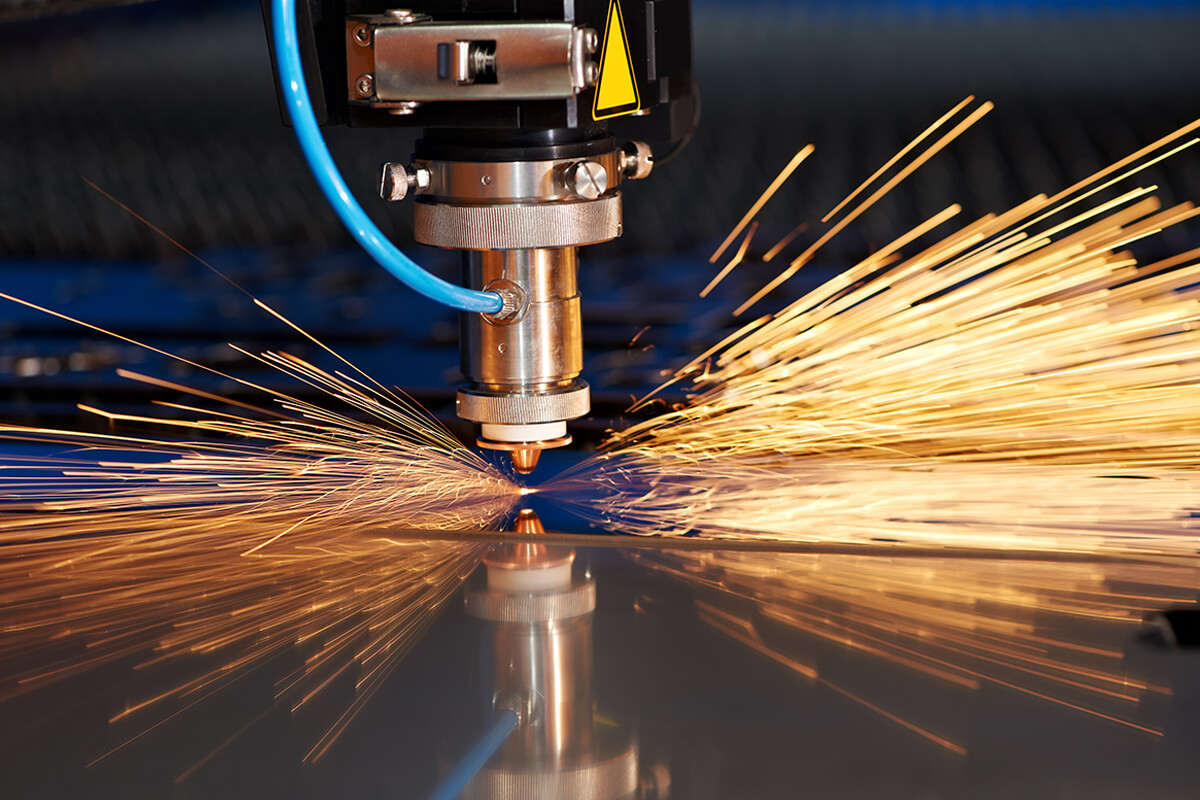
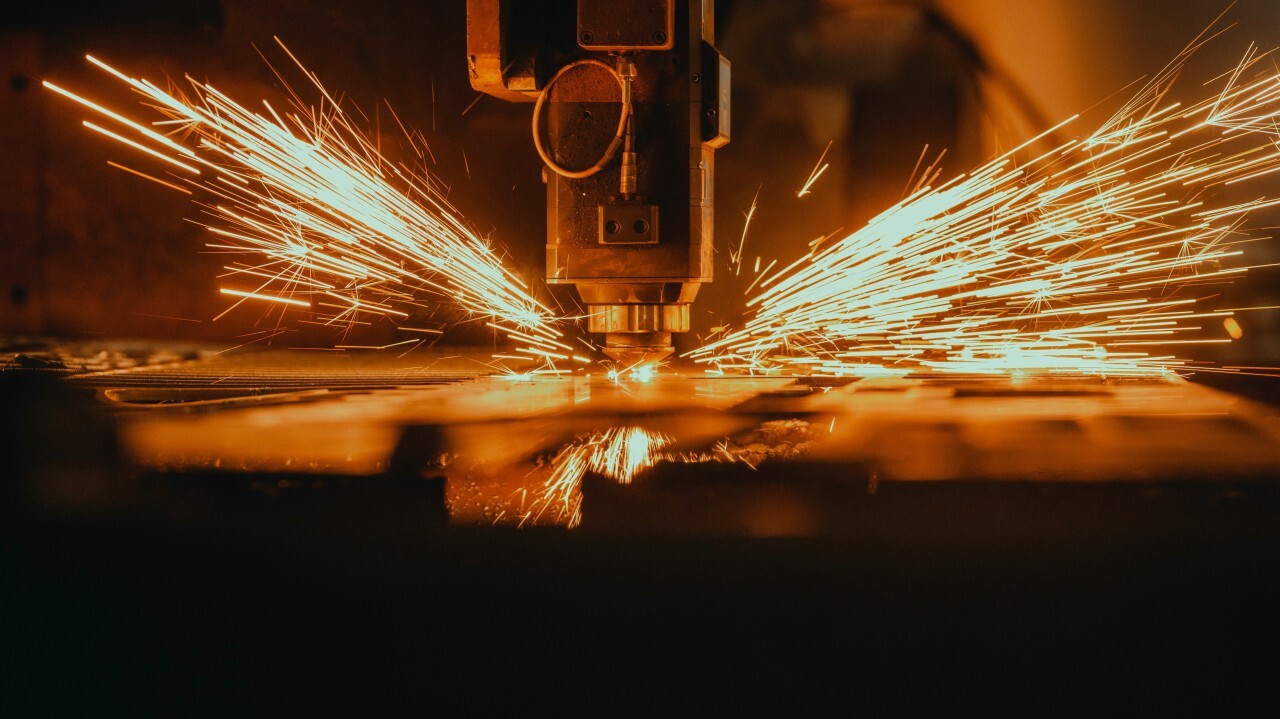
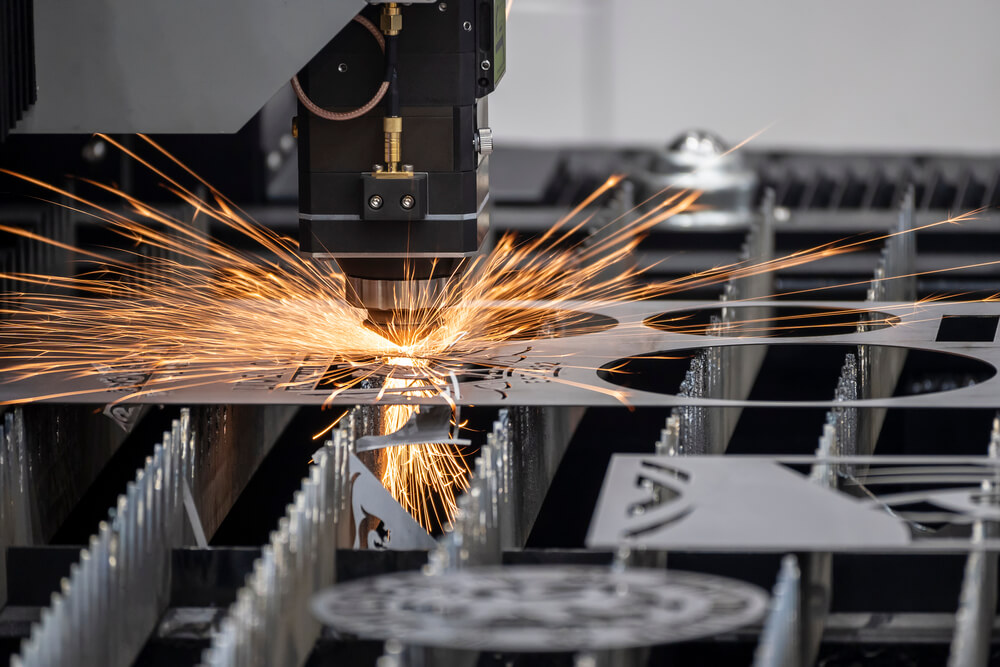
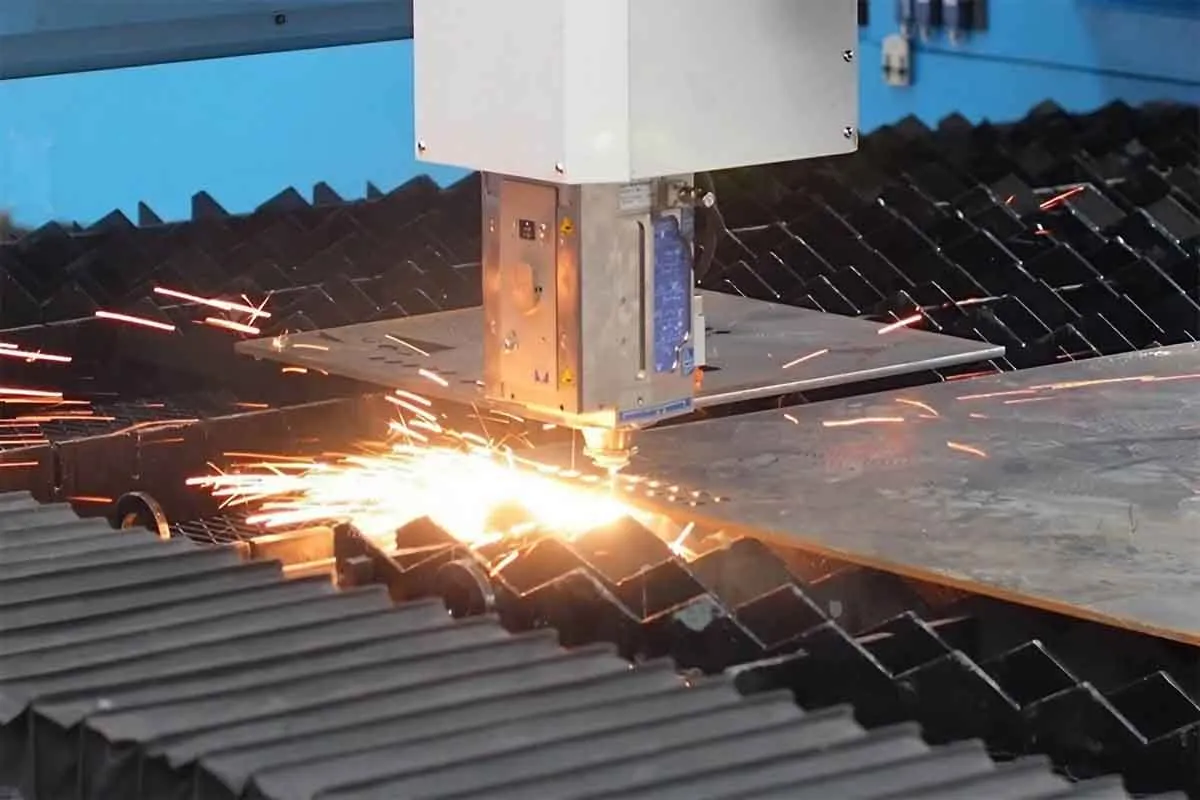
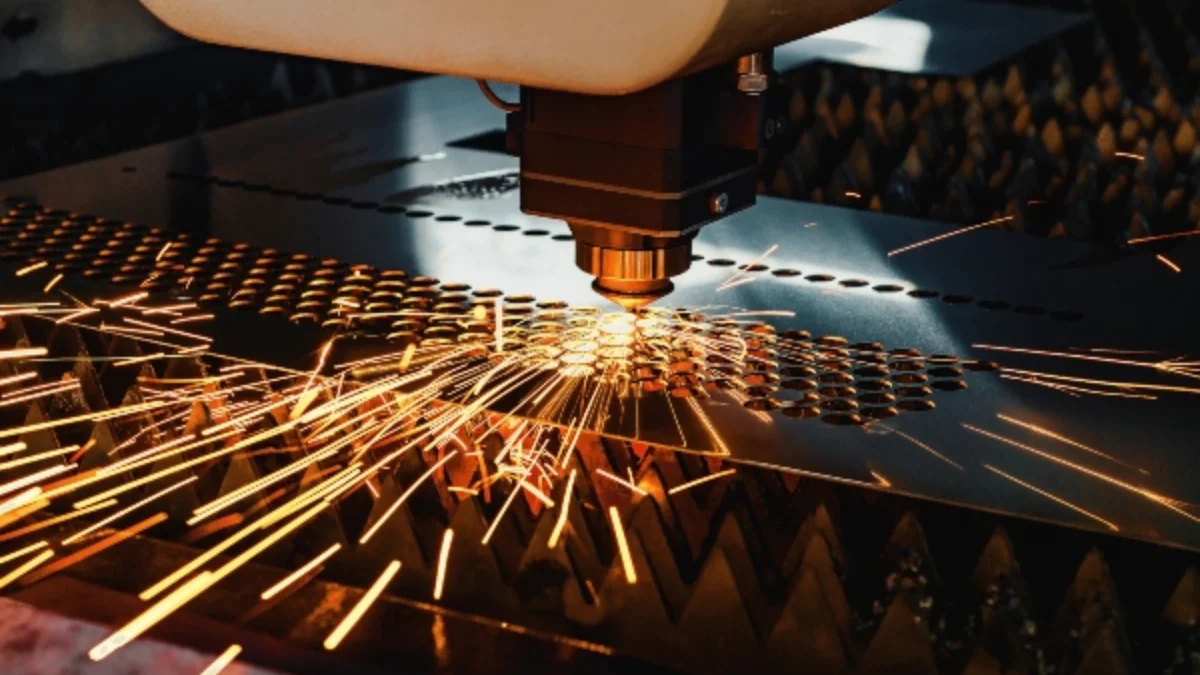
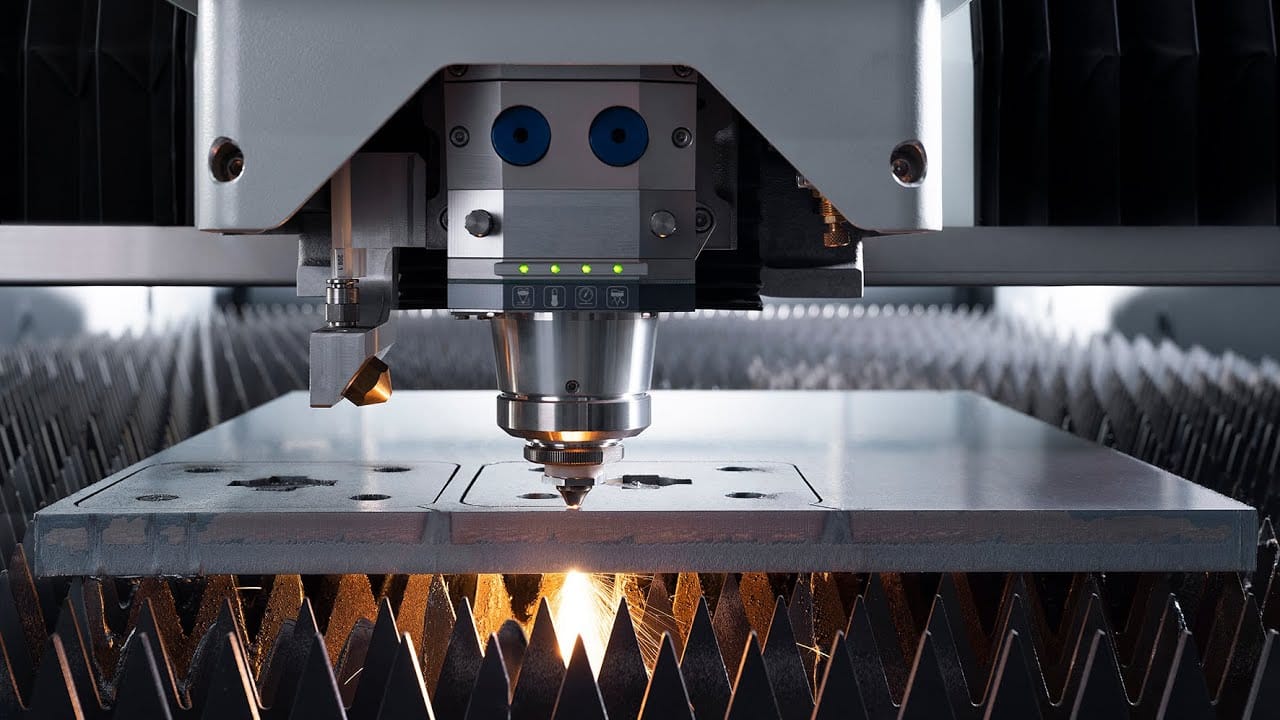
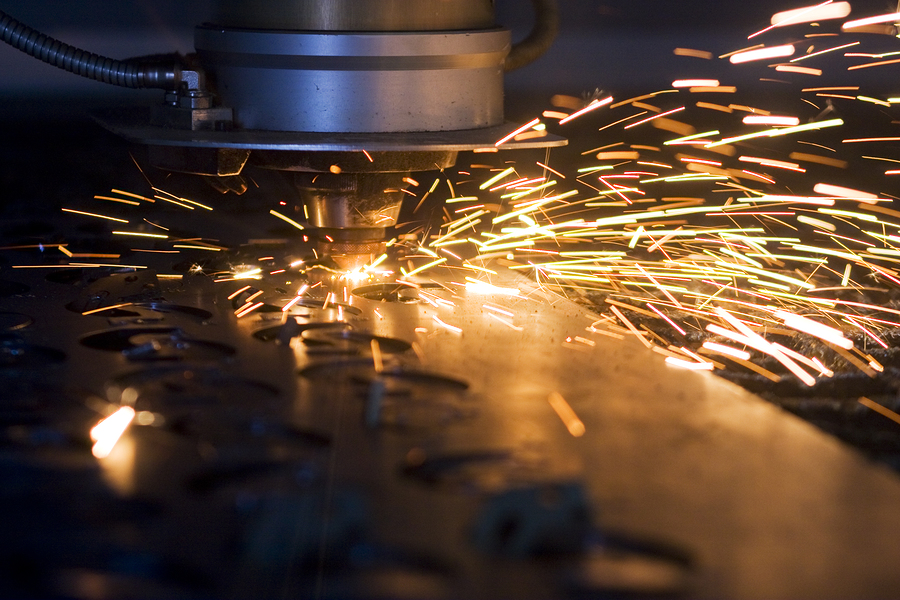
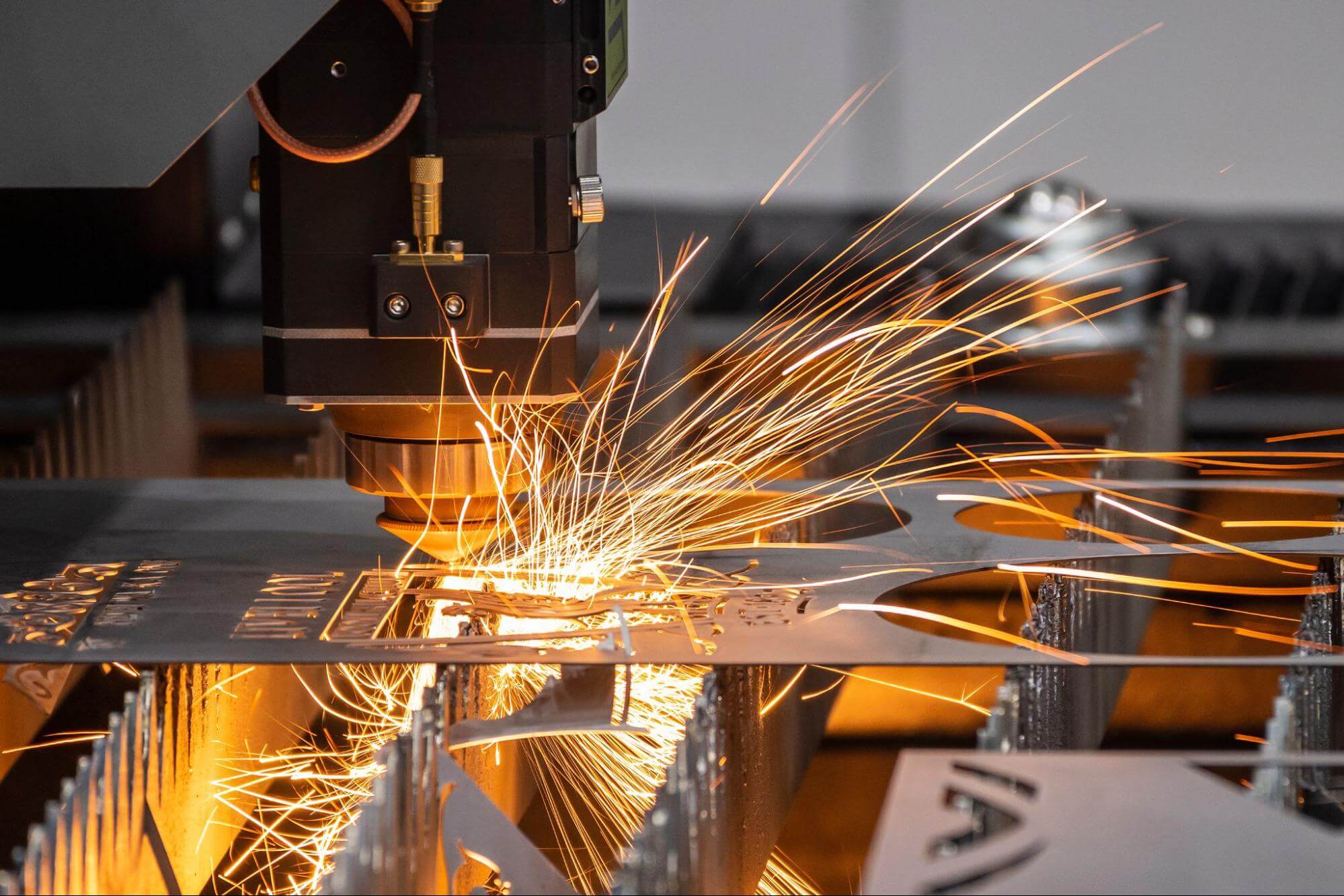
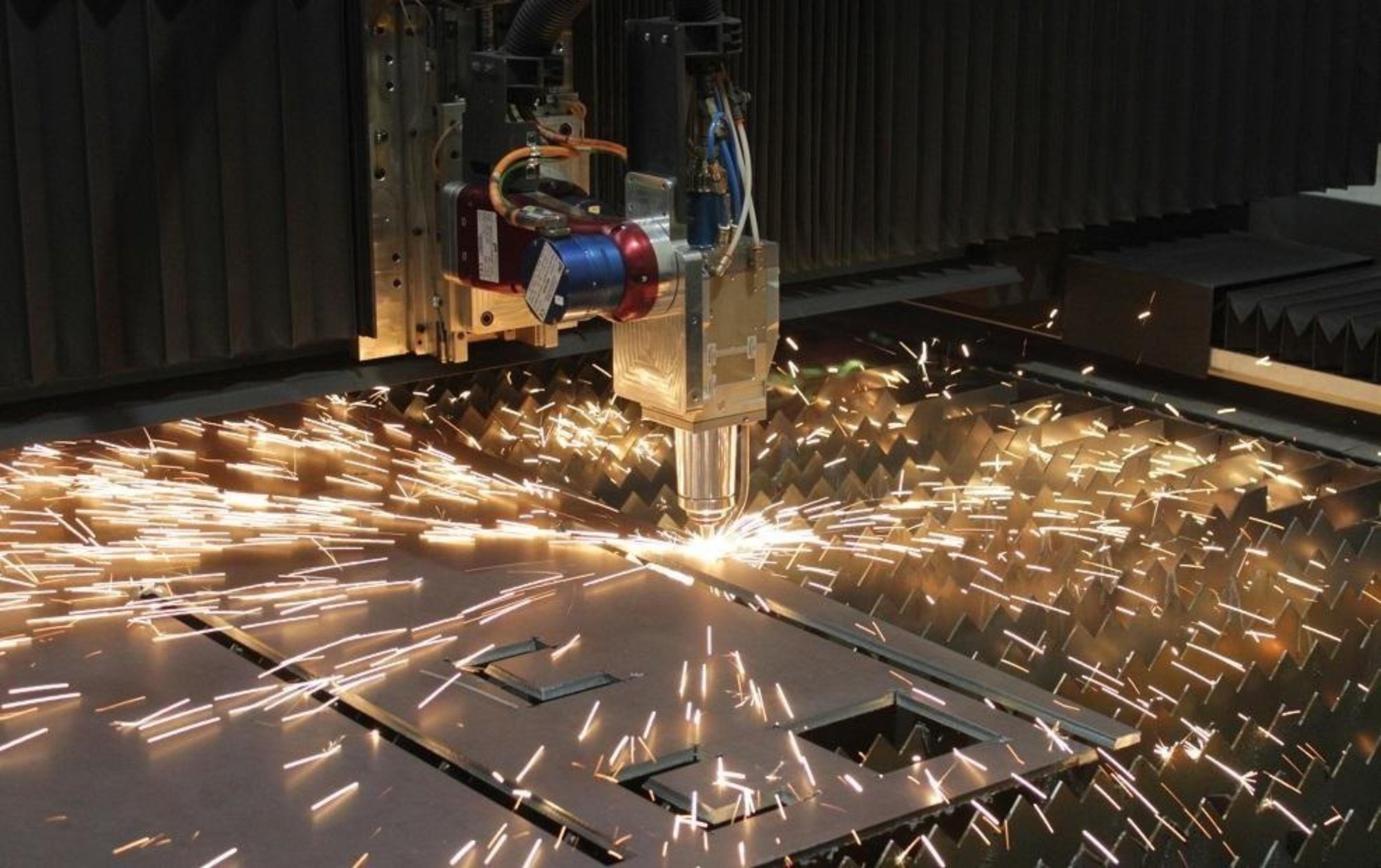
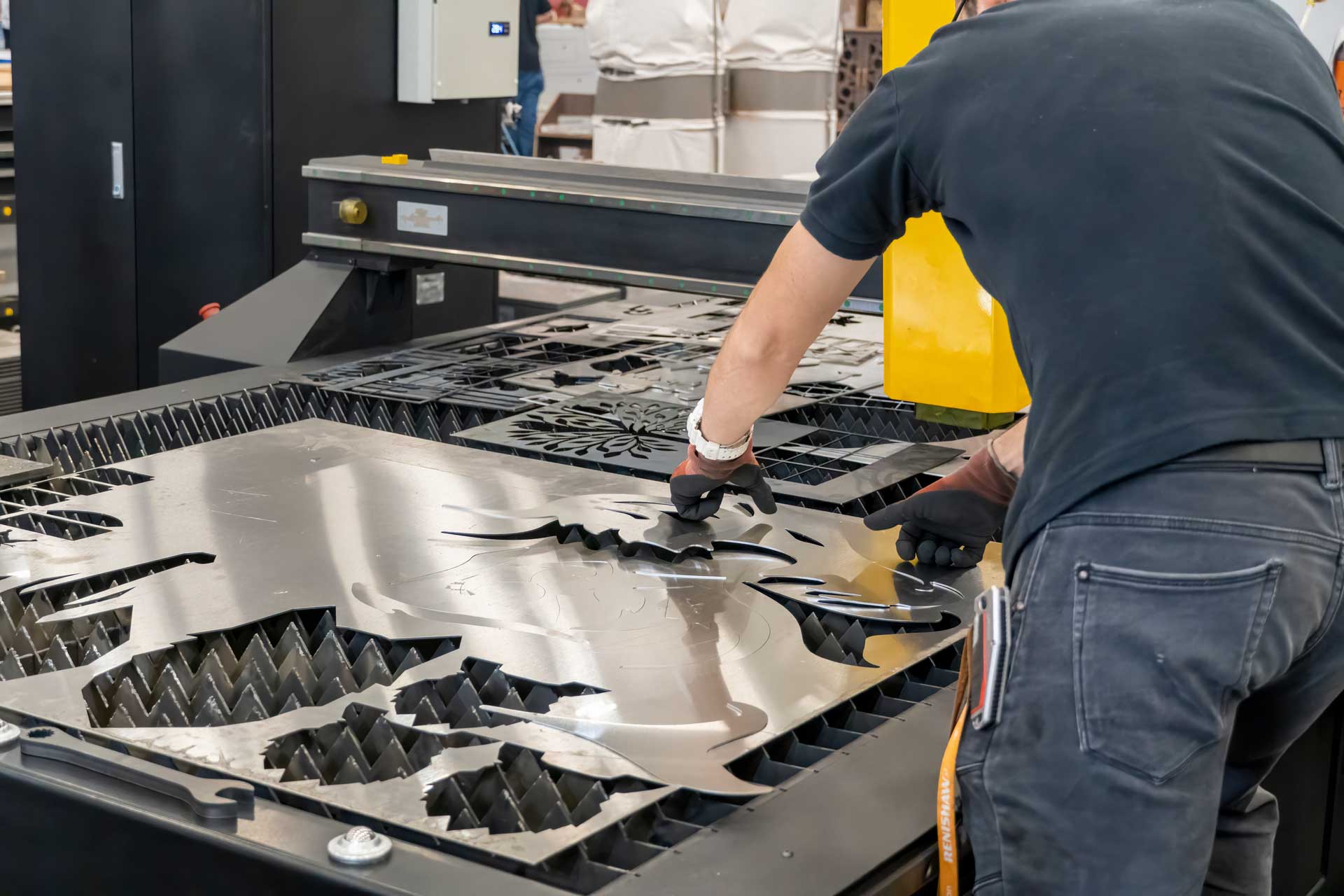
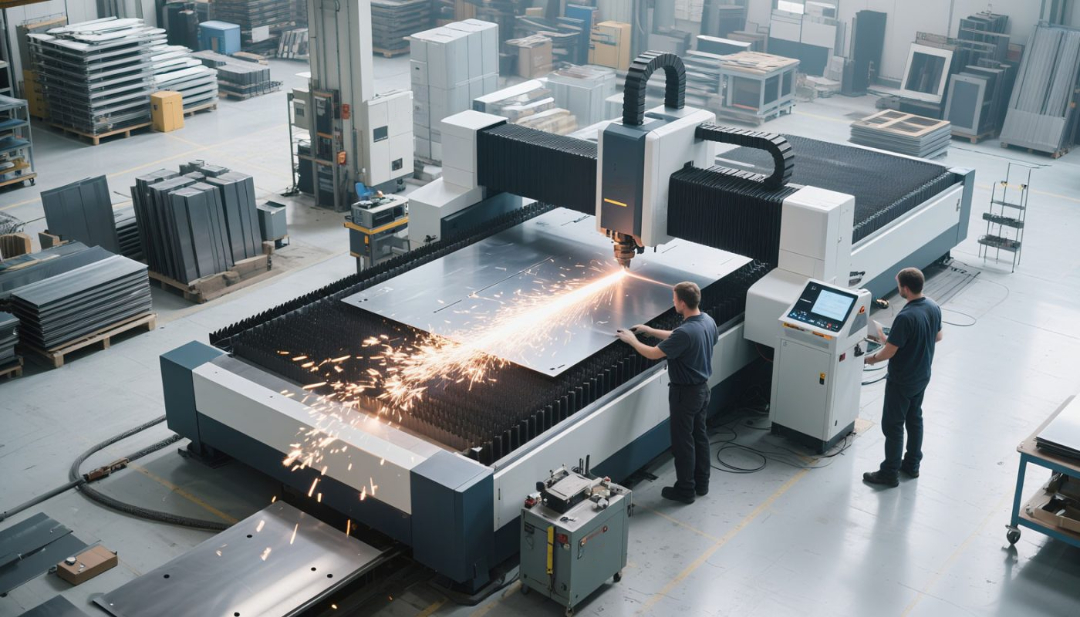
- CNC laser cutting machines for ultra-precise metal cutting
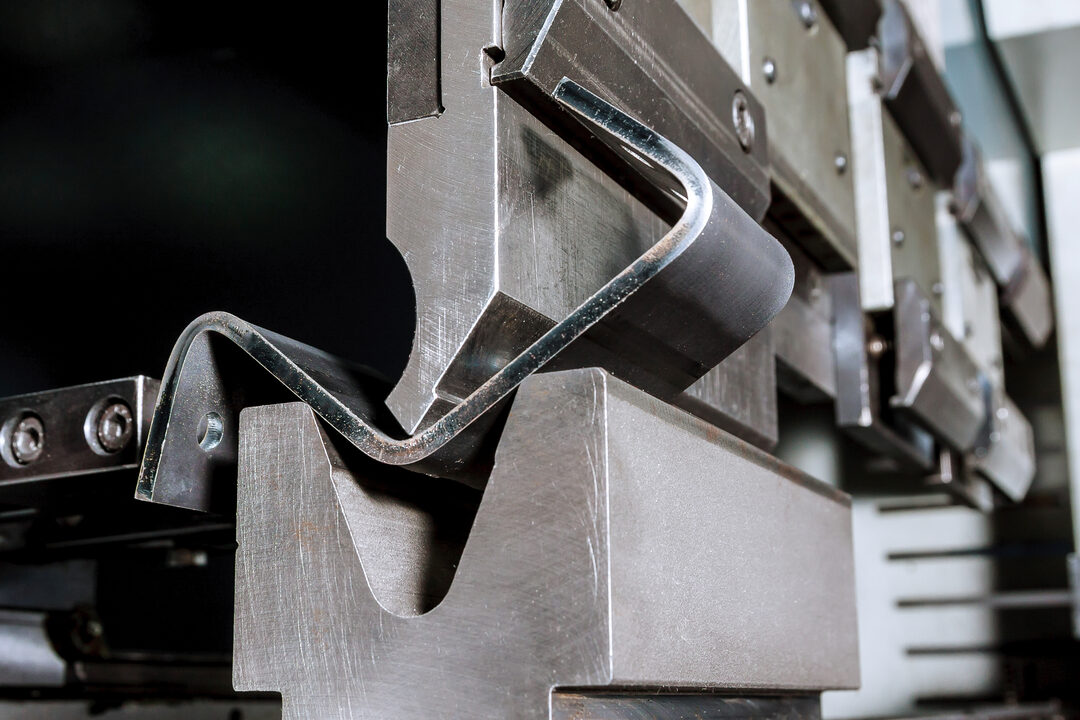
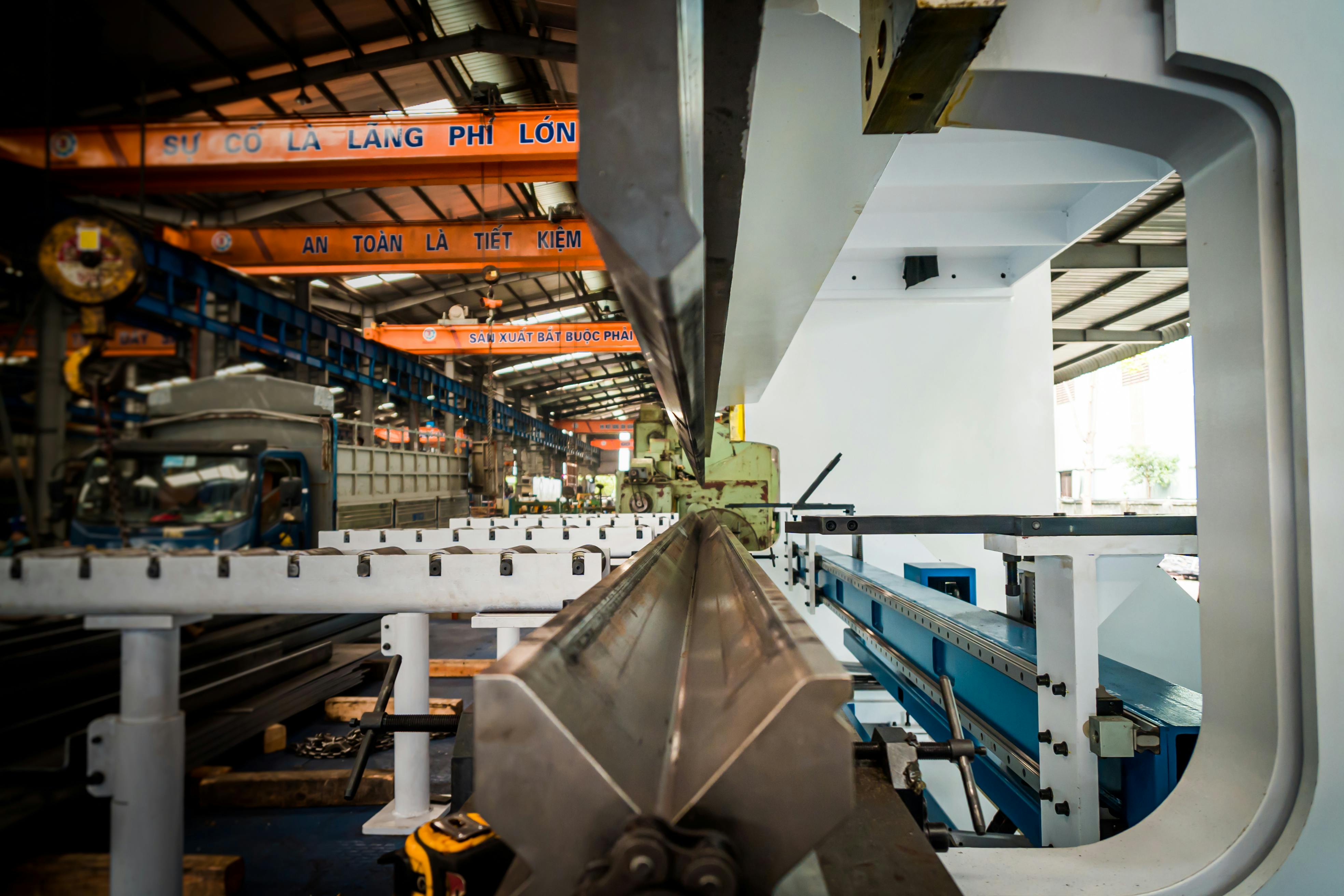
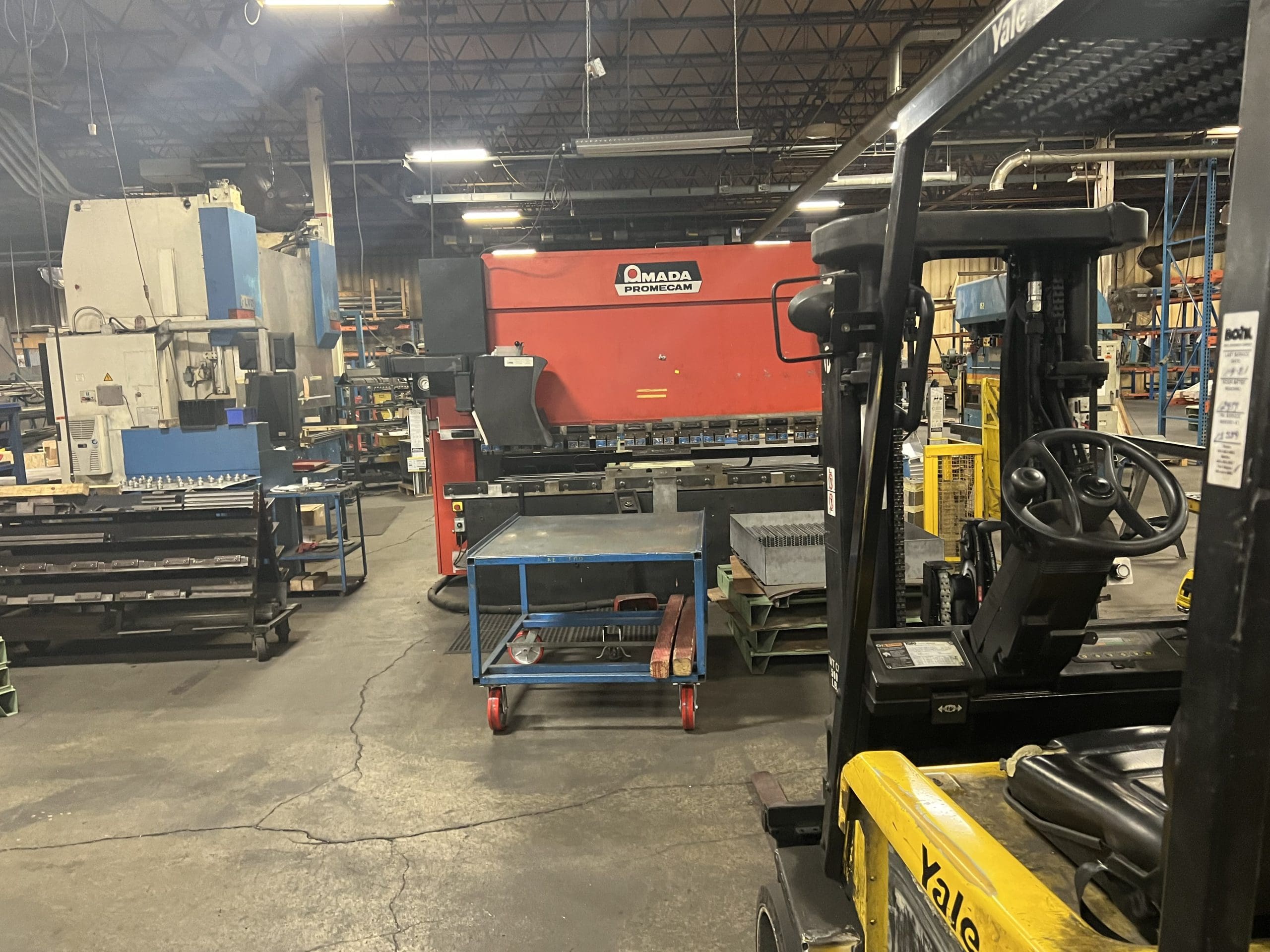
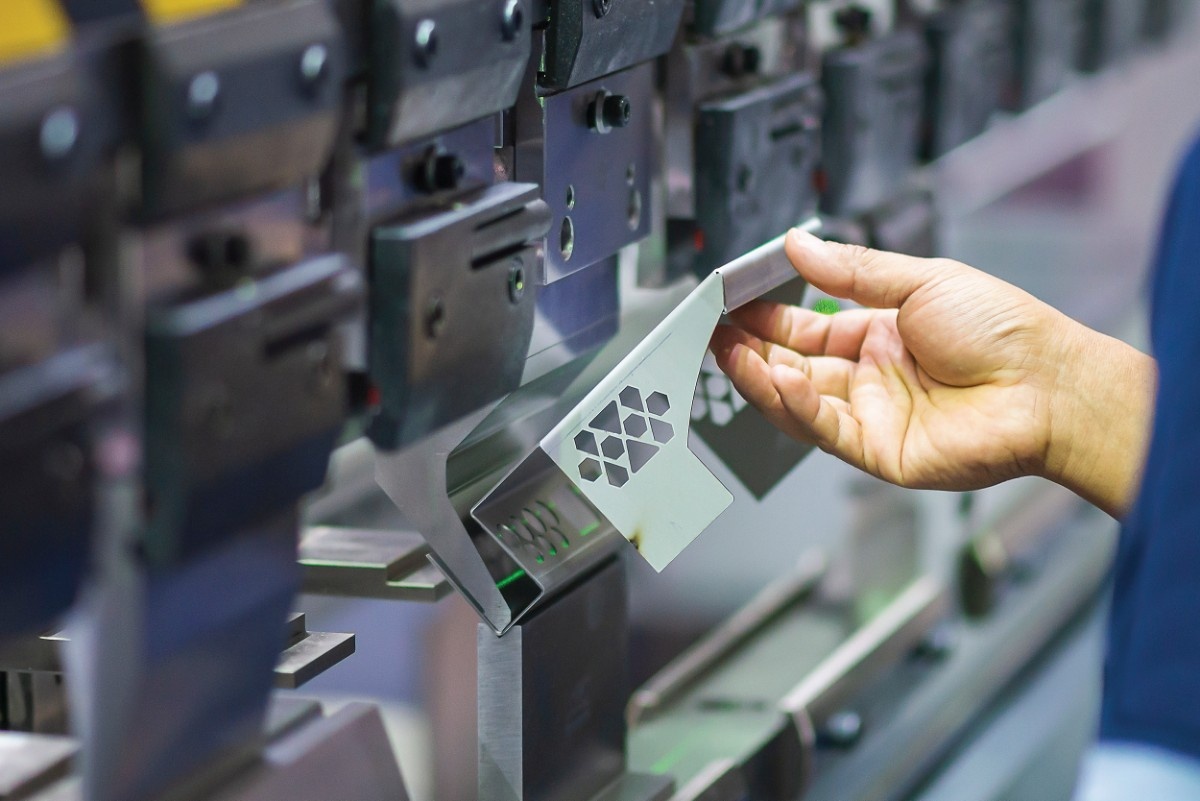
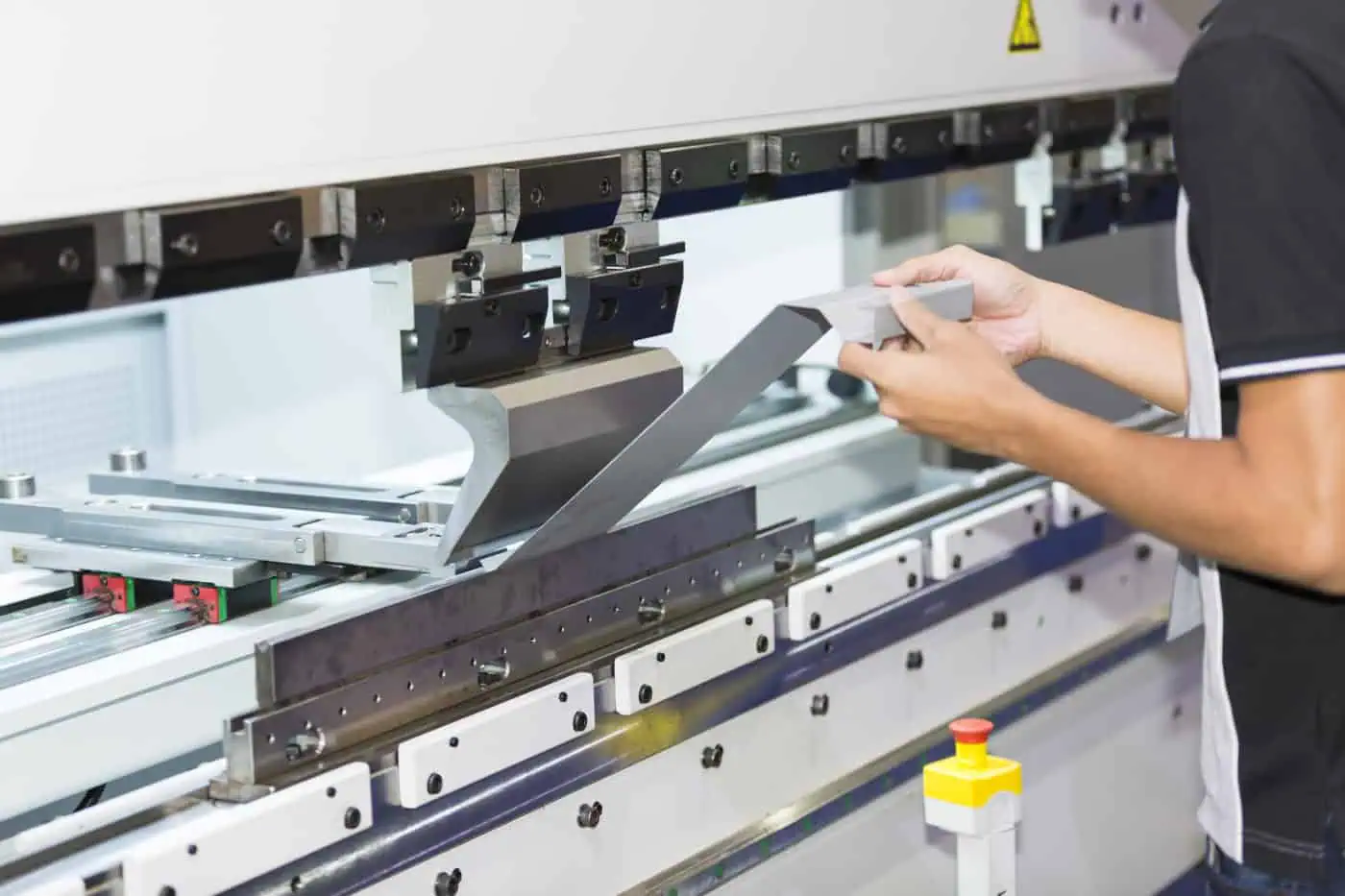
- Press brakes and hydraulic bending systems for complex shapes
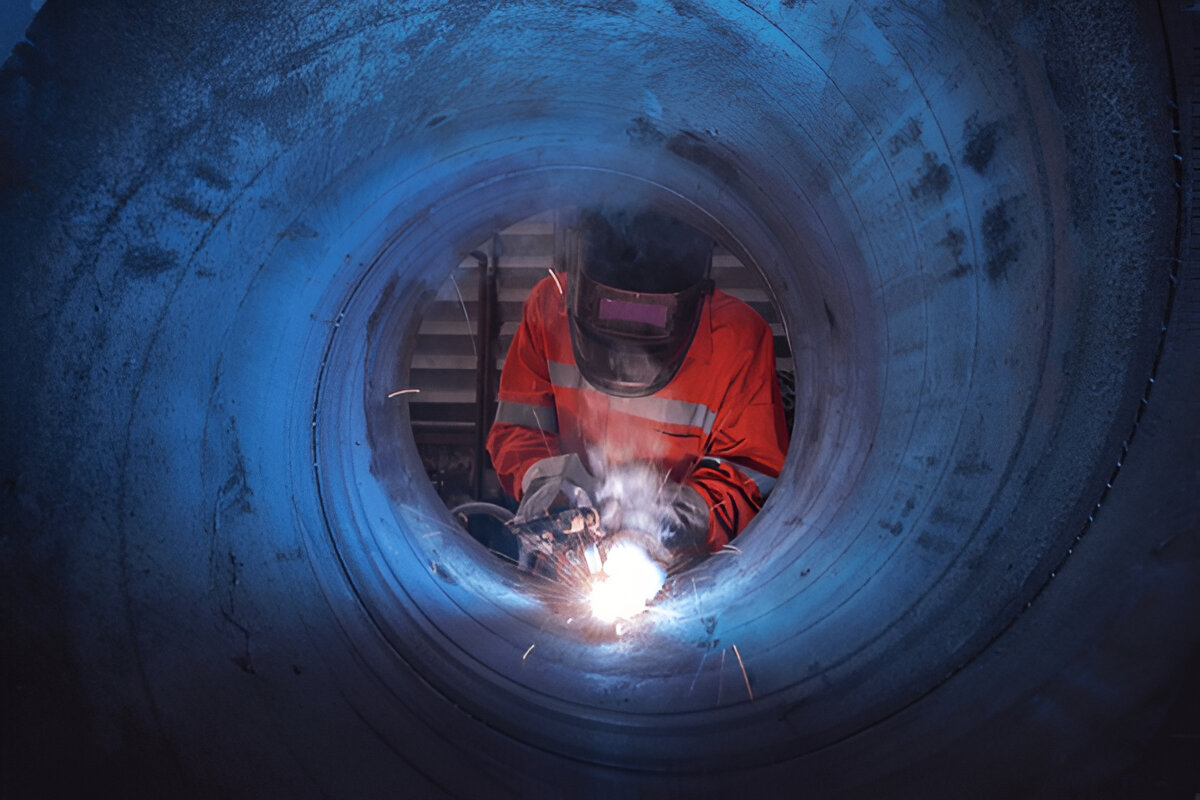
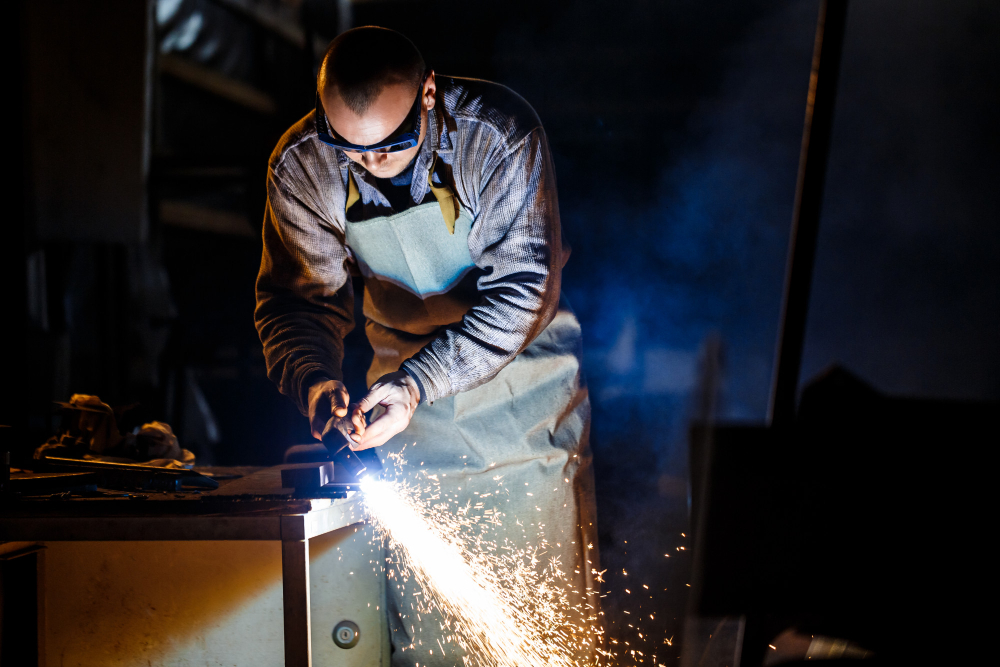
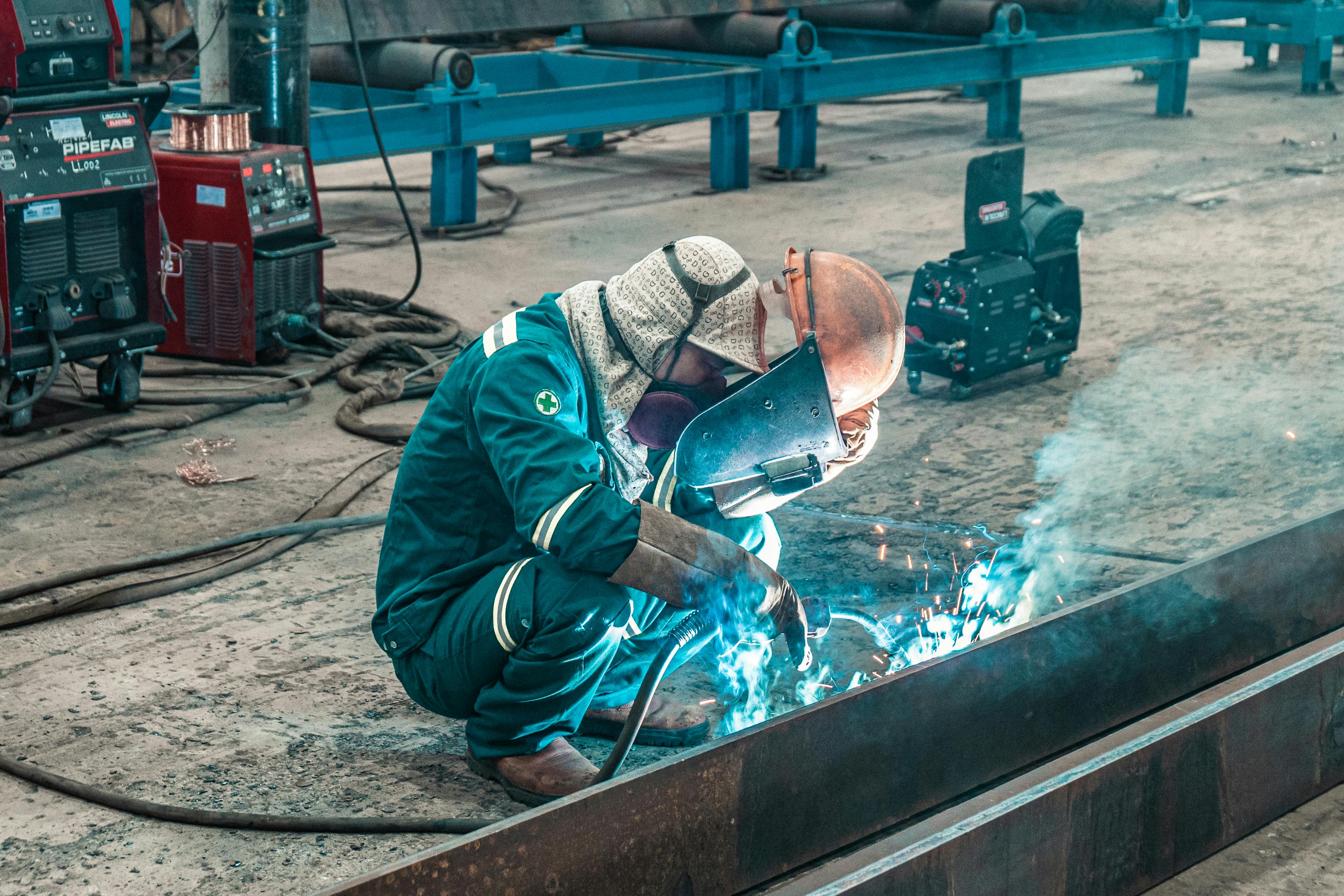
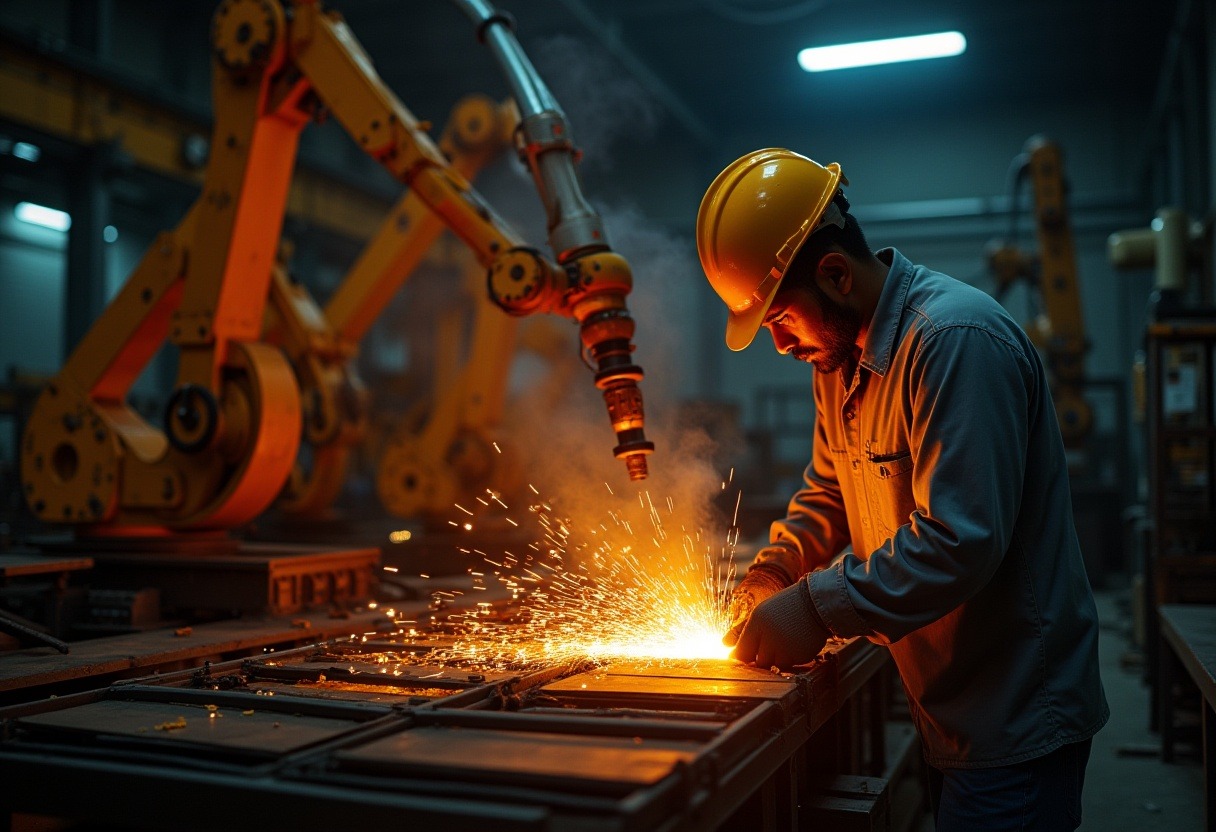
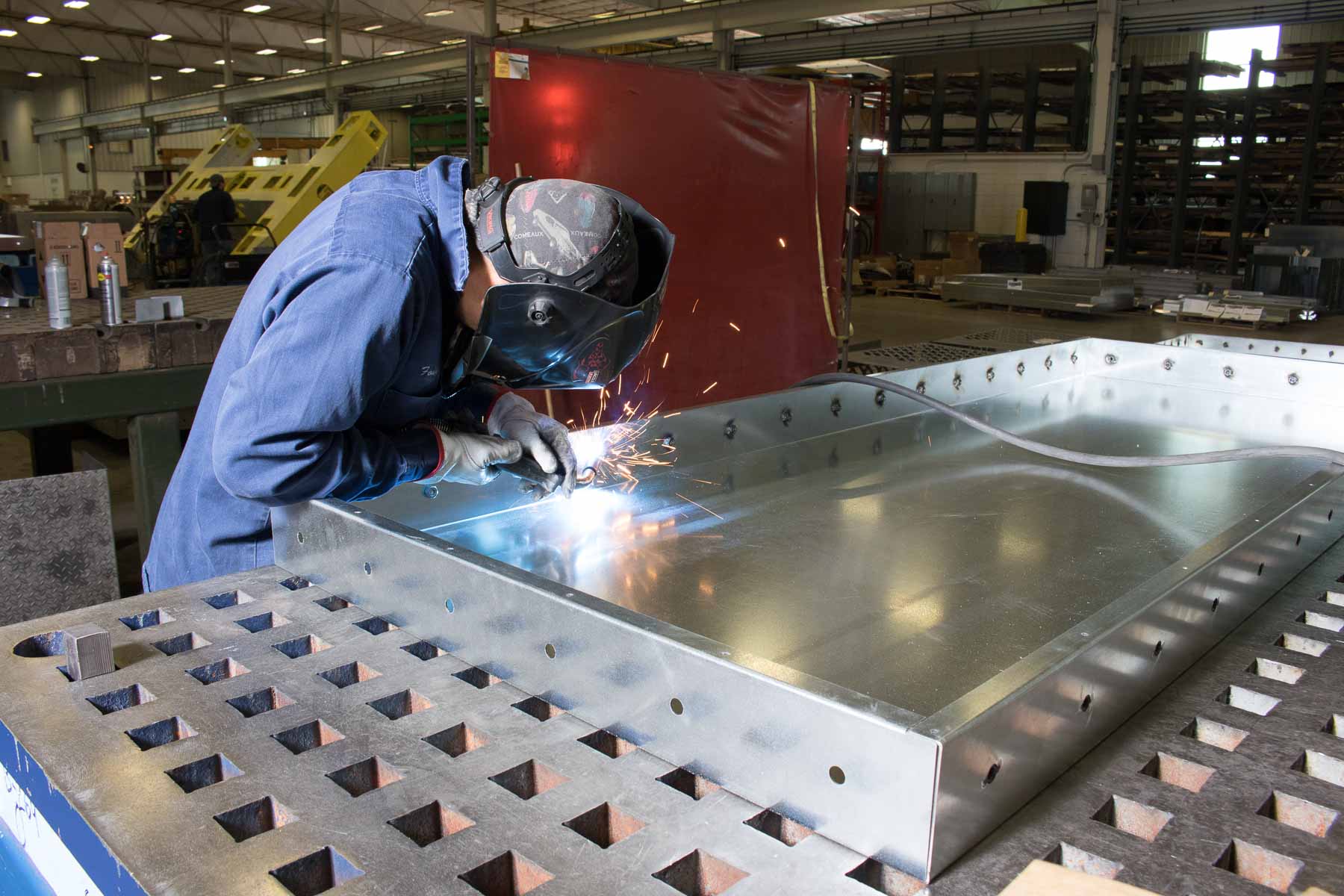
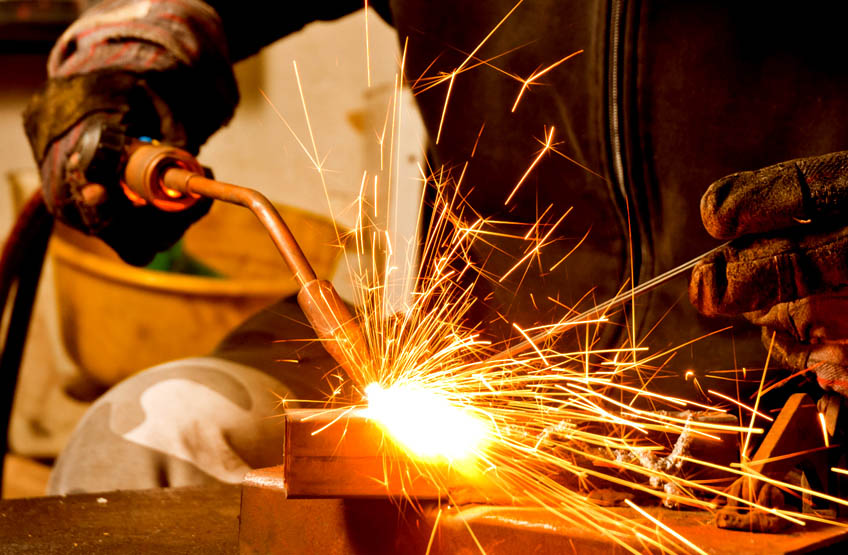
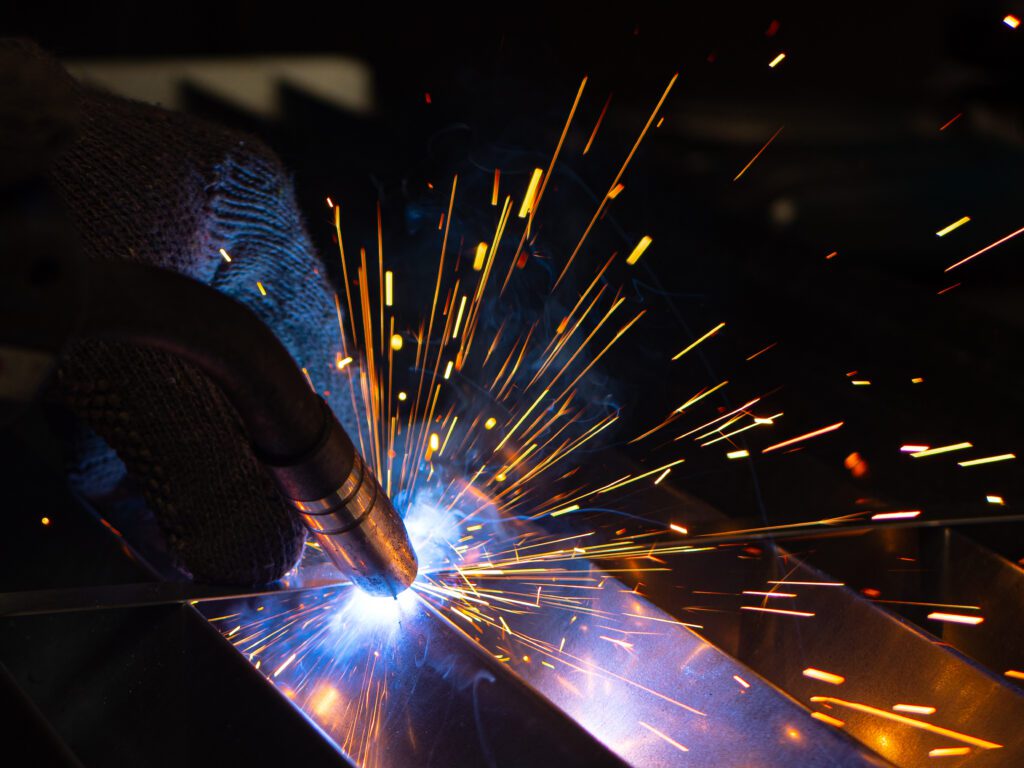
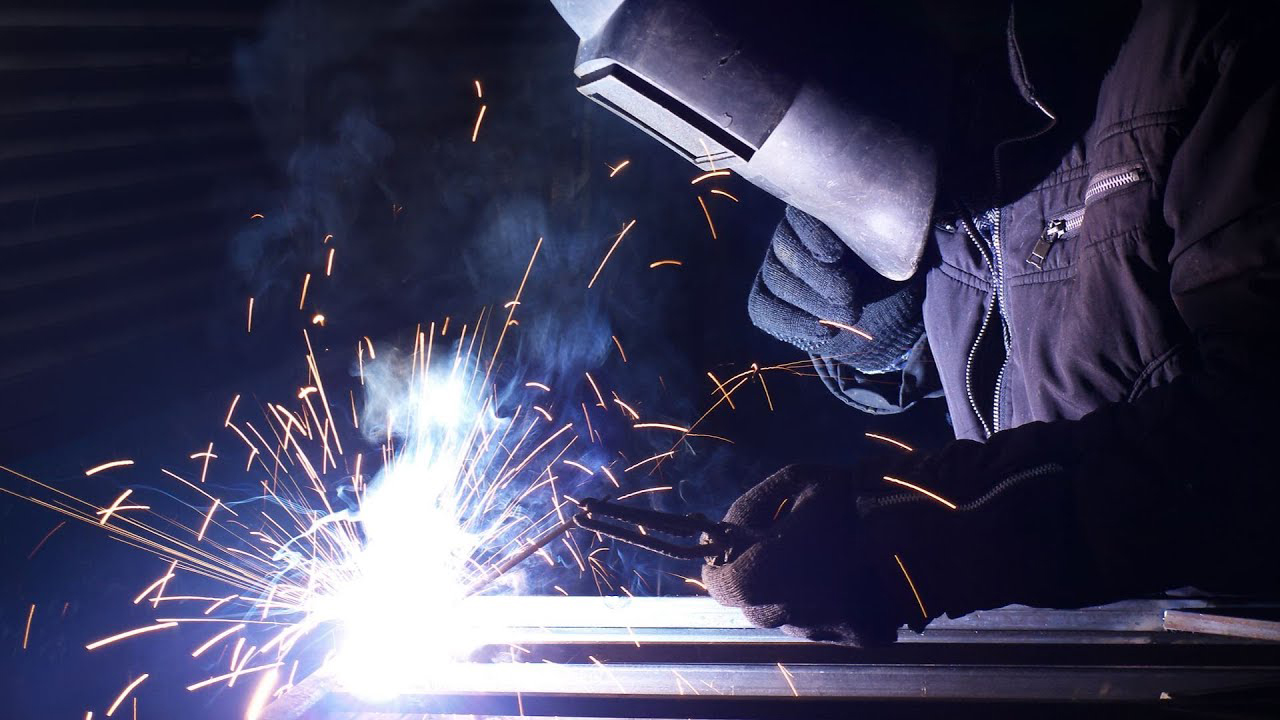
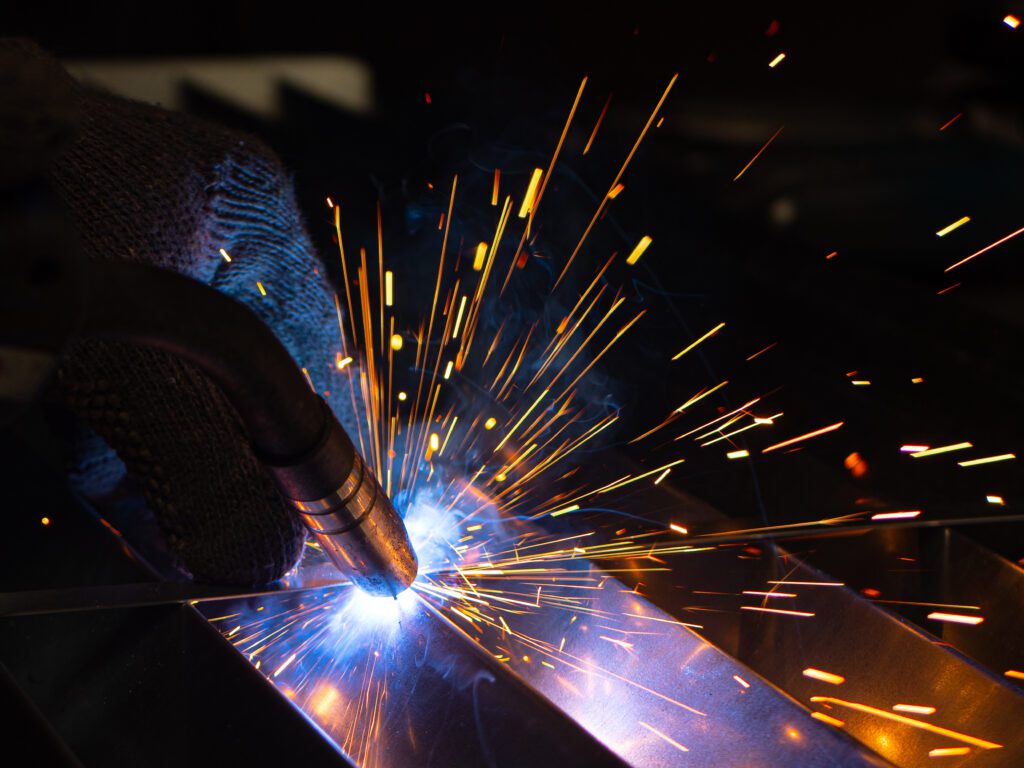
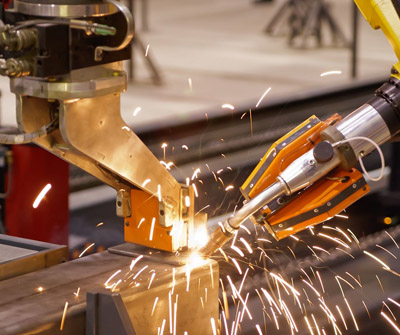
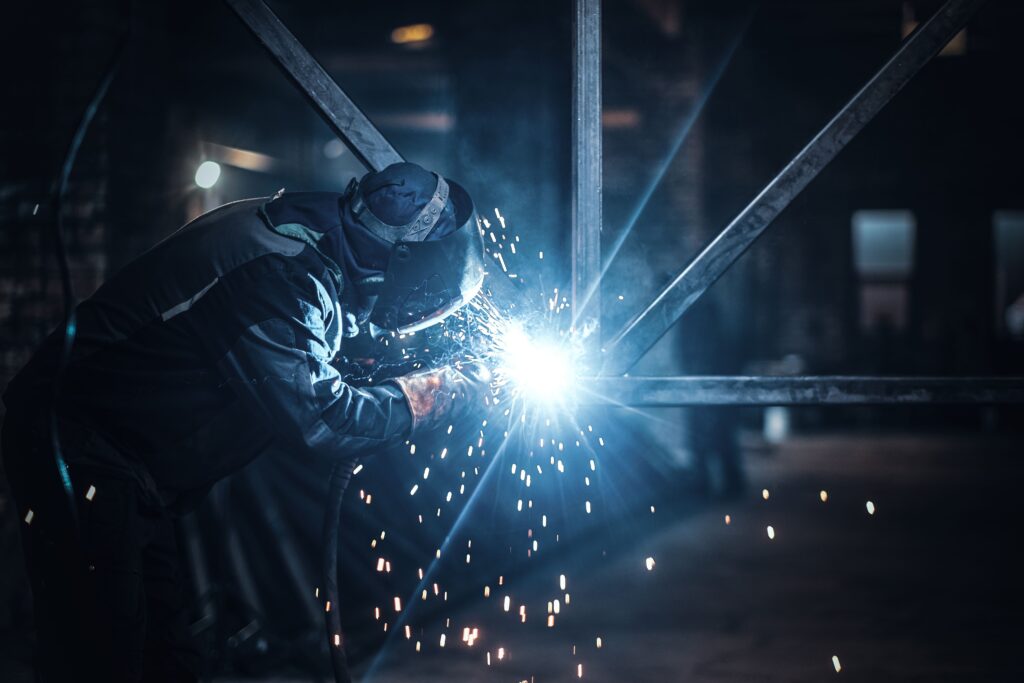
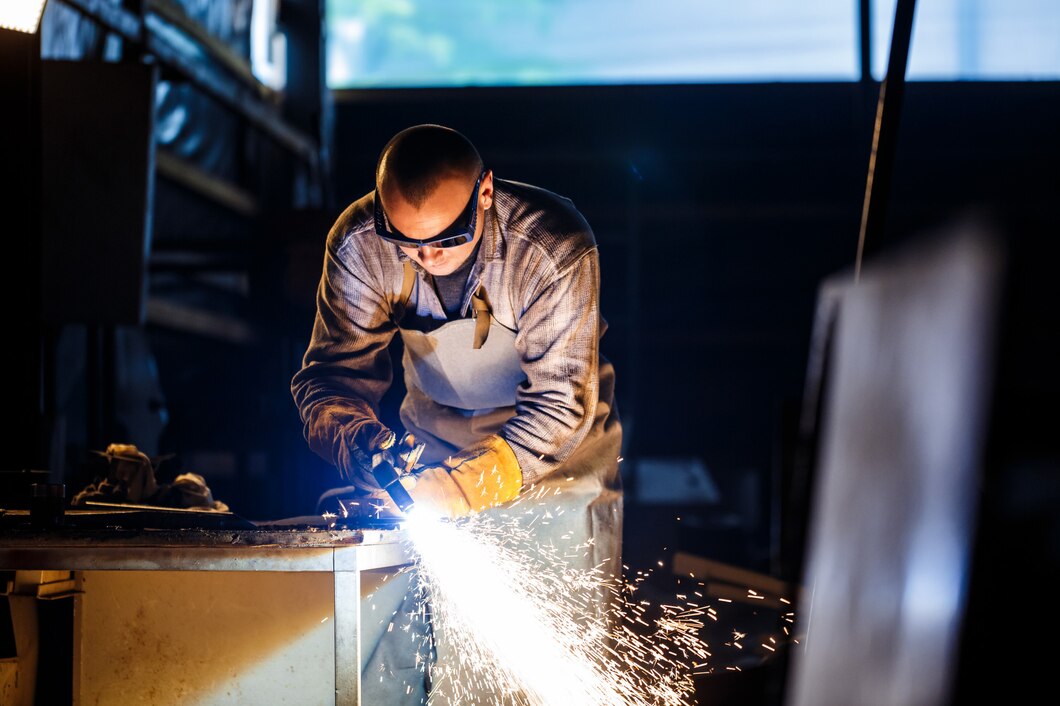
- Robotic welding stations for uniform, high-strength joints
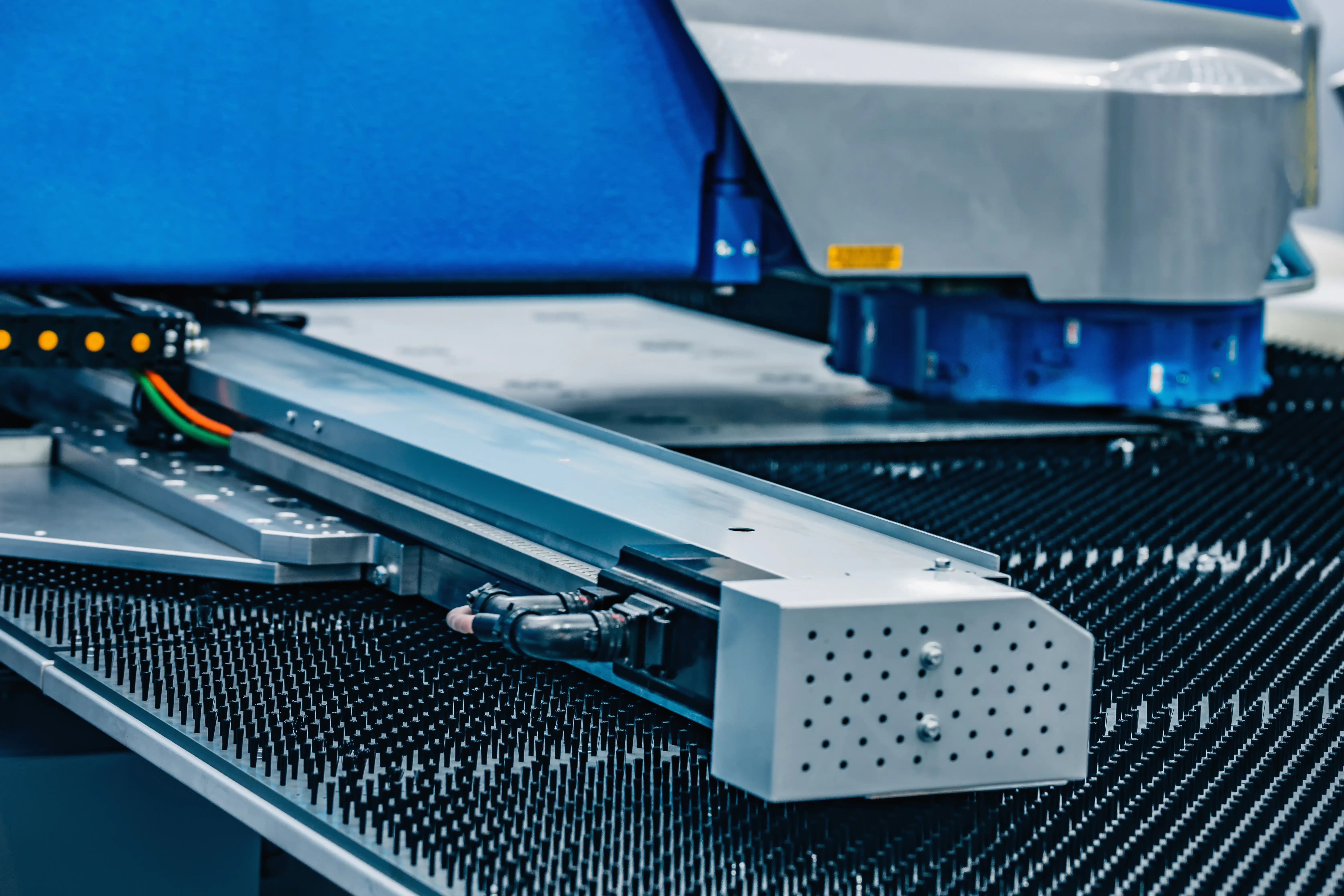
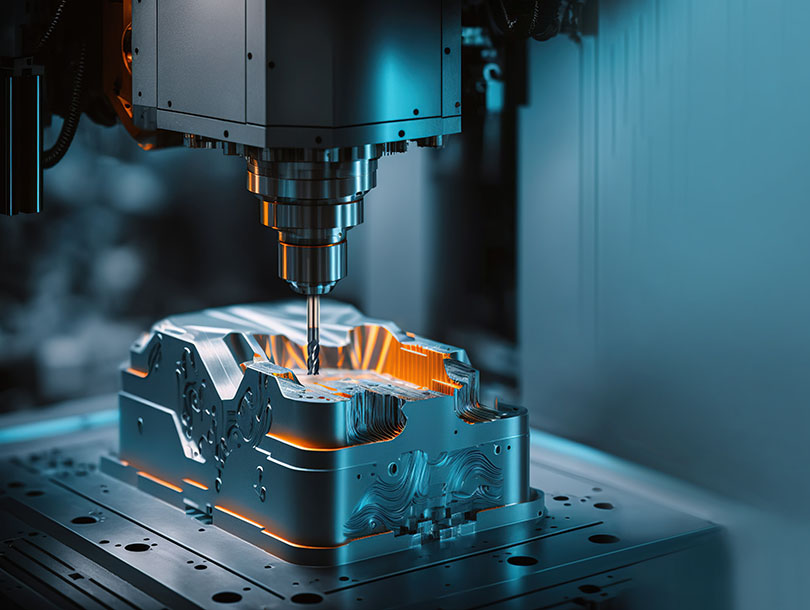
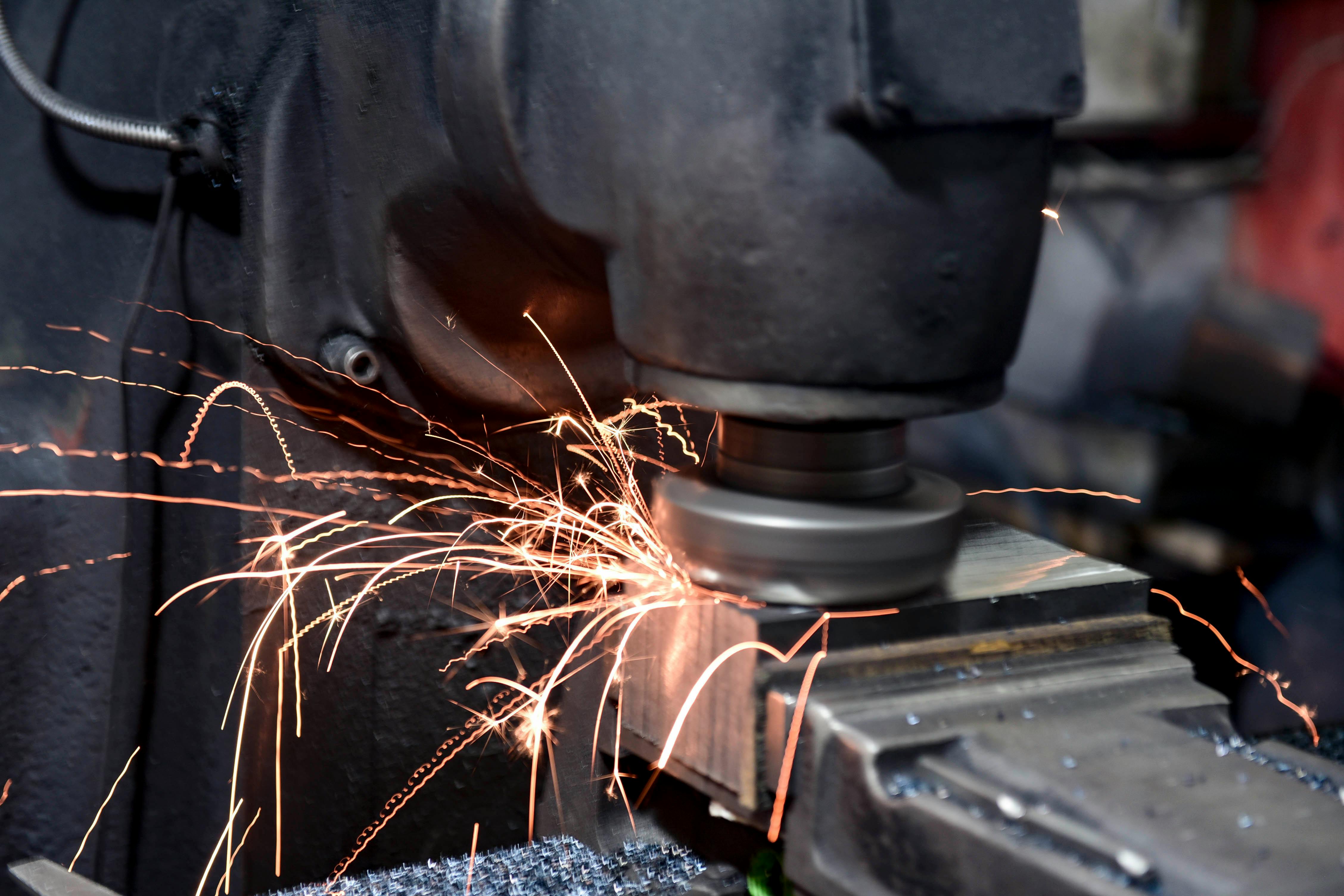
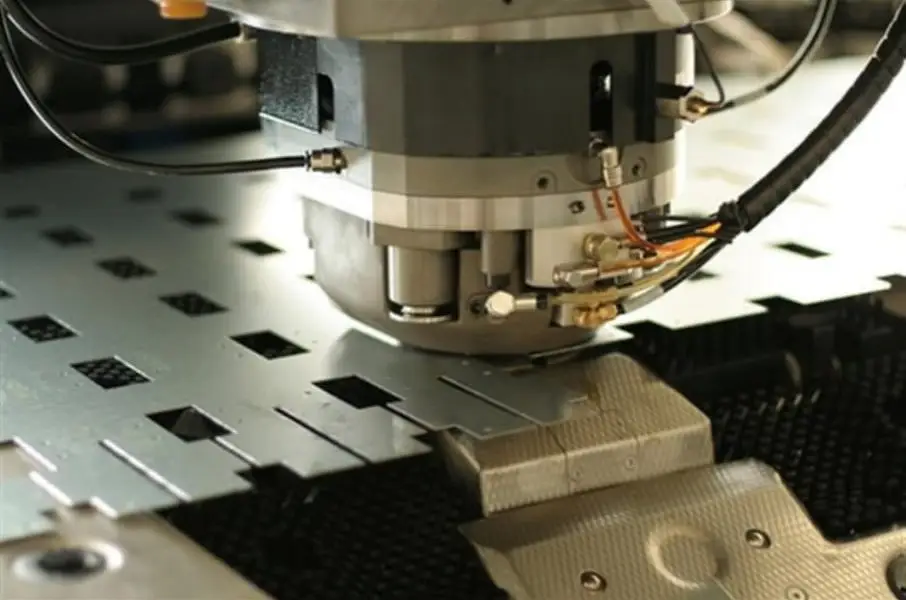
- CNC punching and forming machines for mass production
- Powder coating and surface finishing lines for durable, aesthetic results
Alongside these, computer-aided design (CAD) and computer-aided manufacturing (CAM) tools allow engineers to move seamlessly from digital models to physical products with minimal errors and wastage.
This blend of technology and talent ensures that Bangalore’s fabricators can handle projects that demand exceptional precision — such as aerospace components, medical equipment, and EV parts.
4. A Skilled Workforce That Drives Excellence
Bangalore’s greatest strength lies in its skilled and adaptable workforce. The city produces thousands of engineers, technicians, and machinists every year from institutions like RV College of Engineering, PES University, and NTTF (Nettur Technical Training Foundation).
These professionals bring expertise in:
- Mechanical design and fabrication
- CAD/CAM software
- CNC machine operation
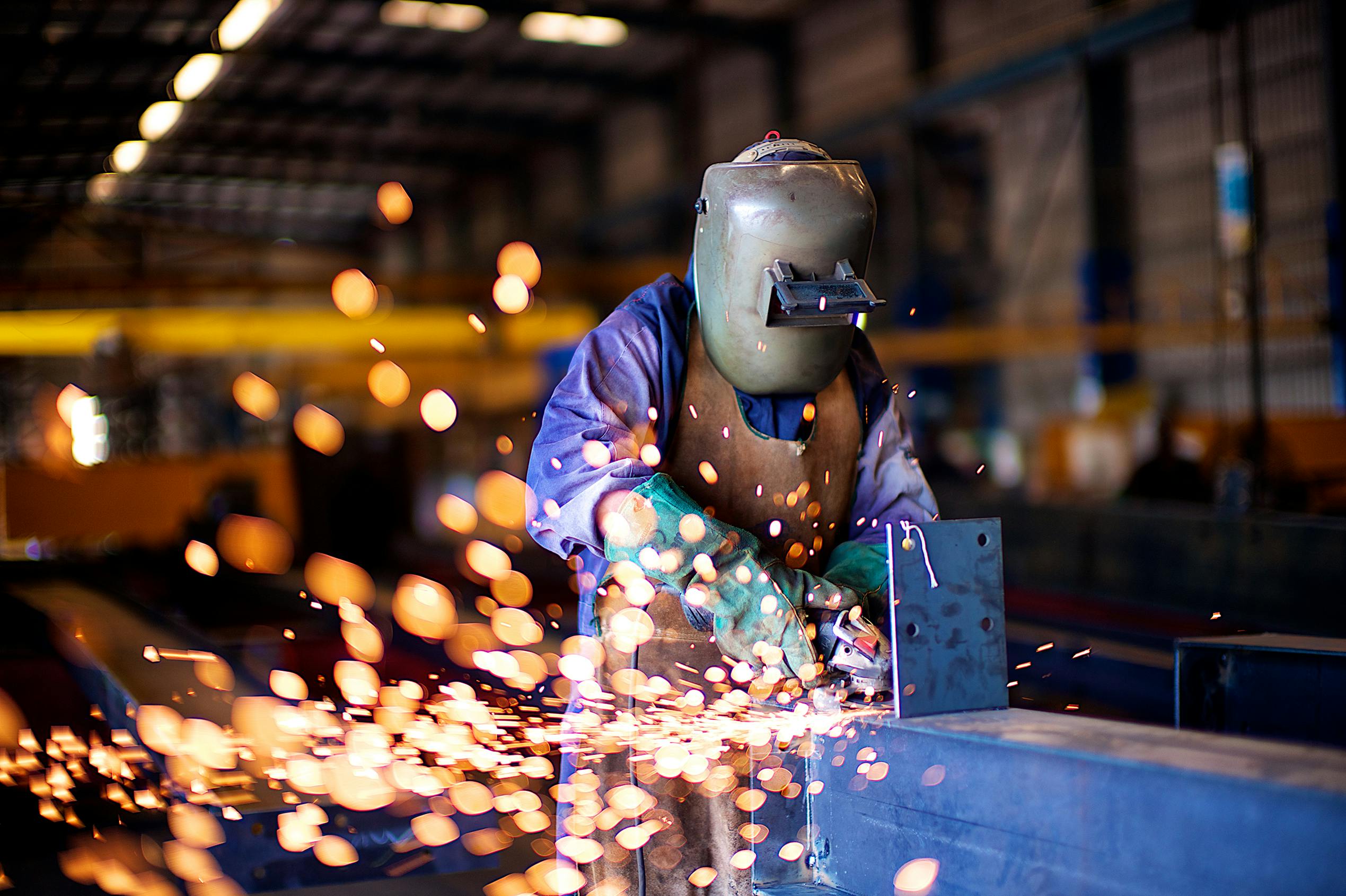
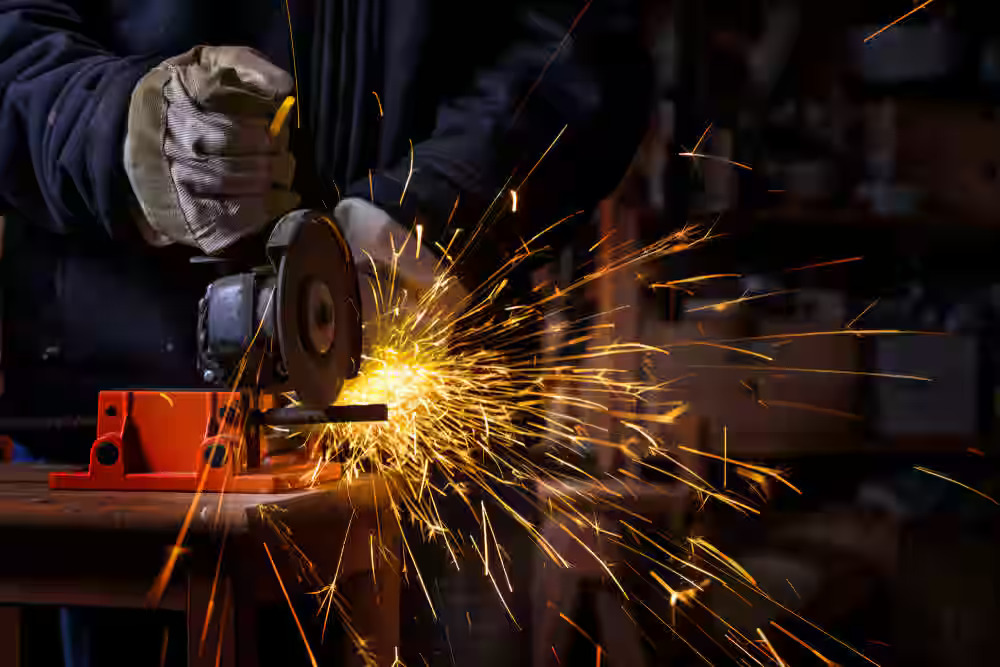
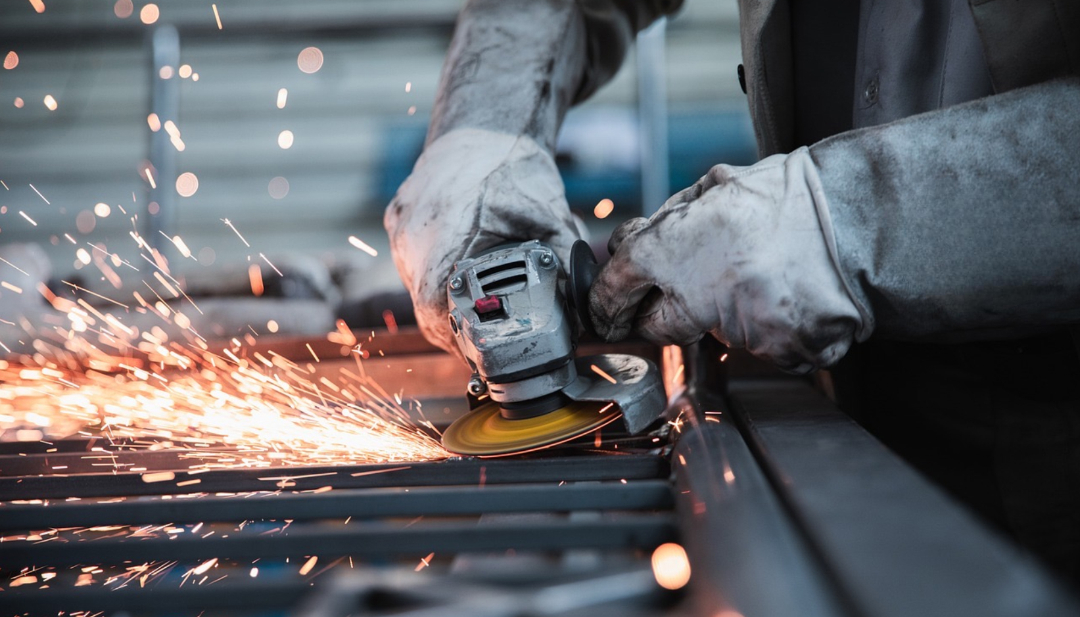
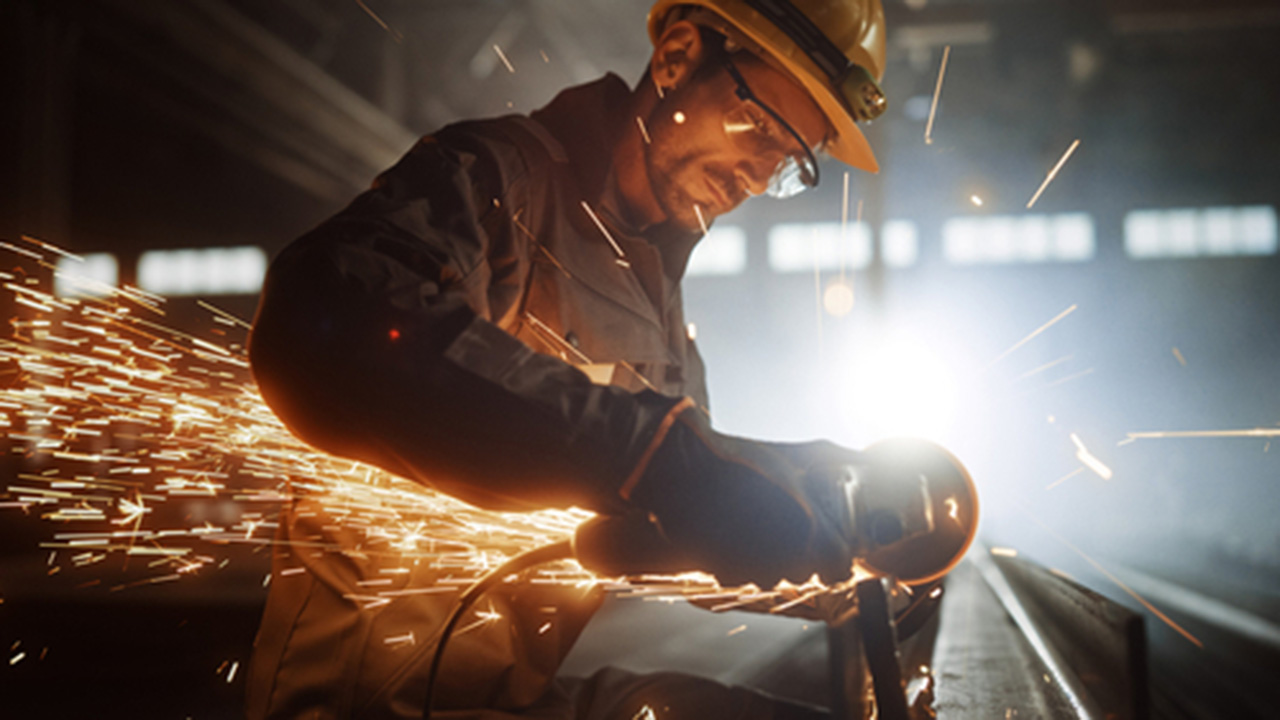
- Welding and finishing techniques
Moreover, many fabrication firms conduct in-house training to keep their teams updated on Industry 4.0 practices, automation, and sustainability. This skilled human capital forms the foundation for the precision and reliability that clients expect from Bangalore-based manufacturers.
5. Serving Diverse Industries — From Aerospace to EVs
The versatility of Bangalore’s fabrication sector is one of its strongest assets. Sheet metal fabrication here supports a wide array of industries, each with unique requirements:
- Aerospace and Defense: High-strength alloys, tight tolerances, and certified processes.
- Automotive and EVs: Lightweight, corrosion-resistant parts for better efficiency.
- Electronics and Telecom: Custom racks, cabinets, and enclosures for data centers and communication systems.
- Renewable Energy: Solar panel mounting structures and wind energy components.
- Architecture and Infrastructure: Decorative panels, railings, and support structures.
This diversity not only spreads risk across sectors but also fosters innovation through cross-industry collaboration. A solution developed for aerospace may find applications in EVs or robotics — a synergy that keeps the ecosystem dynamic and future-ready.
6. The Role of Government and Policy Support
Bangalore’s rise as a fabrication hub has also been encouraged by favorable government initiatives. Programs like “Make in India” and “Atmanirbhar Bharat” have boosted domestic manufacturing, encouraging companies to source components locally rather than import them.
Karnataka’s industrial policies have also created specialized zones for manufacturing, improved logistics infrastructure, and simplified compliance processes for small and medium enterprises (SMEs).
Additionally, with India’s focus on defense indigenization, renewable energy, and EV adoption, the demand for fabricated metal components is only expected to rise — placing Bangalore at the forefront of this transformation.
7. Sustainability and Smart Manufacturing
The global shift toward sustainable manufacturing hasn’t skipped Bangalore. Fabricators are adopting eco-friendly practices, such as:
- Recycling and reusing metal scrap
- Using energy-efficient CNC machines
- Implementing powder coating instead of solvent-based paints
- Installing solar panels to power their facilities
Moreover, many companies are embracing Industry 4.0 technologies — integrating IoT, robotics, and real-time data analytics to optimize production and reduce waste. These practices not only enhance efficiency but also align with global standards of environmental responsibility.
8. Competitive Advantage: Quality Meets Cost Efficiency
Another reason why Bangalore’s sheet metal fabrication sector is thriving is its ability to deliver world-class quality at competitive costs.
Due to the city’s dense industrial network, fabricators can easily source raw materials, machine parts, and finishing services locally — reducing transportation and overhead expenses. Combined with a skilled workforce and automation, this allows companies to offer fast turnaround times and cost-effective production, without compromising quality.
Many fabricators hold ISO 9001 certifications, ensuring strict quality control, inspection, and testing procedures for every project. This makes Bangalore an attractive destination not just for Indian clients, but also for international companies seeking reliable fabrication partners.
9. The Road Ahead: Opportunities and Challenges
As Bangalore continues to grow industrially, the sheet metal fabrication sector faces both opportunities and challenges.
Opportunities include:
- Rising demand from EV manufacturers and renewable energy firms
- Export potential for high-precision fabricated components
- Increased collaboration between startups and traditional fabricators for prototyping
Challenges involve:
- Managing raw material price volatility
- Retaining skilled labor in a competitive job market
- Keeping up with fast-evolving automation technologies
However, with continuous innovation, training, and policy support, the city is well-equipped to overcome these hurdles and strengthen its position as India’s fabrication capital.-min.jpg)
10. Conclusion: Shaping the Future of Industrial India
Bangalore’s journey from a technology-driven city to an engineering powerhouse is a testament to its adaptability and vision. Sheet metal fabrication — though often behind the scenes — plays a pivotal role in this transformation.
By combining precision, technology, and sustainability, Bangalore’s fabricators are not only meeting India’s industrial demands but also positioning the city as a global player in advanced manufacturing.
In many ways, sheet metal fabrication is quite literally forging the future — creating the components, structures, and innovations that will define India’s industrial success in the decades to come.