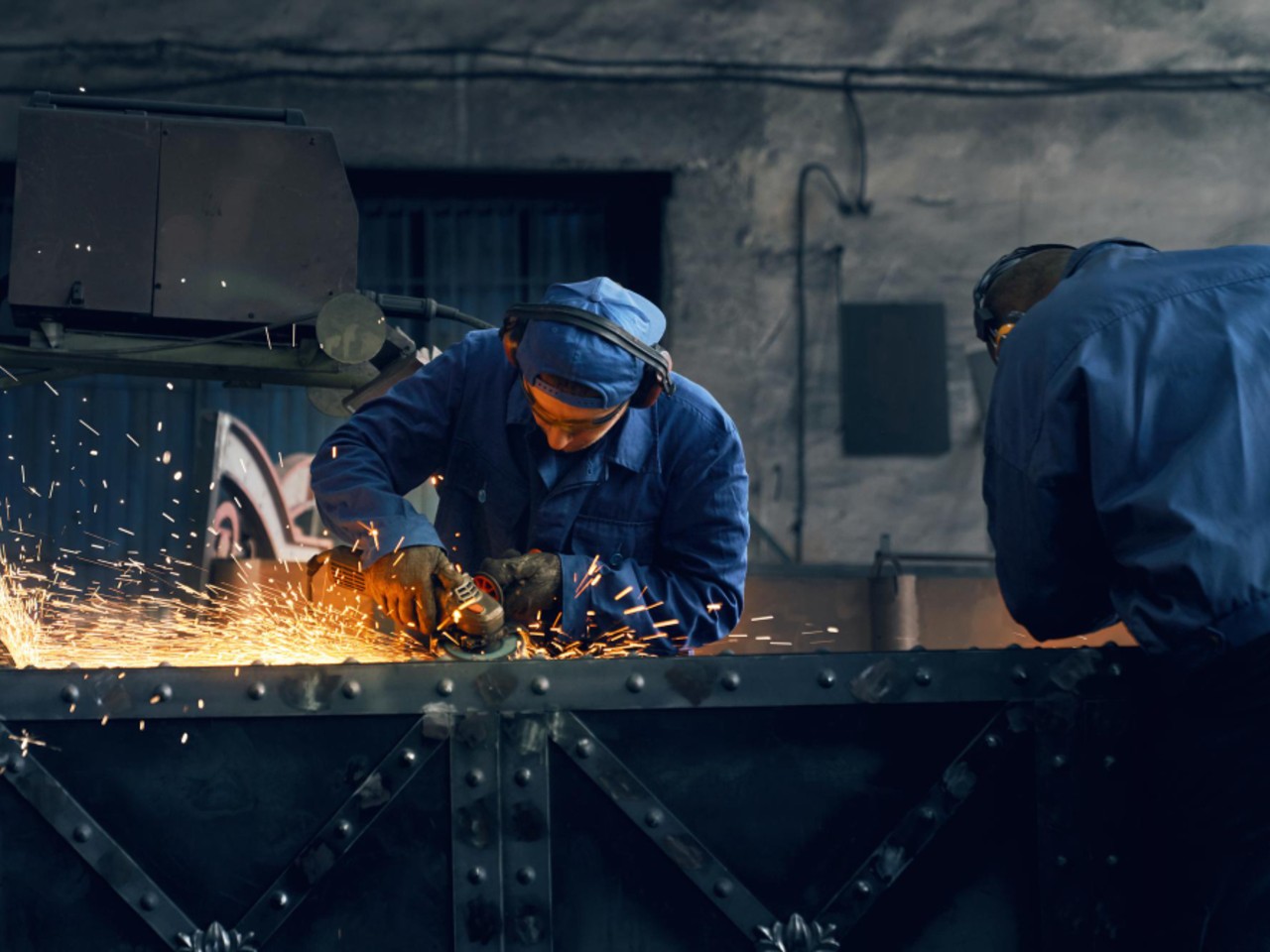
Sheet Metal Fabrication in Bangalore: An In-Depth Overview
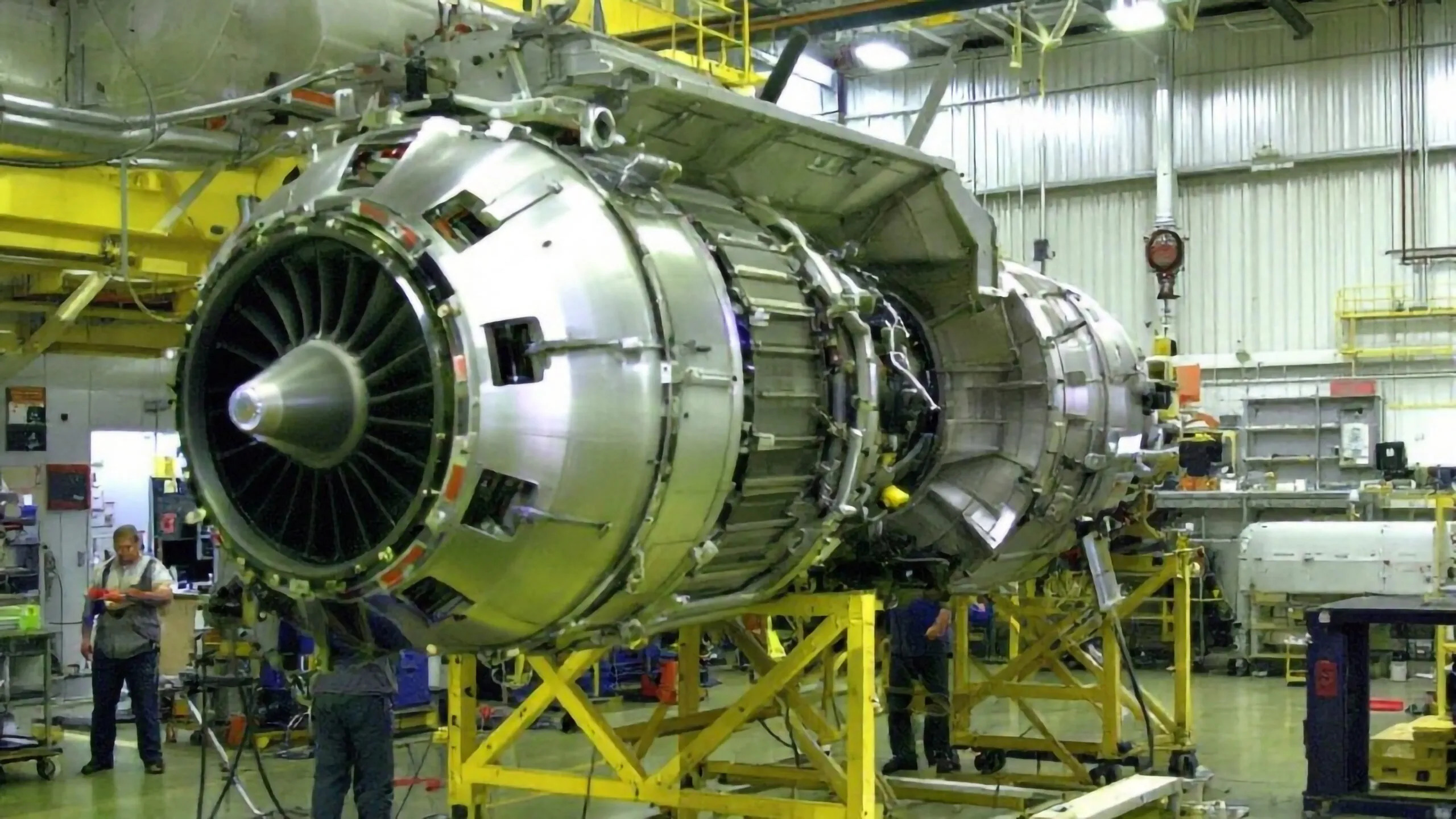
What is sheet metal fabrication?
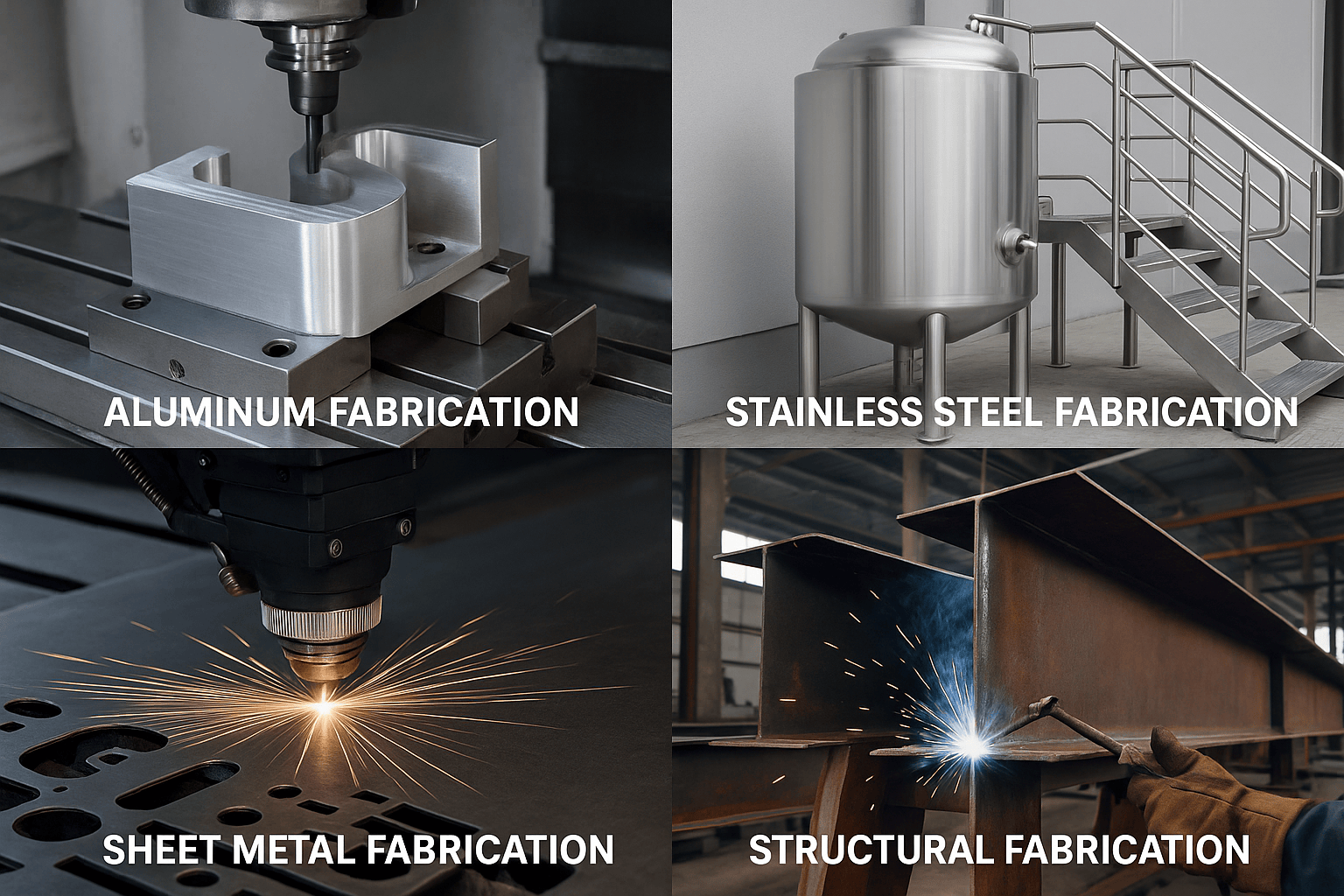
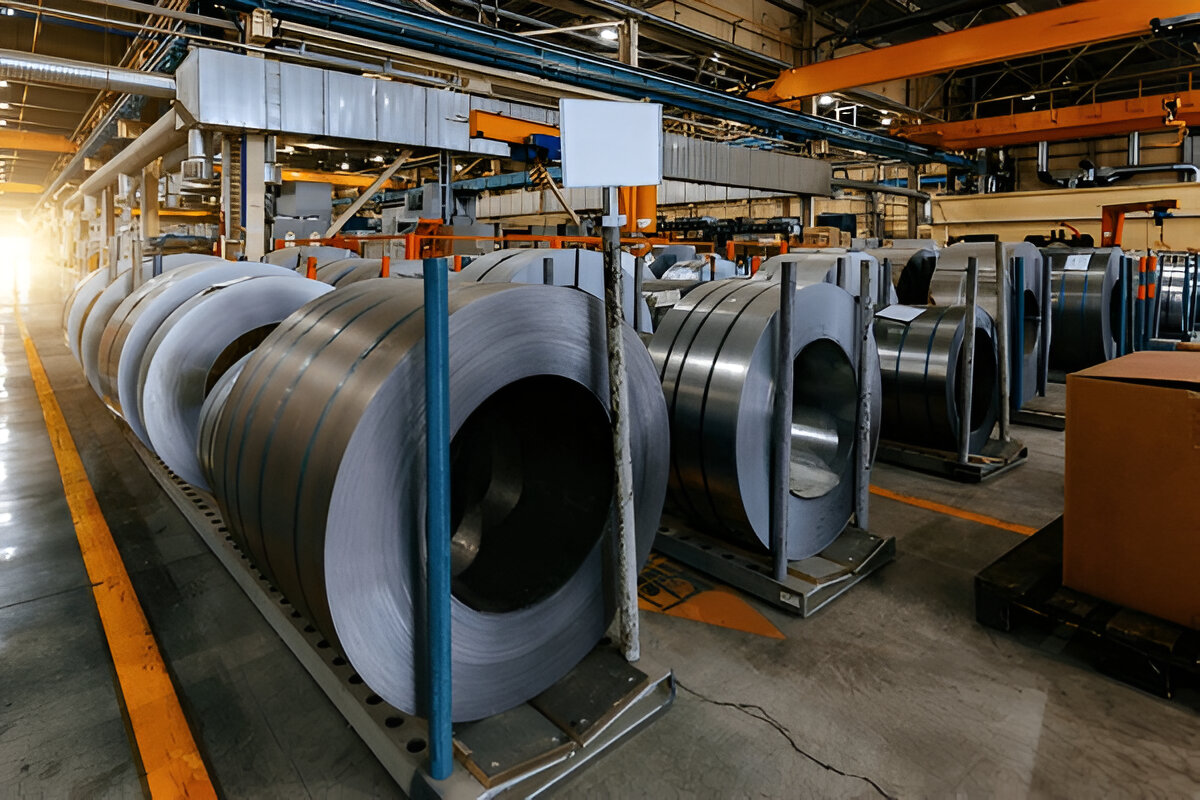
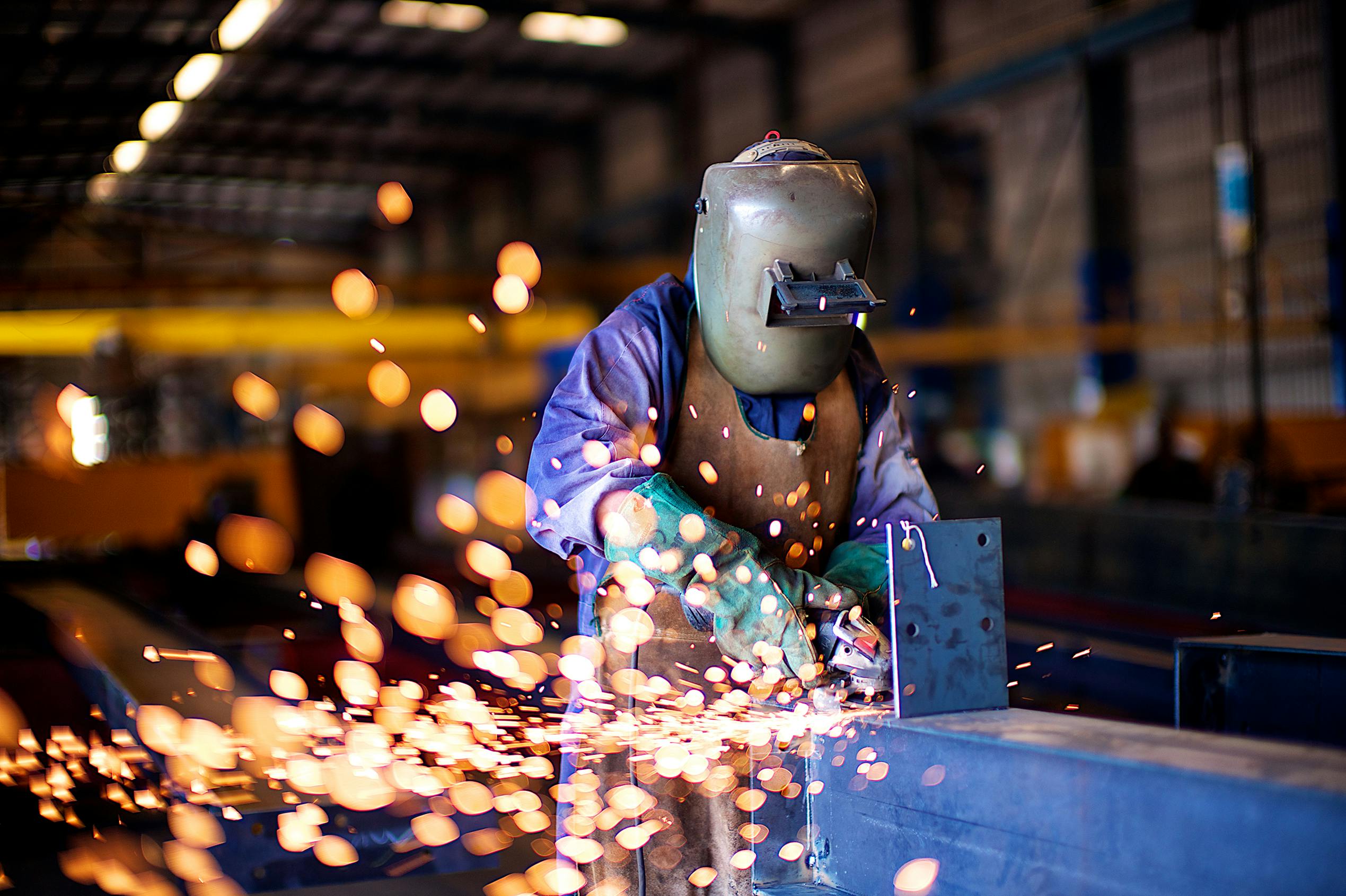
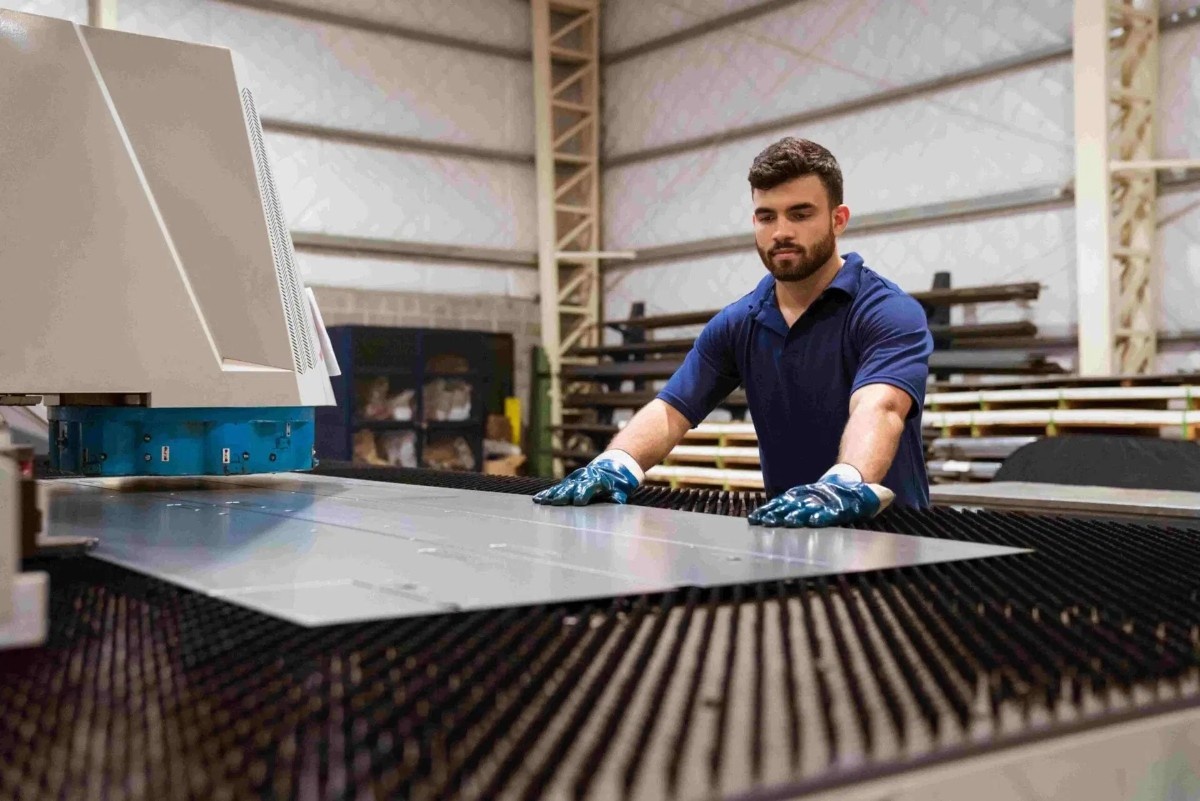
At its core, sheet metal fabrication in Bangalore refers to the process of transforming flat metal sheets (mild steel, stainless steel, aluminium, copper, galvanised iron etc) into functional parts by applying operations such as cutting, bending, punching, welding/assembly and finishing (coating, painting, powder-coating).
Key steps typically include:
- Material selection – choosing the right metal (MS, SS, Al, GI) and thickness, based on strength, corrosion resistance, cost and finishing requirements.
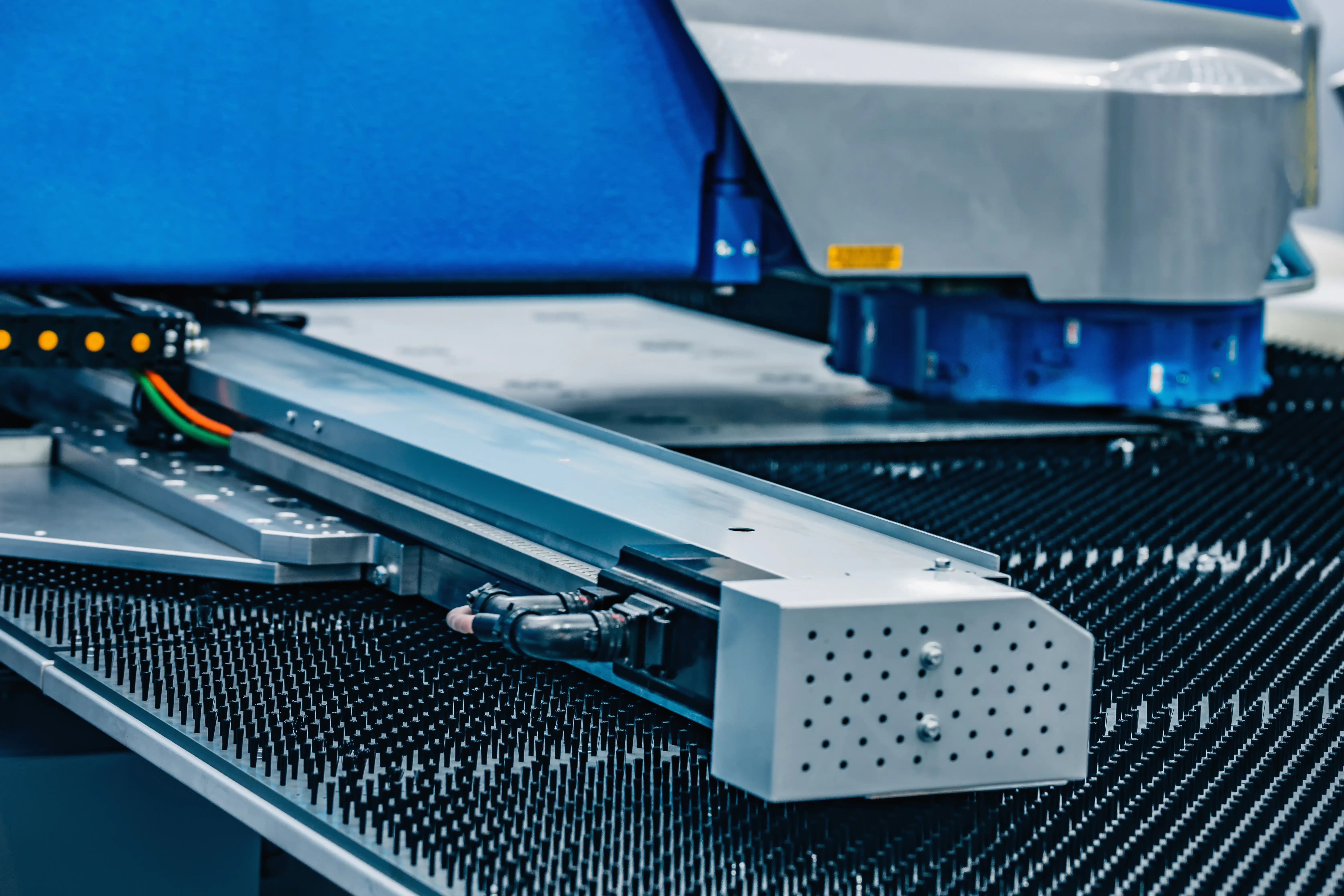
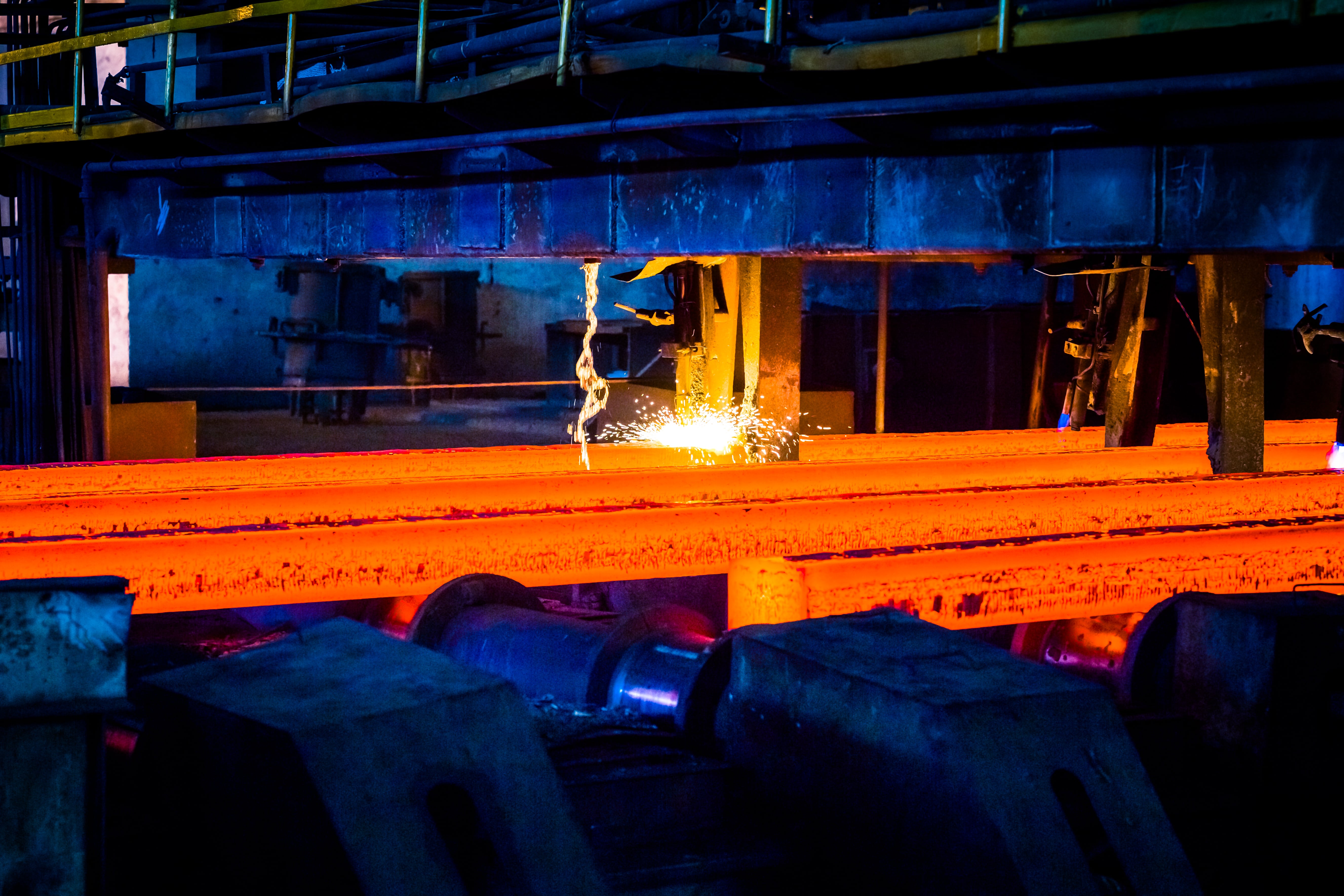
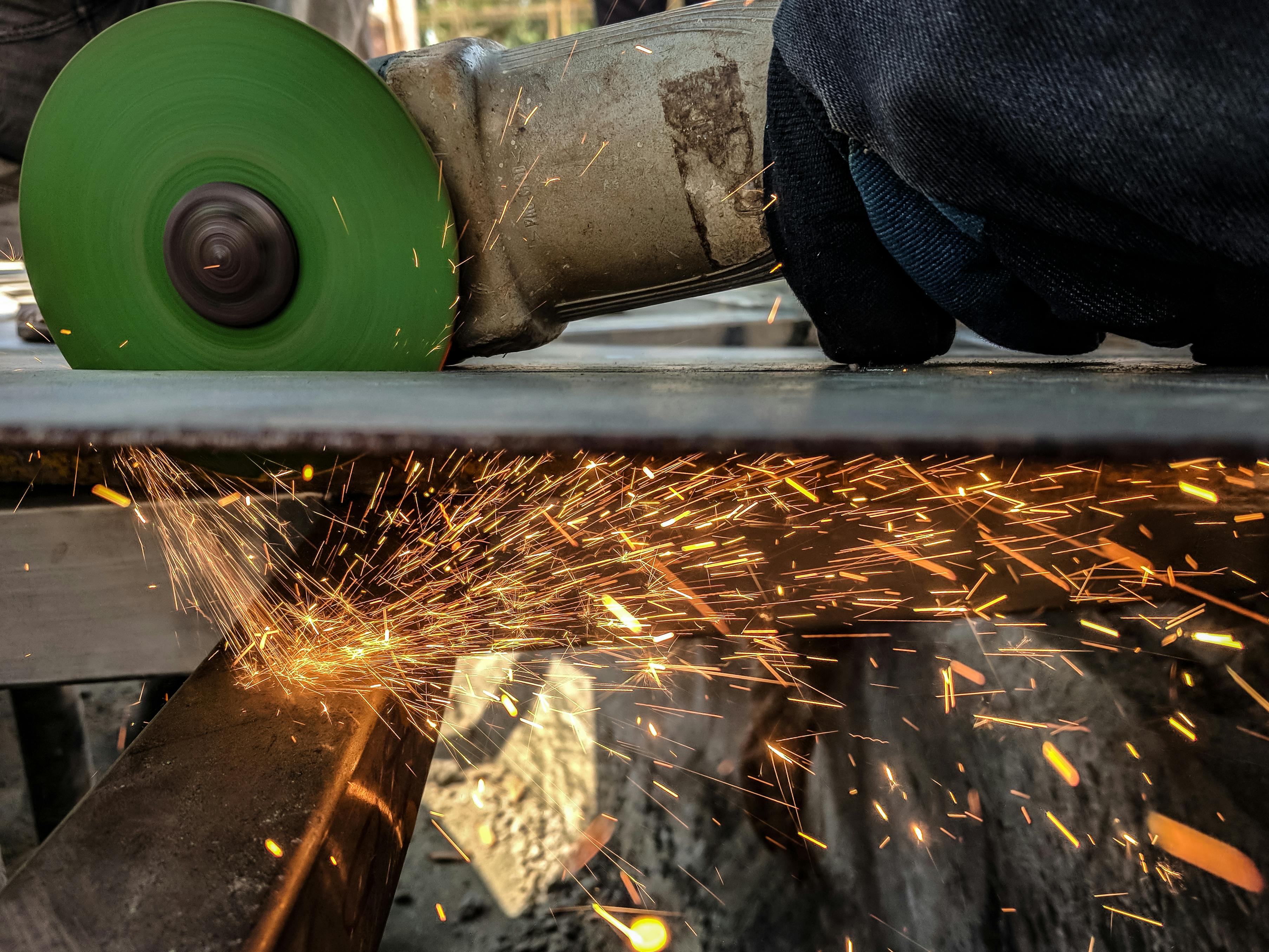
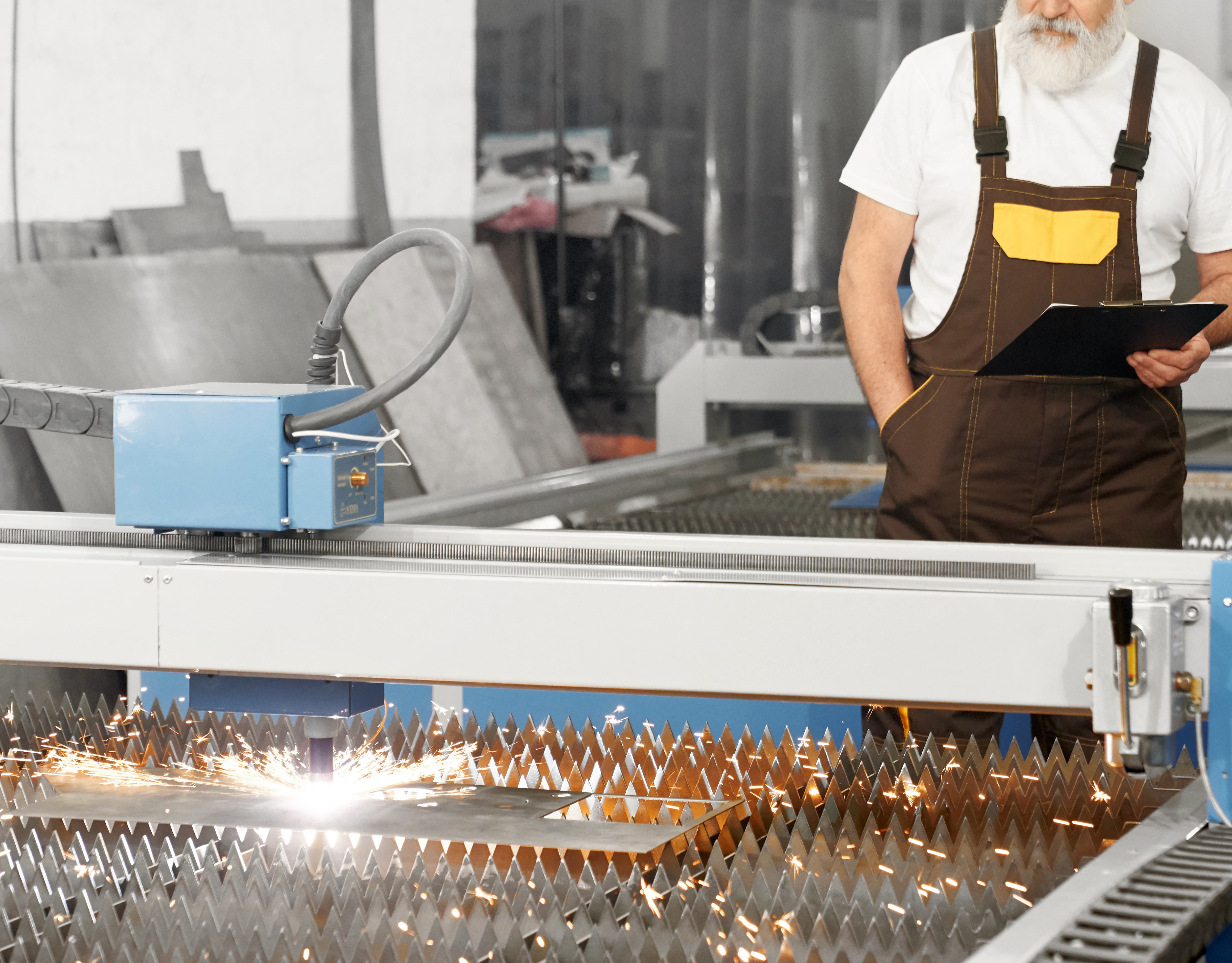
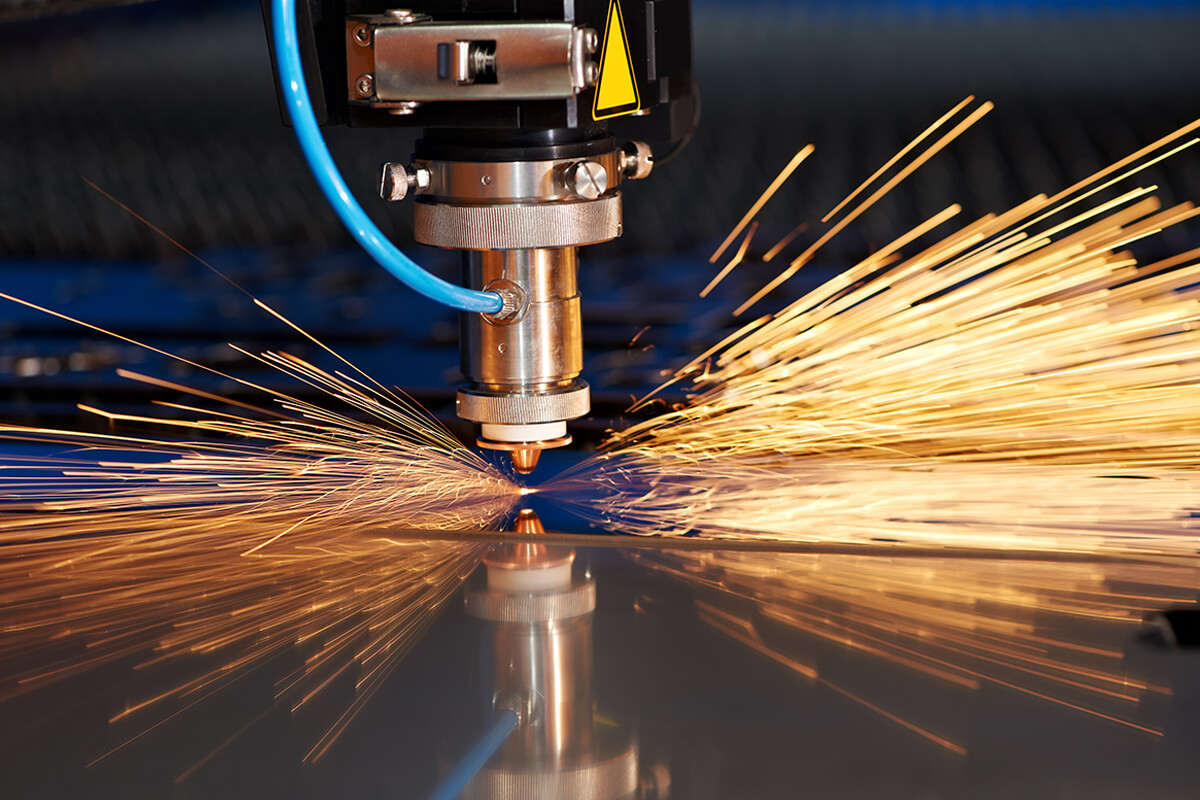
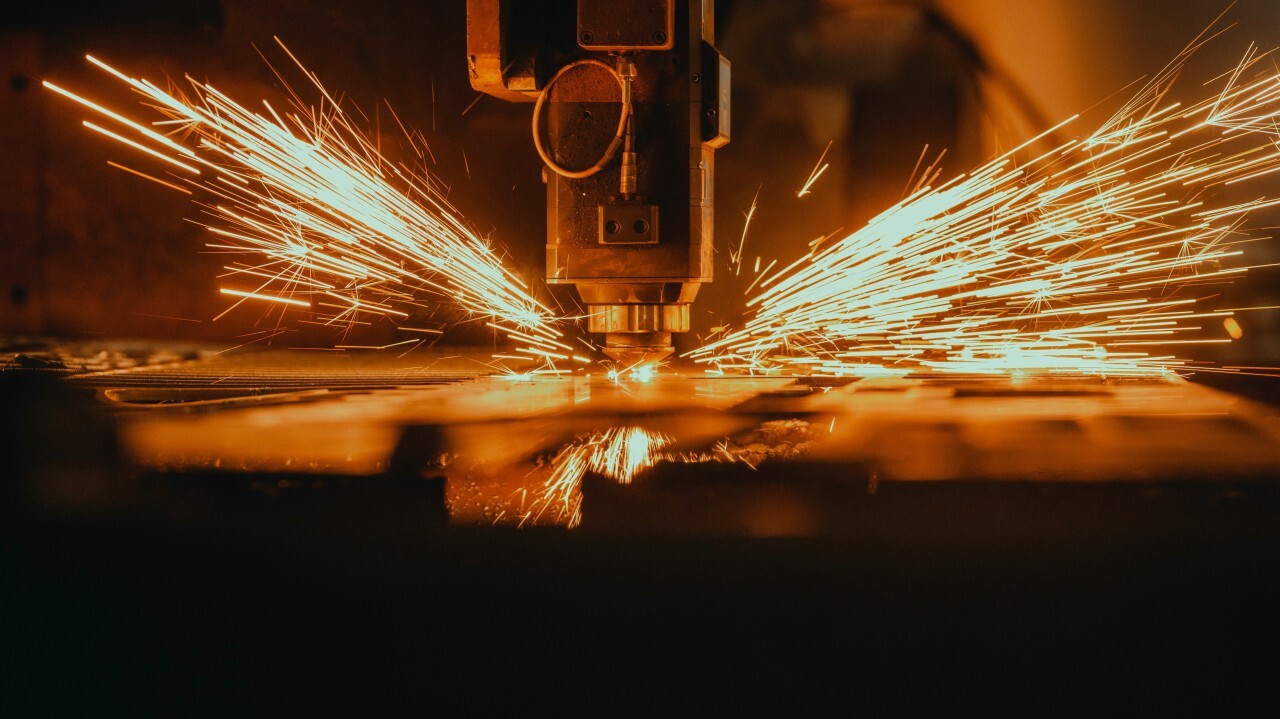
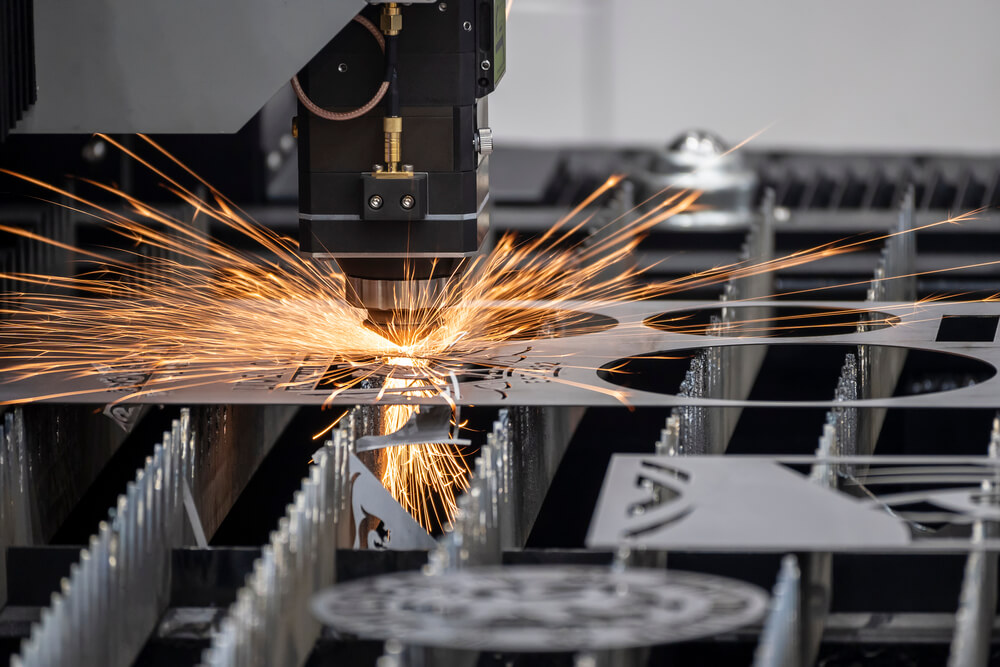
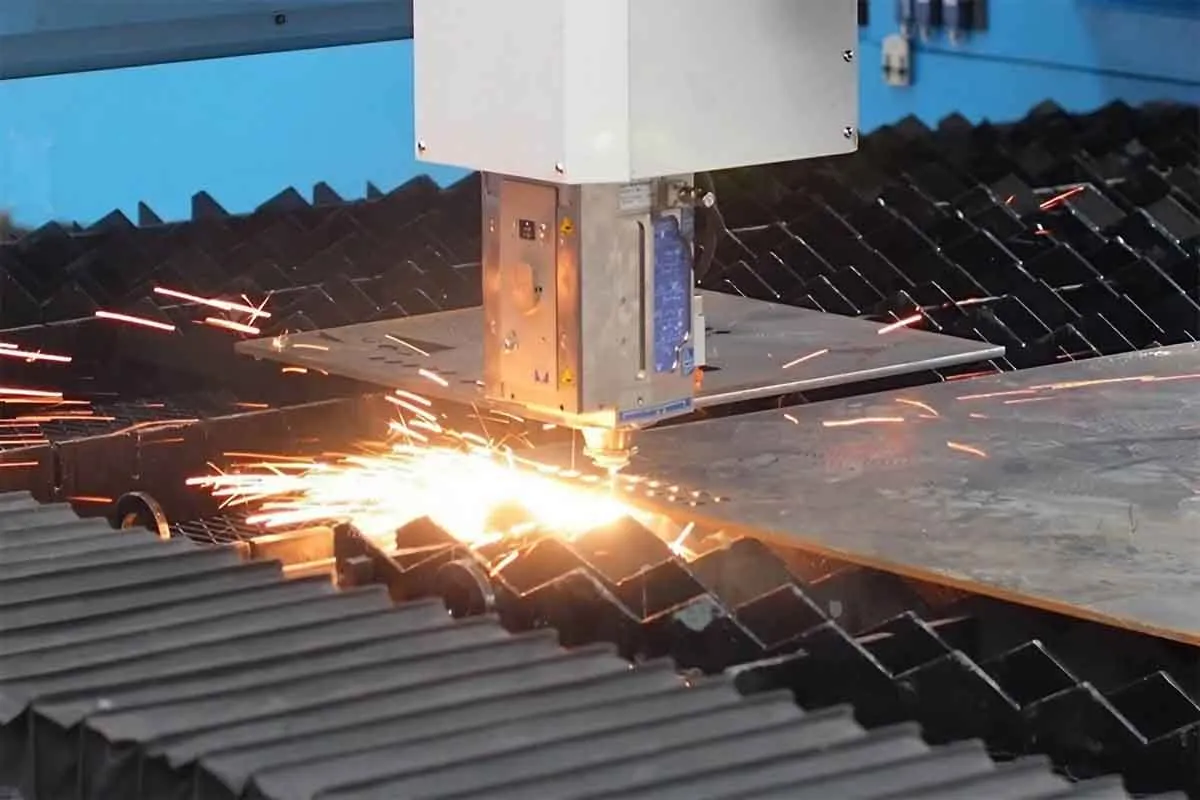
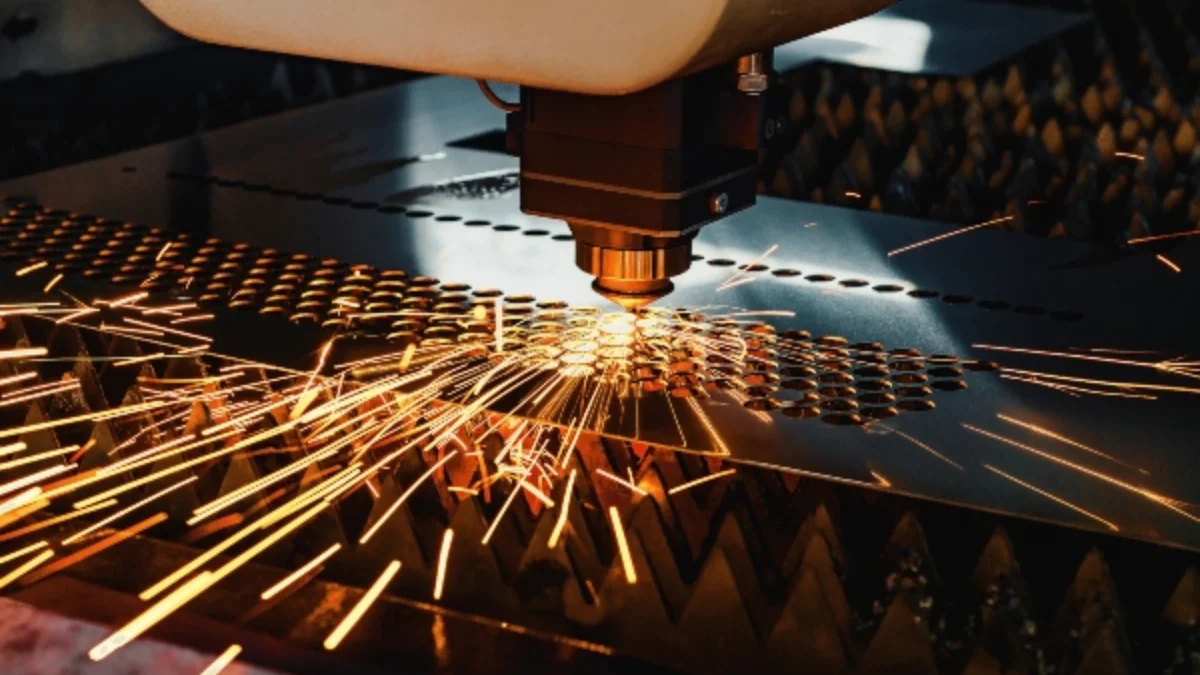
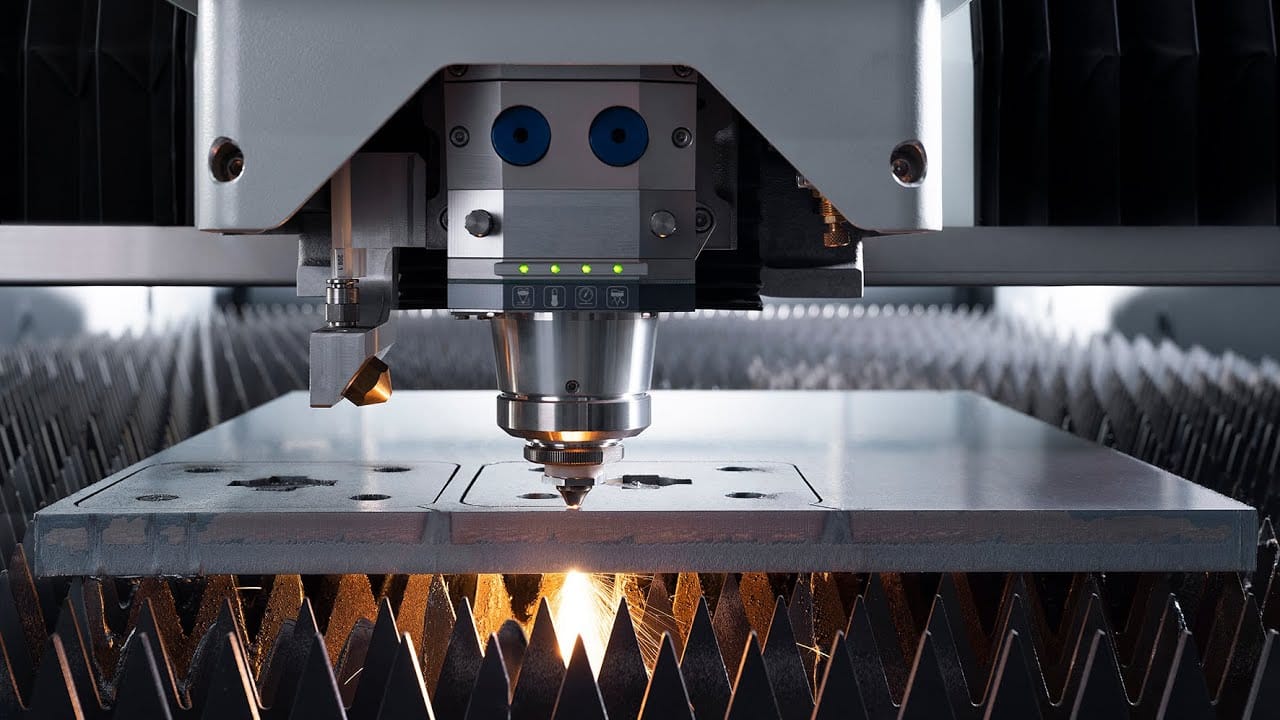
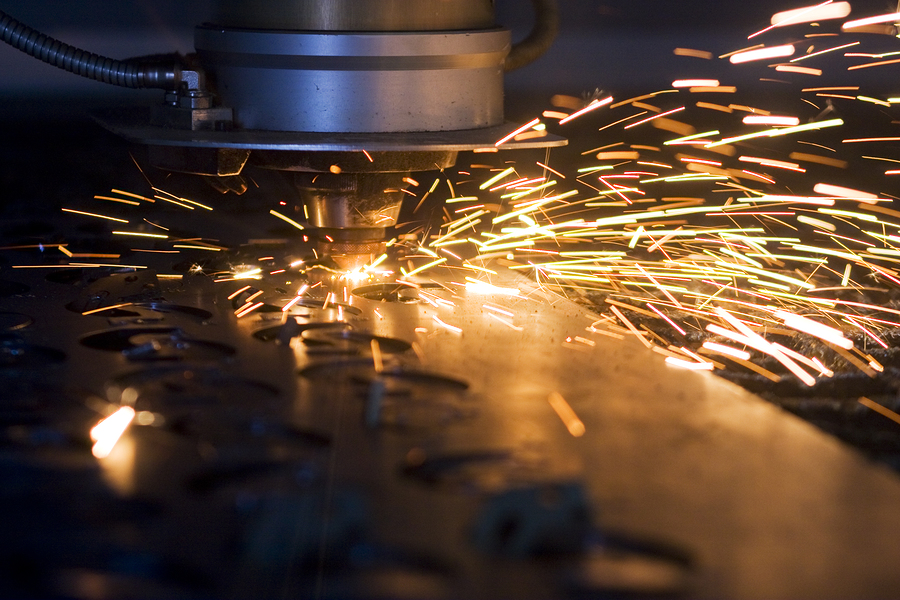
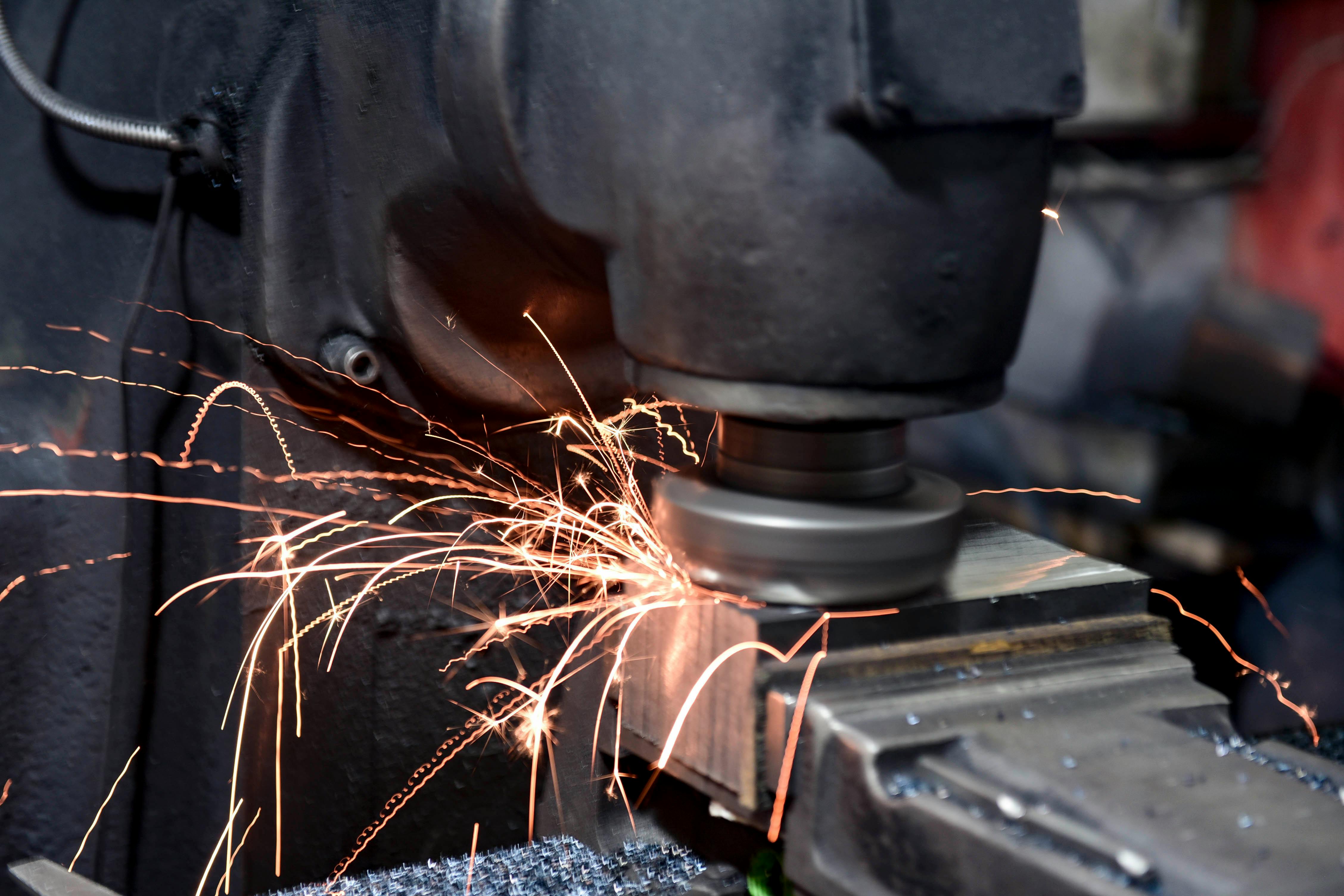
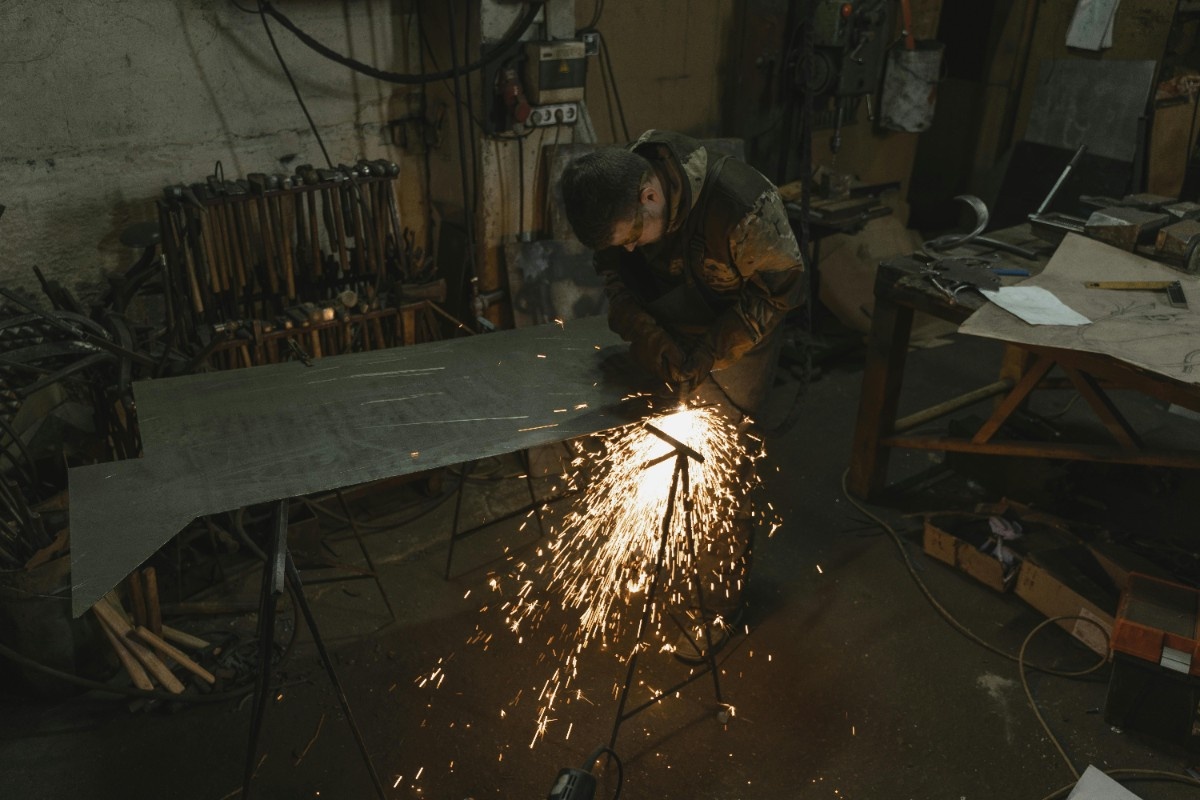
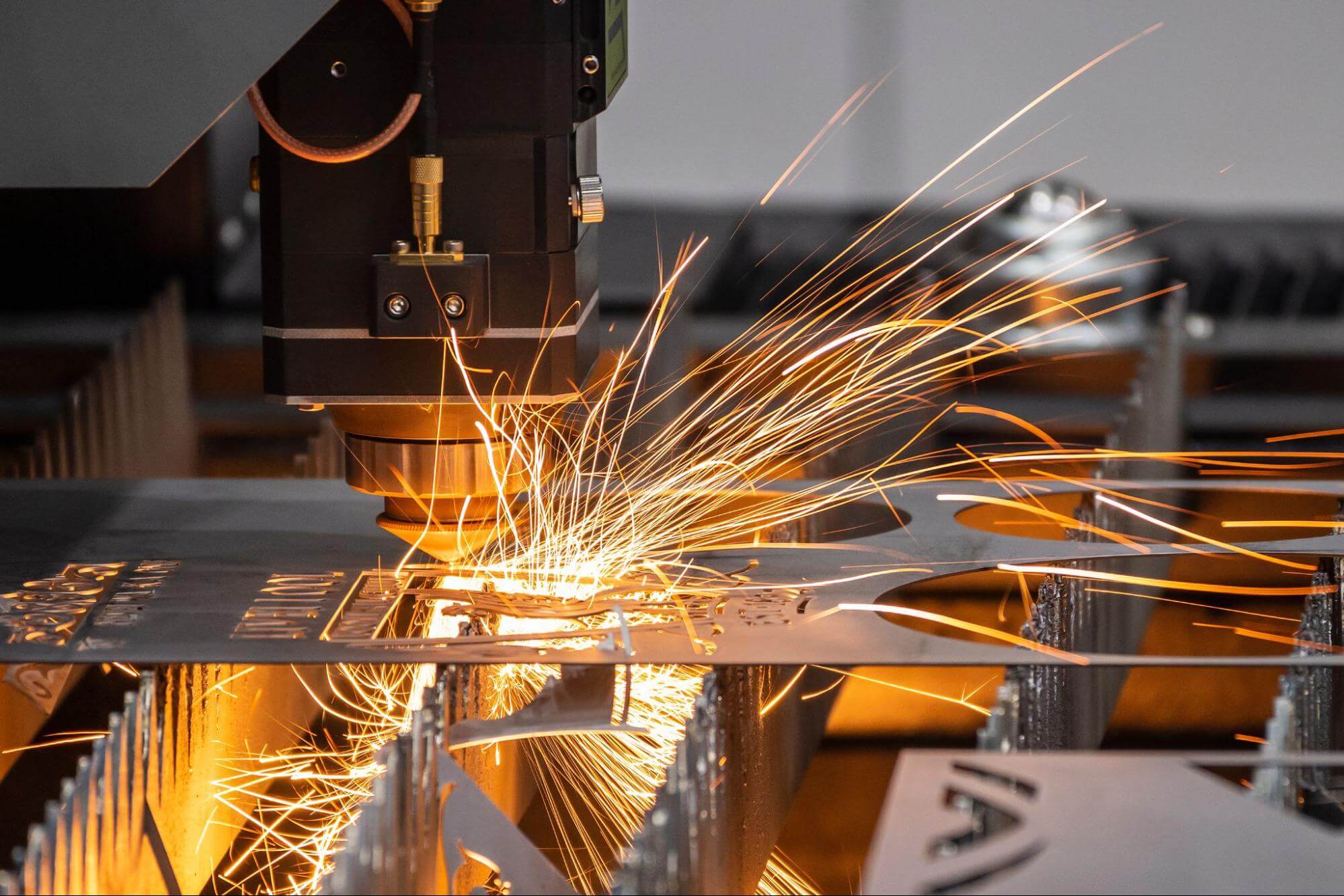
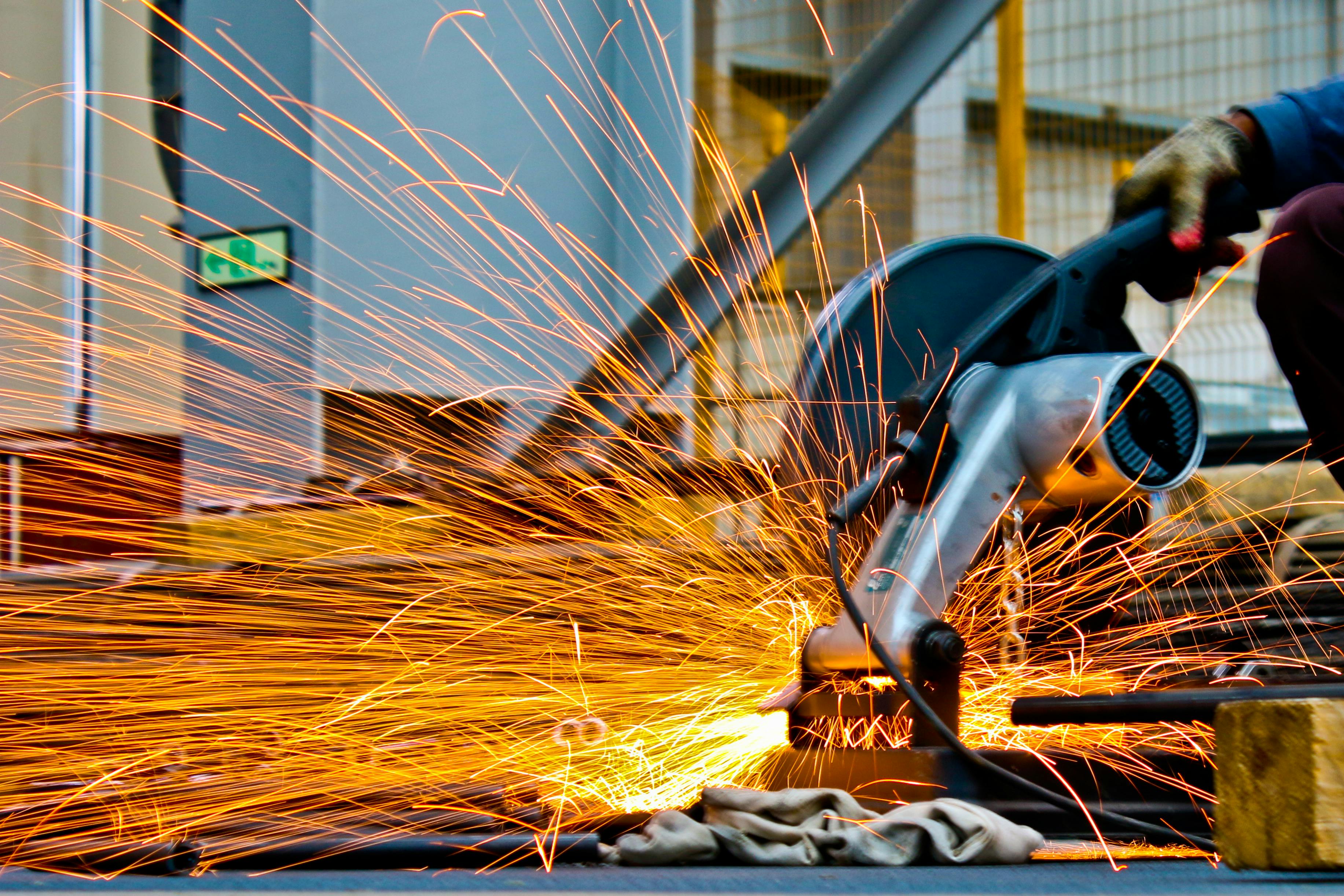
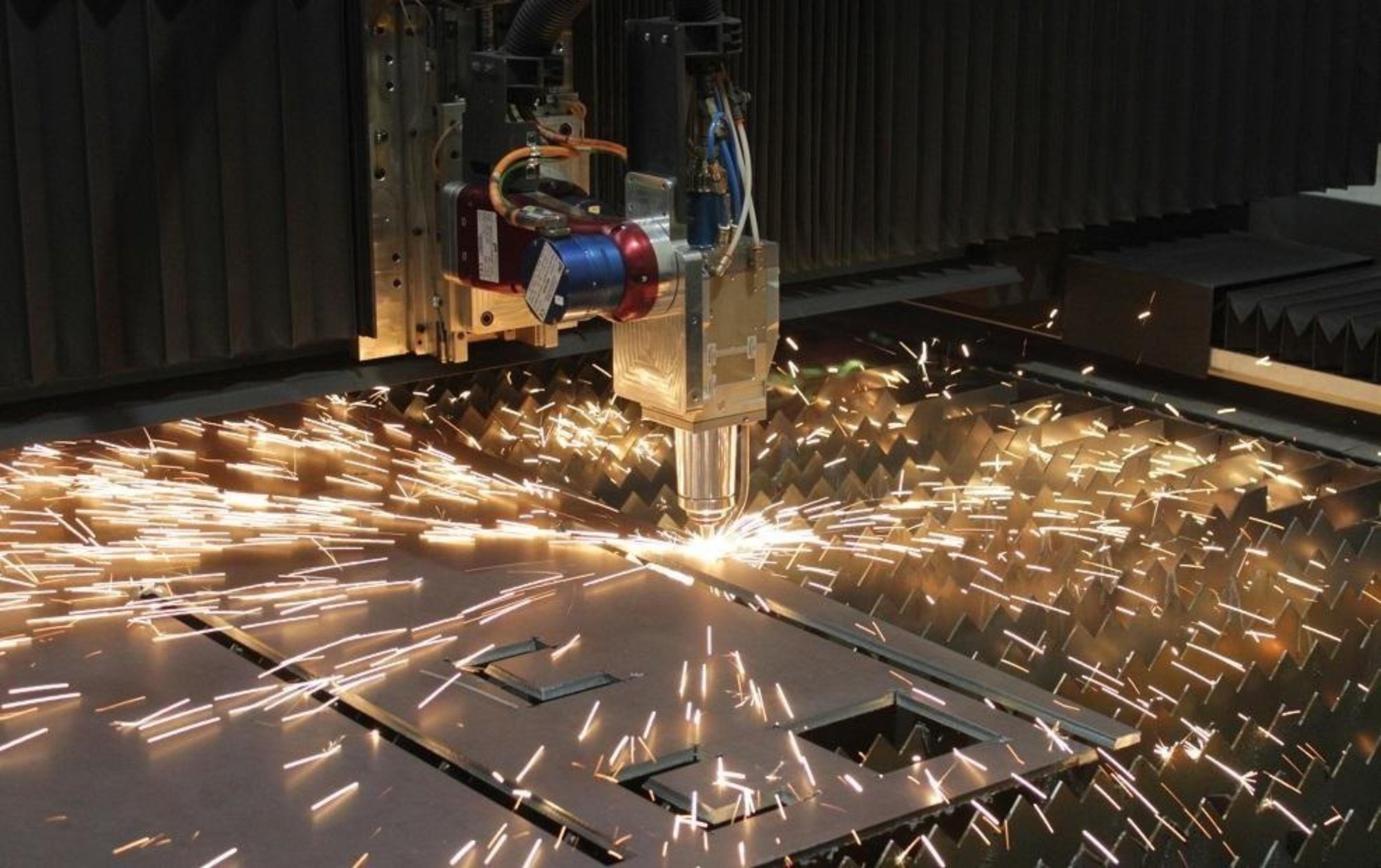
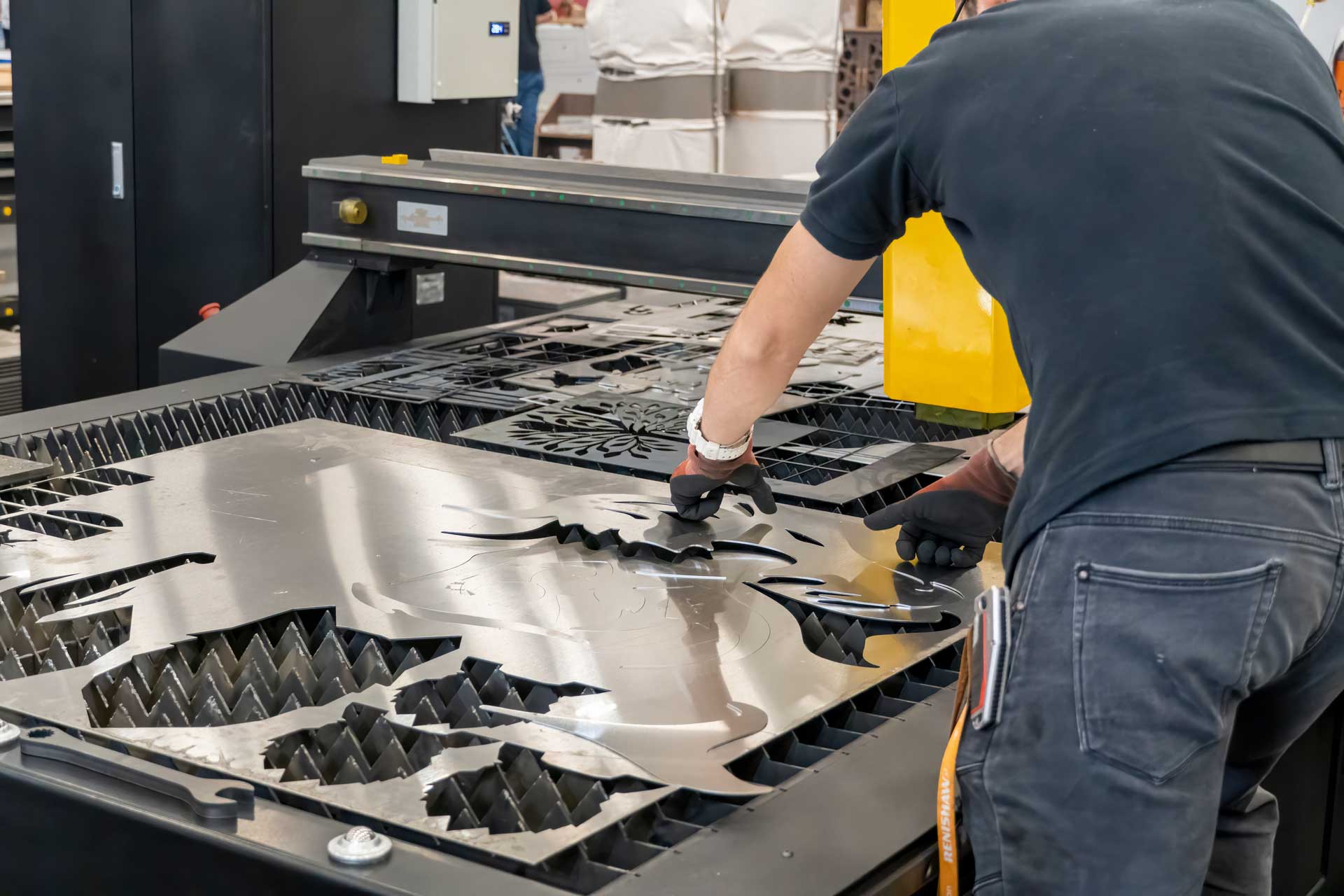
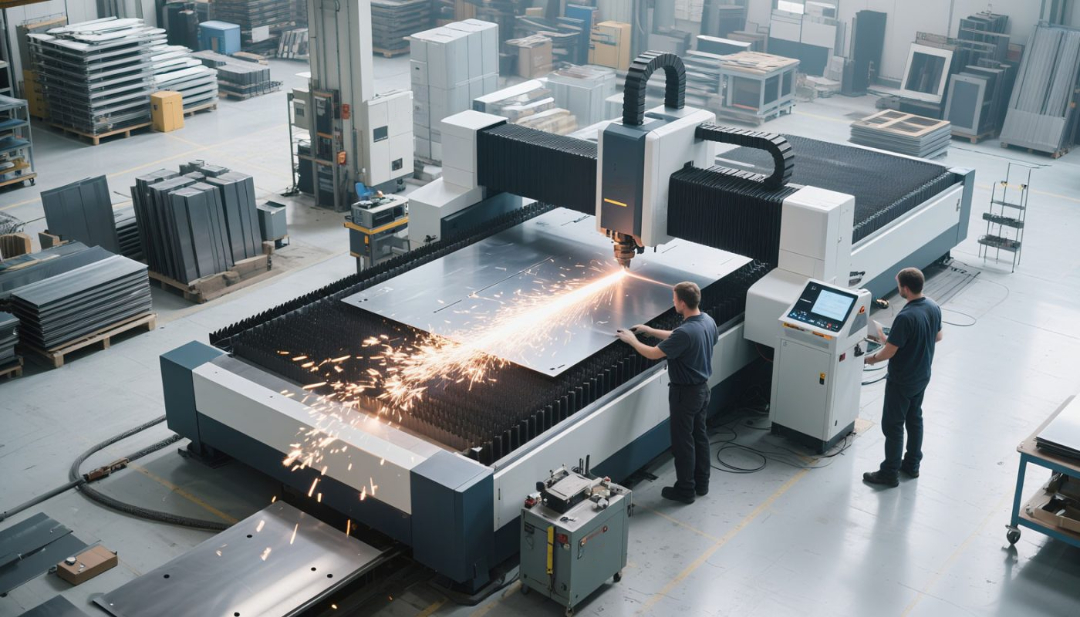
- Cutting – laser cutting, turret punching, plasma or water-jet cutting to get the required shape from a flat sheet. For example, one Bengaluru company lists a laser cutting facility with range 3040 × 1550 mm.
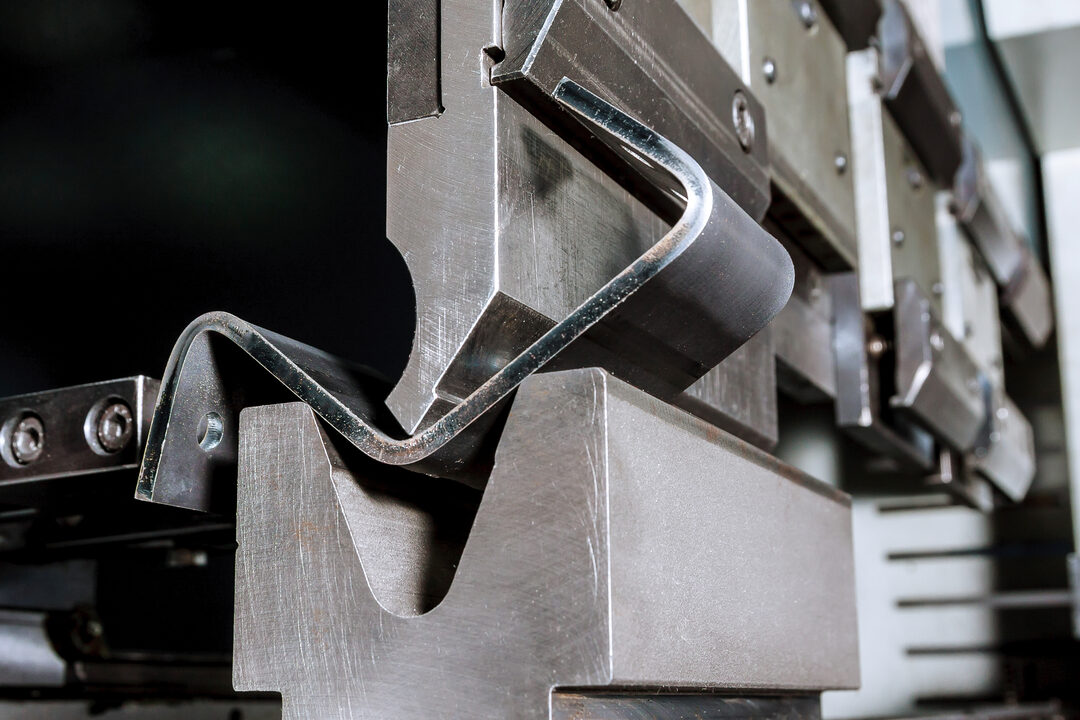
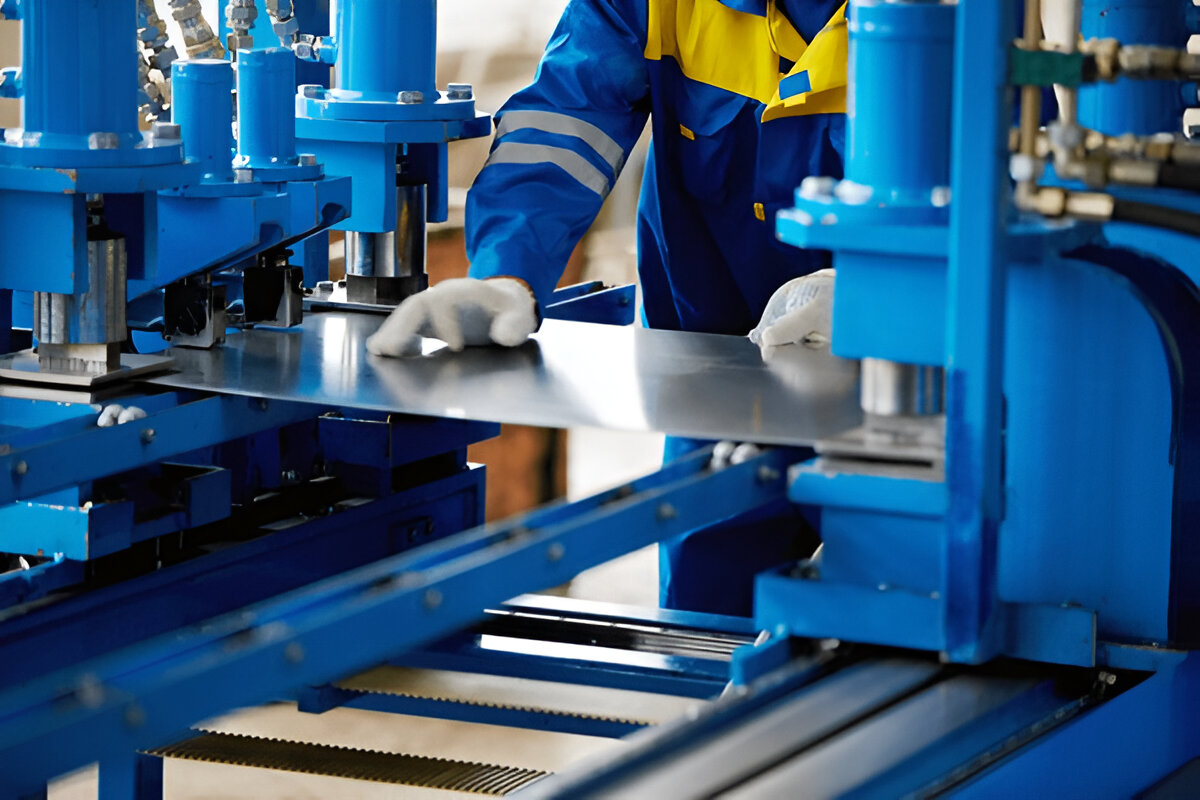
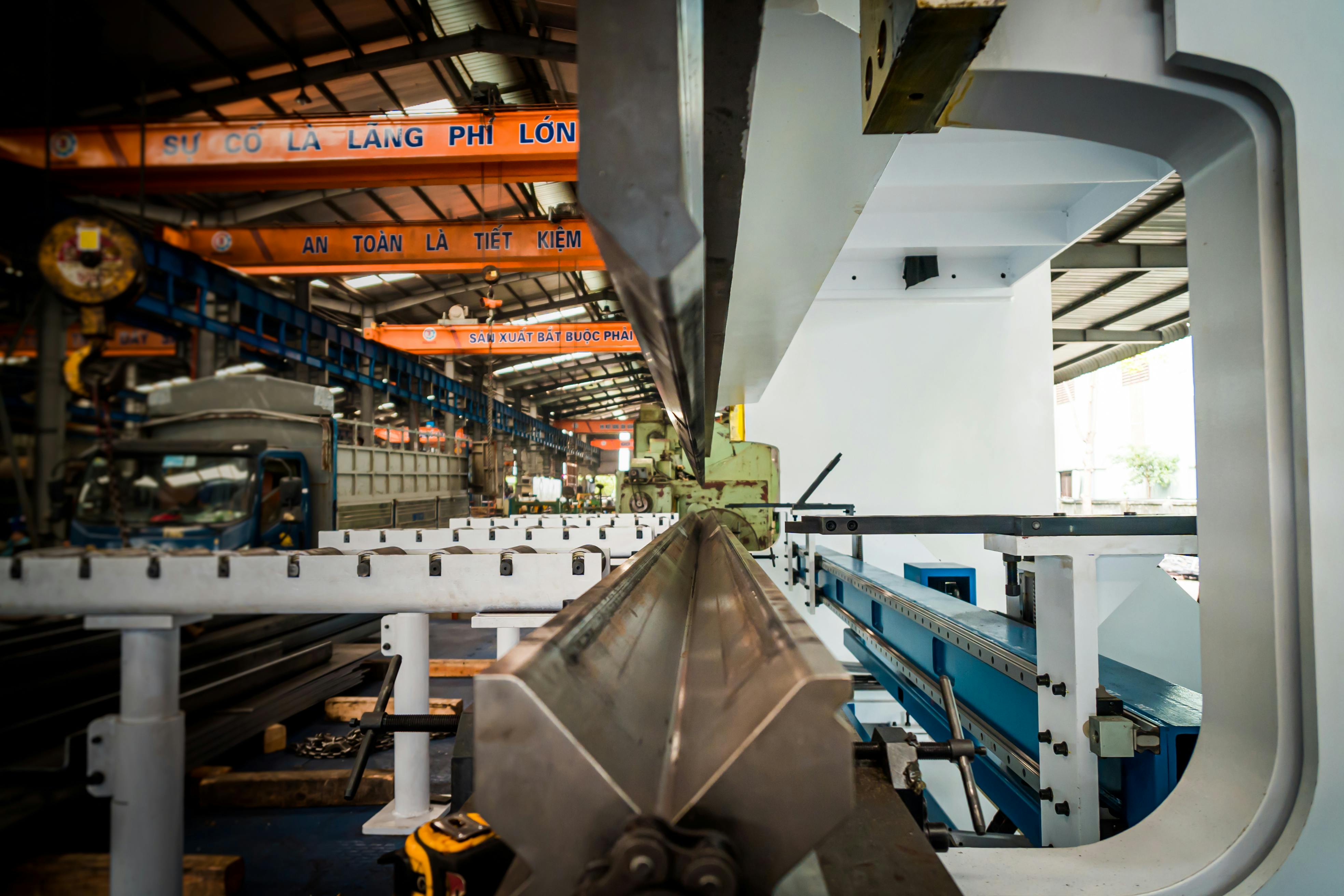
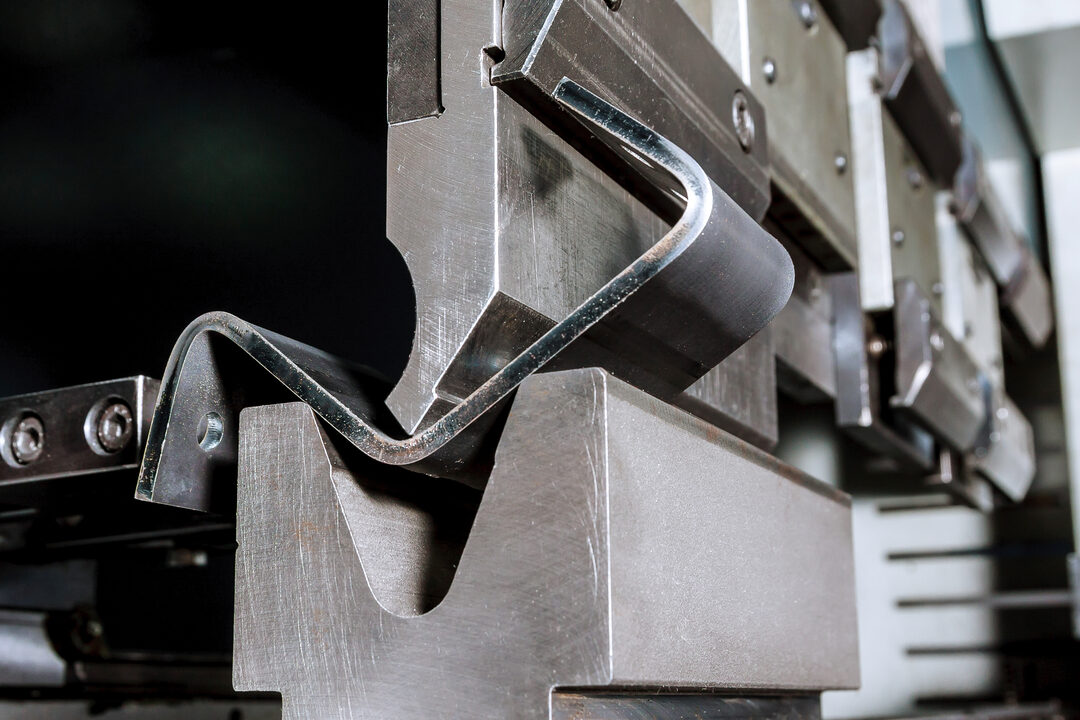
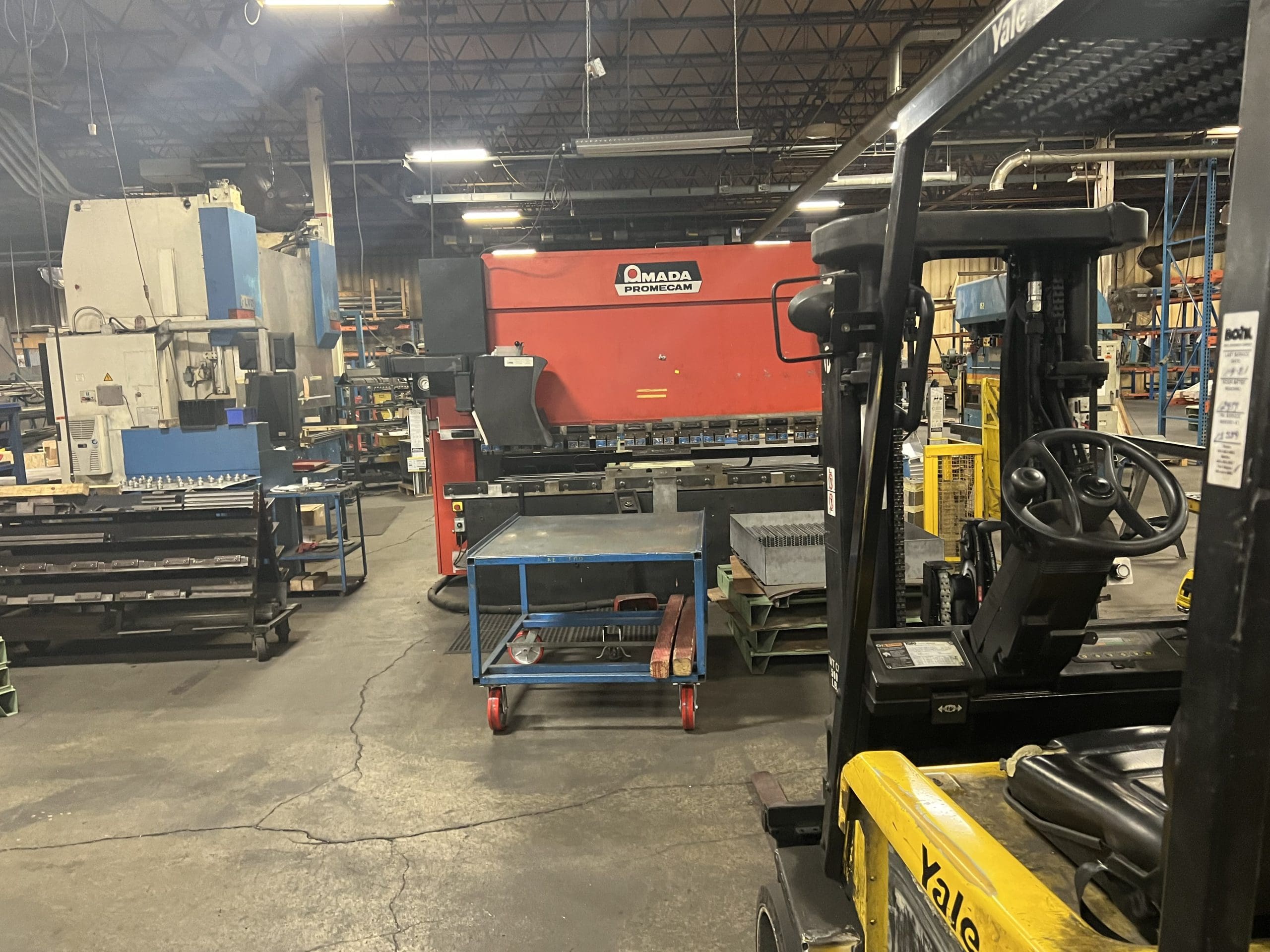
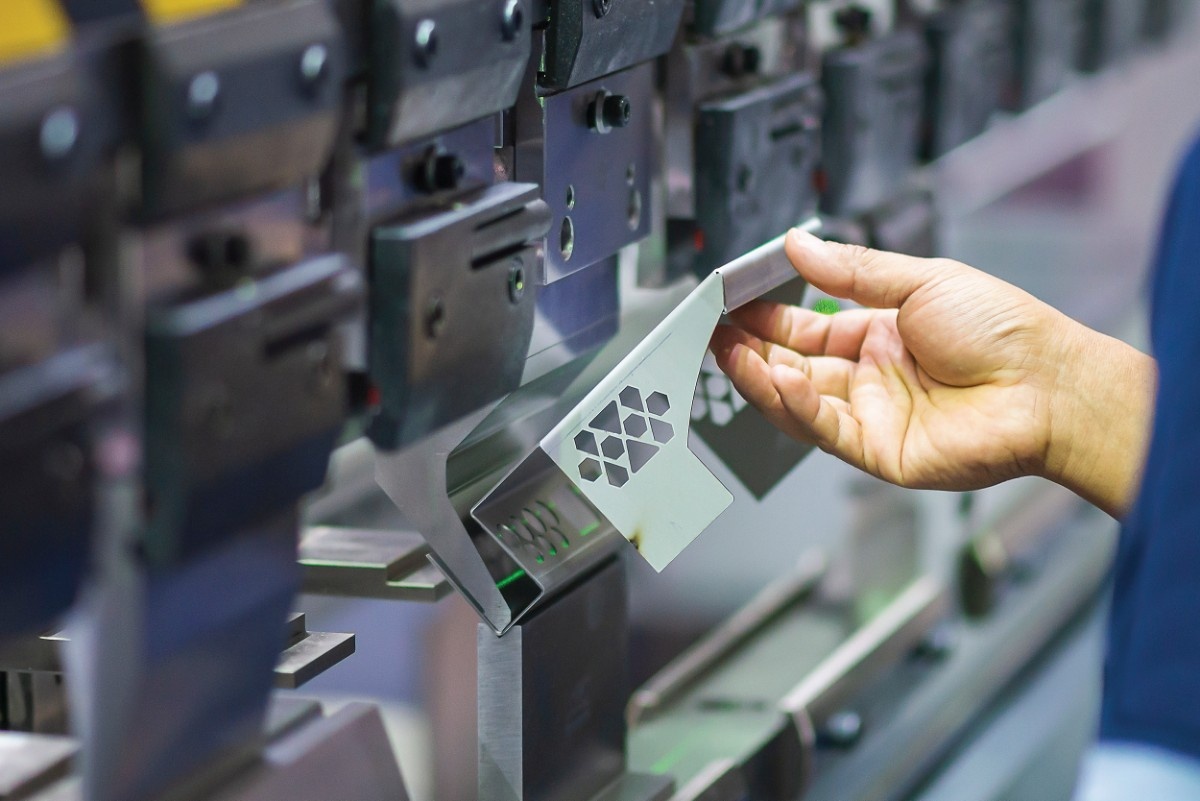
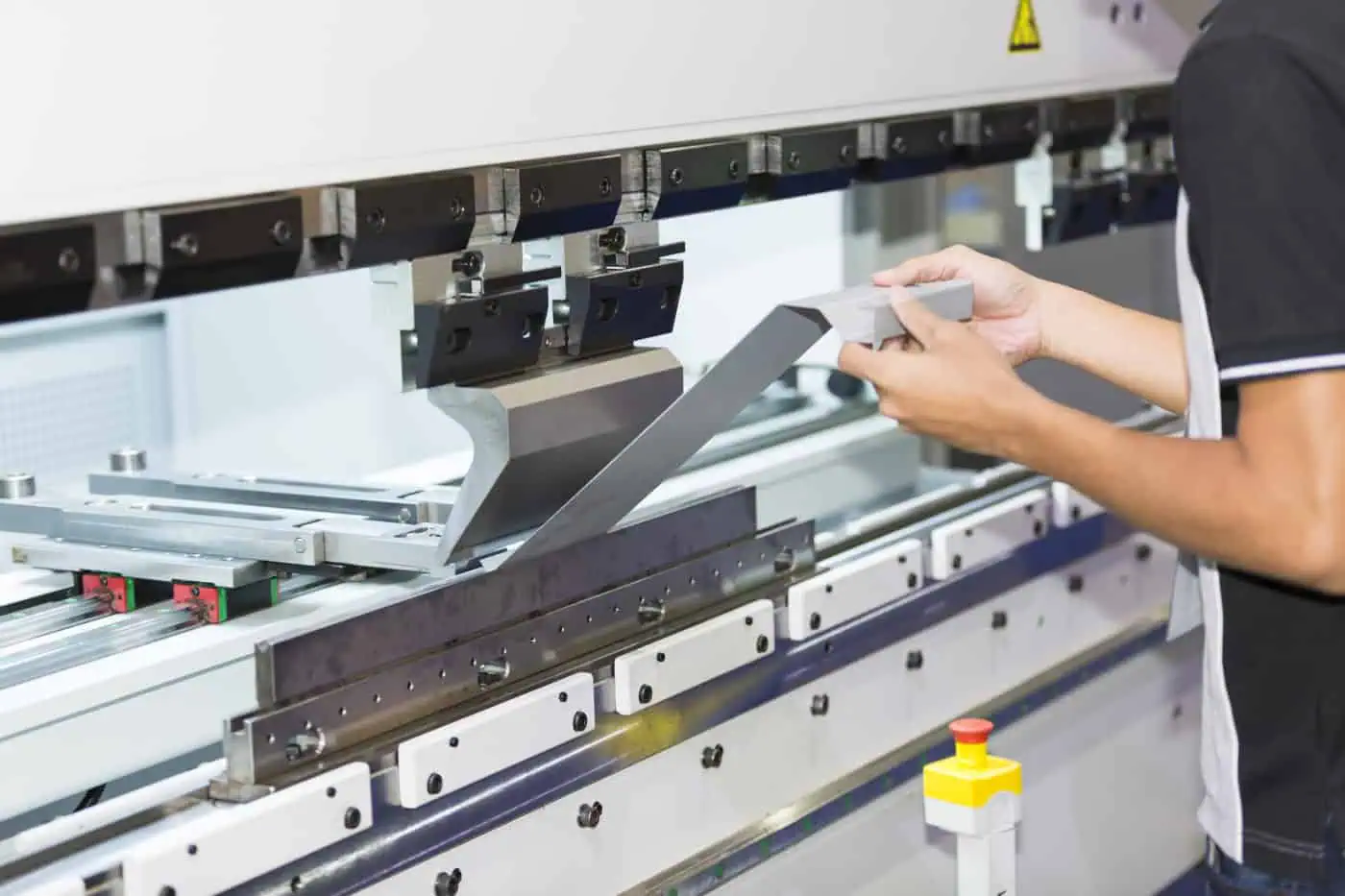
- Bending/forming – press brakes and bending machines are used to shape the sheet into flanges, bends and 3D forms. From one firm: “press brake machine… bed size up to 4 m, capacity 200-ton”.
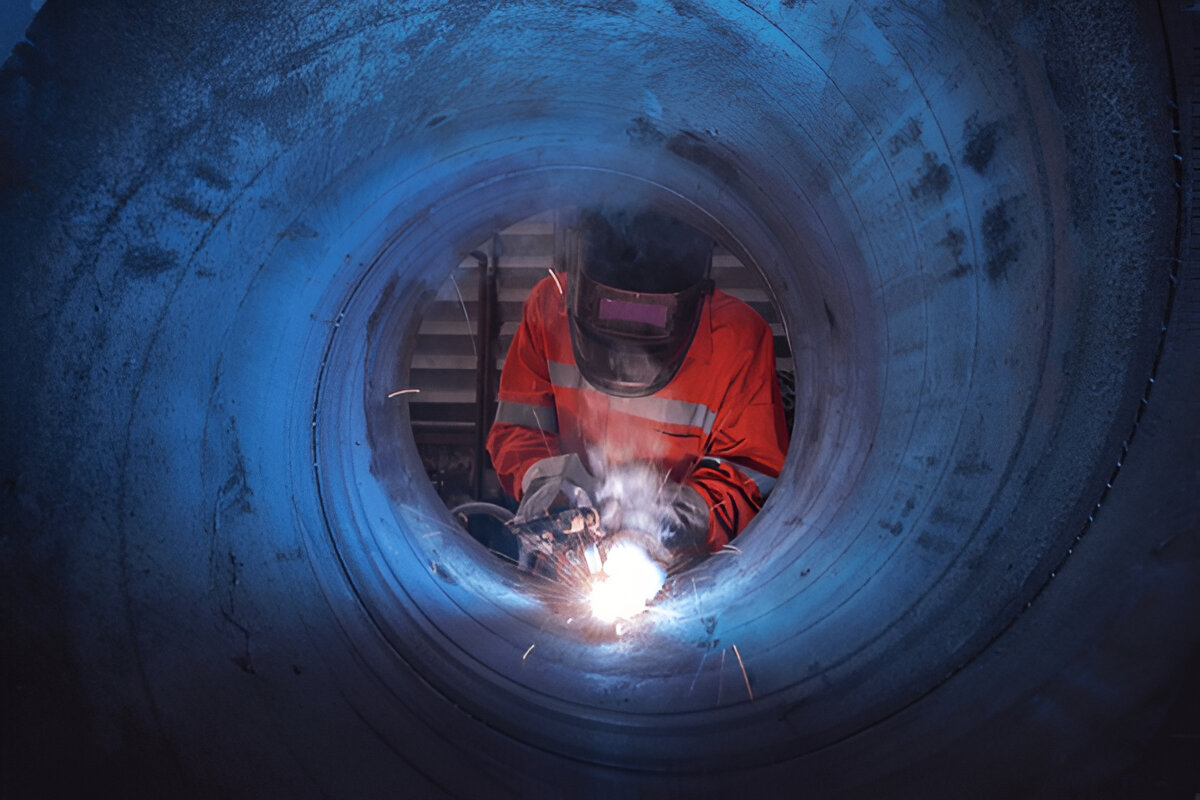
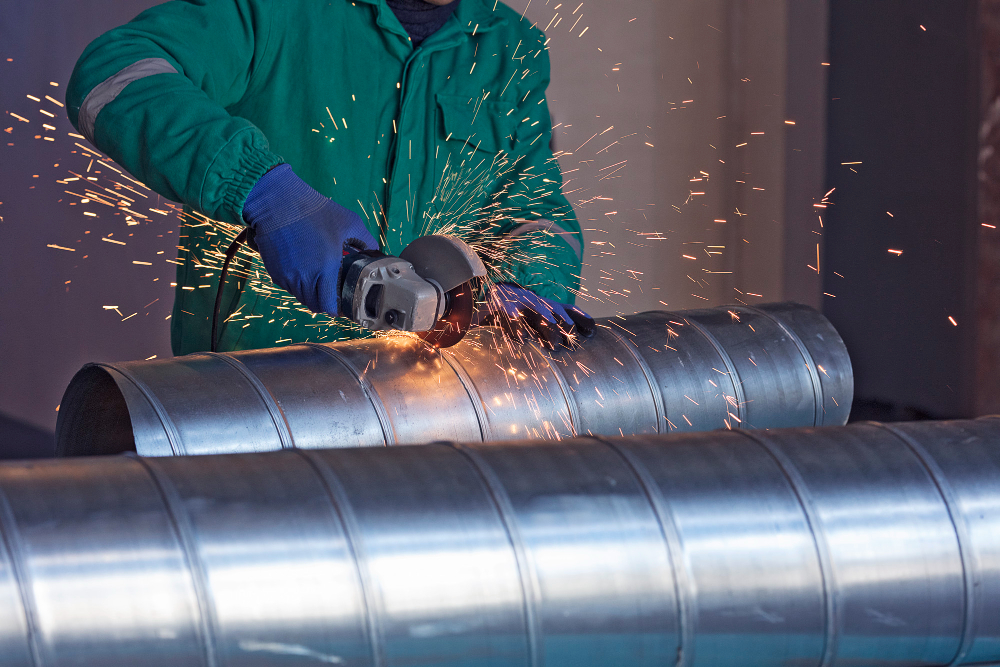
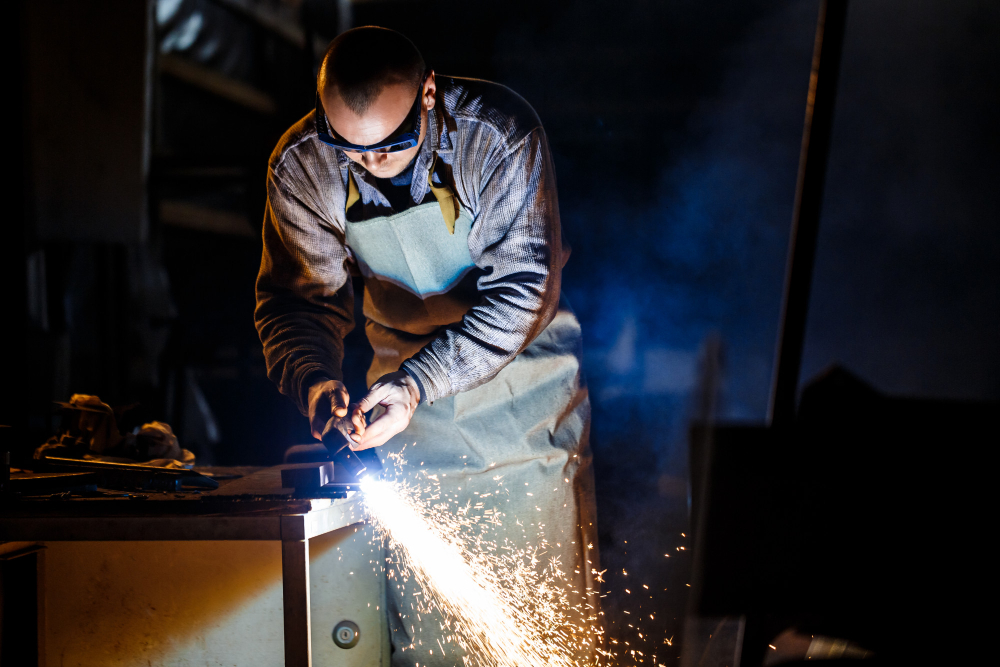
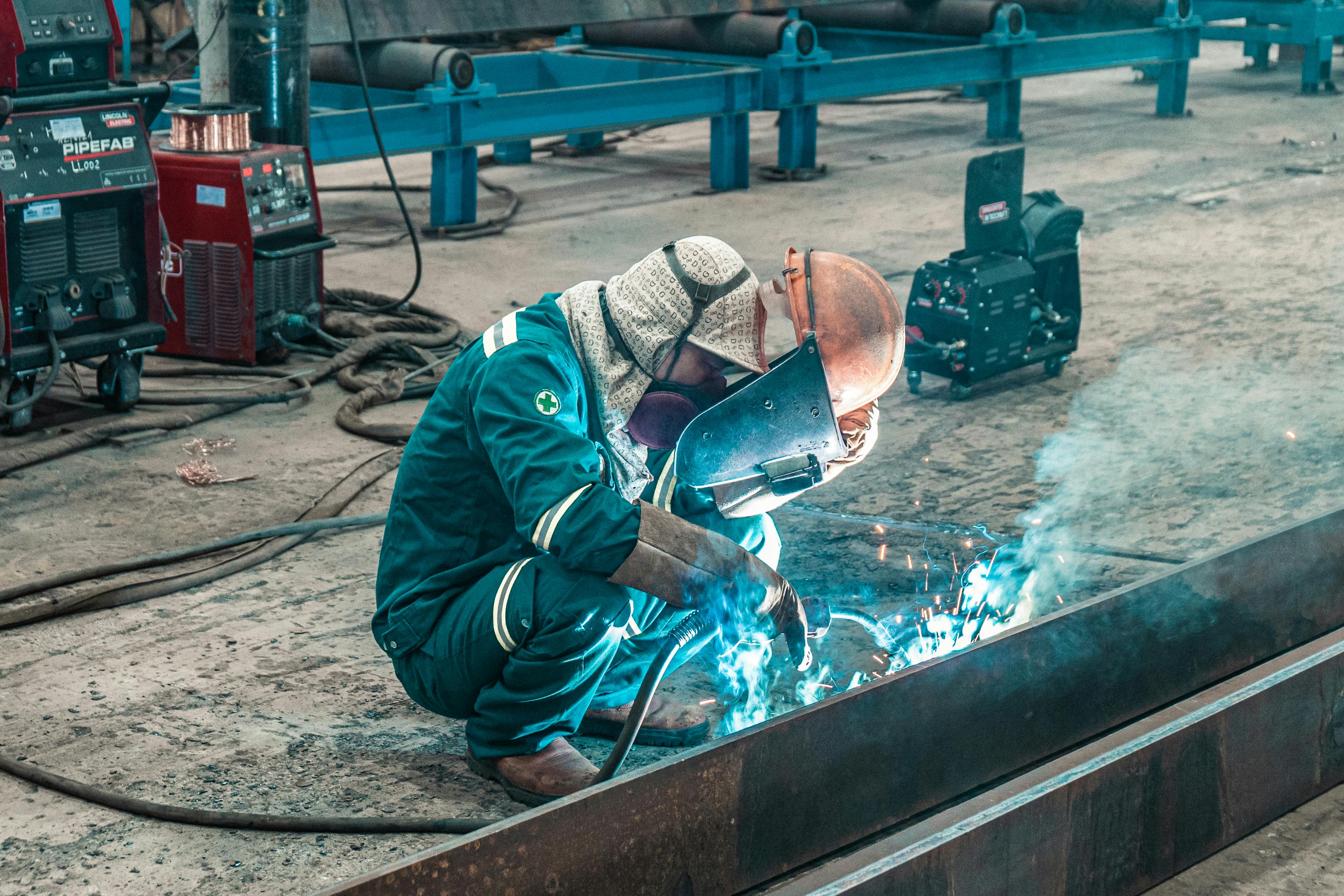
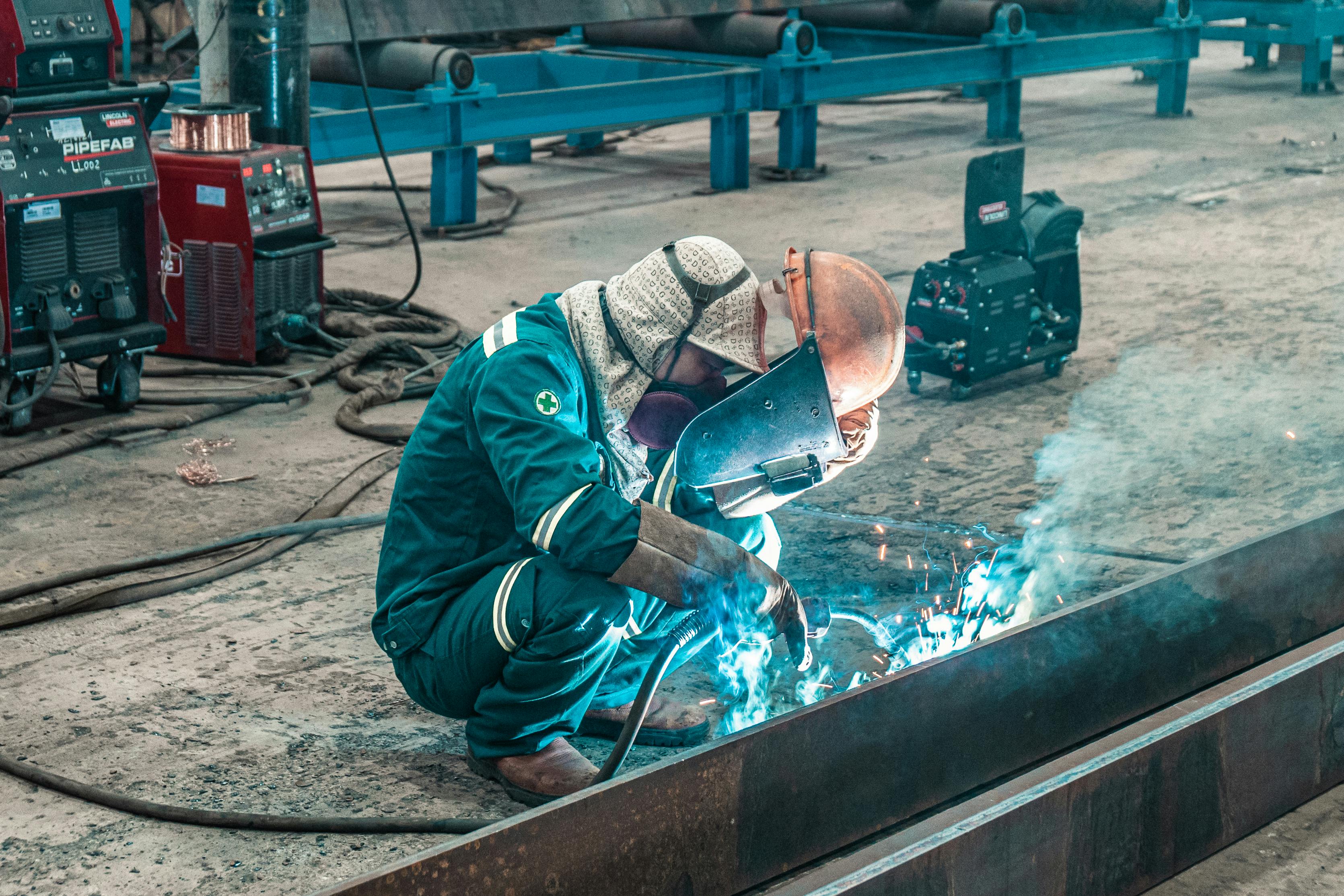
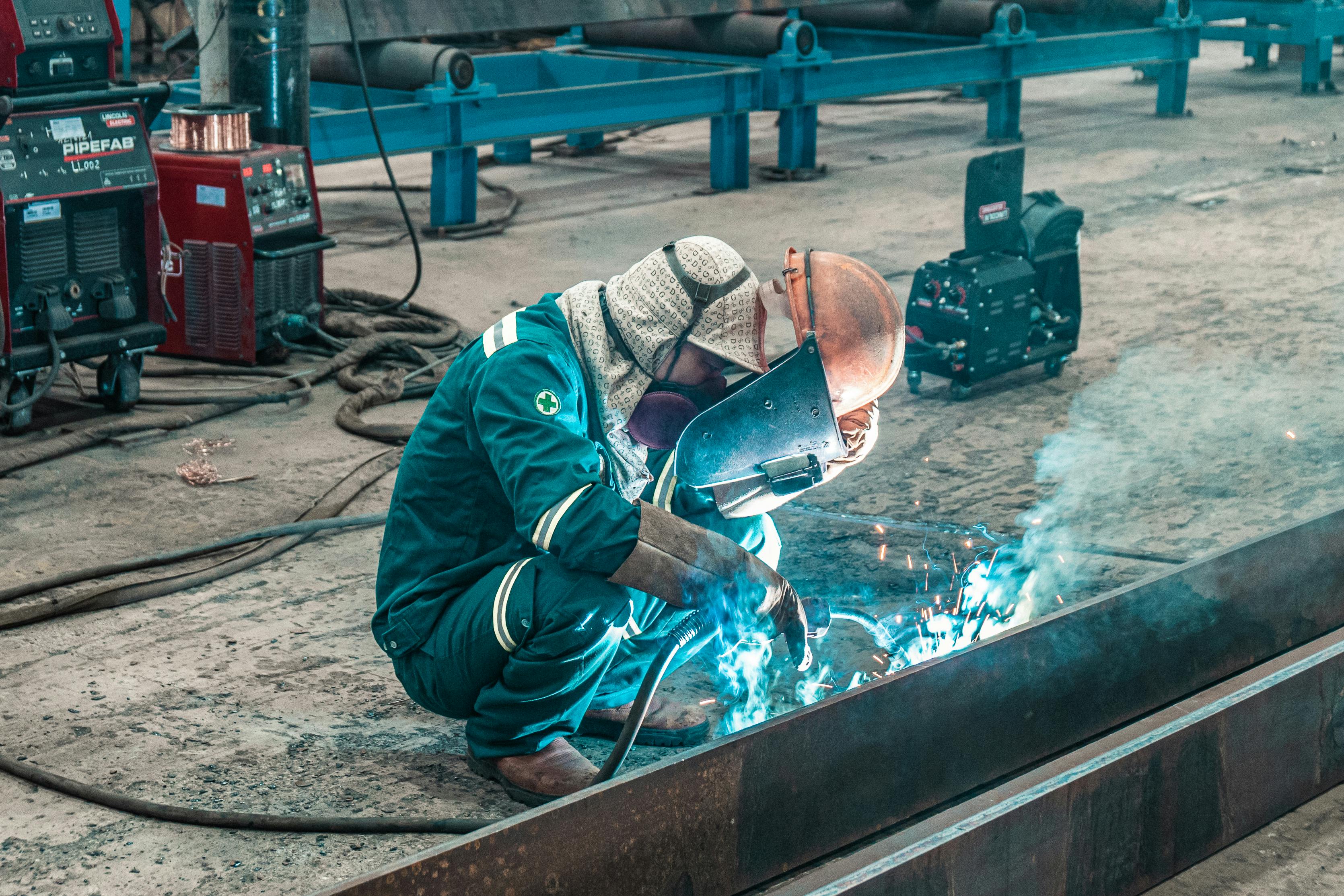
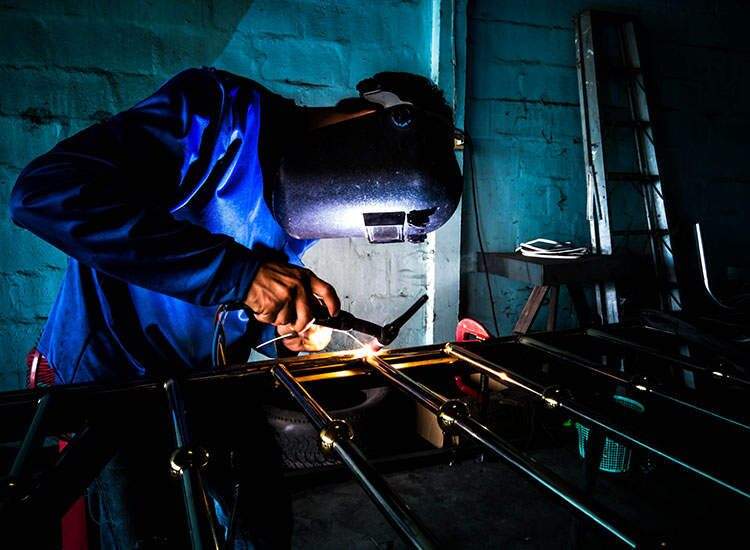
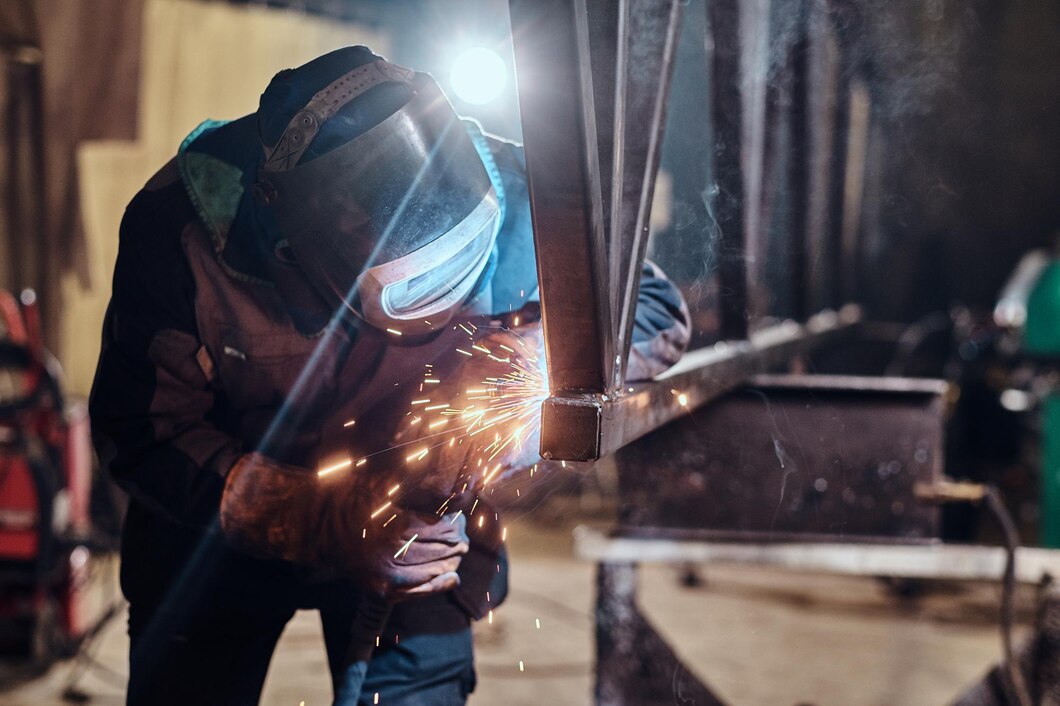
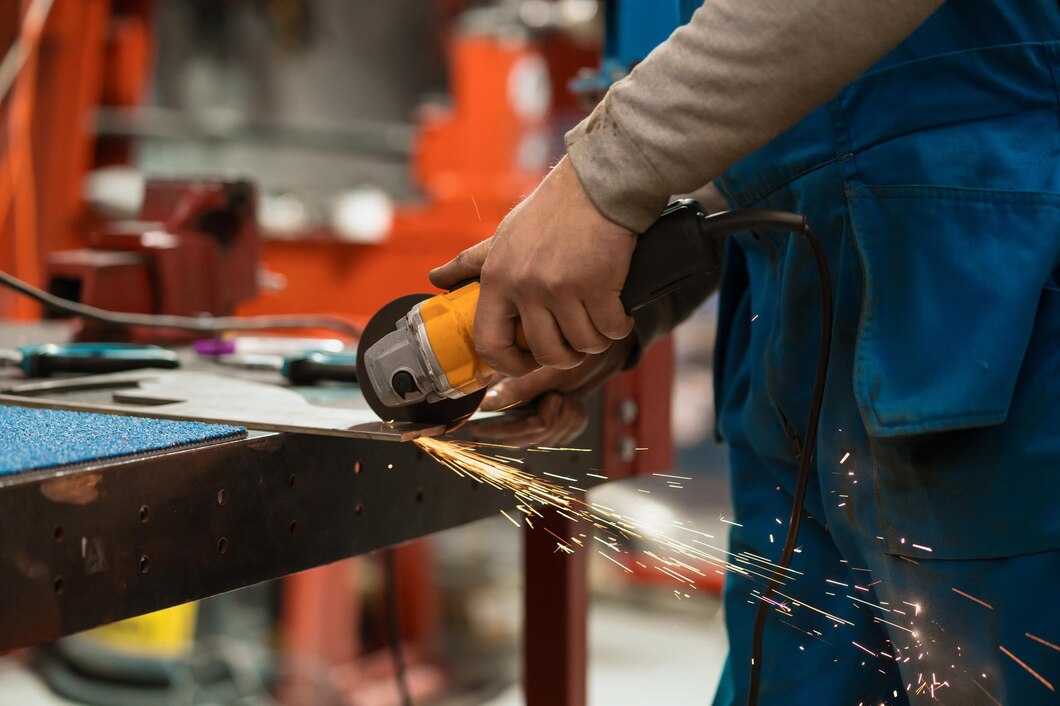
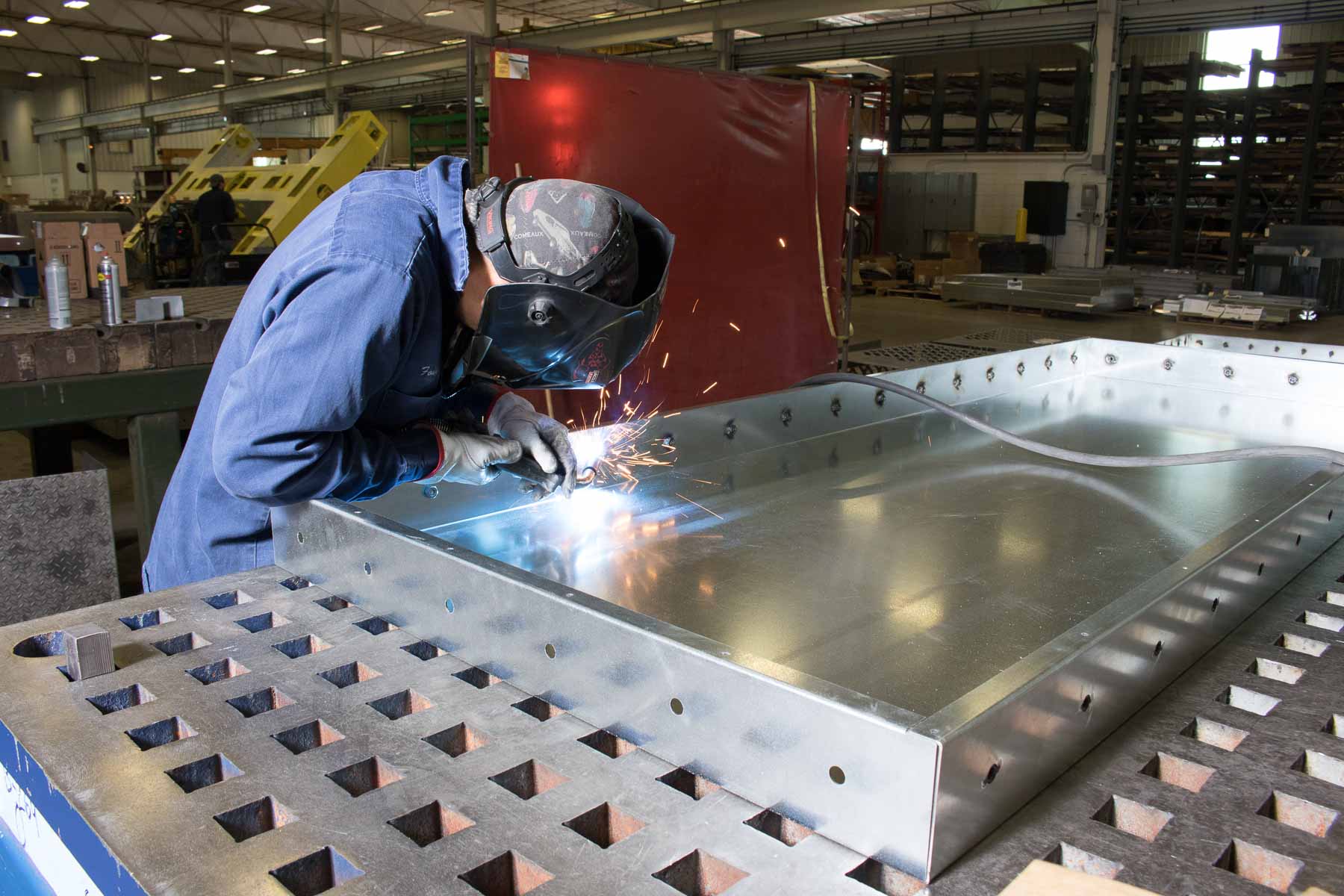
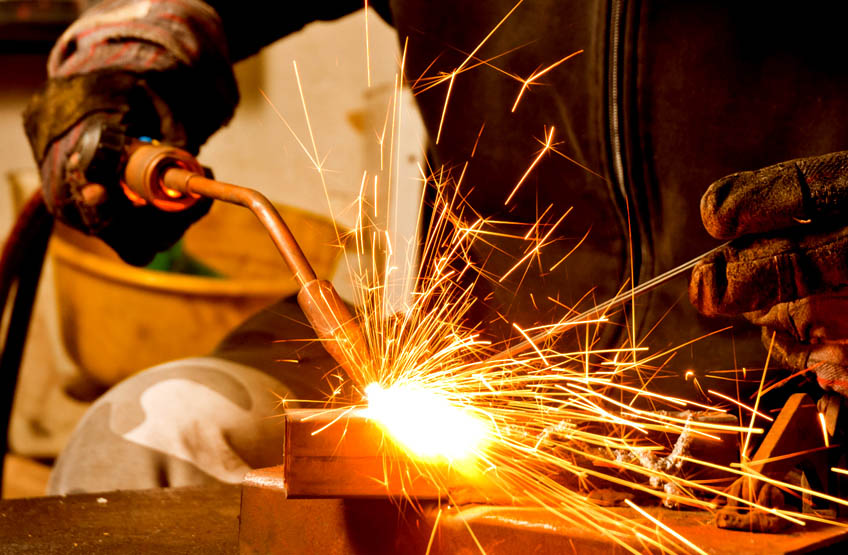
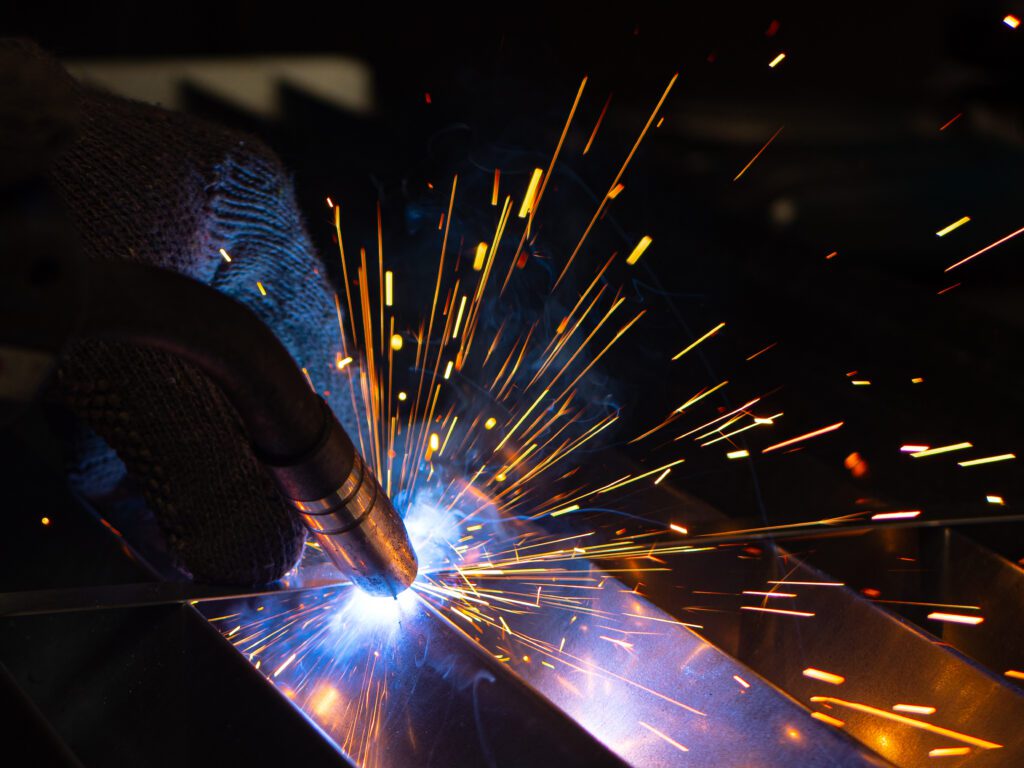
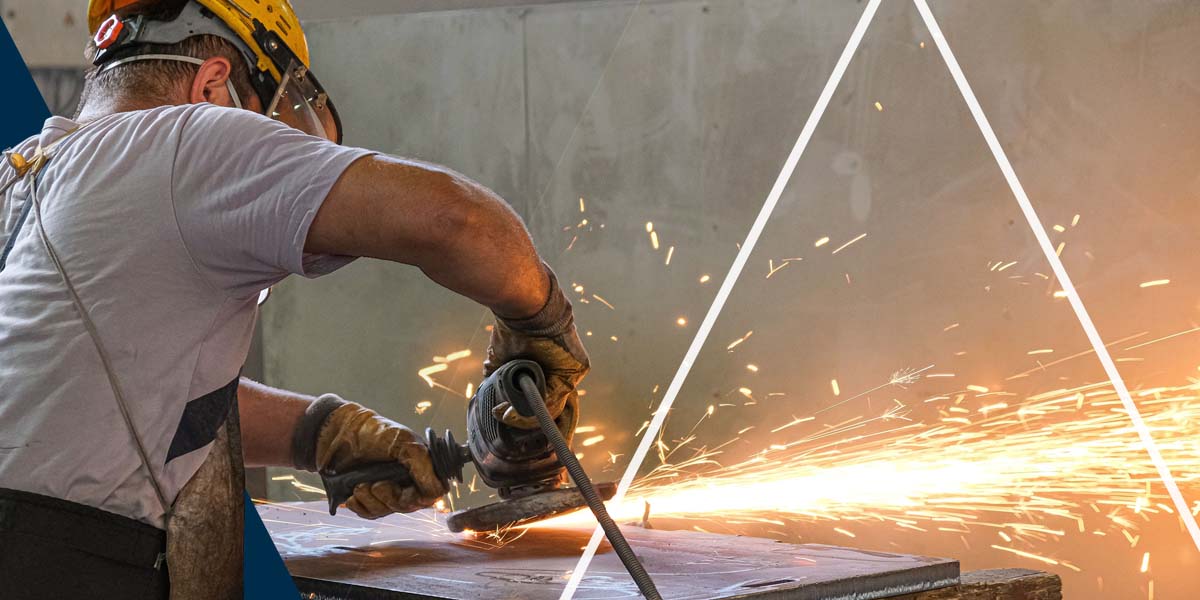
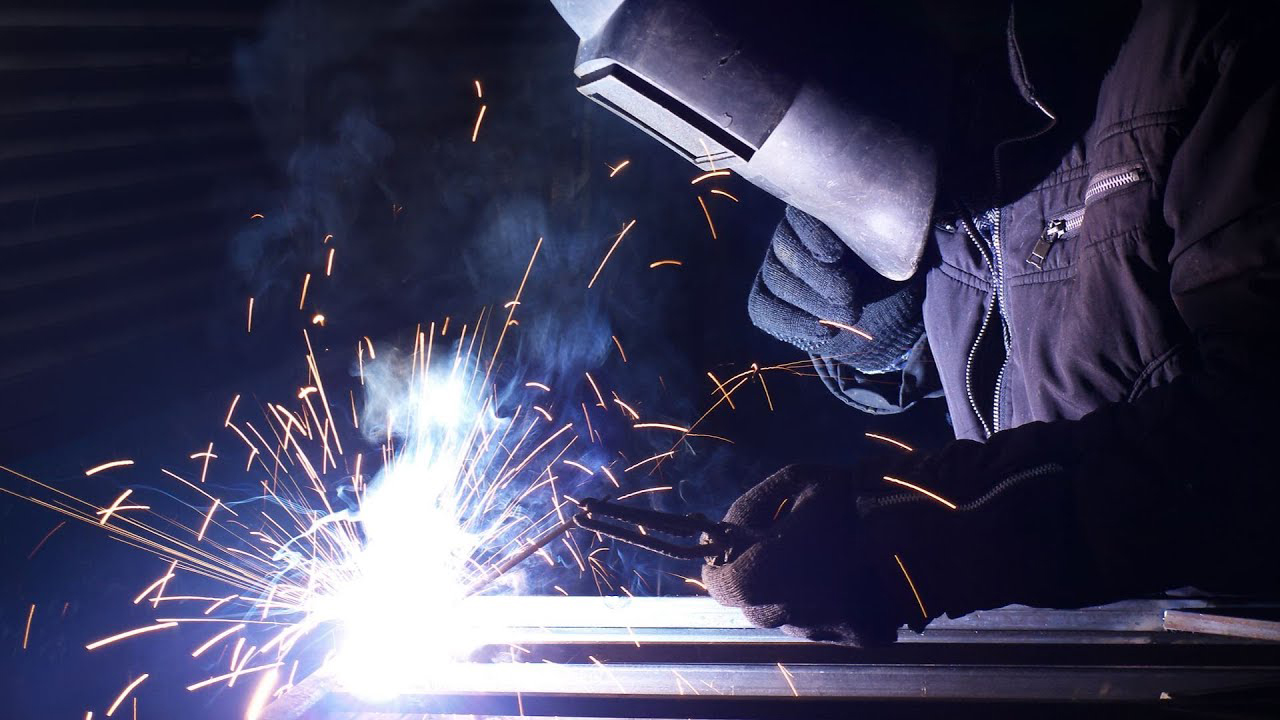
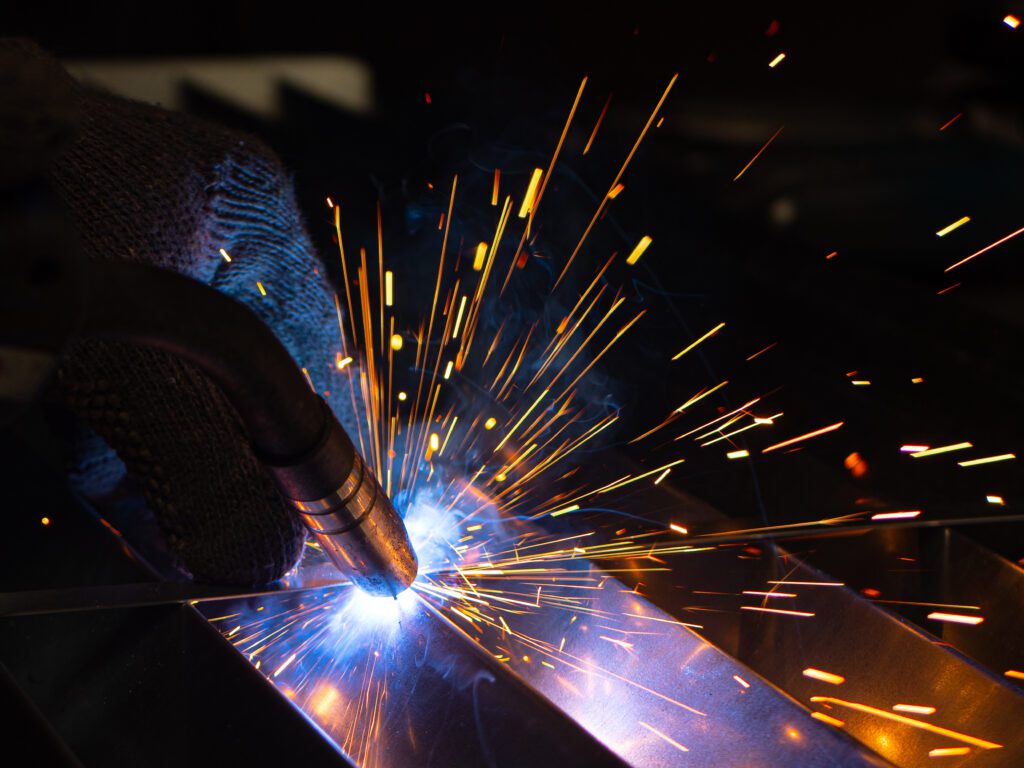
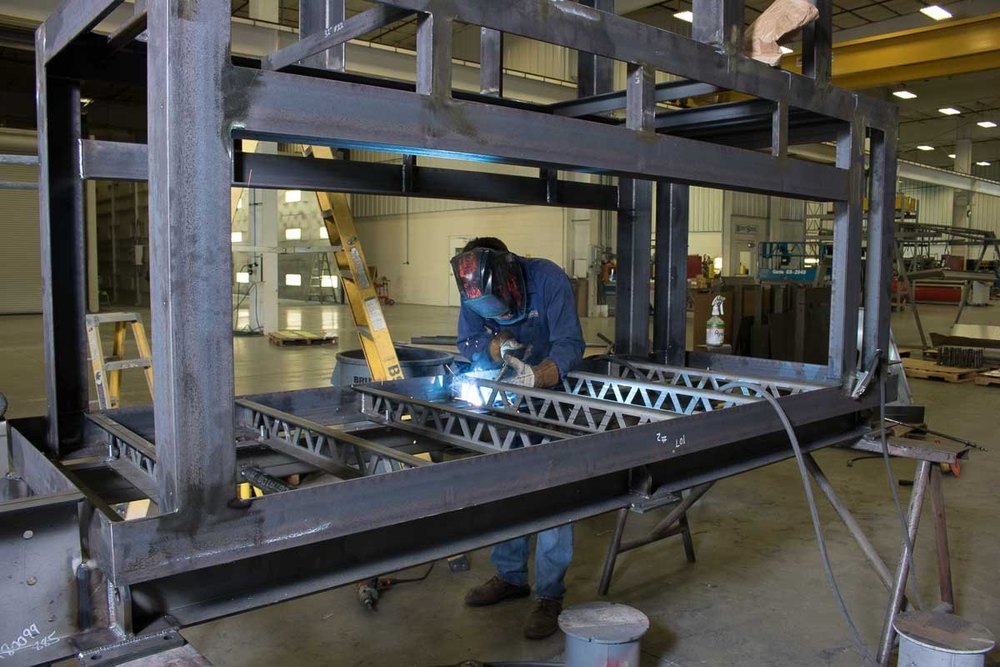
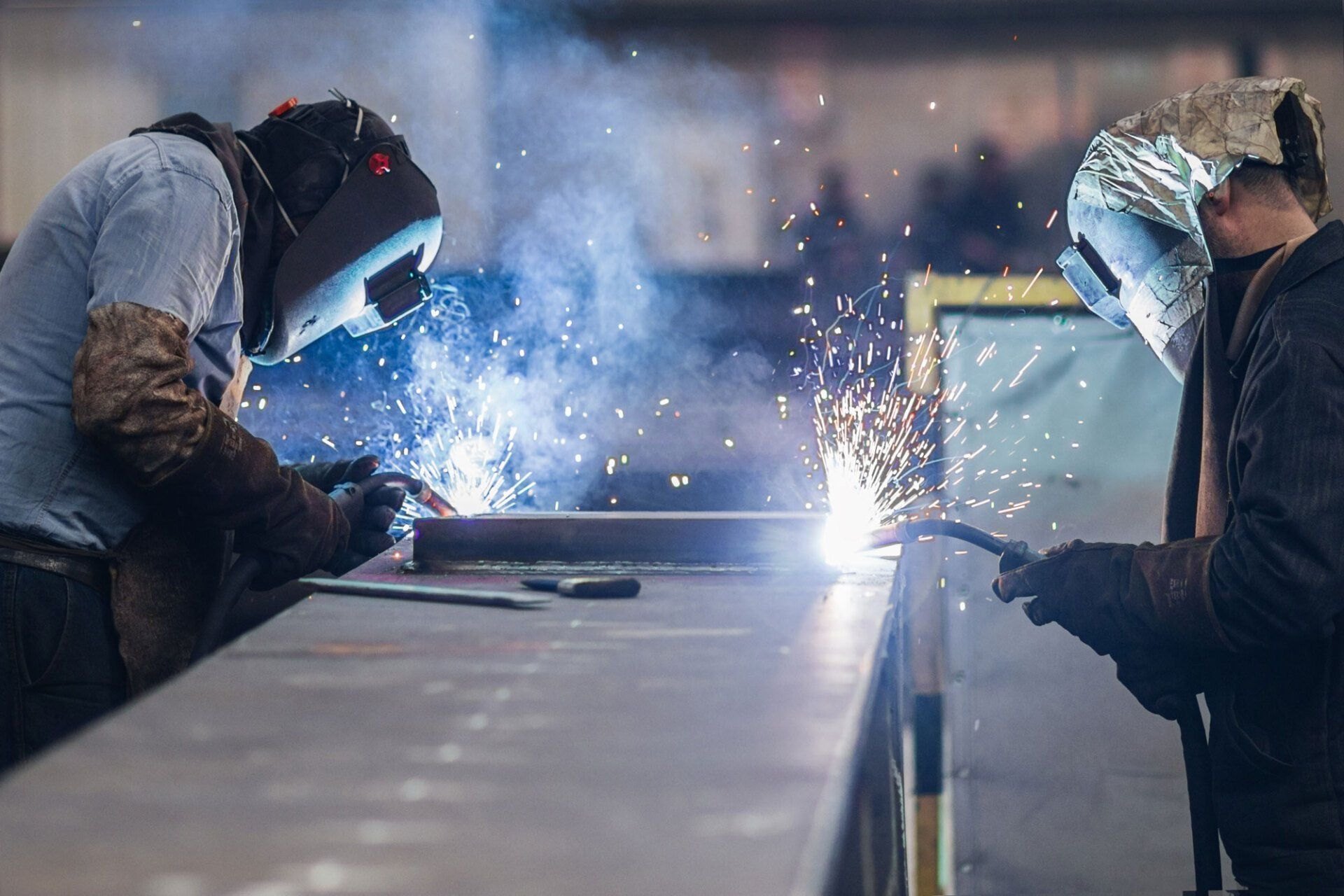
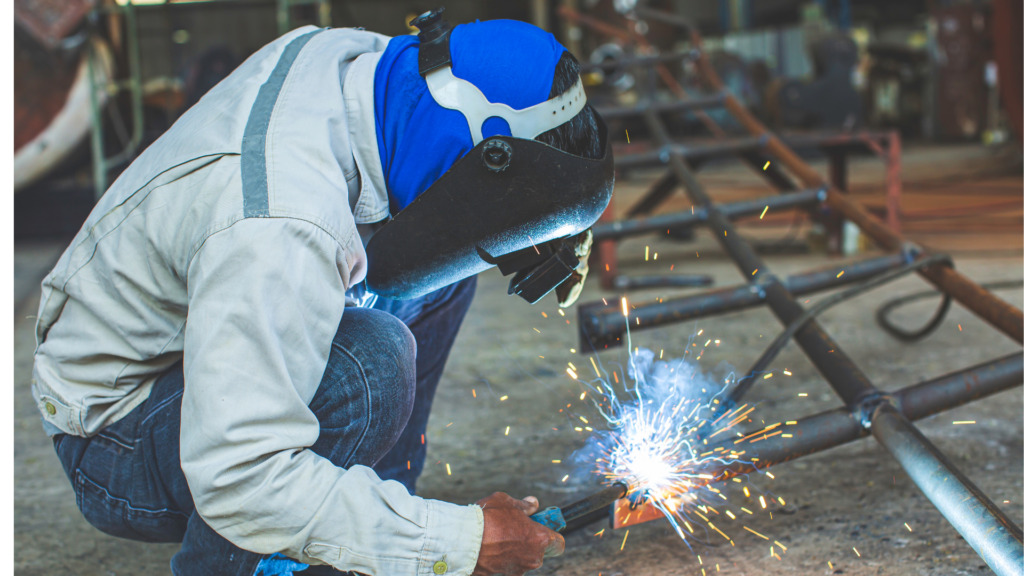
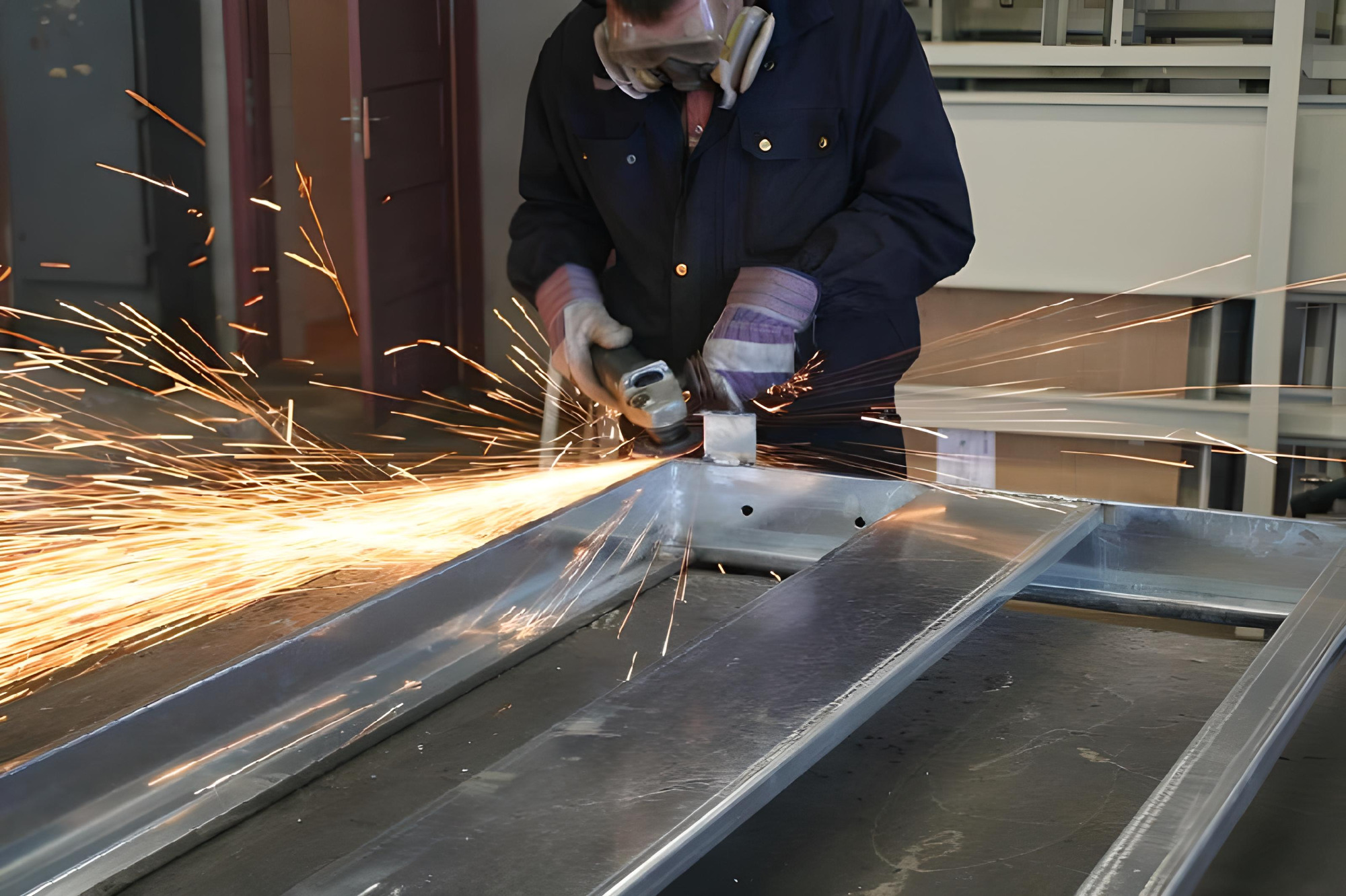
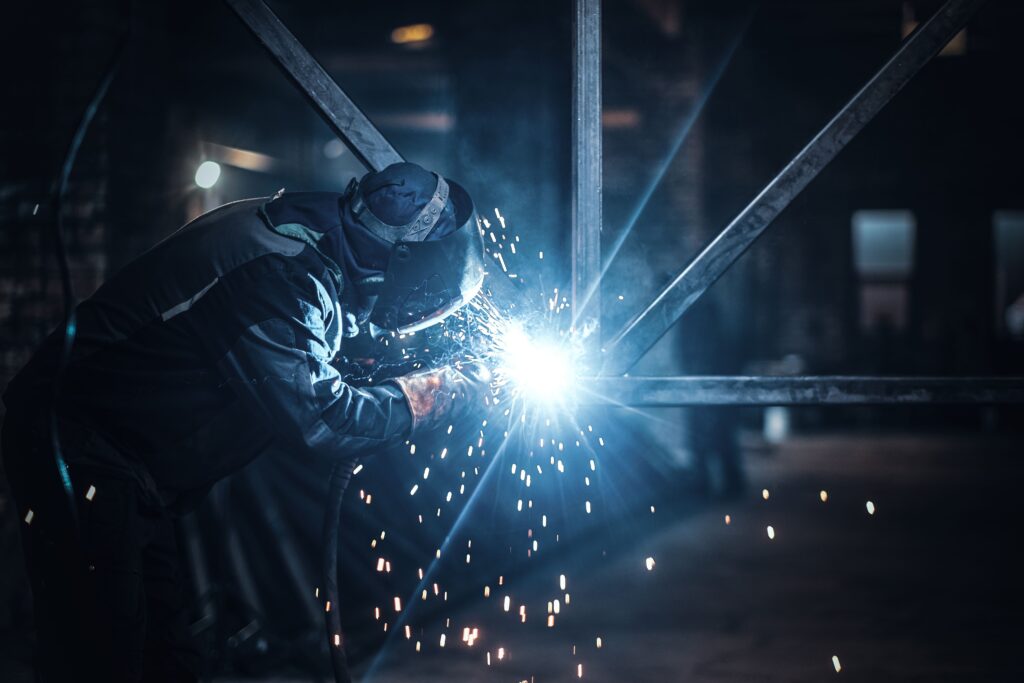
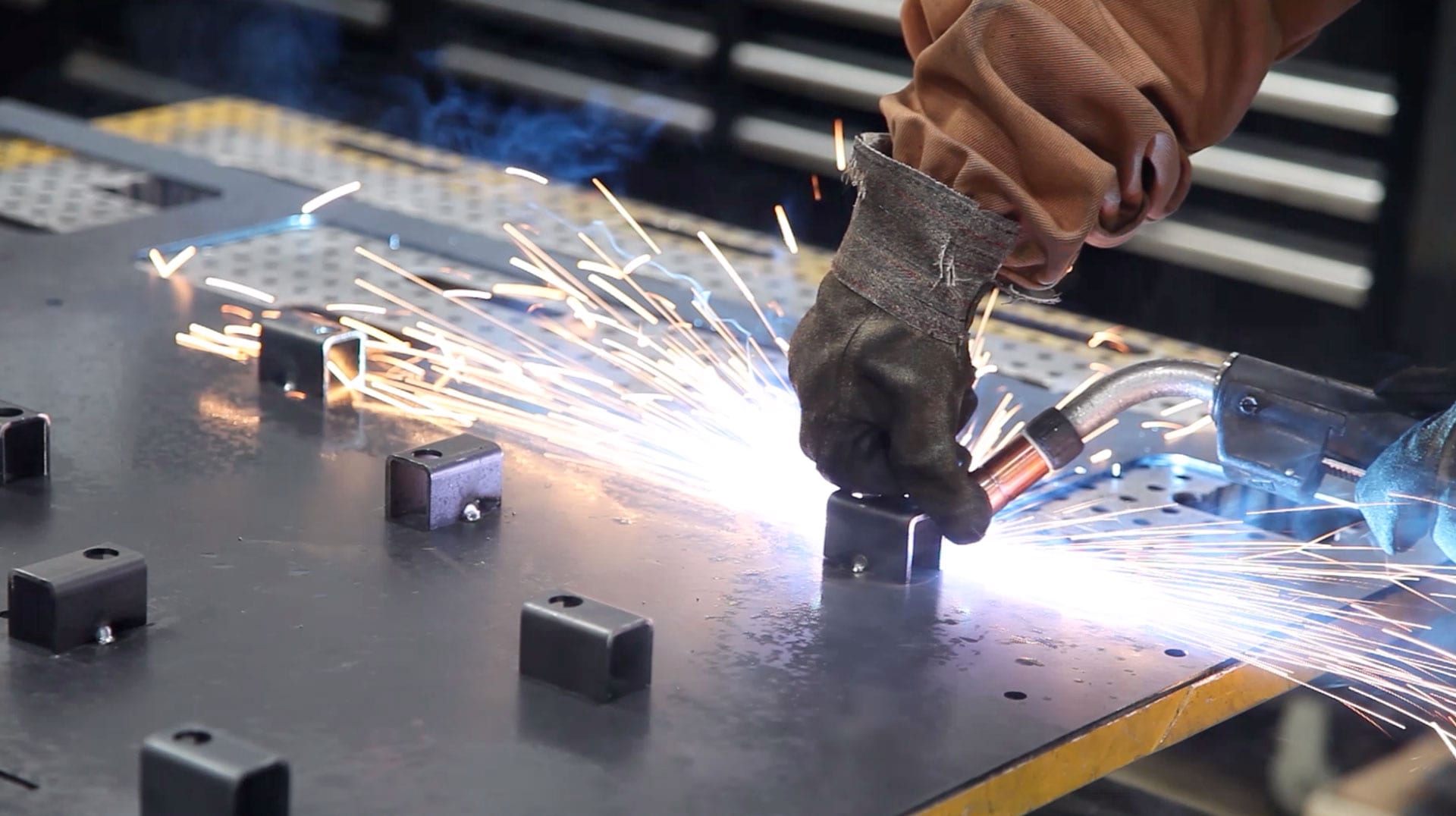
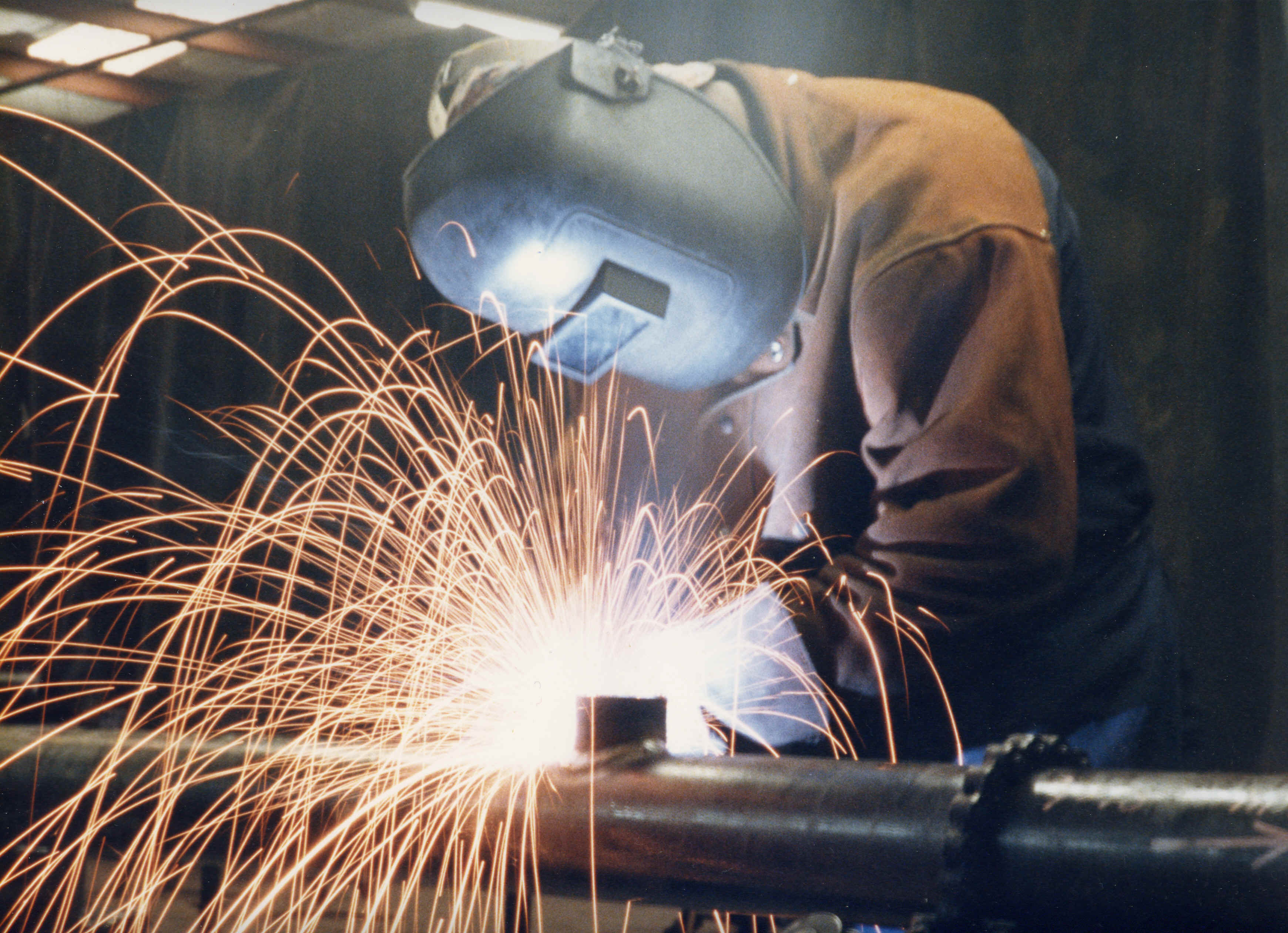
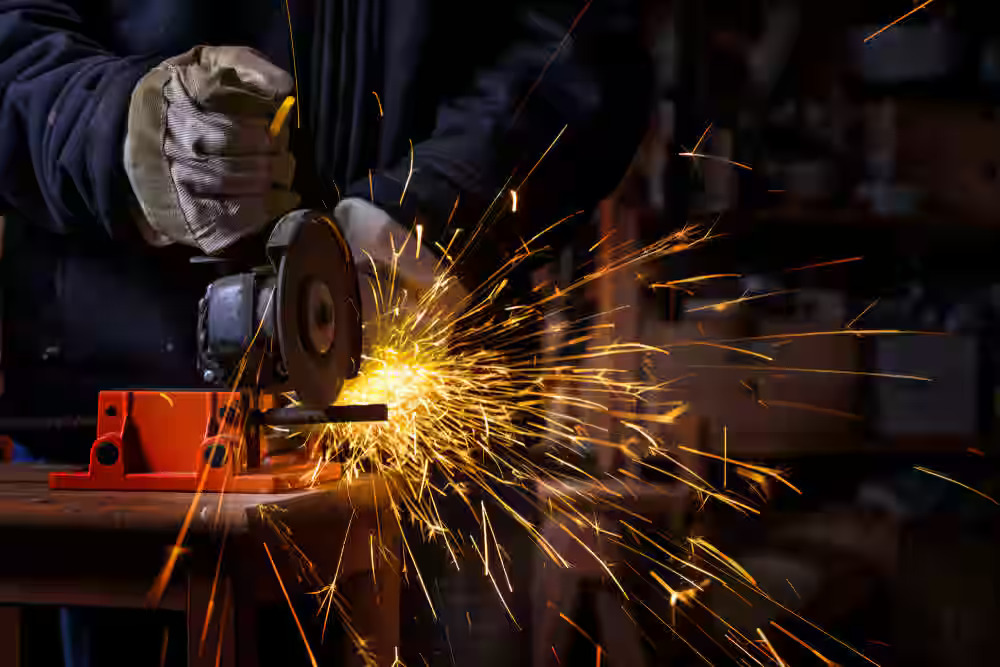
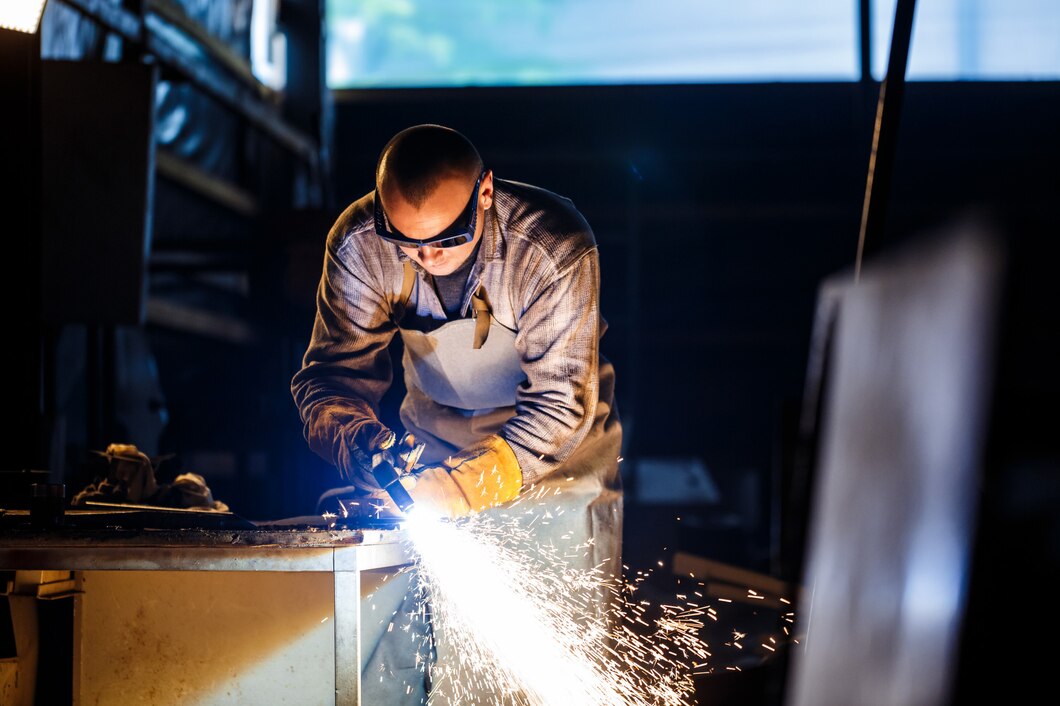
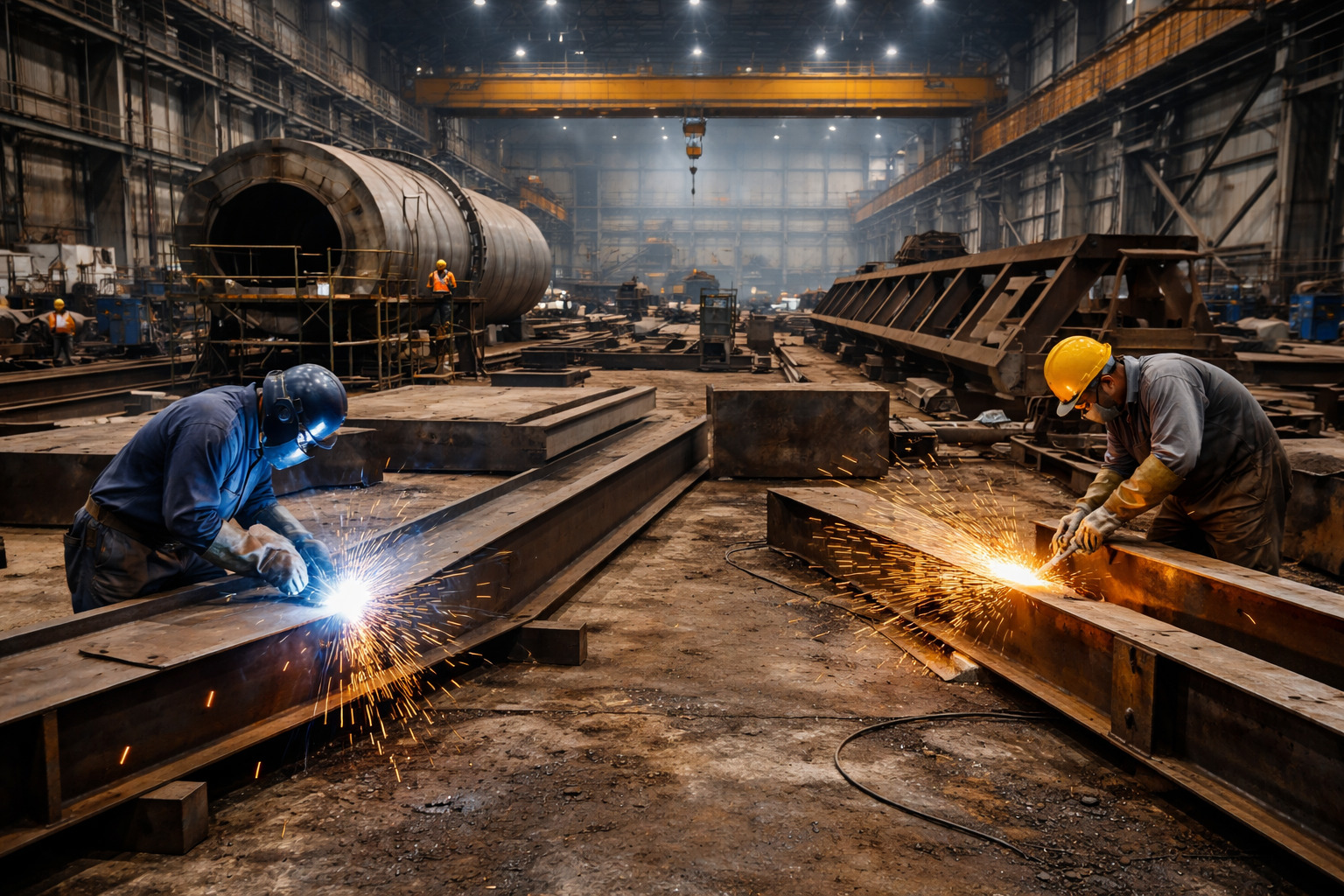
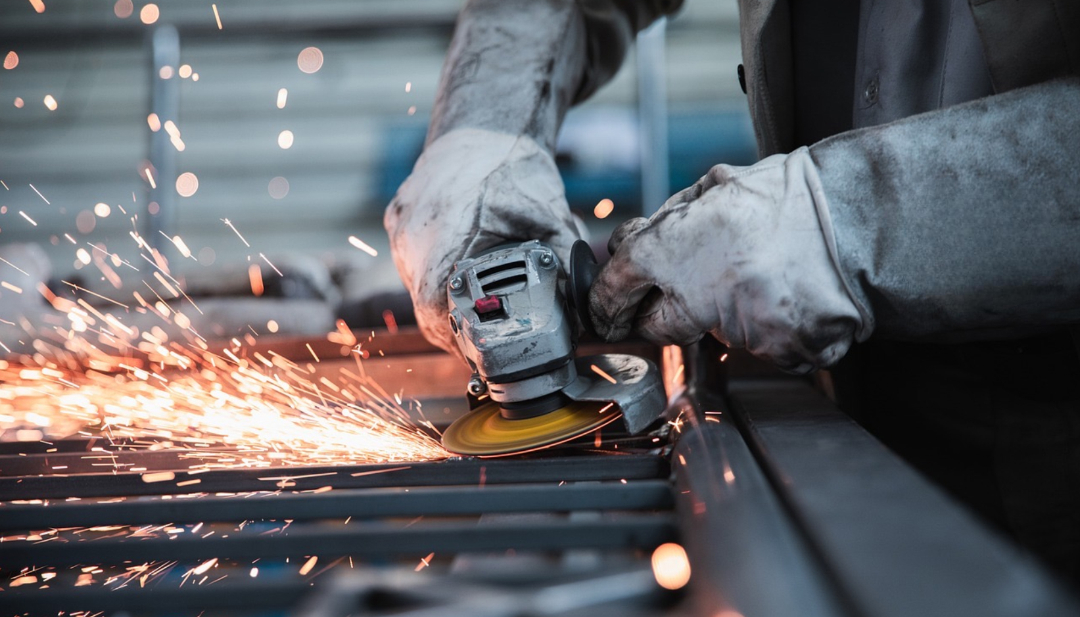
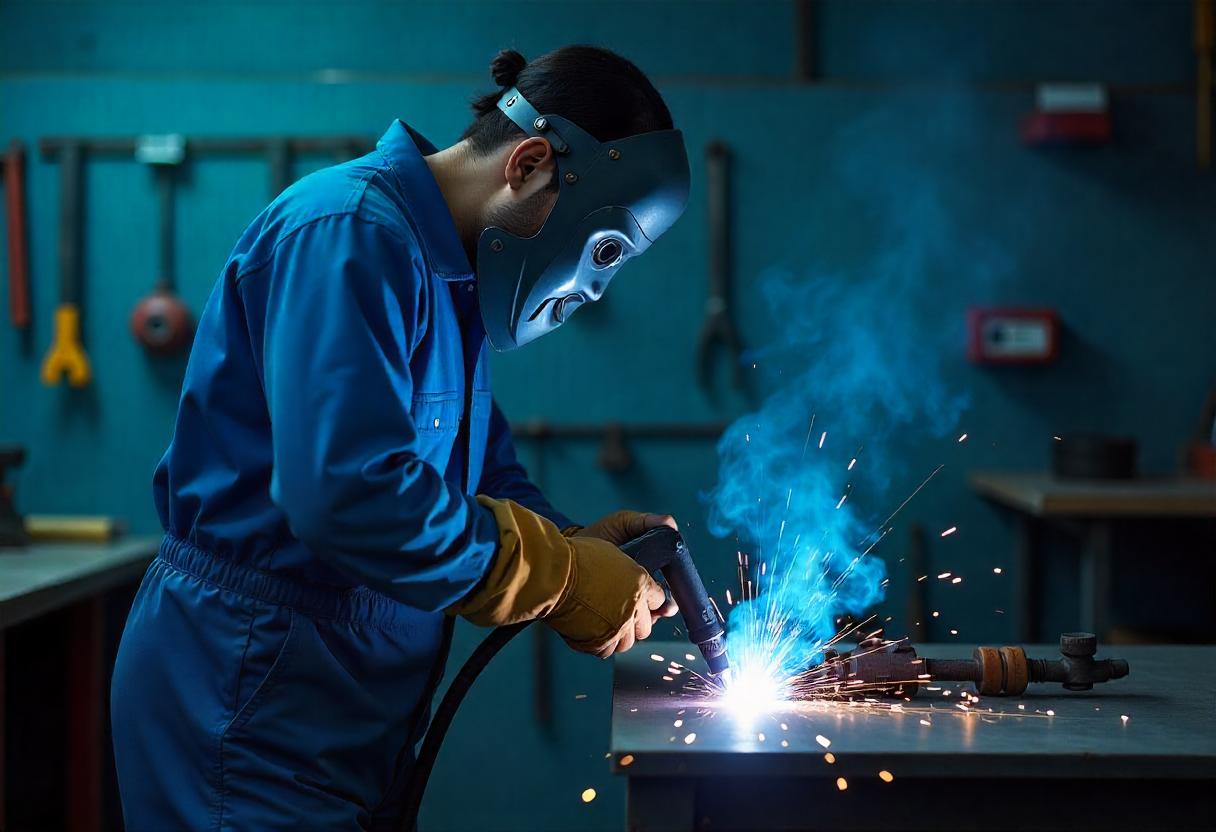
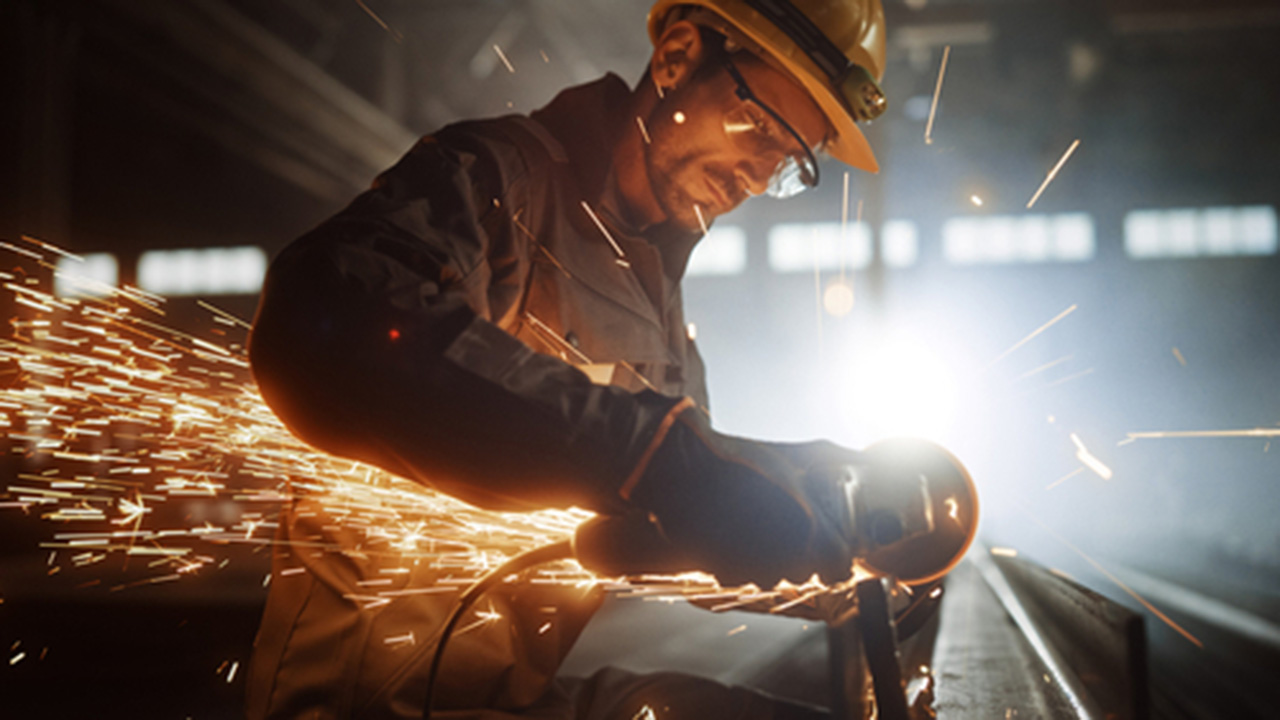
- Assembly/welding – after forming, parts may be welded (MIG, TIG, spot), fastened or formed into assemblies. A facility in Bangalore lists MIG, TIG, gas welding for sheet metal components. Finishing – deburring, grinding of weld seams, surface treatments such as coating, powder-coating, plating, galvanising, painting. All of these ensure durability, protect from corrosion and provide a good aesthetic. E.g., a North India article lists “finishing (powder-coating, painting)”.
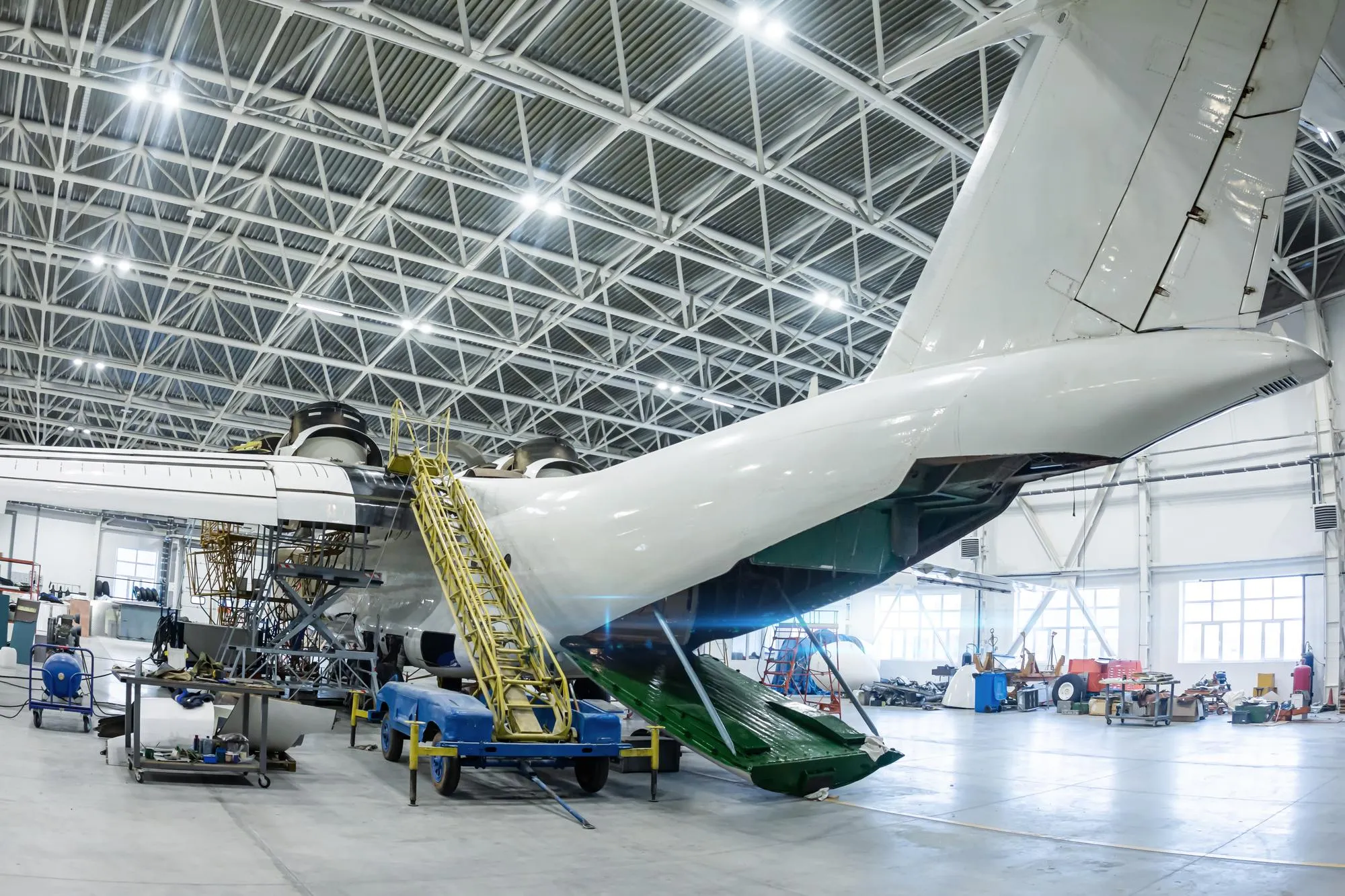
Why Bangalore is a strong hub for sheet metal fabrication
Several factors converge to make Bangalore a favourable location for sheet metal fabrication operations:
- Skilled workforce & engineering base
Bangalore hosts many engineering colleges, technician training institutes and industrial clusters. This means fabricators can tap technicians familiar with CNC / CAD / CAM / fabrication processes. As one article notes: “skilled workforce… supported by … educational institutions … industrial ecosystem.” - Industrial ecosystem & supply chain
Areas like Peenya Industrial Estate, Hosur Road, Electronic City and other nearby industrial belts are home to metal-working, tooling, finishing, assembly and logistics operations. A blog rightly points out that because of this supply chain, competition keeps prices more reasonable and options more flexible. zeometrix.com+1 - Technology adoption
Fabricators in Bangalore are adopting modern machines—laser cutters, turret punch presses, CNC bending machines, robotic welding and automated finishing. For example: a facility lists “laser cutting 3040×1550 mm”, “1000 hits/min turret punching machine”, “bending 200 ton capacity”.
Being in Karnataka with reasonable connectivity to raw‐material suppliers (metals, sheets) and to markets (domestic and export) helps. Also the presence of many OEMs and industries means demand is local and regional. The article mentions “strategic location … excellent connectivity to key markets and suppliers”.- Cost and flexibility advantage
Because of competition and mature supply chain, fabricators in Bangalore offer good value for many custom or small-run jobs. A blog on affordable fabricators in Bangalore details how small jobs/prototypes can be done reasonably. zeometrix.com -
Together these make Bangalore a viable option not only for large volume industrial sheet metal fabrication but also for custom, prototype or niche jobs.
What capabilities you’ll find in Bangalore’s sheet metal fabrication sector
When you look at the vendor landscape in Bangalore, you’ll find a wide range of capabilities and service offerings. Below are indicative capabilities based on firms and descriptions from web sources.
Materials handled
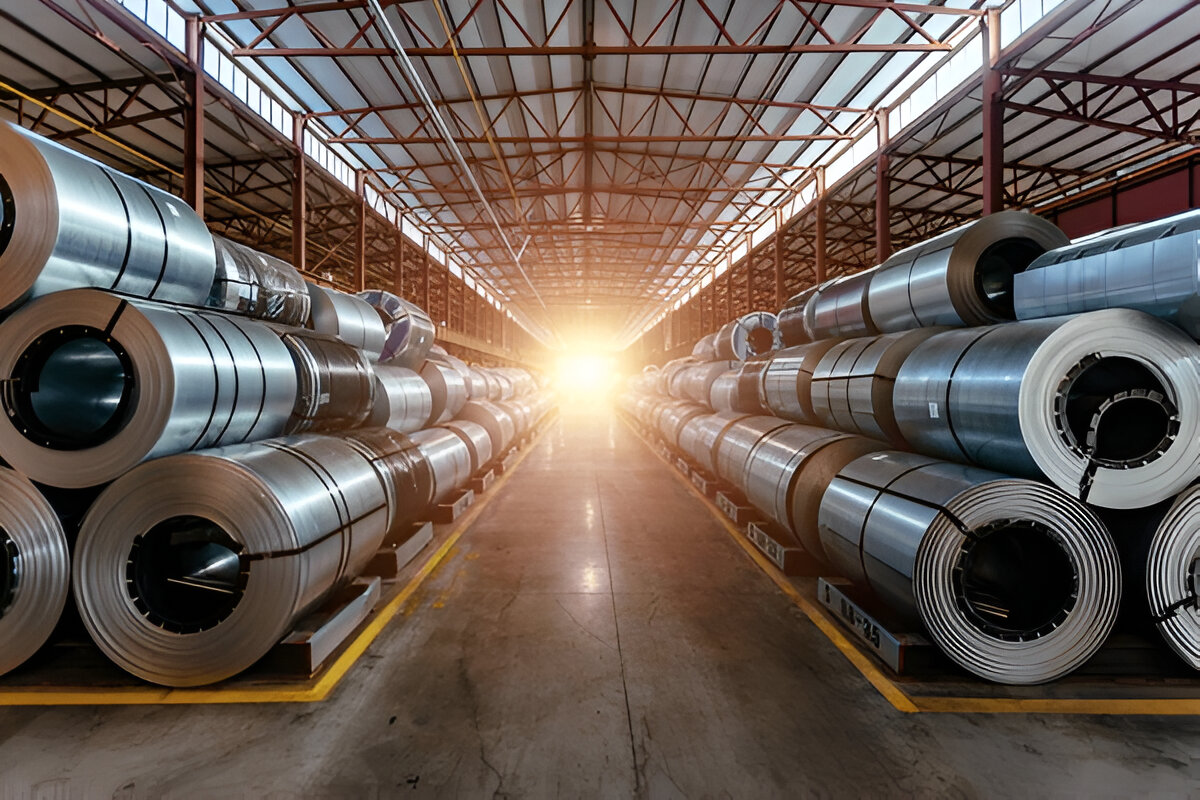
- Mild Steel (MS) / CRCA (cold‐rolled close‐annealed) sheets
- Galvanised Iron (GI) sheets
- Stainless Steel (SS) – grades such as 304, 430, 202 etc.
- Aluminium & Copper sheets for lighter weight or special applications. Processes / equipment
- Laser cutting (large bed sizes e.g., 3040×1550×200 mm) for CRCA, HR, GI, Al.
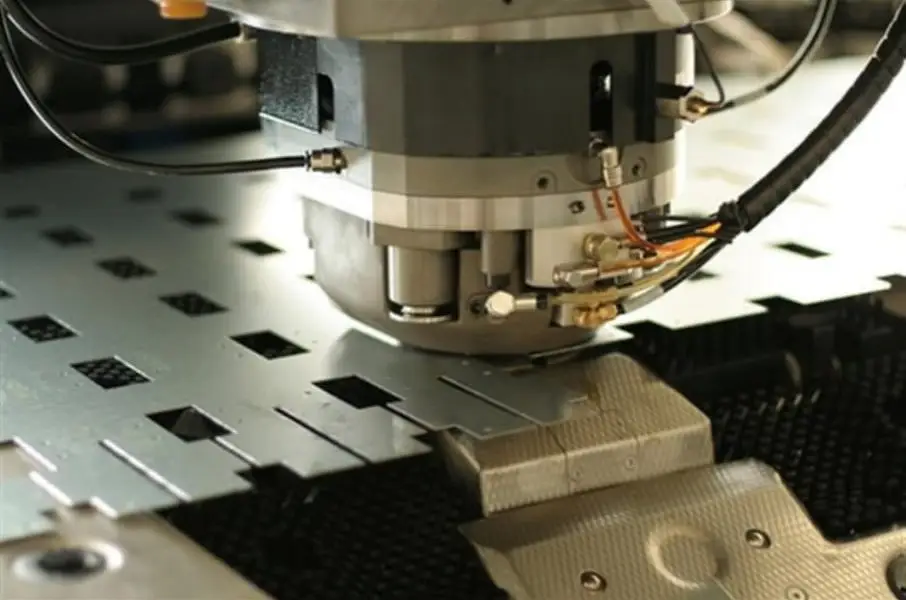
- CNC turret punching (e.g., 43 turret stations) for high‐throughput punching. Press Brakes / CNC bending machines (e.g., up to 200 ton capacity, bed size 3.2 m) for forming.
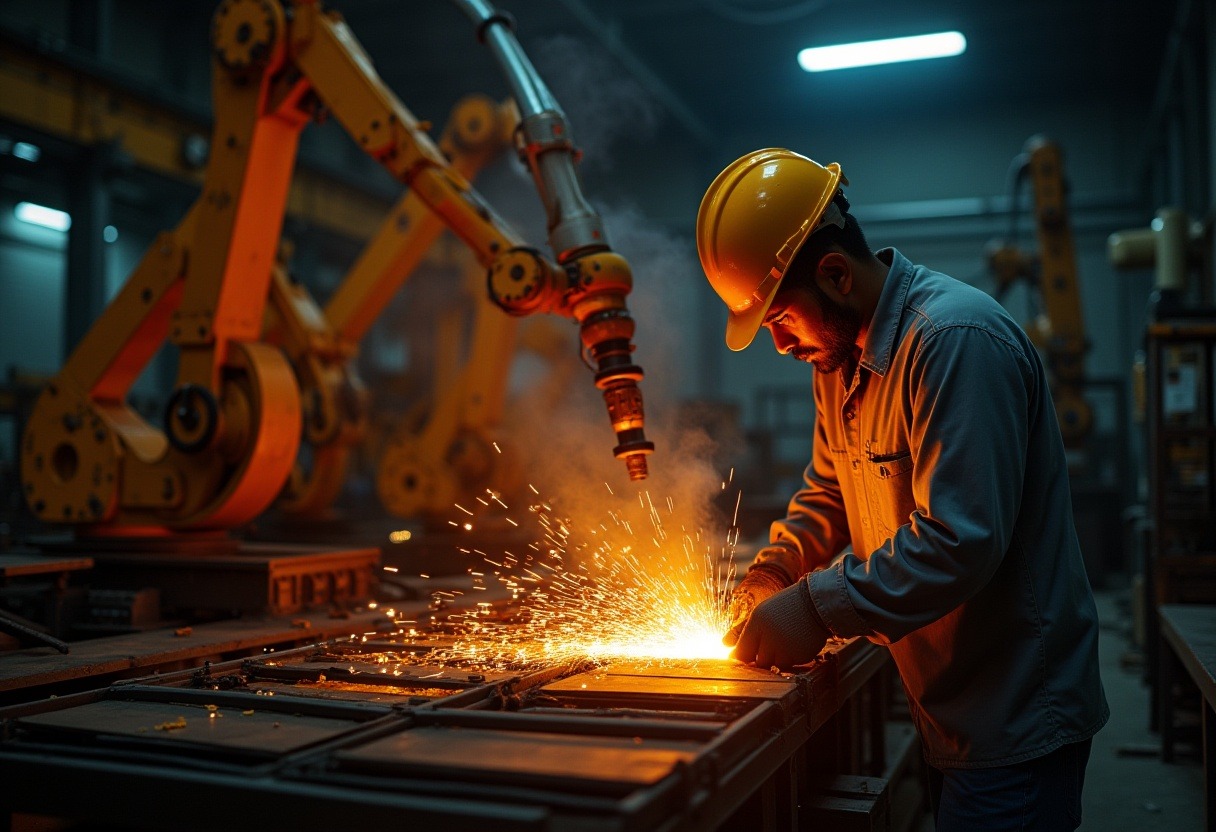
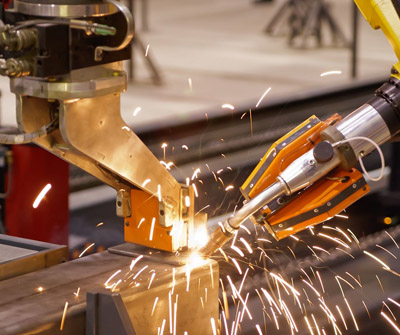
- Robotic or semi‐automatic welding (MIG/TIG/Gas) for assembly of sheet metal parts even up to 20 mm thickness.
- Finishing services – powder coating, painting, galvanising, plating, anodising.
- Inspection and quality control equipment – for example, one facility lists “vernier height gauge, vernier caliper, surface plate, work table, conventional lathe, milling etc” in Bangalore.
-
Range of parts and assemblies
- Enclosures, cabinets, racks, trays (for electronics, telecom) — e.g., one company lists manufacturing electronic modular enclosures, cable trays etc.
- PM Industries offers heavy structure and enclosure fabrication. Structural sheet metal parts and heavy fabricated assemblies (industrial tanks, frames) — e.g.,
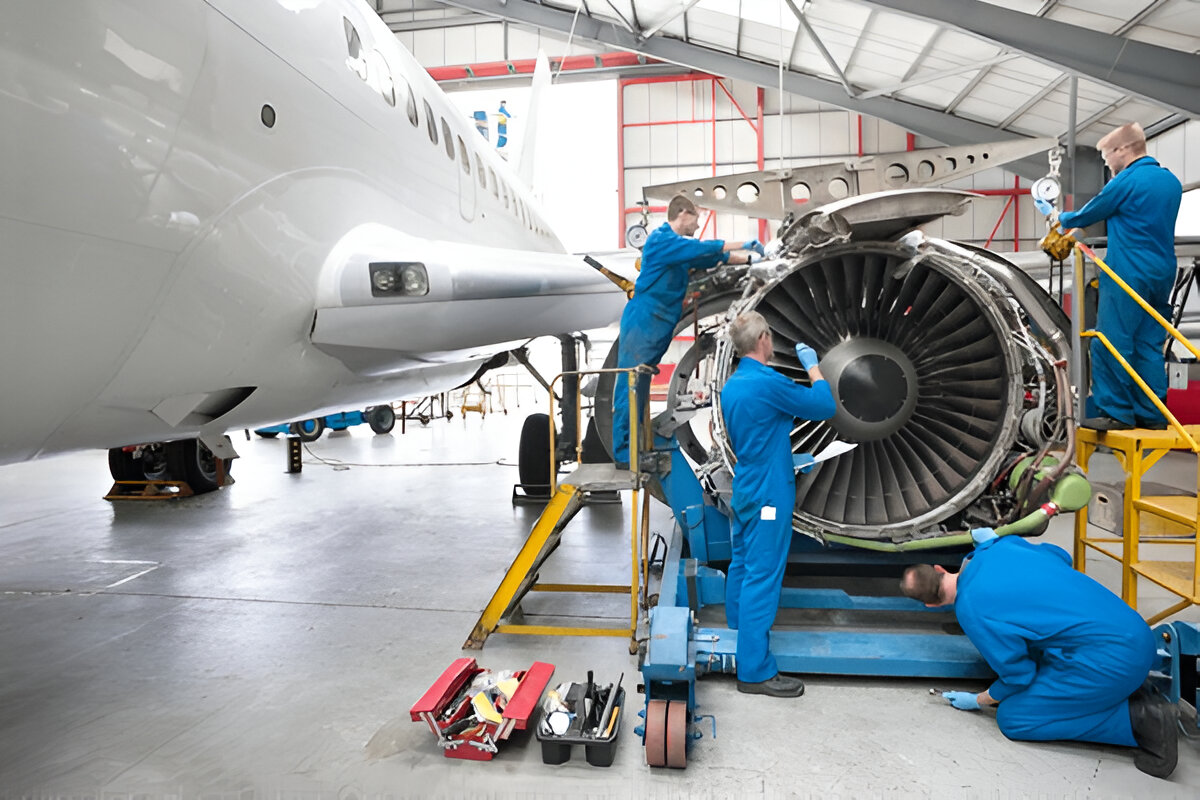
- Precision sheet metal components for aerospace/defence, automotive and machine tools. E.g., one Bangalore‐based fabricator supplies stamping components, precision sheet metal parts to automobile, aerospace & defence.
- Small run, prototype jobs as well as large volumes, depending on vendor flexibility.
-
Typical service attributes
- Design/engineering support (CAD drawings, prototyping)
- One-stop service from material procurement → processing → finishing → delivery
- Accepting small and large orders (some fabricators emphasise small quantities or prototype jobs) zeometrix.com
- Flexible finish, custom sizes, bespoke shapes
- Delivery within competitive lead-times; some advertise “fastest delivery” among their benefits.
-
What to look for when choosing a sheet metal fabricator in Bangalore
If you are a buyer (OEM, start-up, engineering firm) evaluating fabricators in Bangalore, the following list of criteria will help you pick the right partner. These derive both from general manufacturing best practices and observations specific to Bangalore’s sheet metal scene.
- Material capabilities & grades
- Verify the types of materials they handle (MS, SS, Aluminium, GI) and thickness ranges.
- Check if they can provide material test certificates (for SS, aluminium) and ensure they use the correct grade for your application (e.g., corrosion environment).
- Ask about minimum sheet sizes, thickness limits, and any restrictions on heavy gauge sheet metal.
- Machining/fabrication equipment & scale
- What kind of machines: laser cutter bed size, CNC punch press, press brake capacity (tonnage & bed length) etc. E.g., one Bangalore firm lists a 200‐ton capacity press brake and laser cutting bed 3040×1550 mm.
- Ensure they have the capability for your part size, complexity and volume. If you have large sheet size or heavy forming, make sure the fabricator has adequate machinery.
- Look for finishing & welding capabilities: are they doing the full job (cut → bend → weld → finish) or only a portion?
- Design & engineering support
- Especially for custom work, prototyping or novel parts, does the vendor help with CAD drawings, design optimisation, prototyping?
- Are they able to work from your drawings (2D/3D), provide suggestions on manufacturability, tolerance feedback?
- Quality control & certifications
- Do they have documented QC processes, inspection equipment (calipers, gauges, CMM, surface plates) and procedures? For example, one firm describes inspection equipment in Bangalore.
- Ask about weld certification, inspection of finished parts, surface finish checks, dimensional tolerance lists.
- If your part demands certain industry standards (automotive, aerospace, telecom), check for relevant certifications or acceptance of audit/inspection.
- Finishing & surface treatment
- What surface finishes do they offer? E.g., powder coating, galvanizing, painting, anodising. One Bangalore vendor lists powder coating, plating, hot dip, anodising.
- Are these finishes done in-house or subcontracted? Outsourced finishing may add time & cost.
- Consider the environment where your part will go (corrosive, outdoor, indoor), and choose finish accordingly.
- Lead-time, flexibility and minimums
- If you are doing prototypes or small runs, check the vendor’s minimum order quantity and willingness to work with small lot sizes. The blog on affordable fabricators in Bangalore emphasises this. zeometrix.com
- What is their typical lead time from order to delivery? Are they able to meet your schedule?
- How do they handle changes or revisions? This is crucial for prototyping.
- Cost transparency and value-added value
- Obtain a clear quote that separates material cost, processing cost, finish cost, and other overheads (transport, packaging). The affordable fabricator blog emphasises asking for transparent pricing. zeometrix.com
- Evaluate not just the lowest cost, but the value in terms of finish quality, delivery reliability, after-sales support.
- Delivery, logistics and after-sales
- Where is the supplier located in Bangalore? Industrial zones may be preferred for ease of shipping and receiving heavy material.
- How do they package and ship? What is their track record for on-time delivery?
- Do they provide any warranty, or handle returns/rework if there’s a defect?
- Communication & project management
- Especially with custom parts, good communication, one-to-one account manager (some vendors advertise this) helps. For example, PM Industries in Bangalore mentions one-to‐one account manager.
- Clear documentation, drawing revision control, change management — all helpful in avoiding surprises.
-
Real-world examples and cost considerations
To ground things in reality, here are some indicative examples and cost considerations drawn from Bangalore fabricators:
- From the “Affordable Sheet Metal Fabricators in Bangalore” article: For a custom job with mild steel sheet metal, a ball-park cost might be around ₹400-600 per square foot (for mild steel) in Bangalore. Of course this varies with thickness, finish, complexity. zeometrix.com
- The article also lists finishing, transport and other overheads which can add significantly. For example:
-
Material (steel sheets) ₹1,500-₹3,000; labour ₹1,000-₹2,000; finishing ₹800-₹1,500; transport/packaging ₹500-₹1,000 → Total ~₹3,500-₹7,000 for a relatively small enclosure job. zeometrix.com
- Common fabricators in Bangalore are listed on directories like Justdial. For example, for sheet metal fabrication part manufacturers in Bangalore you’ll find multiple listings.
-
From these data we can infer:
- Material type matters: stainless steel or aluminium will cost more (material cost + fabrication difficulty) compared to mild steel.
- Finishing and surface treatment add significantly to cost.
- Complexity (number of bends, welds, assembly, tight tolerances) affects cost and lead-time.
- Smaller run / prototype jobs may have a premium (unless vendor specialises in small lots).
- Lead-time may influence cost: fast turnaround often costs more.
-
Challenges facing the sheet metal fabrication industry in Bangalore
Despite its strengths, the Bangalore sheet metal fabrication sector also faces several challenges that both buyers and vendors should keep in mind.
- Raw material cost fluctuations
Metal prices (steel, aluminium, stainless) can be volatile. This affects cost estimates and supplier margins. The blog mentions raw material cost as one of the challenges. - Skilled labour & training
While Bangalore has good access to engineers/technicians, advanced fabrication (robotic welding, laser cutting optimisation, automated bending) still needs skilled manpower. Vendors need to train continuously. The industry note mentions “continuous need for training” as a challenge. - Environmental & regulatory pressures
Finishing operations (paint, powder coating, galvanising) must comply with environmental regulations. Waste disposal, chemical handling are significant considerations. More fabricators now need to invest in eco-friendly technologies. - Competition & cost pressures
As many vendors in Bangalore exist, competition can be intense. This is good for buyers (lower cost) but margins for vendors may be thin; quality can suffer if vendors under-price. Buyers must vet carefully. - Lead-time & capacity constraints
As demand grows (especially with trend towards electric vehicles, telecom gear, solar infrastructure) some fabricators may be stretched in capacity, leading to longer lead times or quality compromises. - Industry 4.0 adoption gap
While many vendors have modern machines, full digitisation (CAD/CAM integration, IoT monitoring, automated material handling) is still uneven. Those fabricators that lag may struggle in more demanding applications. -
Future trends & opportunities in Bangalore’s sheet metal fabrication space
Looking ahead, several trends are poised to shape the sheet metal fabrication industry in Bengaluru and beyond:
- Integration of Industry 4.0: Automation, IoT, data analytics, machine-learning for process optimisation. Smart fabrication shops with integrated CAD/CAM → CNC machines → automated handling and inspection. The blog mentions “adoption of IoT, AI and automation” as part of the future.
- Sustainability & green manufacturing: Reduced waste (optimised nesting in laser cutting, reuse of off-cuts), energy-efficient machines, eco-friendly finishing, recycling of metal. As global buyers emphasise sustainability, Bangalore fabricators will need to respond.
- Customisation and small-batch production: With markets demanding more variants, shorter product life-cycles, prototyping and small-batch production capability will be a differentiator. The blog on affordable fabricators mentions this trend. zeometrix.com
- Electric vehicles (EVs) and new sectors: As EV adoption increases, new sheet metal components (battery enclosures, chassis parts) will present opportunities. Similarly, renewable energy infrastructure (solar racks, wind tower components) may drive demand.
- Export and global supply-chain participation: Fabricators in Bengaluru are increasingly capable of serving export markets (with quality, finish, documentation). If they align to global standards, they can grow their international business.
- Materials innovation: Use of lightweight metals (aluminium, magnesium alloys), composite sheet metal, and hybrid materials may increase. Fabricators will need to adapt.
-
Practical tips for buyers looking at sheet metal fabrication in Bangalore
Here are some actionable tips if you’re sourcing sheet metal parts or assemblies in Bangalore:
- Visit the facility: If possible, physically inspect the workshop. See machine condition, finish quality, previous samples, cleanliness, and organisation.
- Request samples or past jobs: Ask to see parts similar to yours in size, material, finish, tolerance. Ask for photos or even physical samples.
- Clarify all costs up front: Ask for a breakdown: material, processing (cutting, bending, welding), finishing, transport/packing, taxes. Ask about minimum order quantities and lead time.
- Specify your drawing clearly: Provide DWG/STEP/IGES drawings, specify tolerances, surface finish, welding requirements, finishing expectations. Ask vendor for feedback on manufacturability.
- Set quality acceptance criteria: Define inspections, measurements, documentation (material certs, weld records). If your part has critical dimensions or functional requirements, make sure vendor commits to measurement reports.
- Finish matters: Many parts fail because of poor finishing (sharp edges, weld spatter, inadequate coating). Ensure vendor’s finishing is appropriate for your end-use environment.
- Logistics & packaging: Heavy or large sheet metal parts may require special packaging or handling. Clarify shipping cost, who bears it, and how parts will be protected.
- Lead-time buffer: Always build in some buffer time for prototype iterations, drawings revision, finishing, shipping. Short lead-times tend to cost more.
- Quality vs cost balance: The cheapest vendor is not always the best. If your part is critical (function, safety, appearance), paying slightly more for better quality and reliability makes sense.
- Future scalability: If you anticipate scaling production, choose a vendor who can scale up (larger machines, higher capacity, finishing lines) so you don’t have to switch mid-life-cycle.
-
Case study snapshot: capabilities from local vendors
Here are a few real-world examples from fabricators in Bangalore:
- Fine Punch Fab Pvt Ltd, located in Electronic City Phase-2, Hosur Road, Bengaluru: More than 18 years’ experience; works with MS, GI, aluminium, copper; equipped with CNC turret punch press, high accuracy bending machines, robotic welding up to 20 mm thickness.
- Lamiera Technologies, industrial hub in Bengaluru: Since 2010, specialising in precision sheet metal fabrication; facilities include laser cutting (3040×1550×200mm), 1000 hits/min turret punch press with 43 turret stations, bending machines up to 200 ton, hardware insertion machines.
- PRK Fabricators Pvt Ltd, founded as PRK Engineering Works in 1989, now a leading fabricator of sheet metal and stainless steel components for national & multi-national companies; infrastructure under one roof for production; weld, bend, drill, punch, etc.
-
These firms represent the breadth of capability: from precision small parts to heavy structures, from standard materials to high value material, from single-part prototypes to full production runs.
Summary & conclusion
The sheet metal fabrication in Bangalore is a compelling proposition for anyone looking for precision metal parts, assemblies or enclosures. The city offers a strong blend of skilled workforce, industrial ecosystem, modern machinery, flexible vendors and competitive pricing. As manufacturing increasingly moves to customisation, faster time-to-market, and global supply-chains, Bangalore fabricators are well-positioned.
However, to truly succeed you must partner wisely: choose fabricators with the right machines, quality systems, finishing capability, flexibility and communication. Carefully specify your materials, tolerances, finish and logistics. Be realistic about lead times and cost trade-offs. Keep the relationship transparent.
For many industries — electronics enclosures, telecom racks, machine housings, vehicle parts, renewable energy structures — sheet metal fabrication remains a backbone manufacturing process. In Bangalore, you’re not just getting a job done, you’re tapping into a mature industrial capability that can align with modern requirements: precision, customisation, finish and delivery.
- Quality control & inspection – ensuring dimensional accuracy, weld integrity, surface finish, and compliance with drawings/specifications. Some advanced facilities integrate inspection equipment and processes.
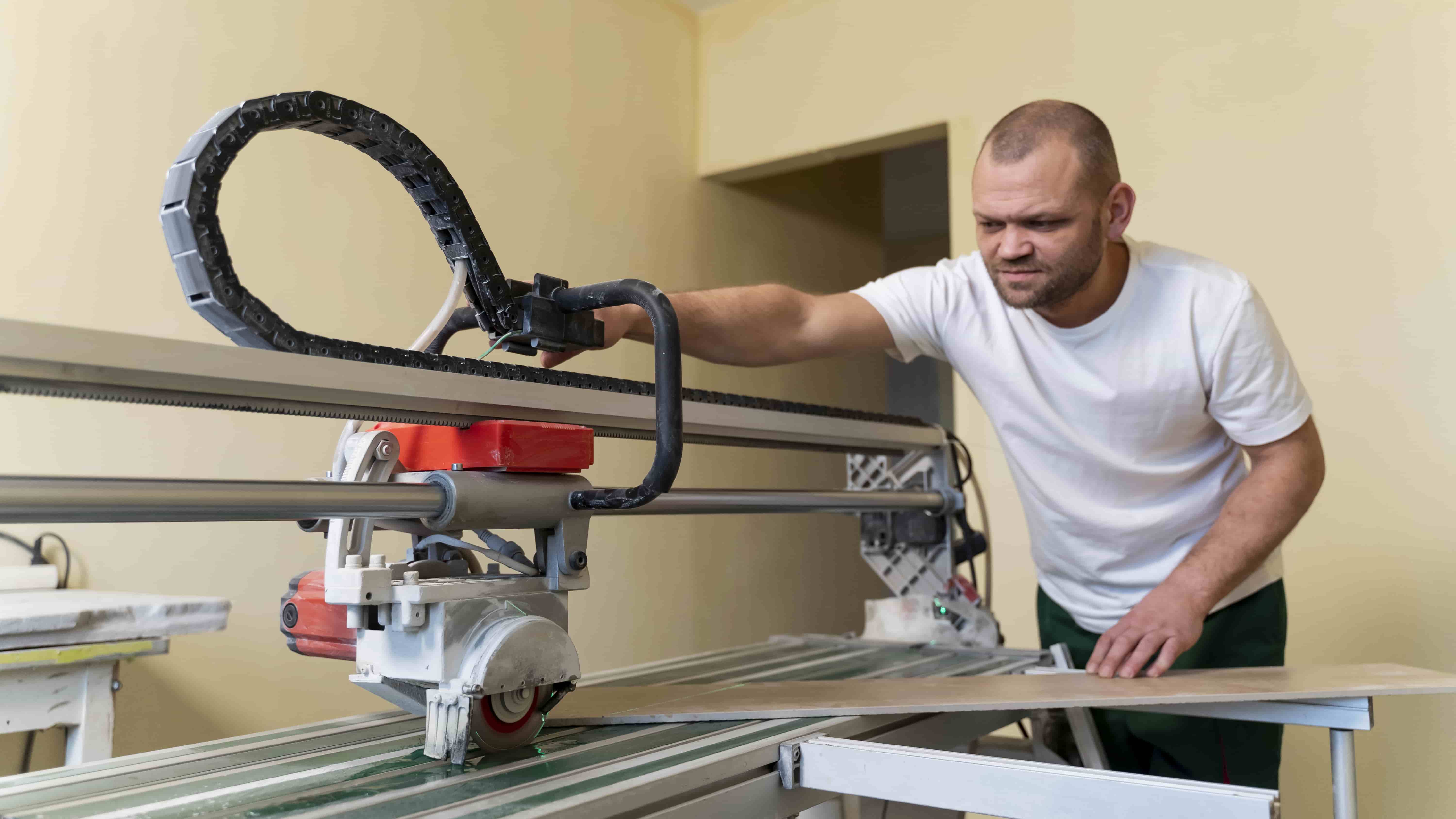
In short: sheet metal fabrication in Bangalore is much more than cutting a sheet and bending it: it is a structured manufacturing process requiring skilled labour, precision machines, process control and finishing competence.