Shaping Bangalore’s Industrial Future: The Role of Sheet Metal Fabrication with Zeometrix

Bangalore, recognized as the country’s leading technology hub, has evolved into a center of innovation and precision engineering. At the heart of this strong industrial ecosystem lies the essential domain of sheet metal works in Bangalore. From precision-designed enclosures for modern electronic devices to sturdy structures for industrial machinery and high-accuracy components for the aerospace sector, sheet metal fabrication remains a quiet yet powerful force behind the city’s industrial progress.
As an industry leader in this dynamic market, Zeometrix understands that modern manufacturing demands more than just bending and cutting metal; it requires a commitment to unparalleled precision, technological superiority, and a partnership approach. This comprehensive guide explores the landscape of sheet metal works in Bangalore, details the processes involved, highlights key applications, and explains why Zeometrix stands as the premier choice for your most demanding projects.
Understanding the Core: What is Sheet Metal Fabrication?
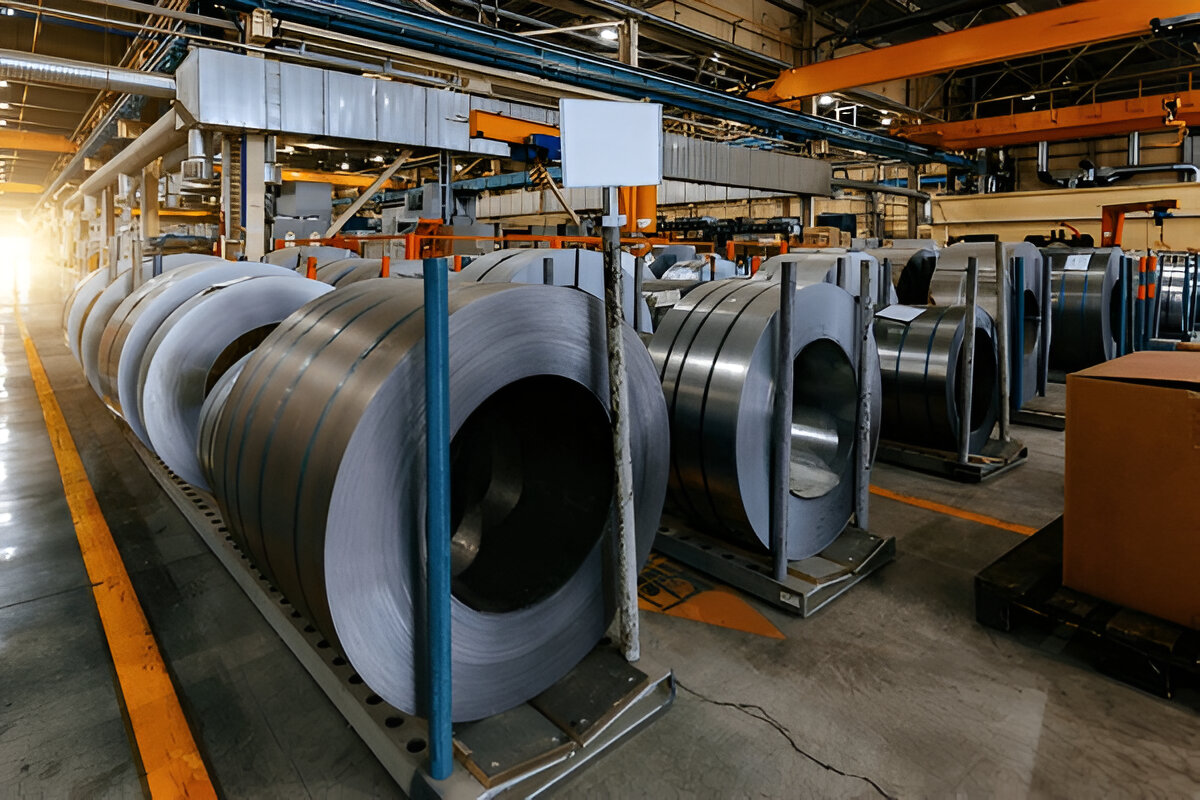
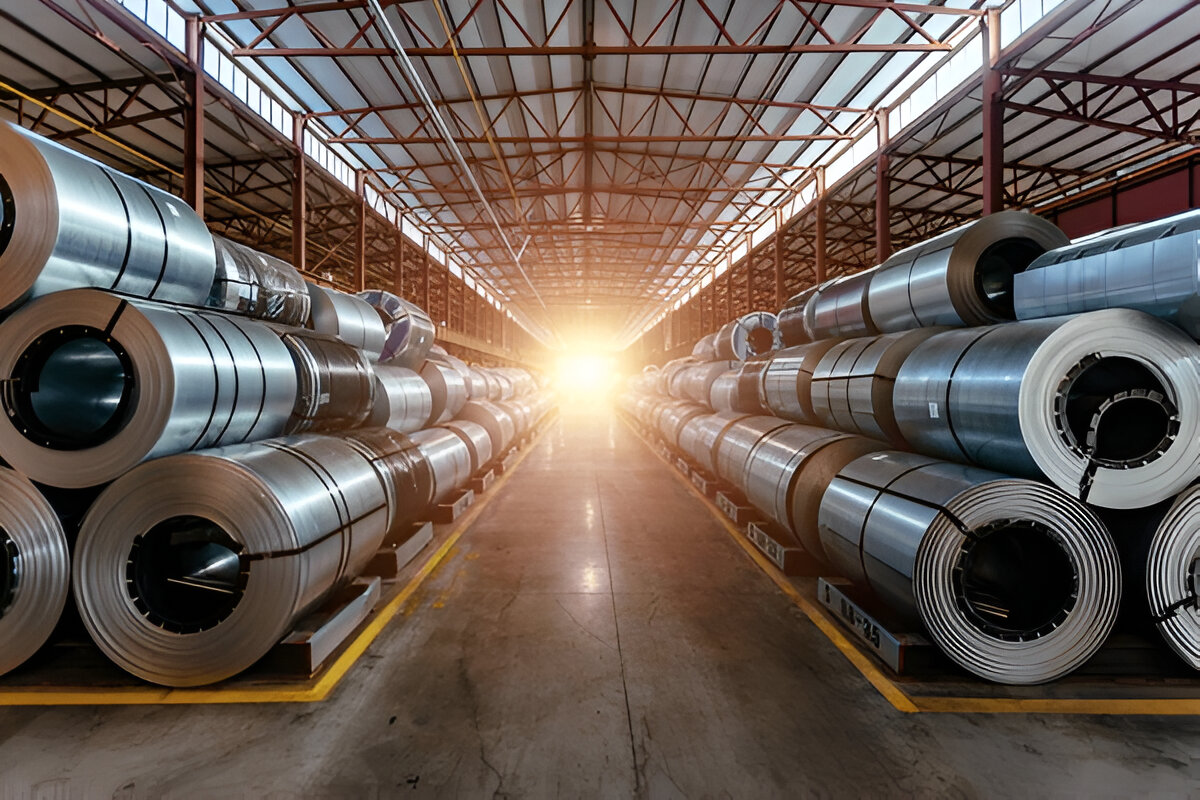
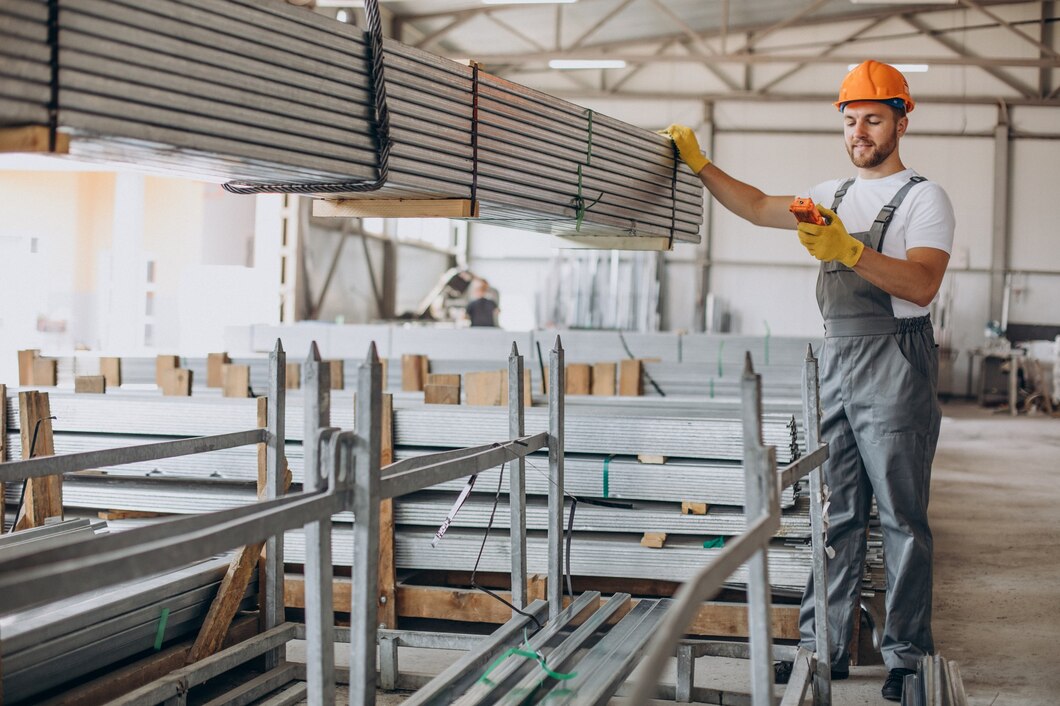
Sheet metal is metal formed into thin, flat pieces, typically between $0.5\text{ mm}$ and $6\text{ mm}$ in thickness. Anything thicker is generally considered plate metal. Sheet metal fabrication is the process of transforming these flat sheets into functional, three-dimensional parts and structures through a series of operations.
This transformative process is highly valued across industries for its versatility and cost-effectiveness. It allows for the creation of lightweight yet strong components with high repeatability, making it indispensable for mass production and custom prototyping alike. The process ensures that raw metal stock is efficiently converted into final products with minimal material waste.
The Essential Processes in Sheet Metal Works
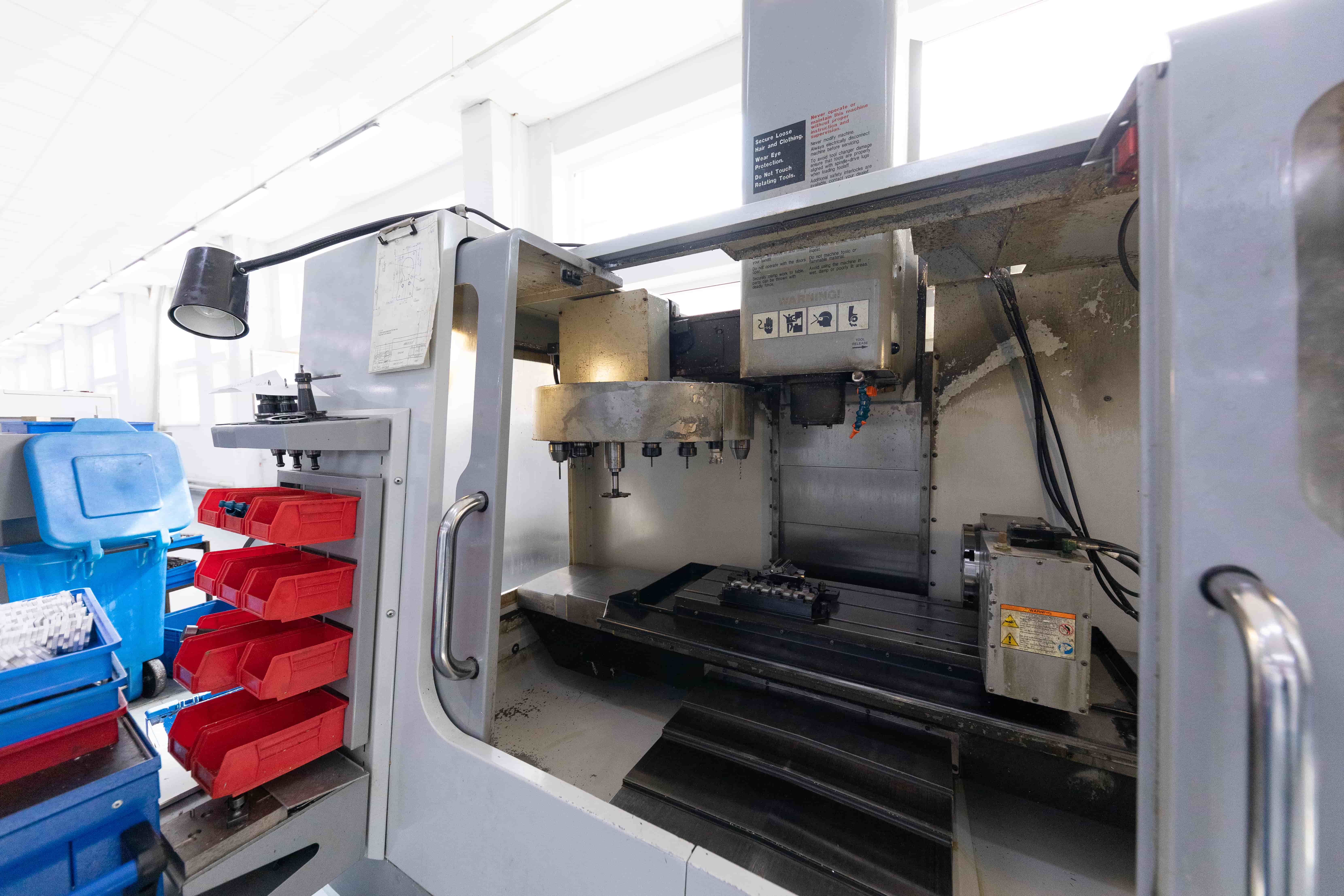
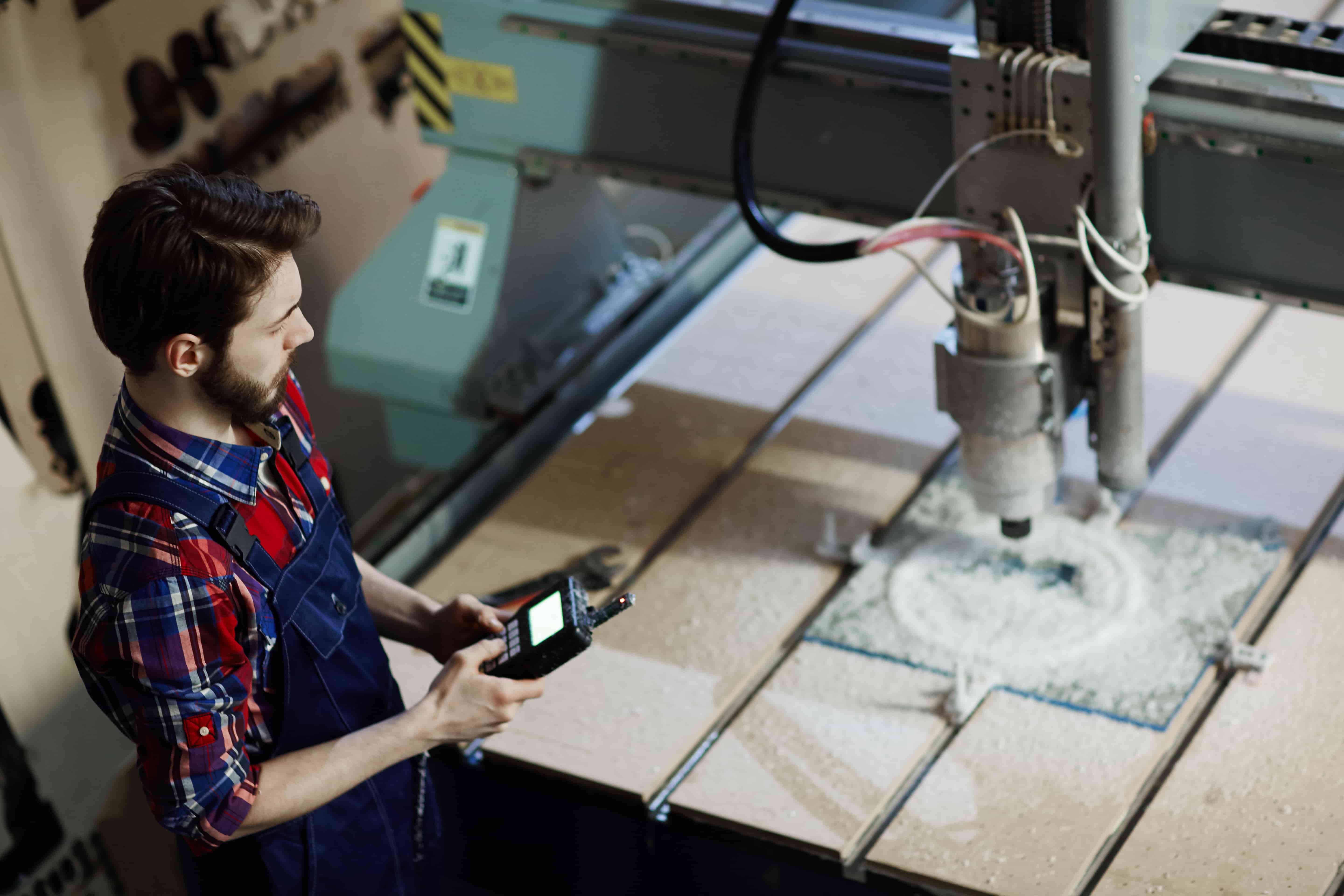
Modern sheet metal fabrication is a highly sophisticated, multi-stage process that leverages advanced, often computer-controlled (CNC) machinery. Zeometrix employs a state-of-the-art suite of techniques to deliver components of the highest quality and accuracy.
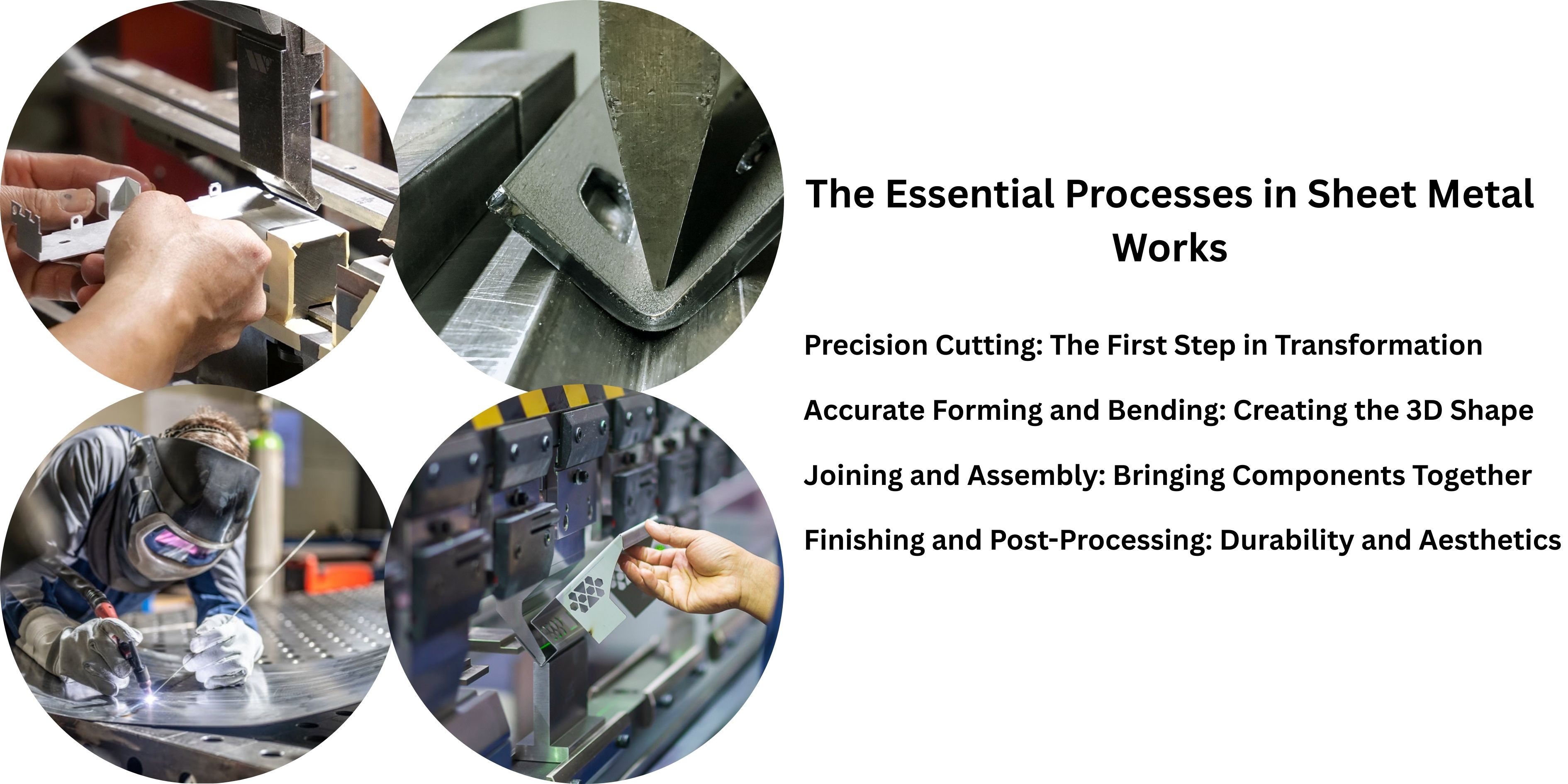
1. Precision Cutting: The First Step in Transformation
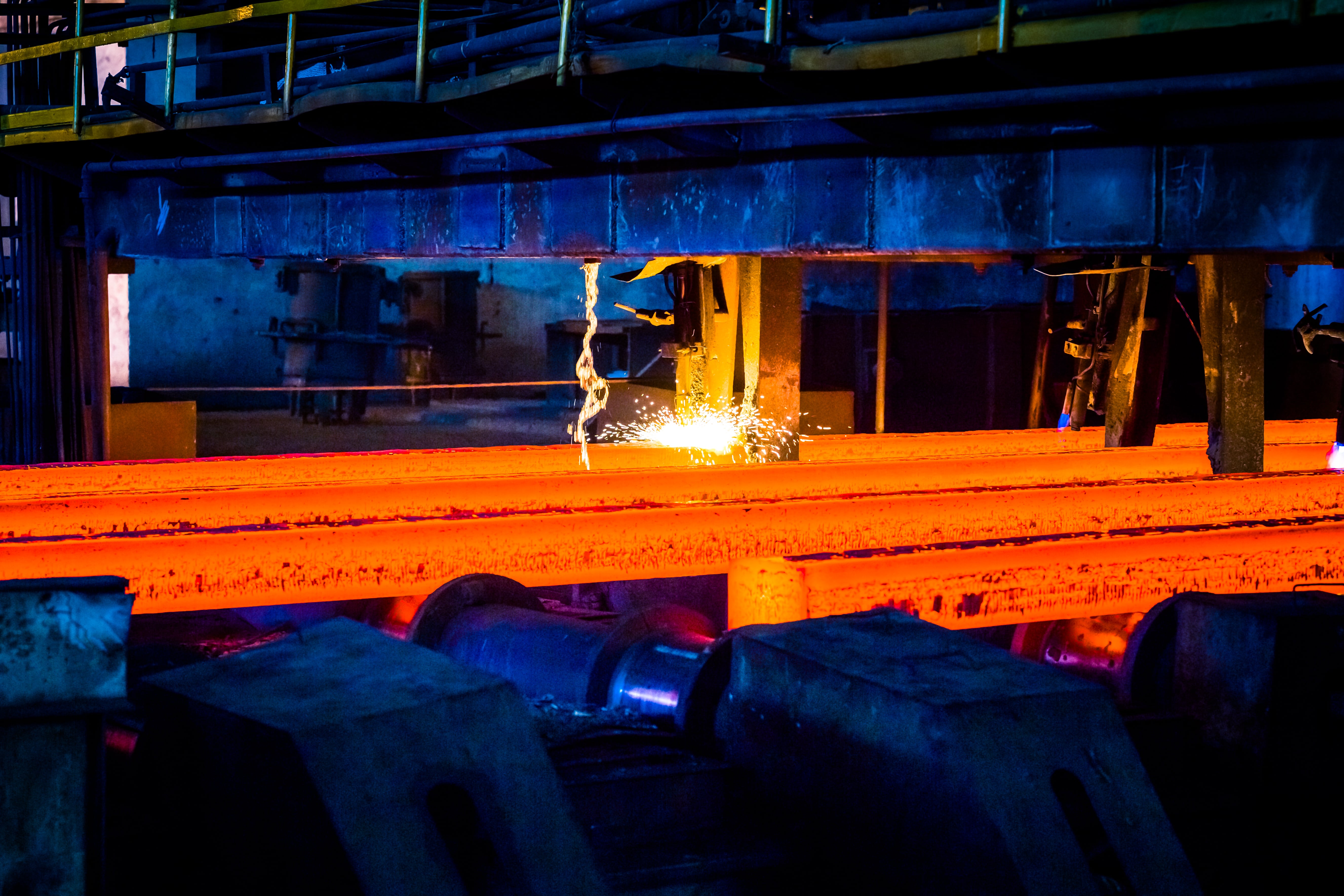
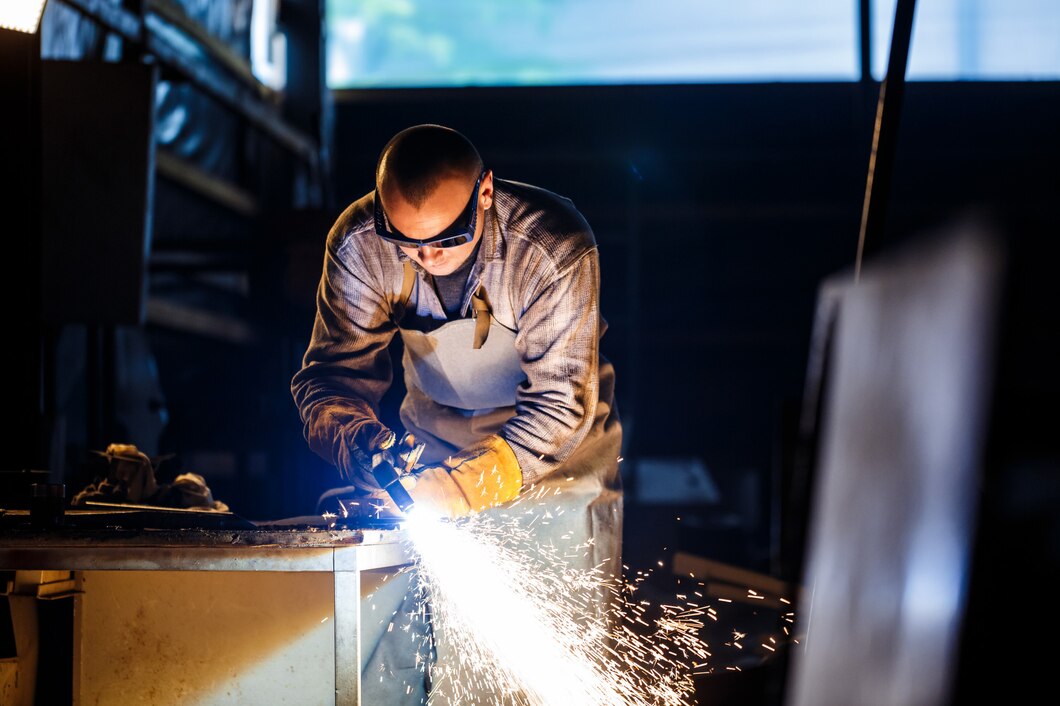
Cutting is the foundational step, where the raw sheet metal is shaped from a large stock into the necessary blank for the final part. The choice of cutting technology depends on the material, thickness, required speed, and most importantly, the desired edge precision and tolerance.
-
CNC Fiber Laser Cutting: The Pinnacle of Speed and Accuracy
-
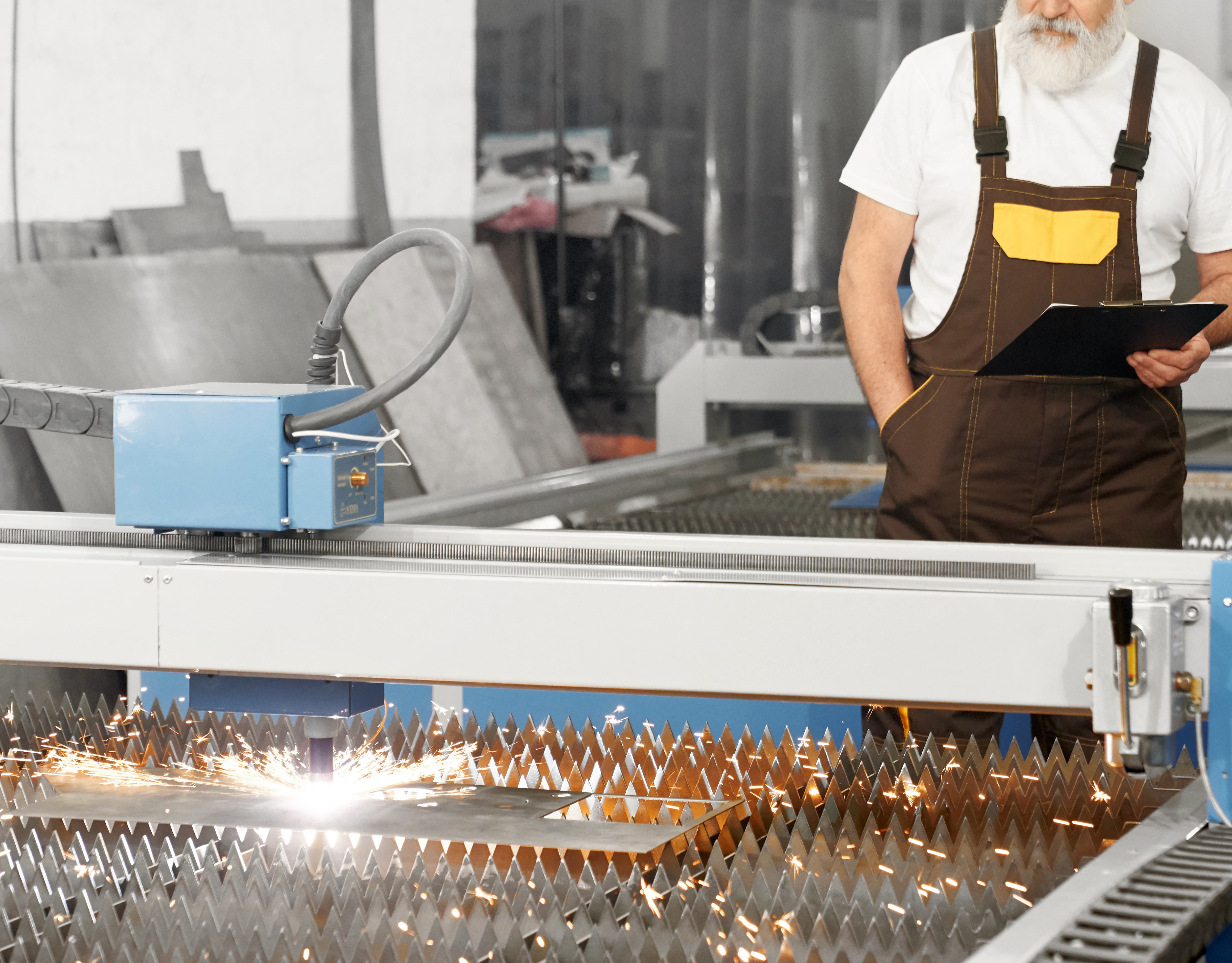
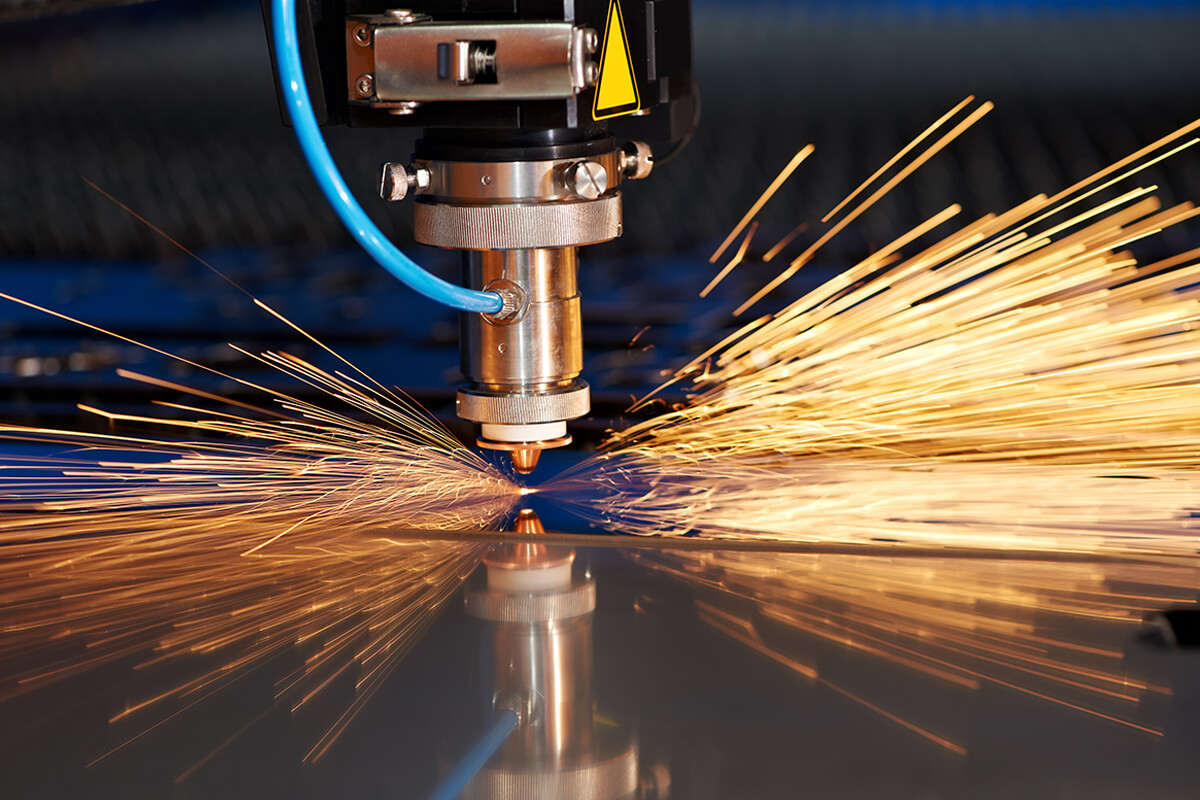
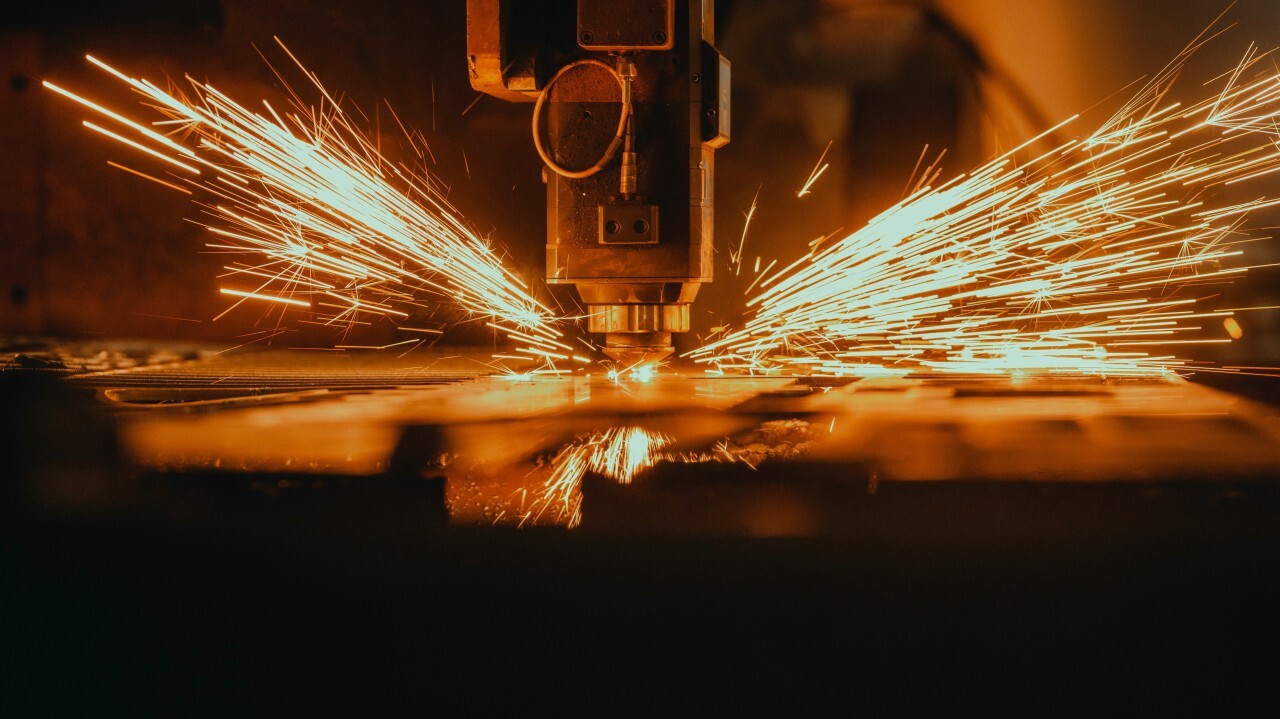
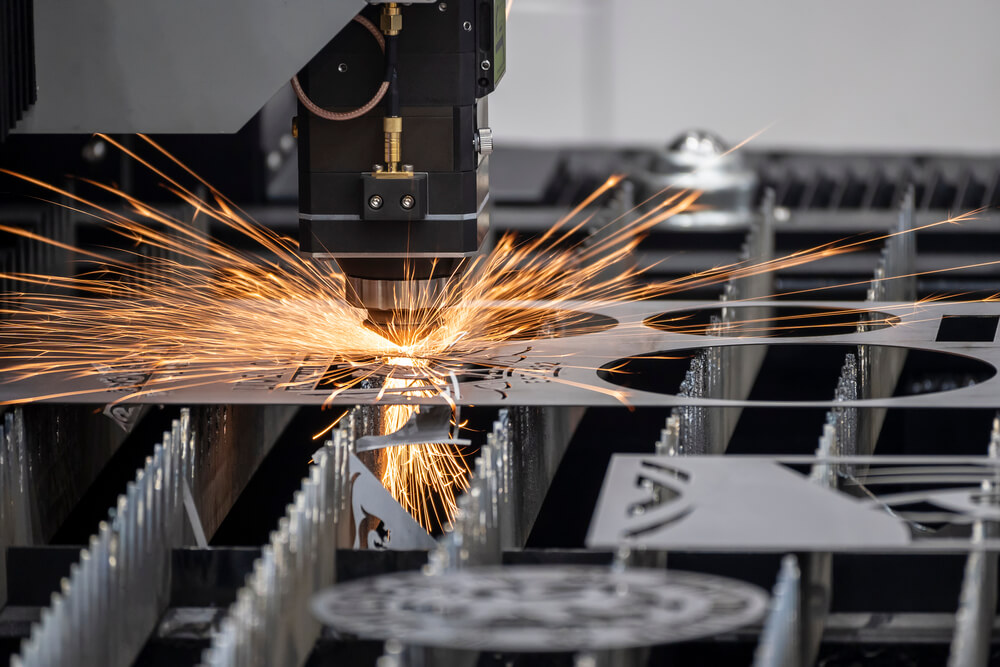
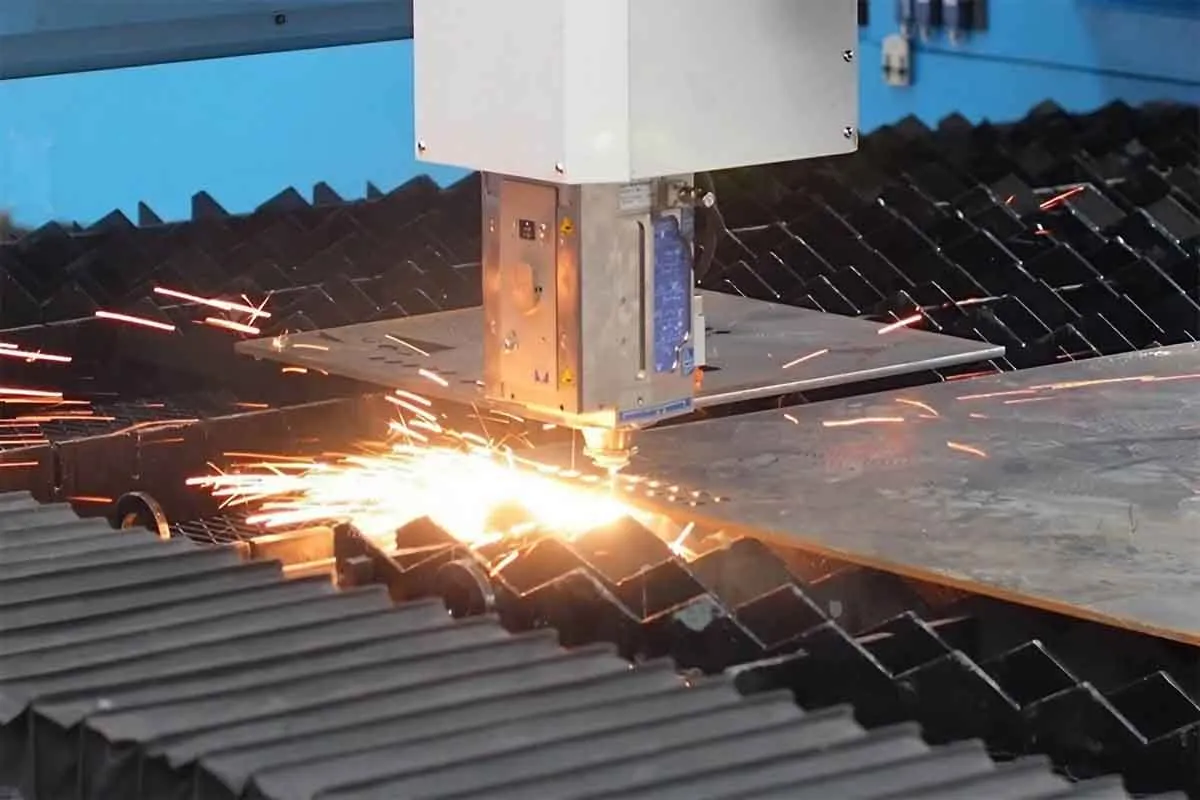
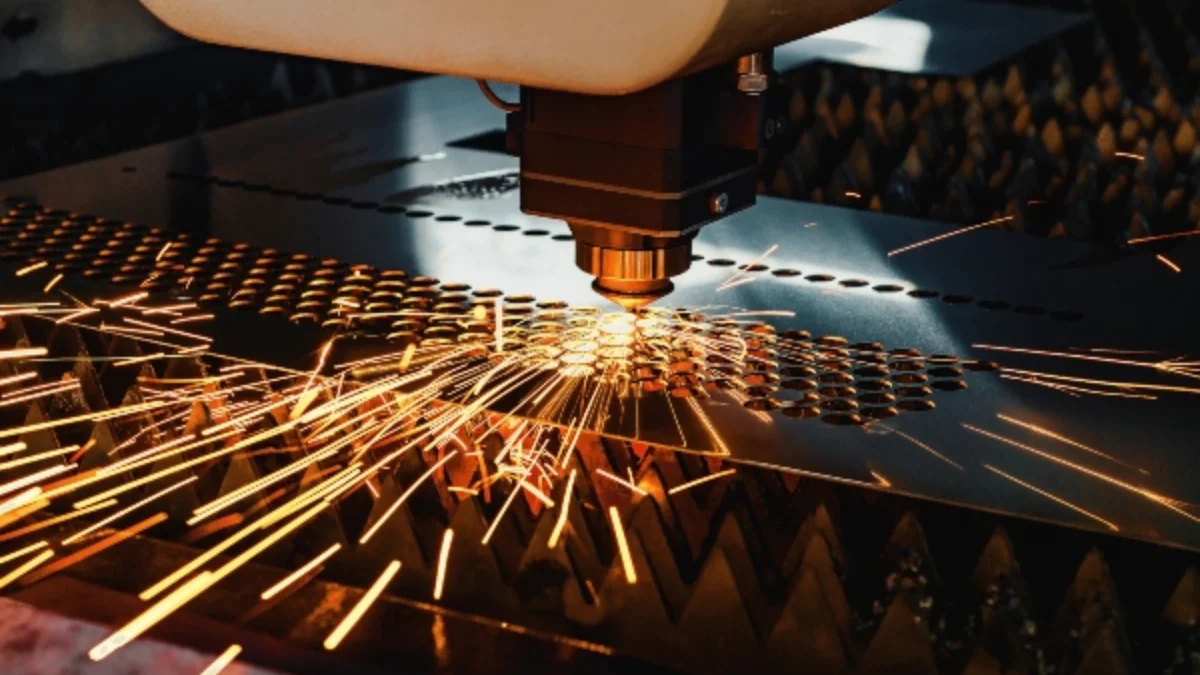
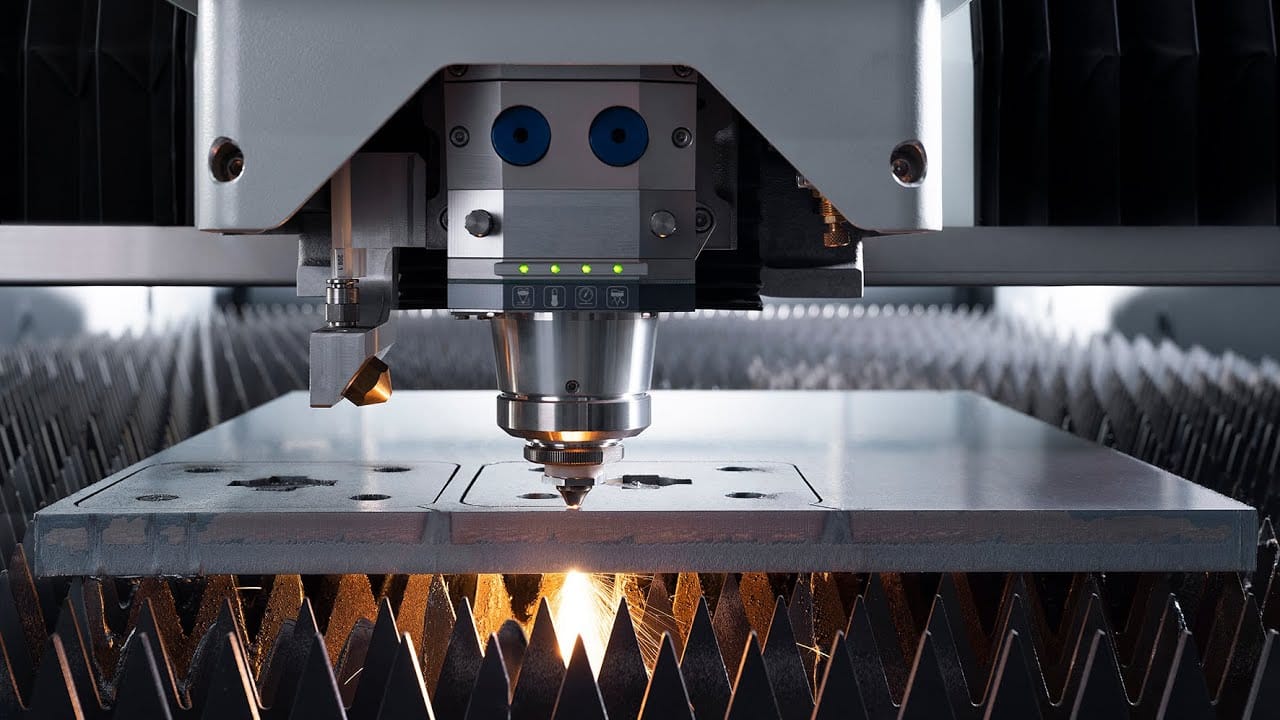
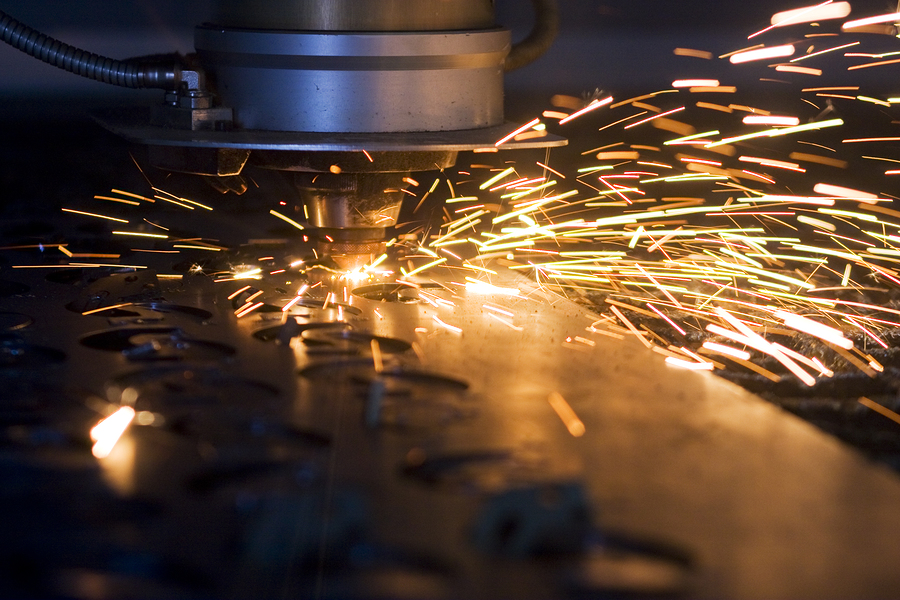
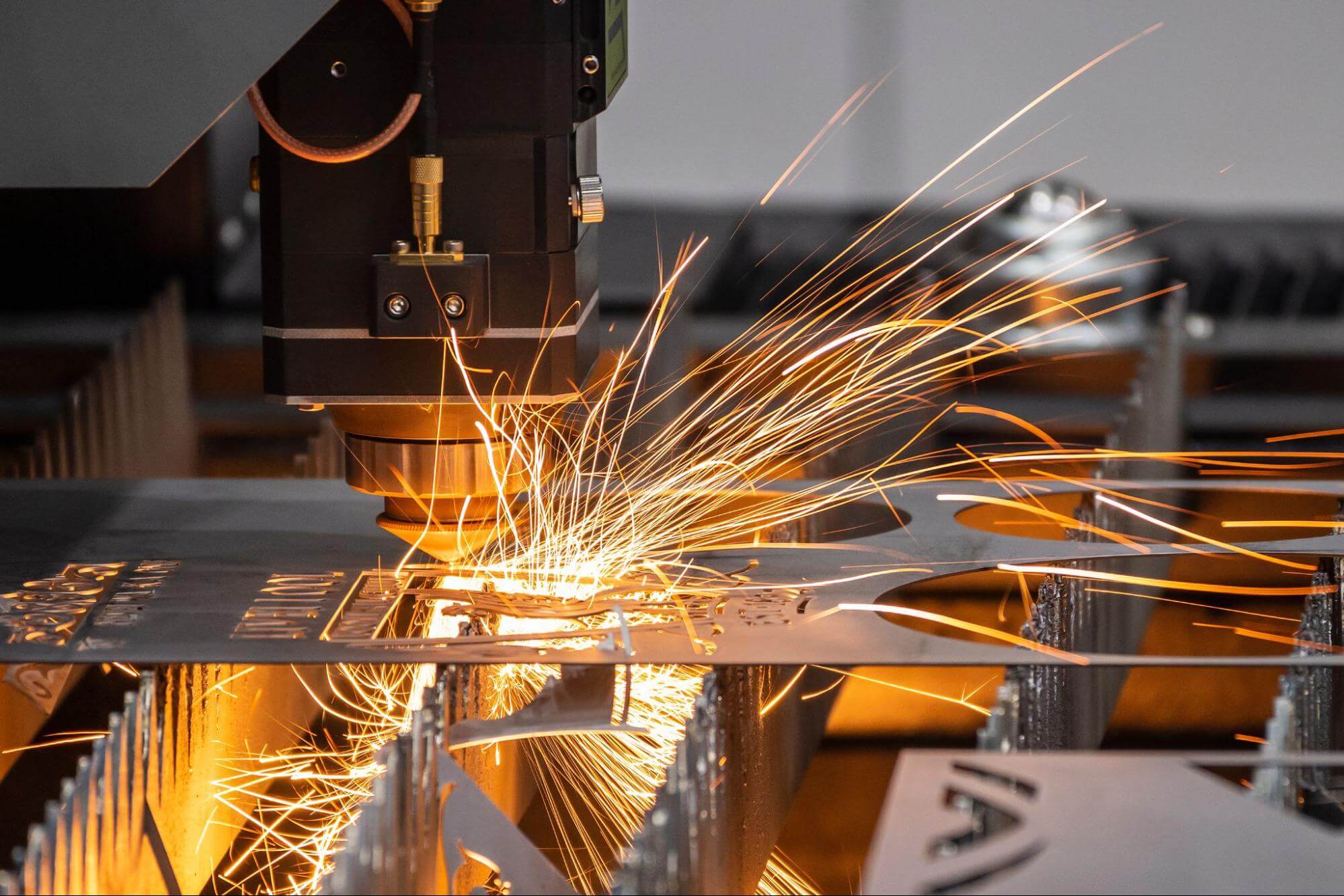
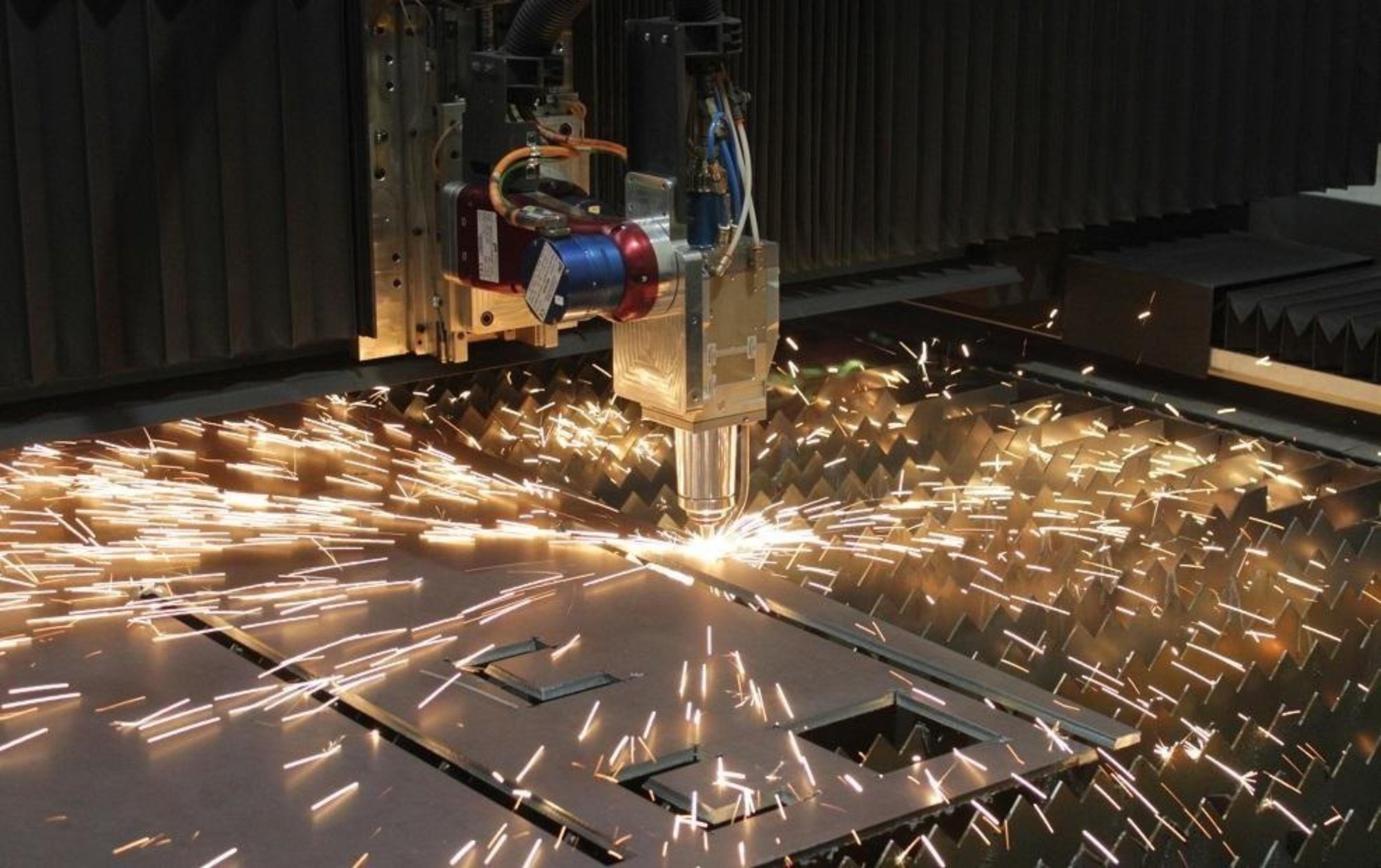
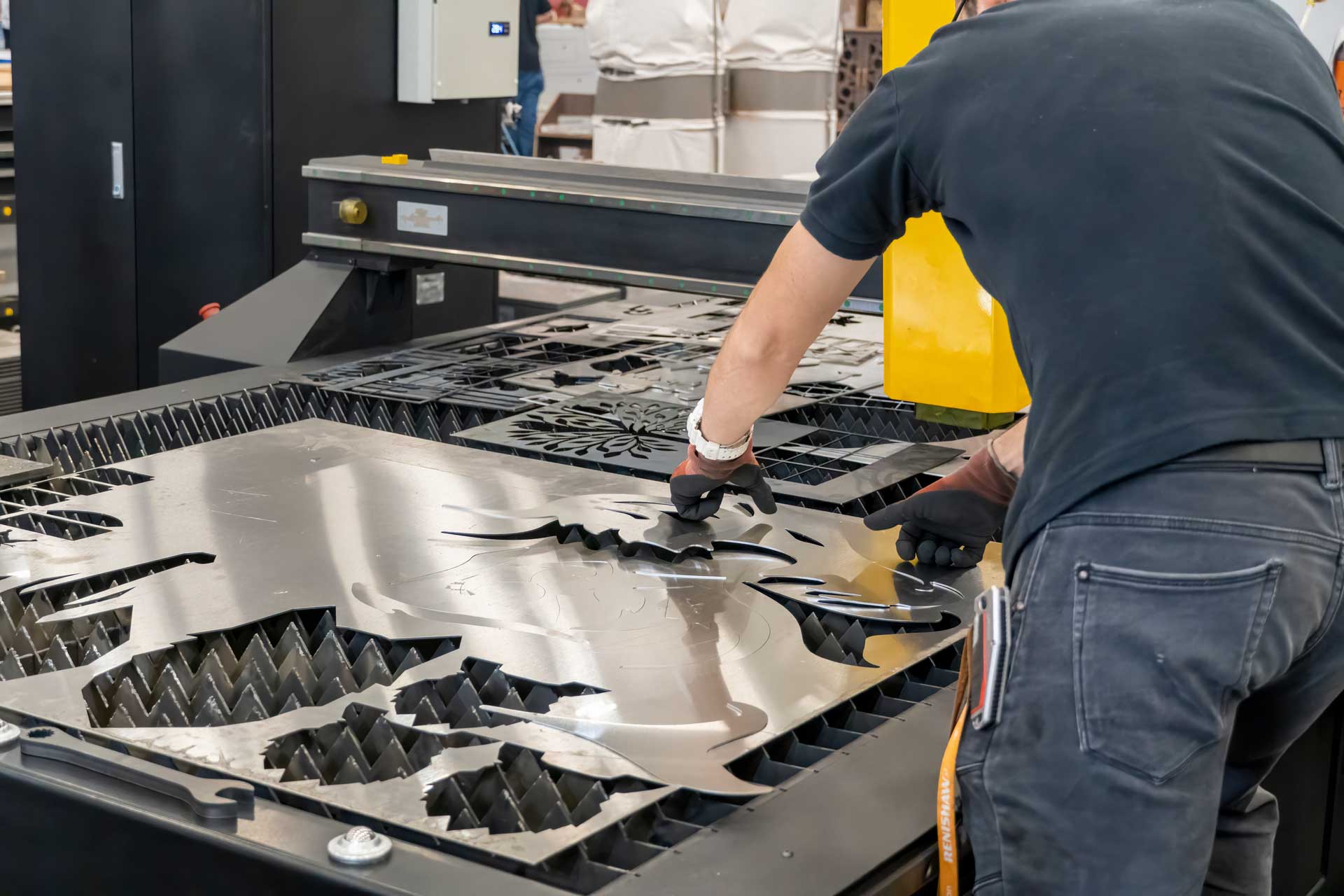
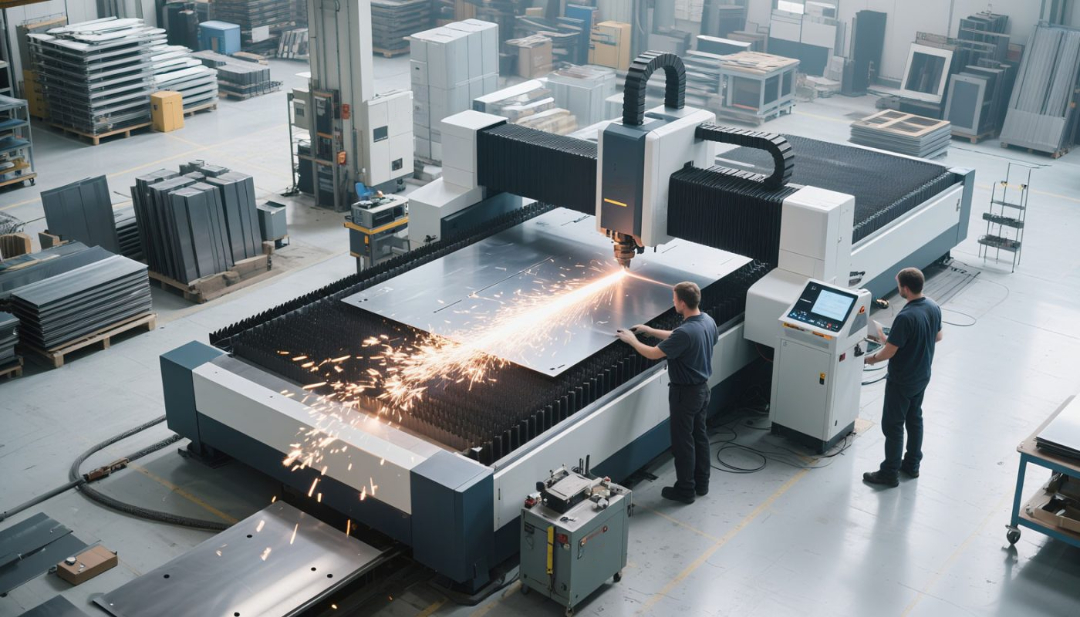
This is the flagship technology for high-precision, intricate geometries. A focused, high-intensity laser beam melts and vaporizes the material. Zeometrix utilizes high-wattage Fiber Lasers which are significantly more energy-efficient and faster than older CO2 lasers, particularly when cutting reflective materials like aluminum and copper. Advantages include extremely narrow cuts (kerfs), micron-level tolerances, and high cutting speeds, making it ideal for the complex parts demanded by the electronics and aerospace industries in Bangalore. The minimal heat-affected zone (HAZ) ensures material integrity is maintained.
-
-
Waterjet Cutting: Precision without Heat
-
Using a high-velocity stream of water mixed with an abrasive garnet, this "cold cutting" method generates virtually no heat. This is crucial for heat-sensitive materials like certain aluminum alloys and composites, preventing thermal distortion or warping. It is highly accurate and can handle very thick sheets where laser cutting may be impractical. Furthermore, waterjet leaves an incredibly smooth edge finish, often reducing the need for secondary deburring.
-
-
CNC Punching and Blanking: Speed for Volume Production
-
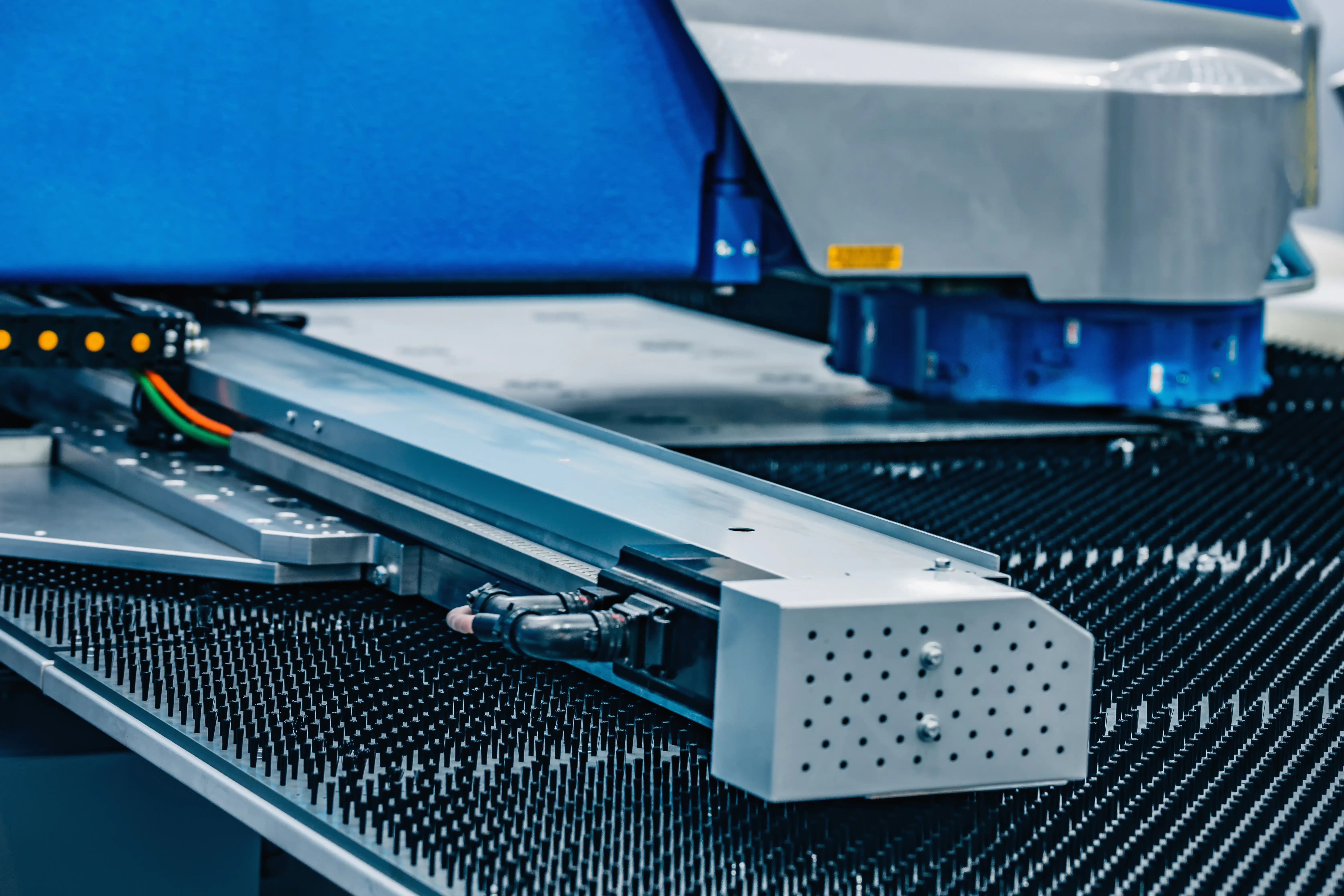
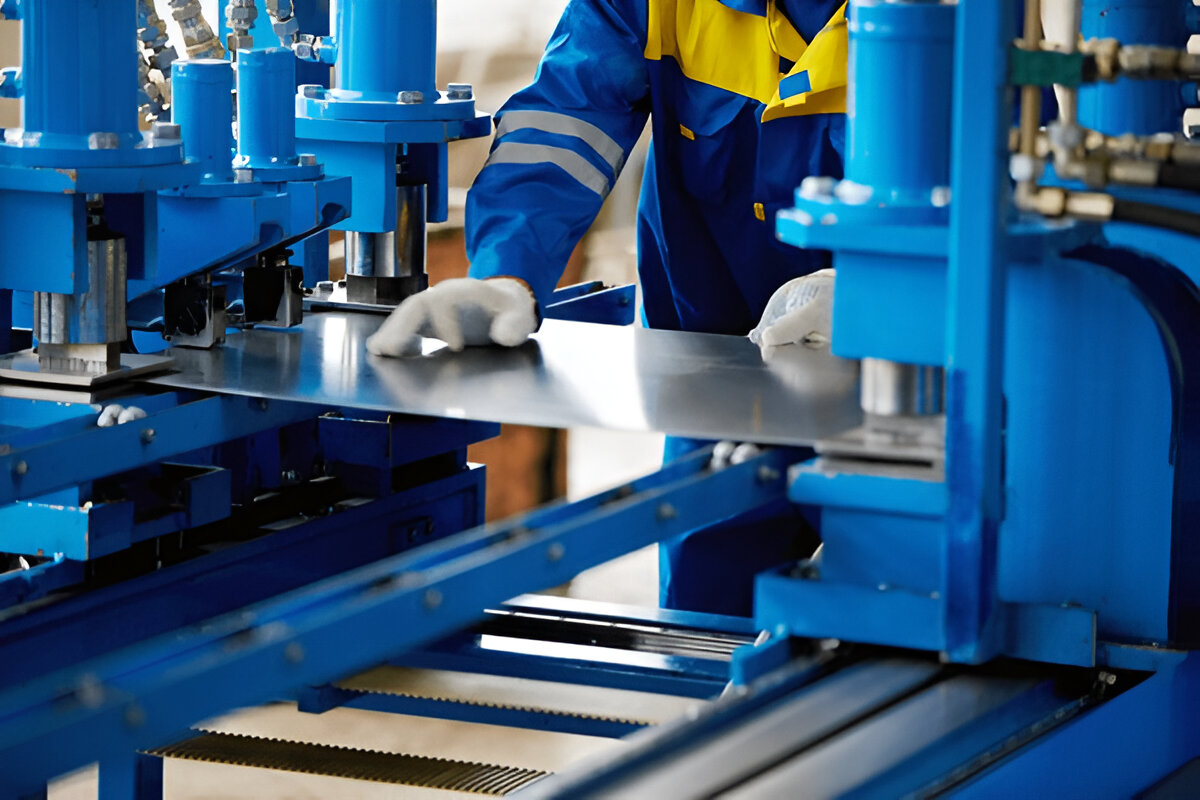
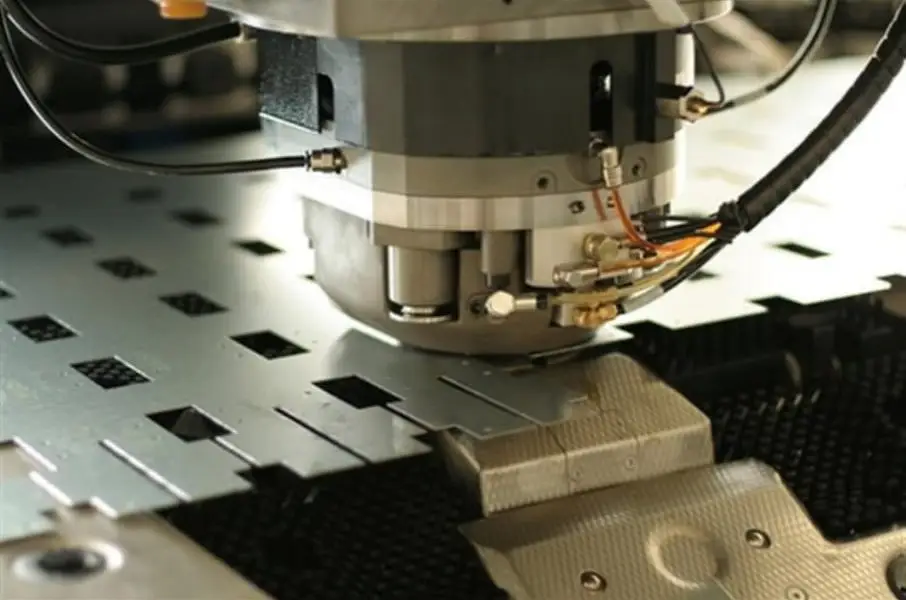
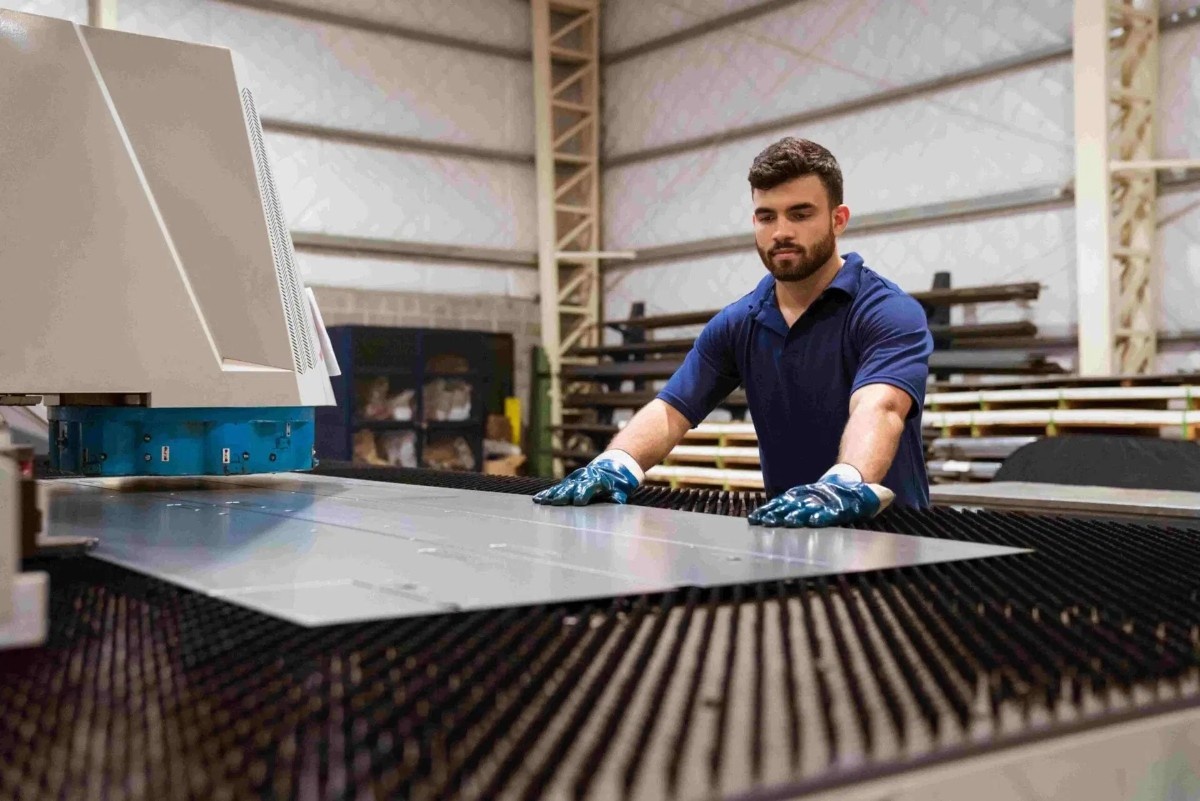
A punch and die mechanism creates holes, slots, and cutouts, or separates the finished part (blanking) from the scrap material (punching). CNC Turret Punches are highly automated, fast, and cost-effective for high-volume production of parts with many similar holes, such as electrical enclosures and mounting plates. The tooling can be changed quickly, allowing for flexible high-volume manufacturing.
-
2. Accurate Forming and Bending: Creating the 3D Shape
Once the flat pattern is cut, the next crucial step is forming it into the required 3D geometry. This is primarily achieved through bending, a process that relies on immense, precise force.
-
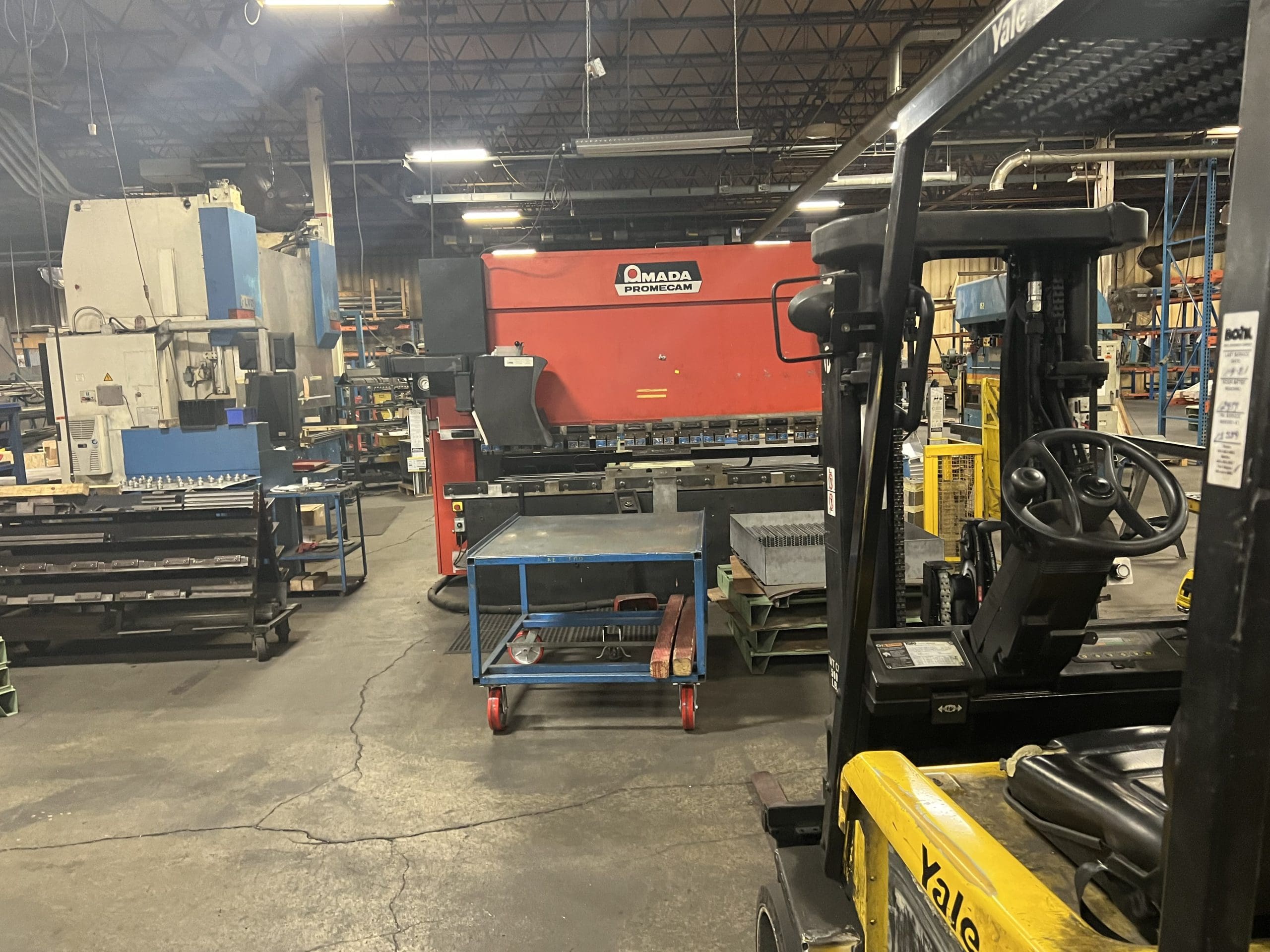
Multi-Axis CNC Press Brake Bending: Mastering Complexity
-
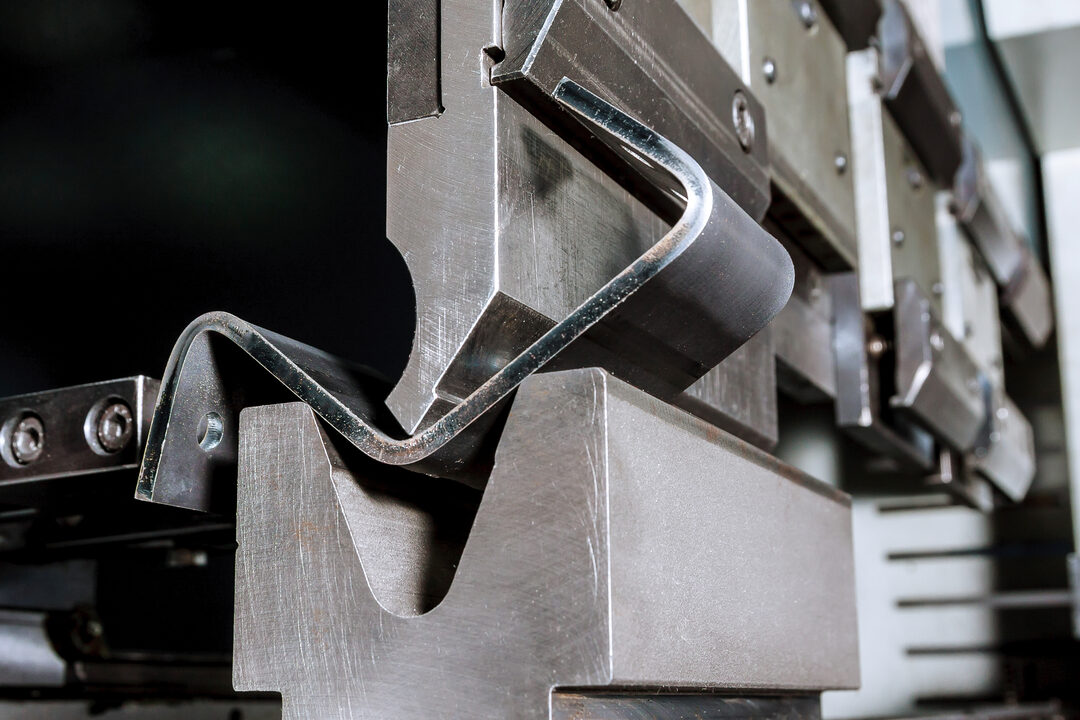
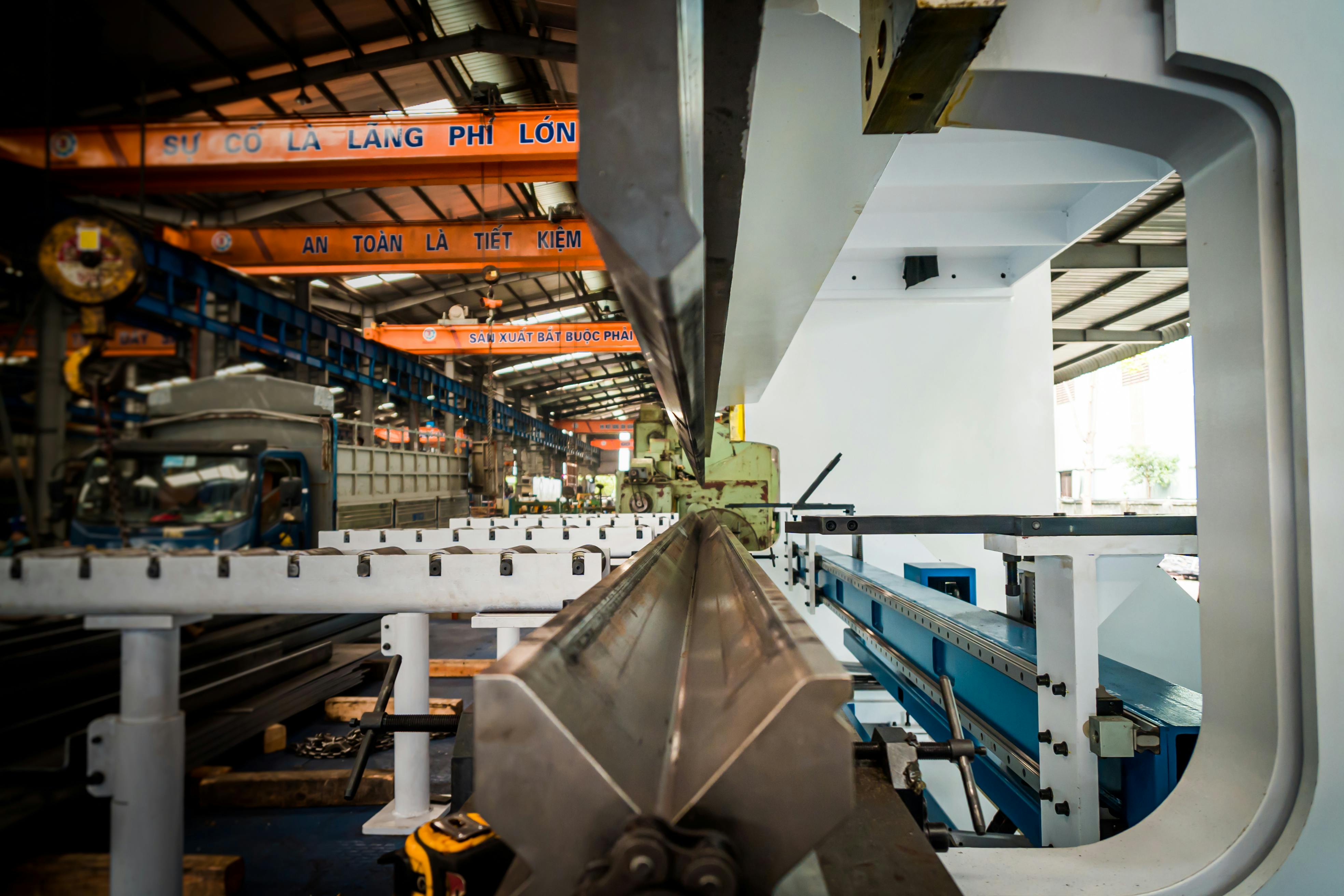
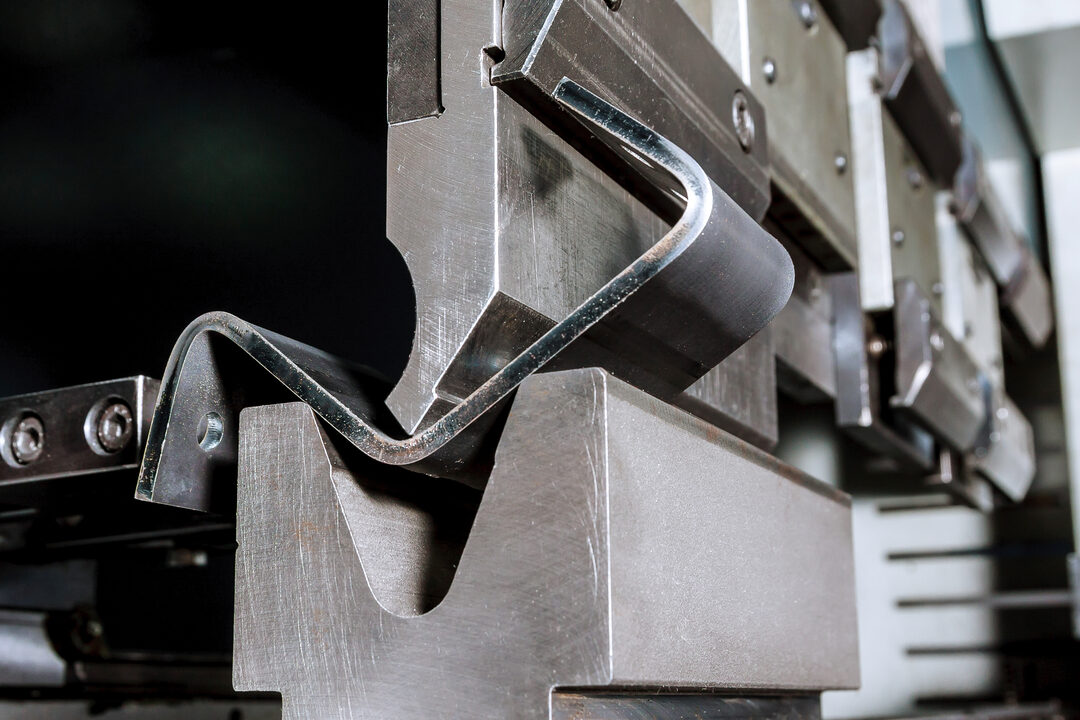
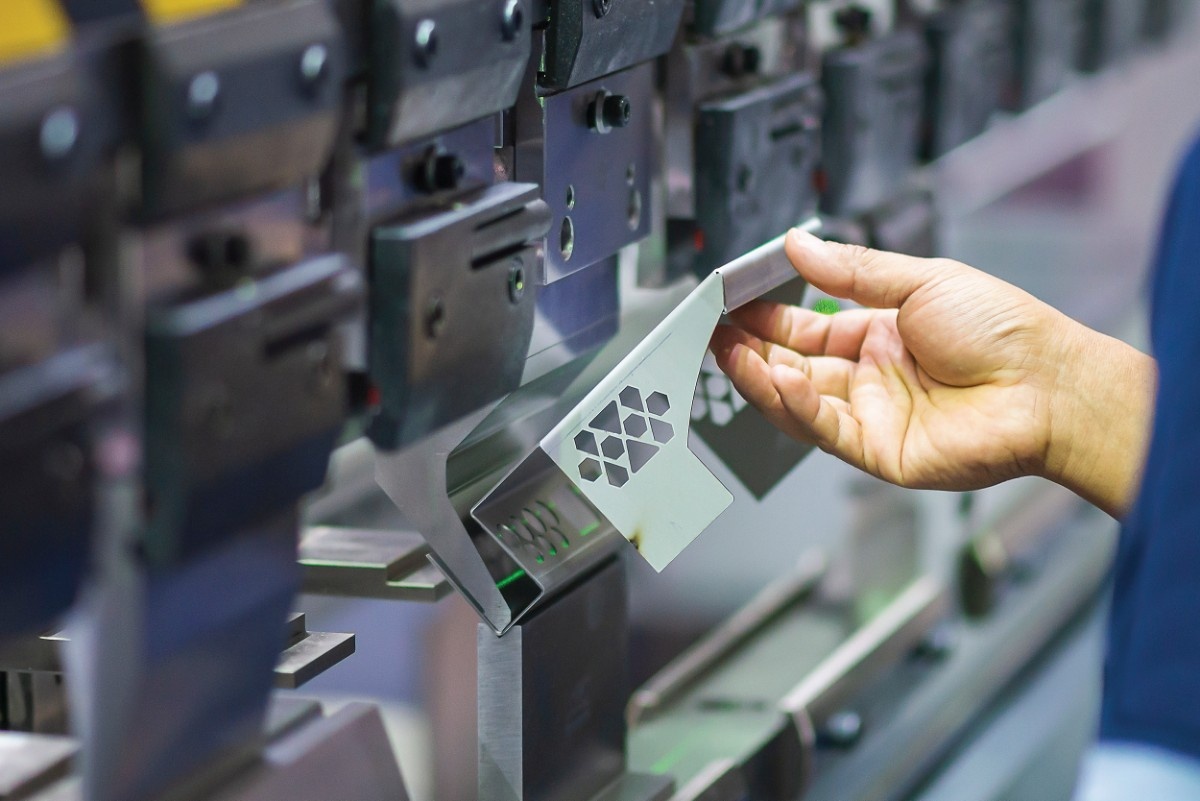
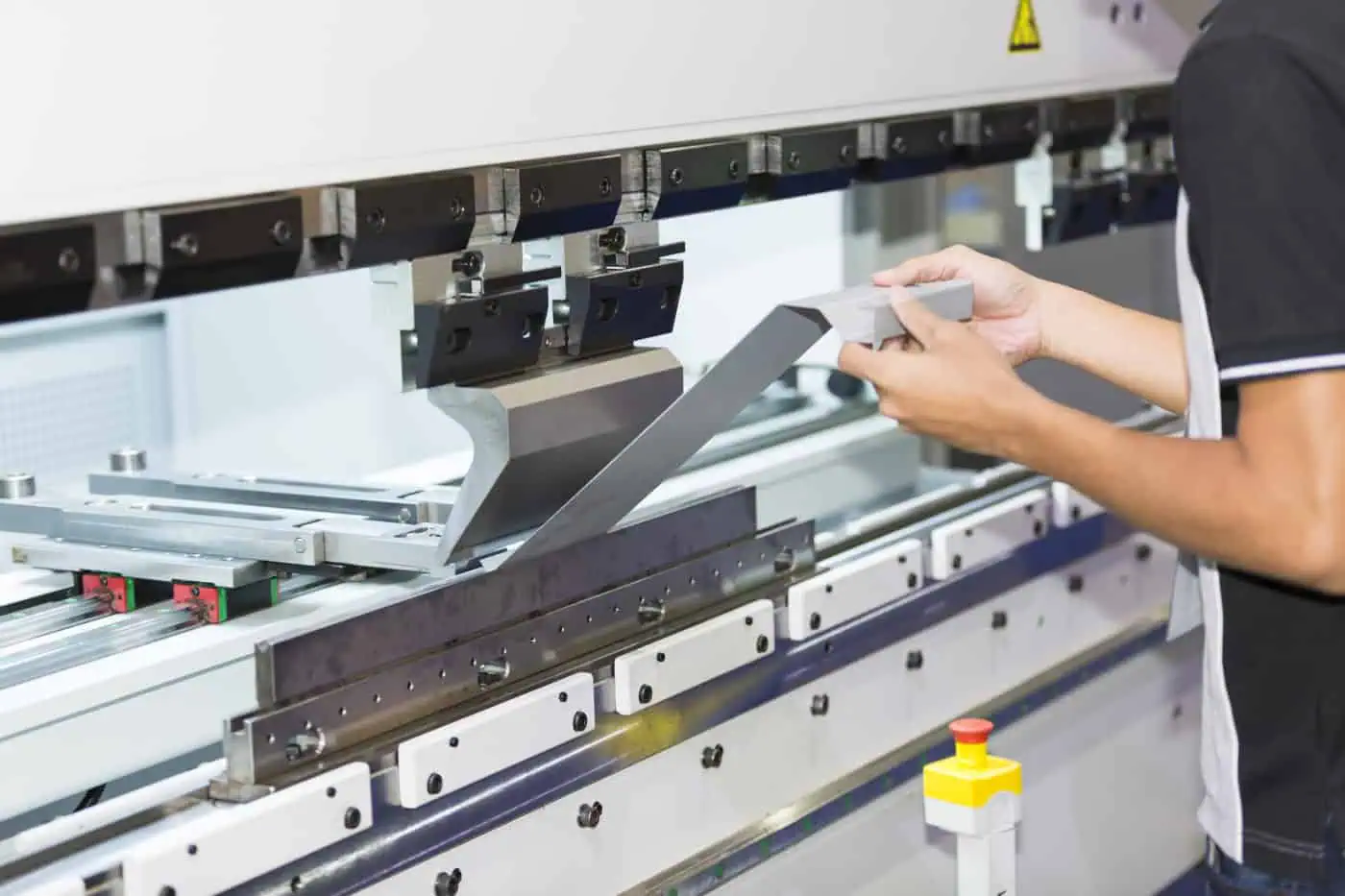
The most common method, a press brake uses a punch and a die to force the sheet metal to bend at a precise angle. At Zeometrix, we utilize advanced Multi-Axis CNC Press Brakes (often 8-axis machines) equipped with real-time angle monitoring and compensation systems. This sophisticated control allows for:
-
Automatic Compensation: The machine automatically adjusts for material inconsistencies and springback—the tendency of the metal to return slightly to its original shape.
-
Complex Geometries: Capability to execute difficult and sequential bends with high repeatability, critical for parts requiring multiple tight folds.
-
-
Air Bending vs. Bottoming: We predominantly use Air Bending as it is more flexible and allows one set of V-dies to produce a wider range of angles, optimizing tooling changeovers and reducing setup time.
-
-
Rolling and Stamping:
-
Roll Bending/Rolling: Used to create components with large radii, such as cylinders, tanks, or curved architectural panels. The precision rolling equipment ensures perfect circularity and minimal surface damage.
-
Stamping: While more costly for initial tooling, stamping is used when extremely high volumes of identical, shallow-formed parts are required, providing superior speed and consistency.
-
3. Joining and Assembly: Bringing Components Together
For complex structures, multiple fabricated pieces must be permanently joined. This step often dictates the final strength and aesthetics of the product.
-
Advanced Welding Techniques:
-
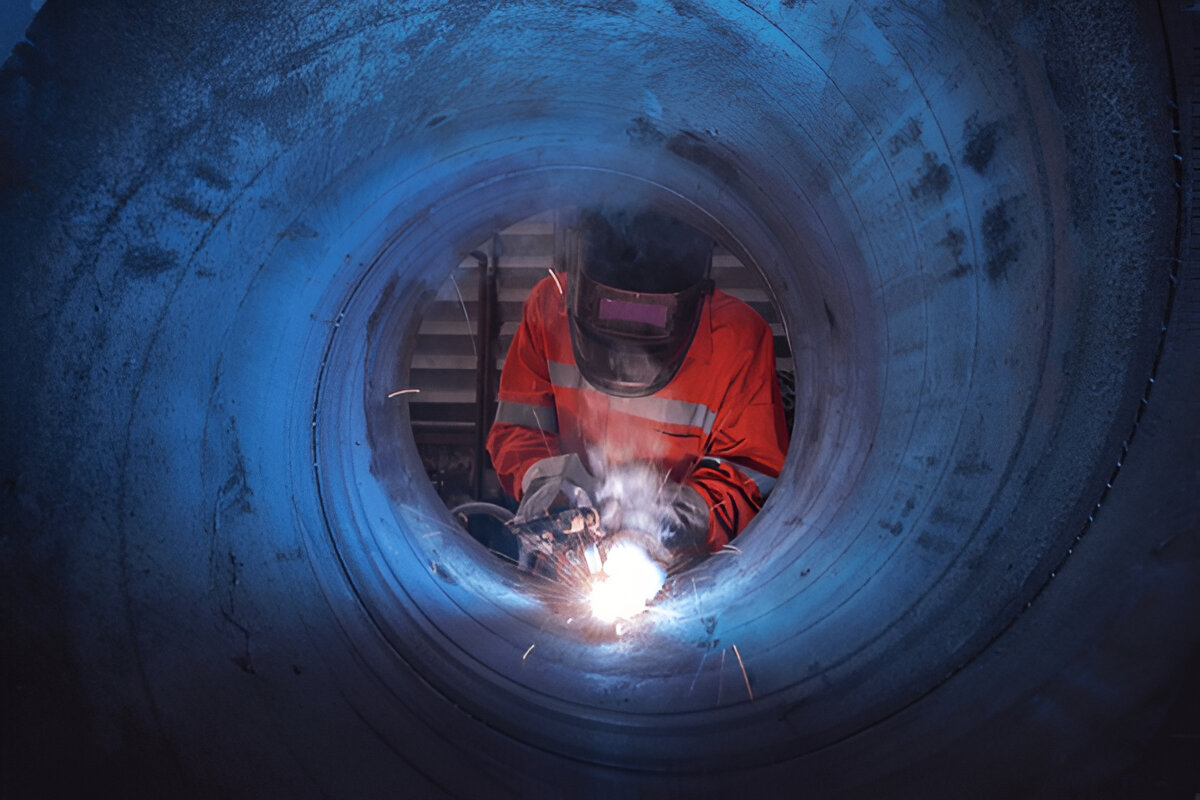
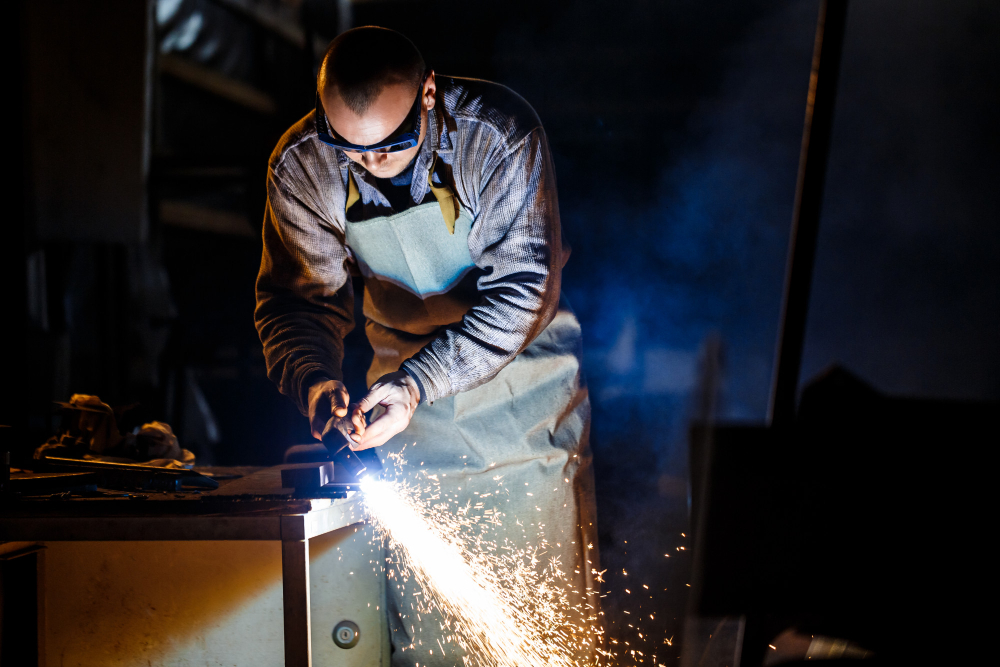
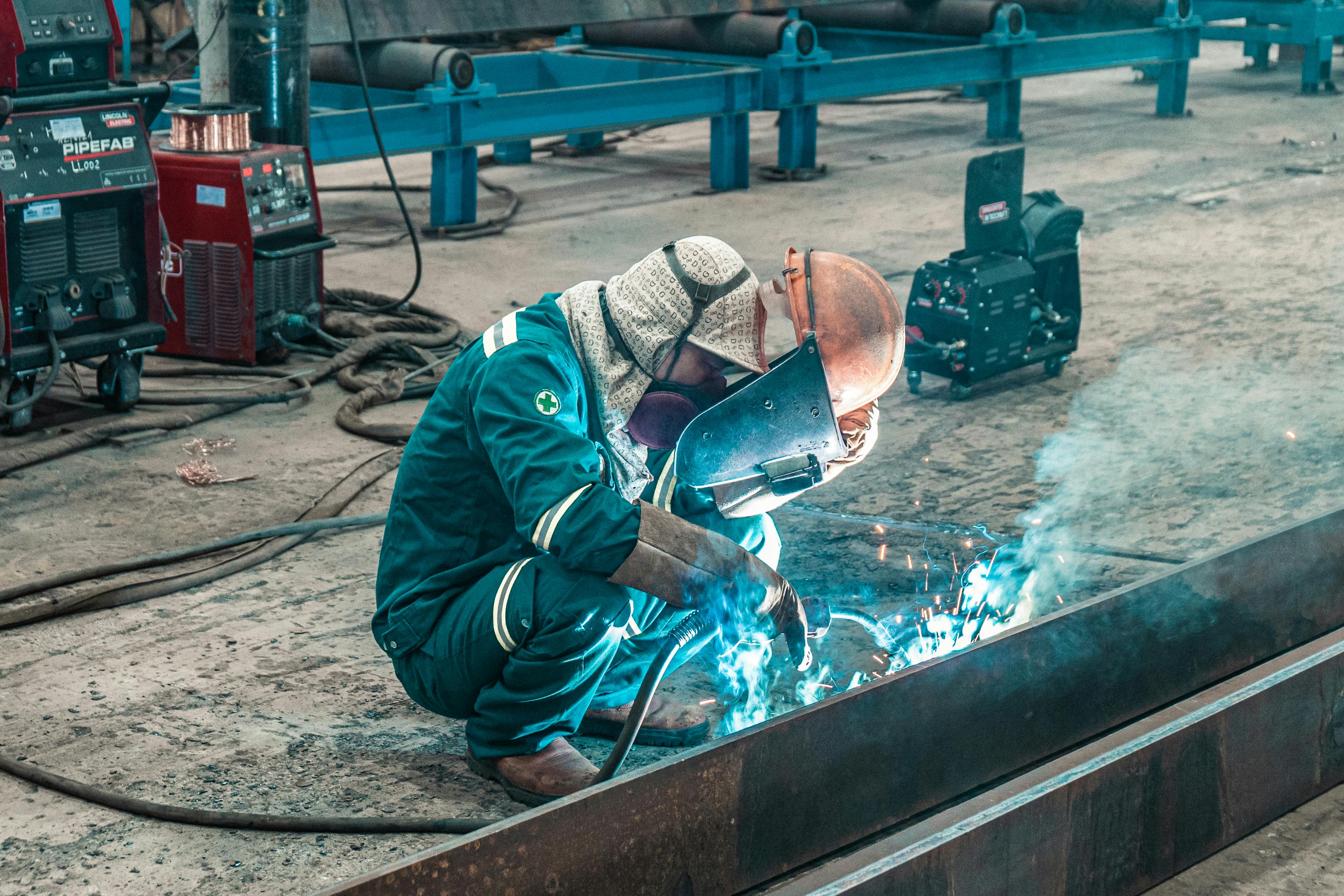
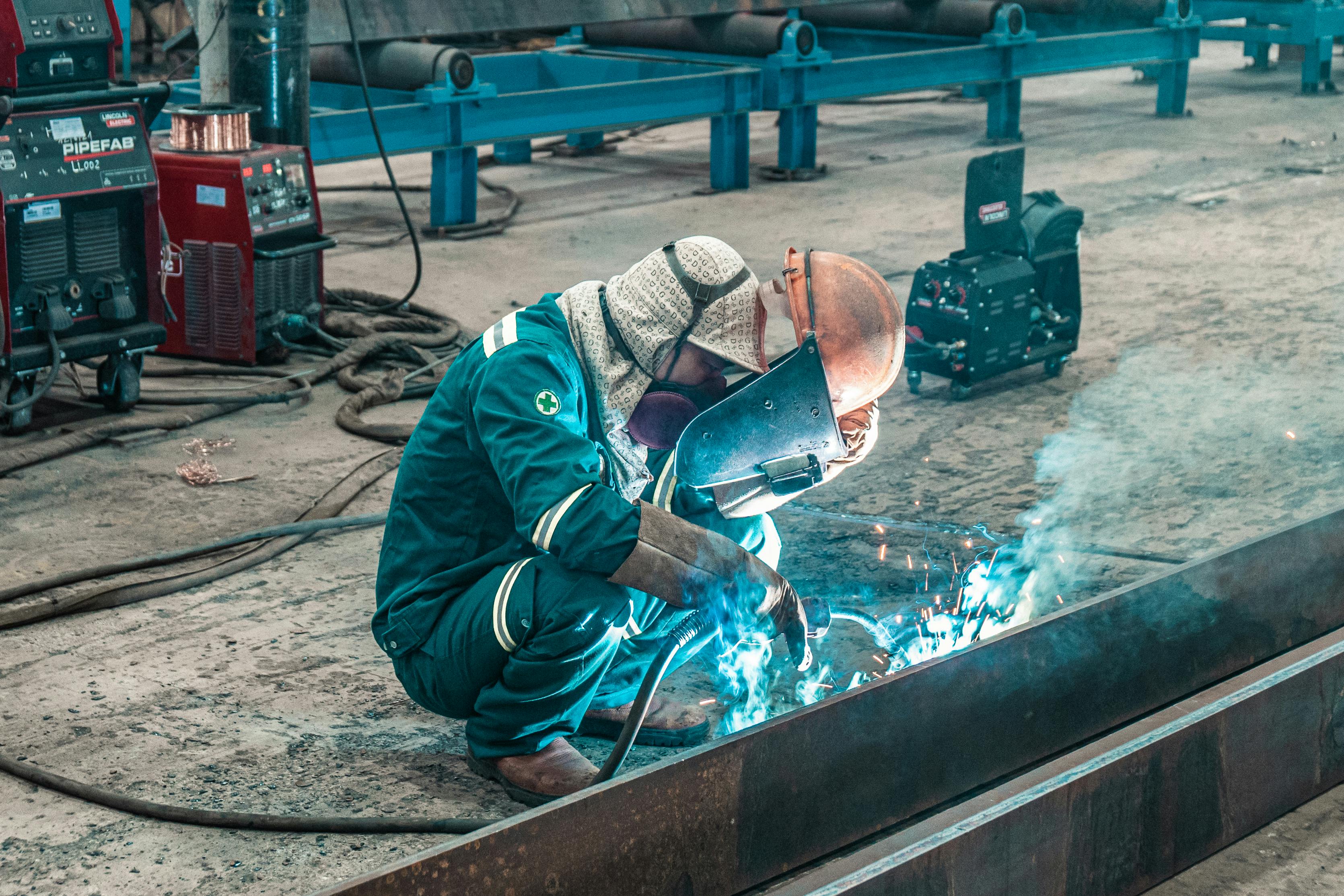
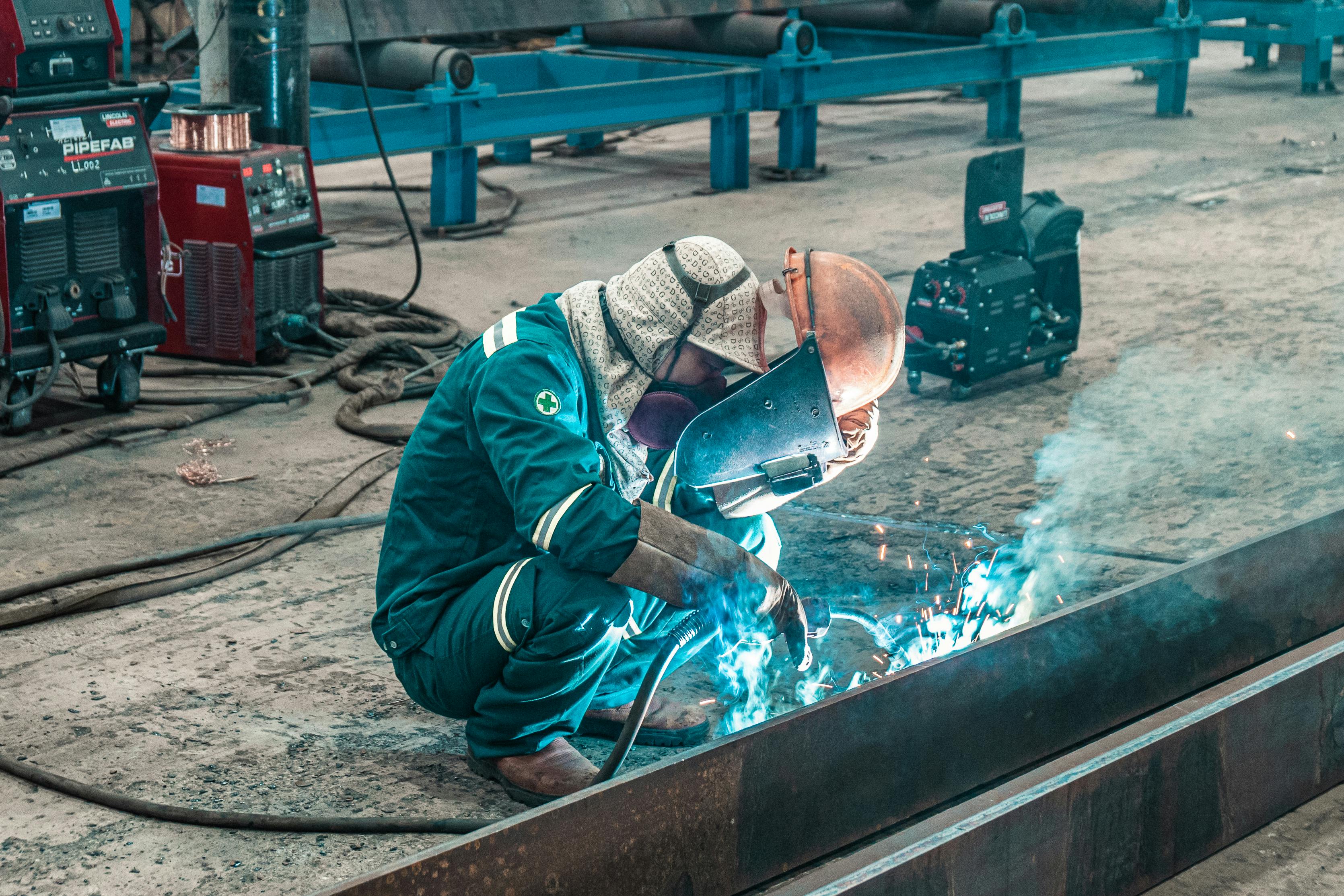
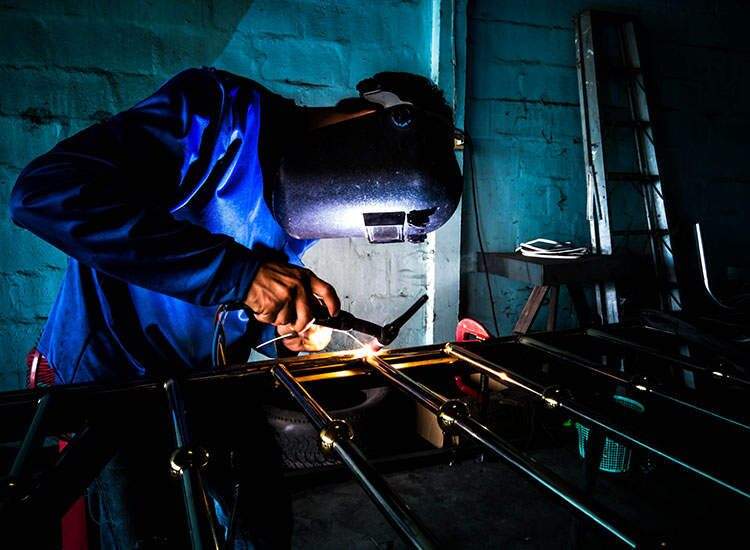
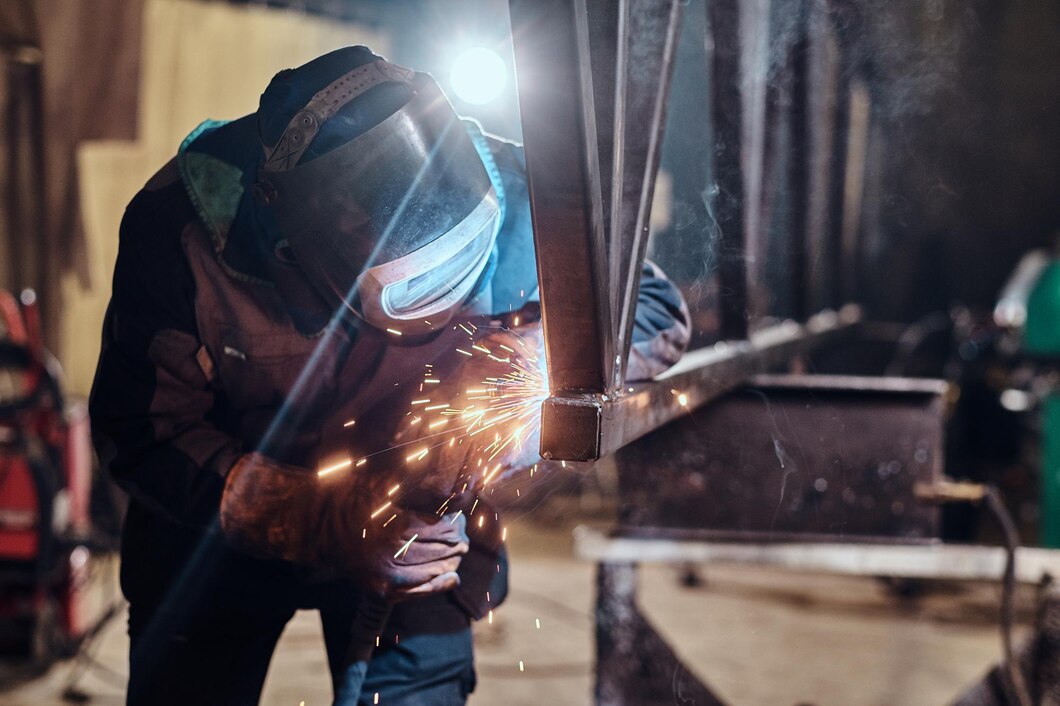
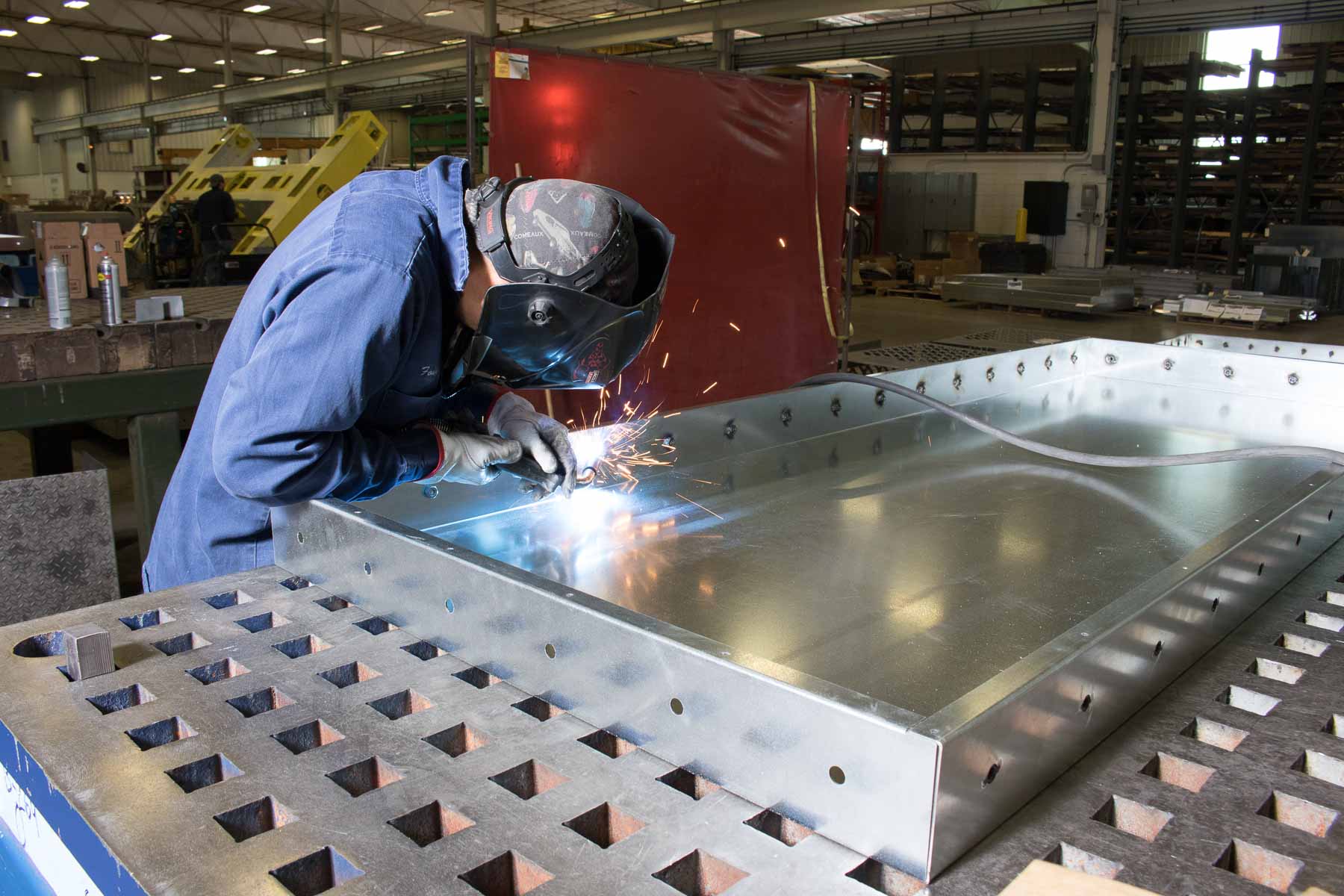
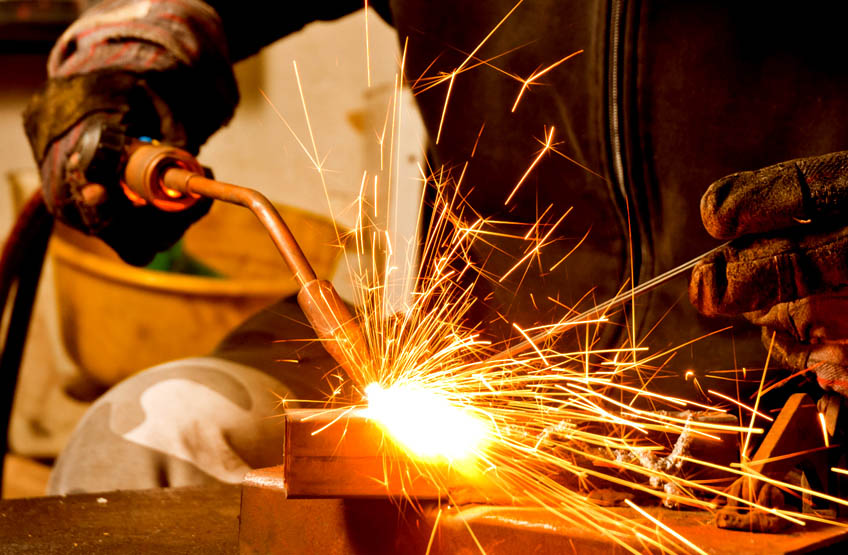
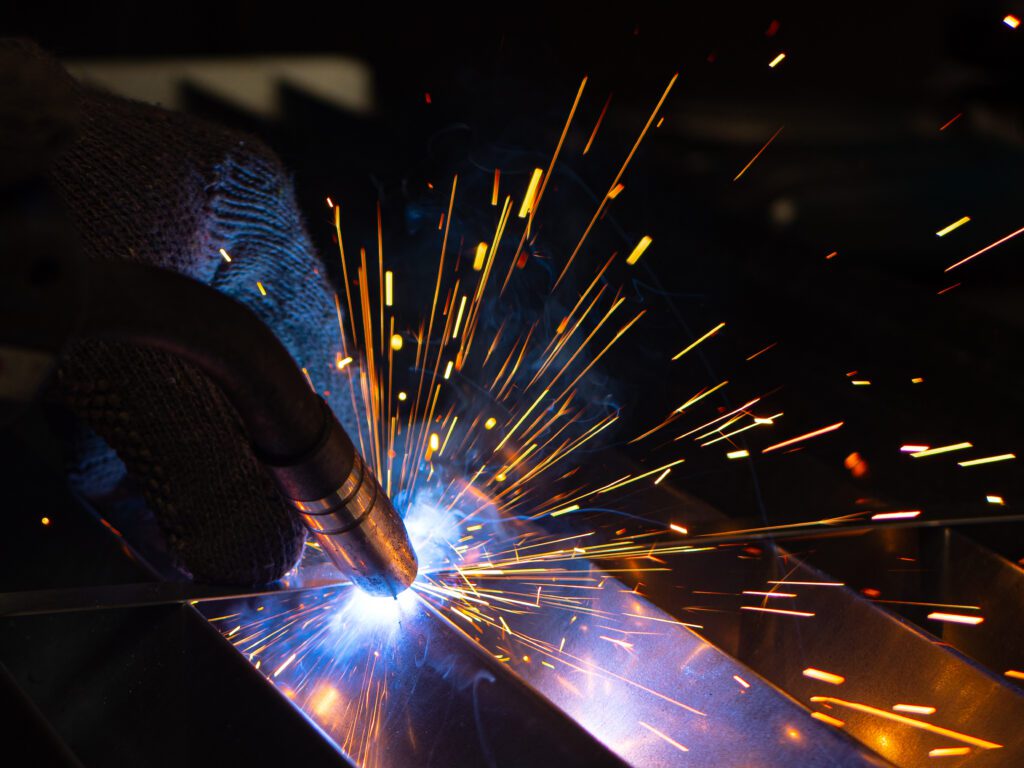
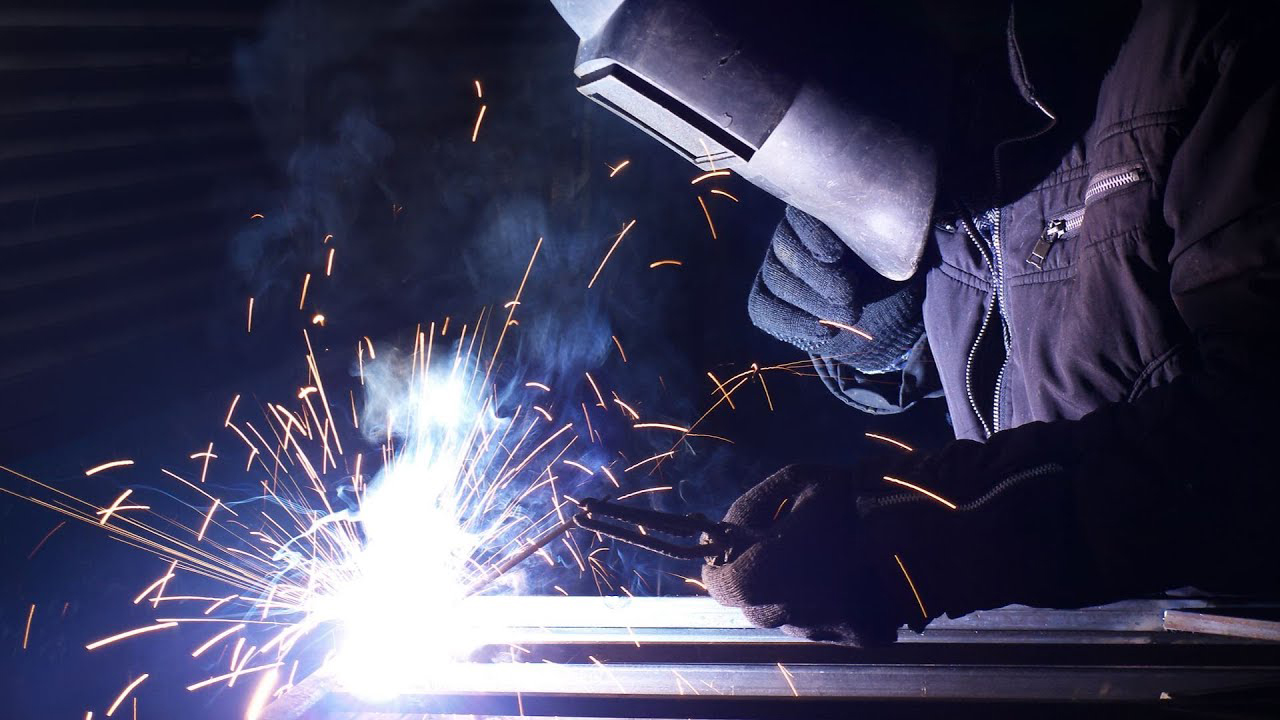
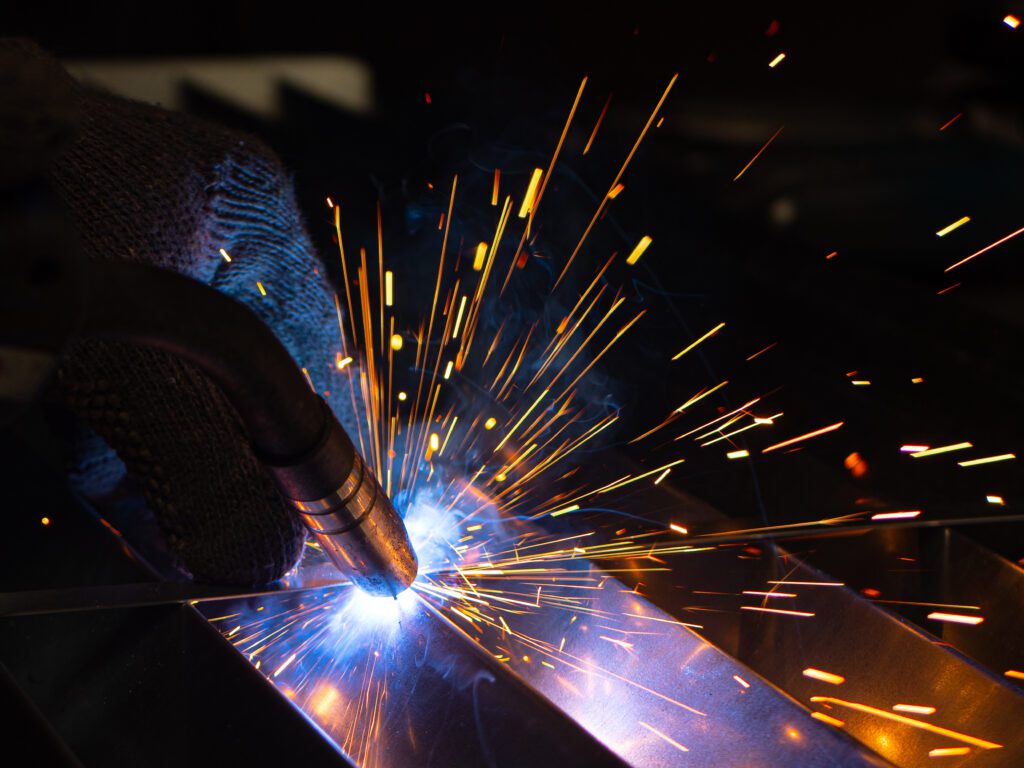
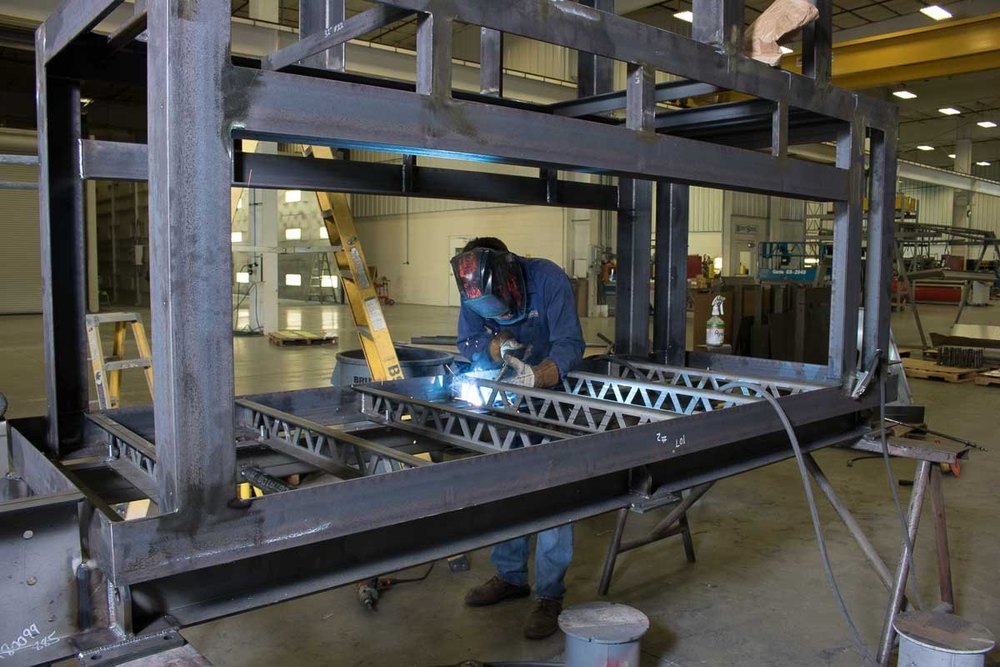
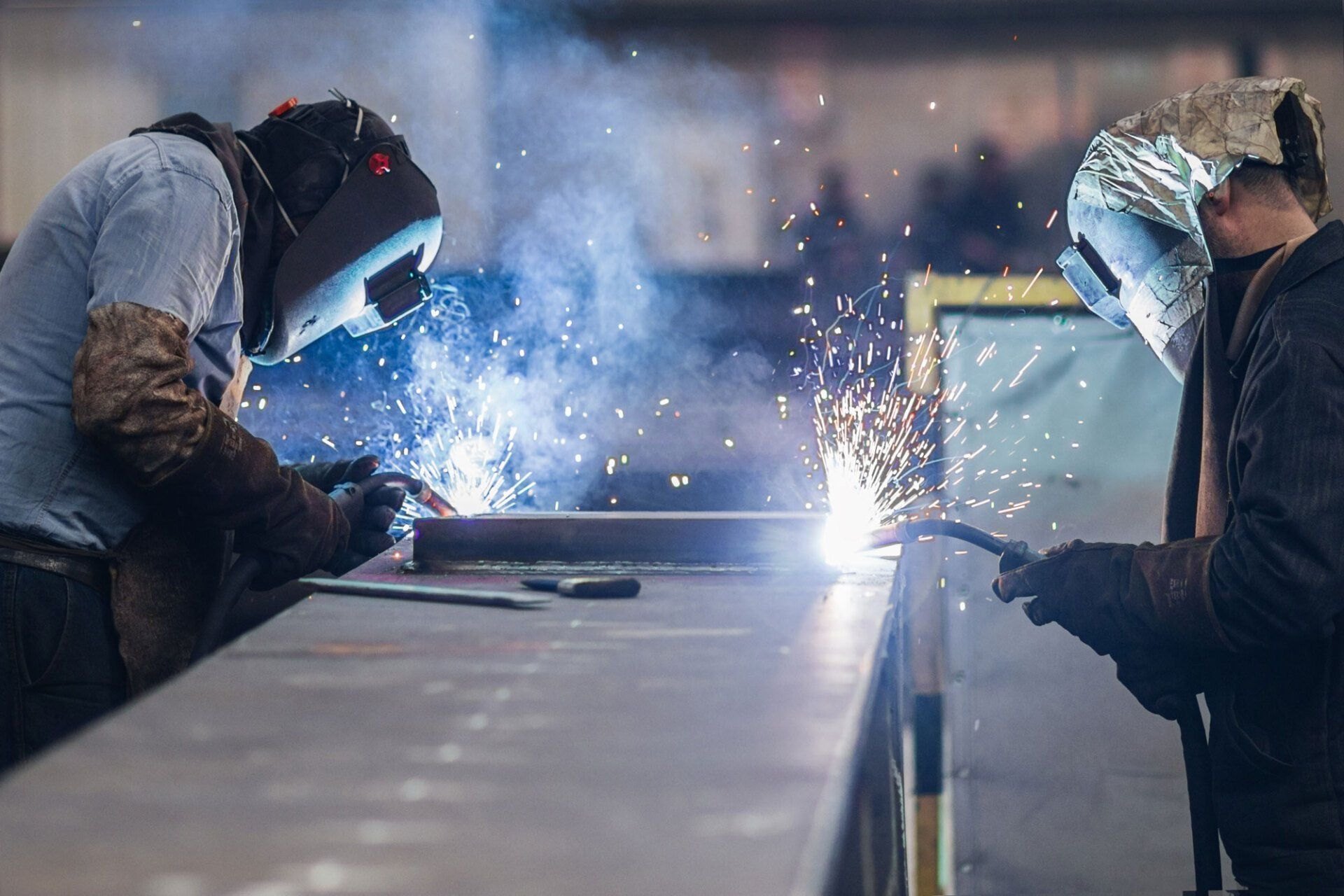
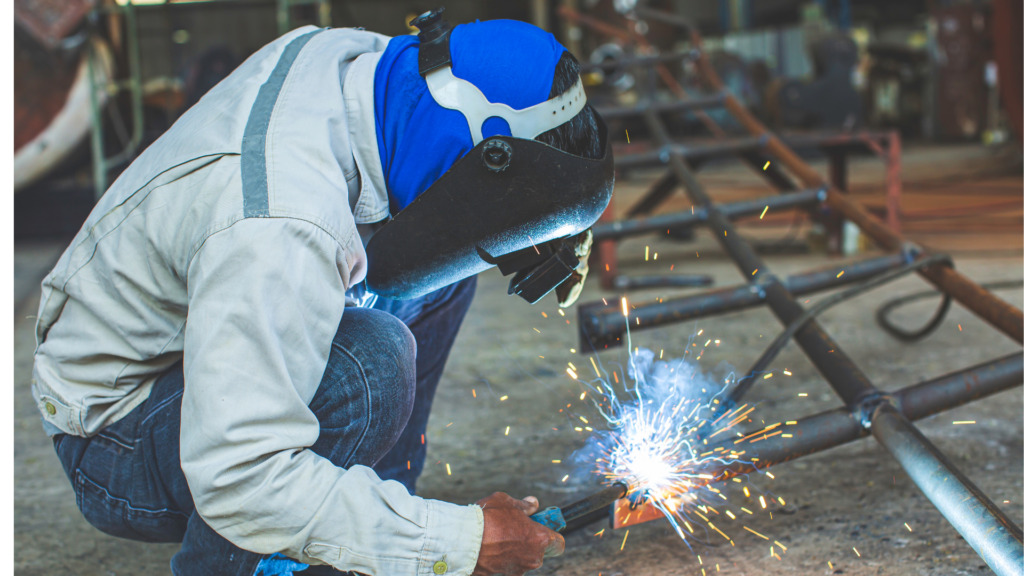
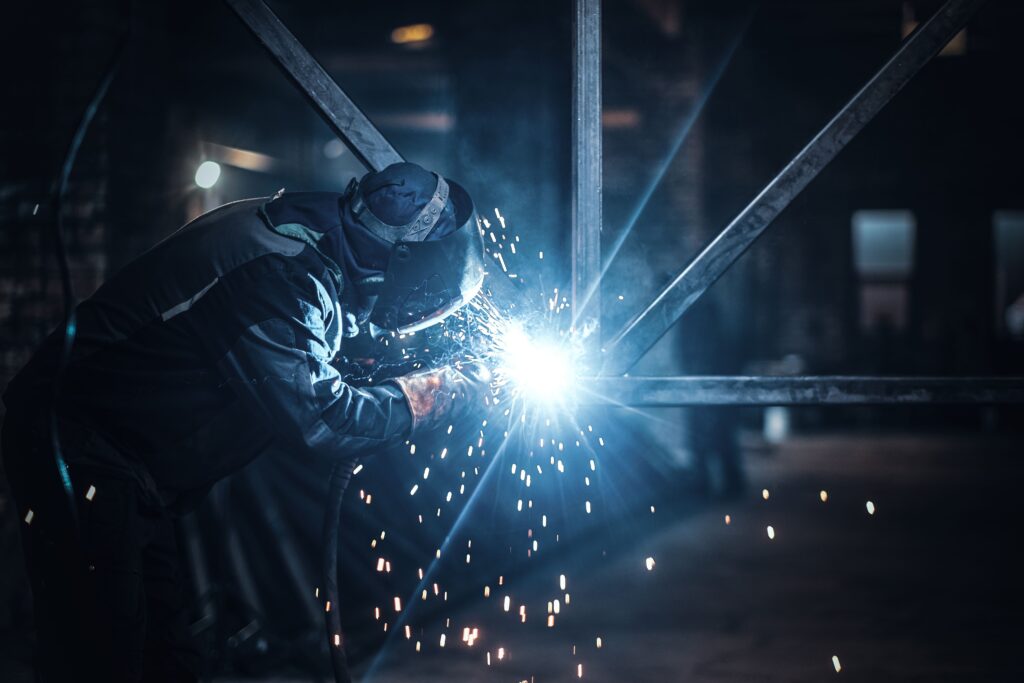
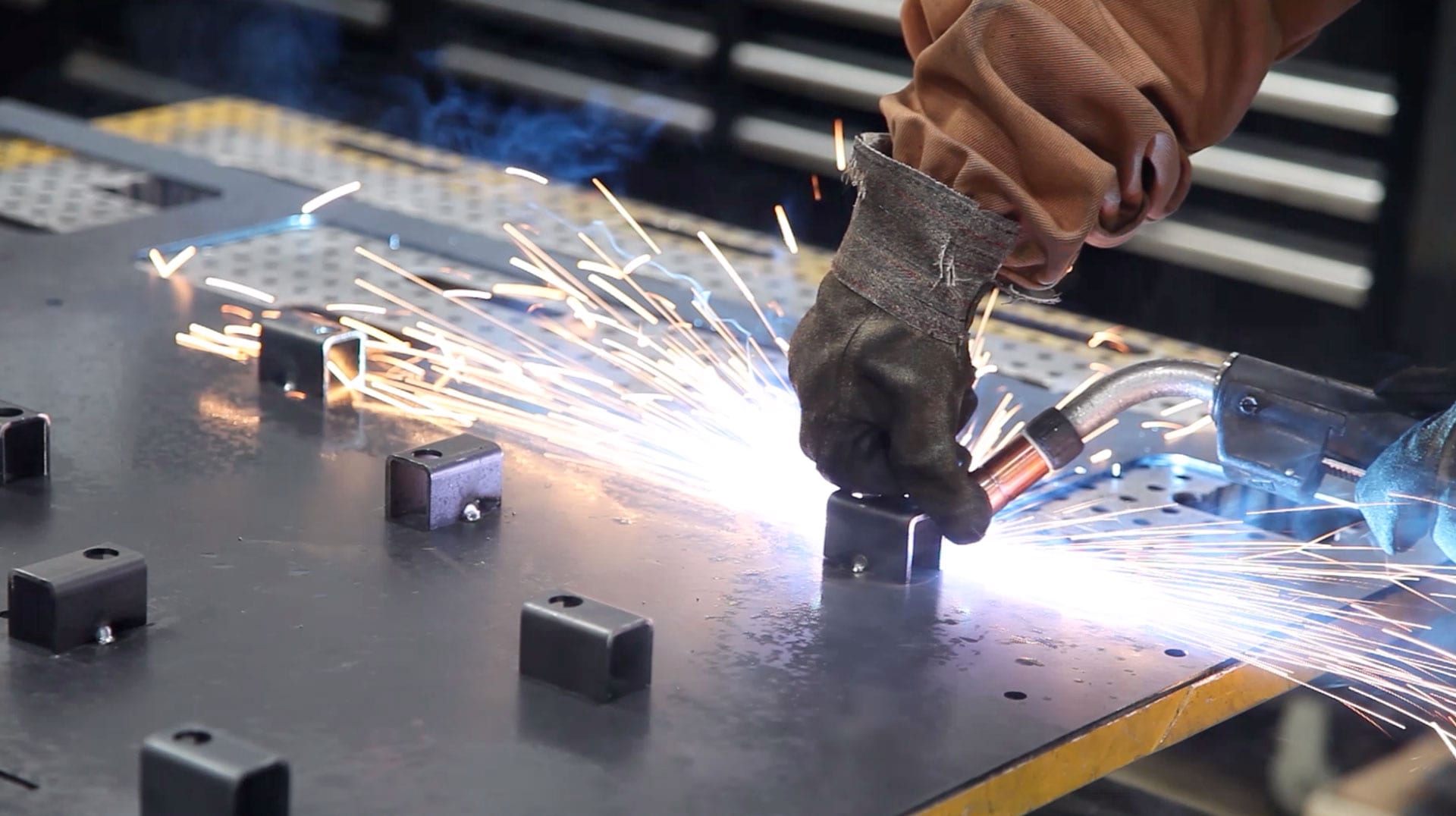
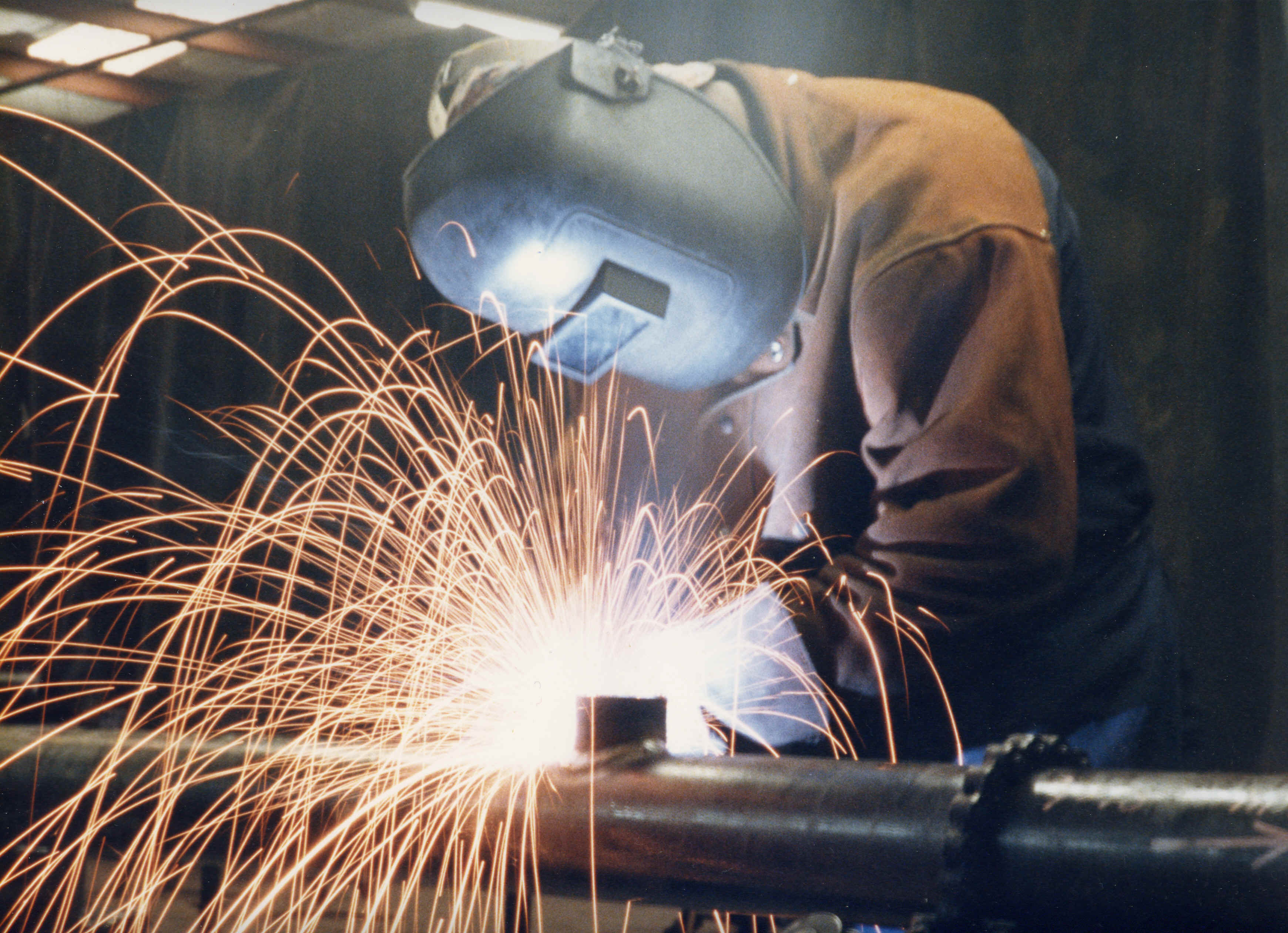
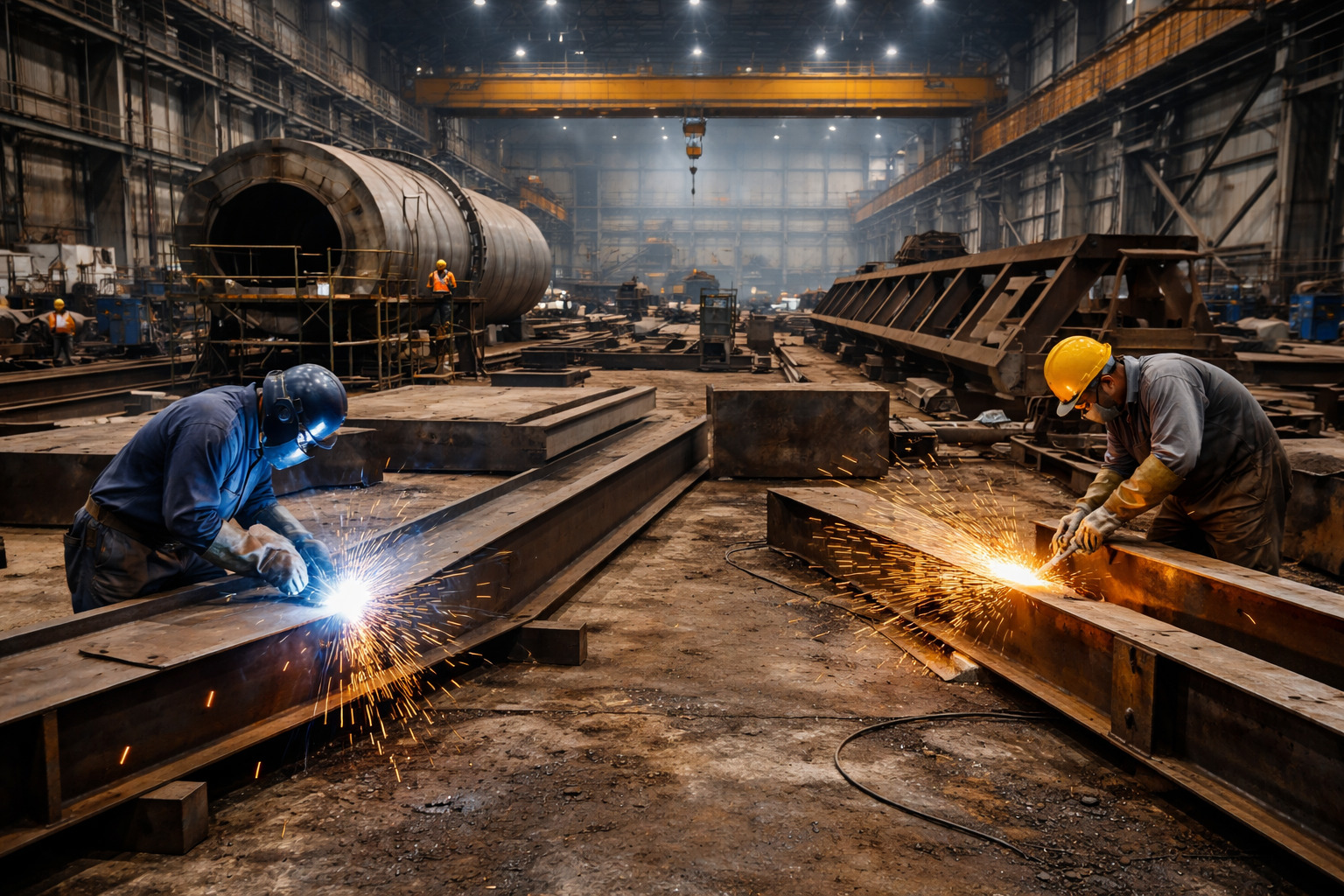
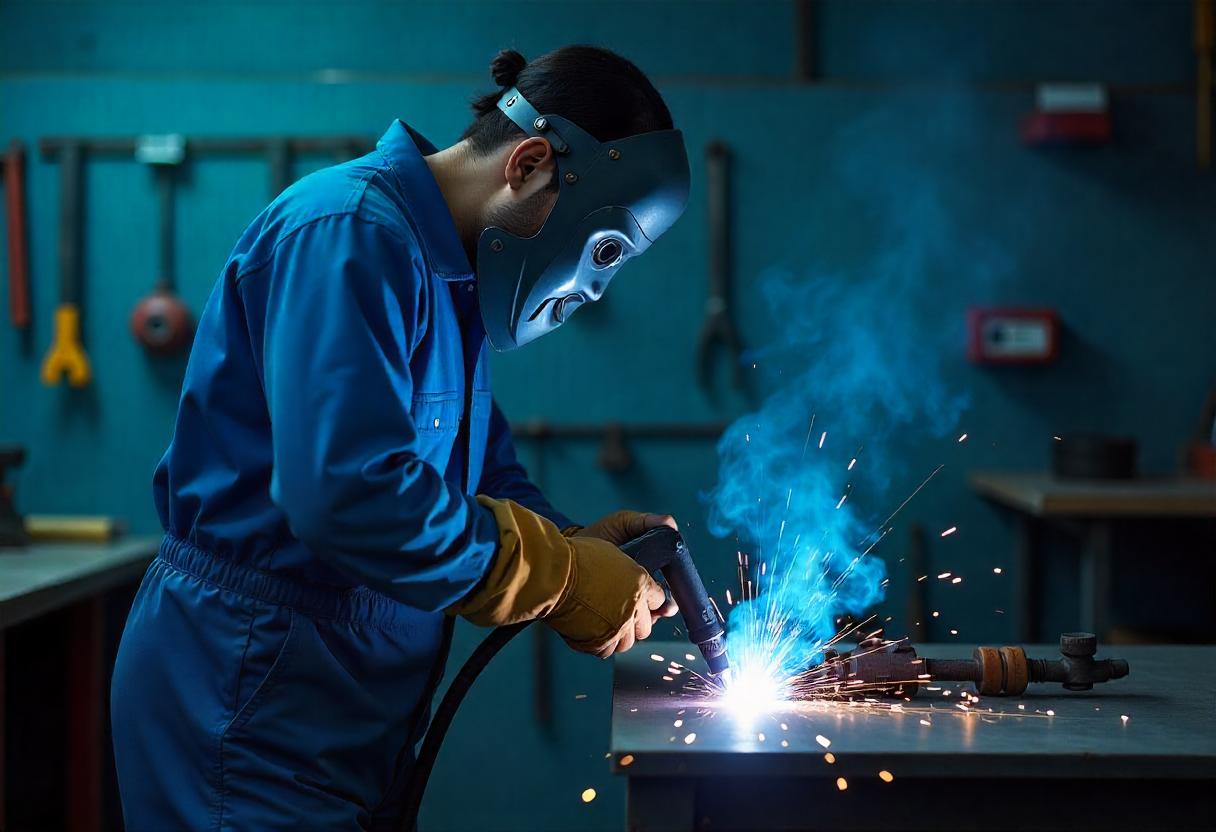
MIG and TIG Welding: We employ expert welders certified in both MIG (Metal Inert Gas) for speed and structural work, and TIG (Tungsten Inert Gas) for superior precision, clean joints, and aesthetically critical finishes (e.g., stainless steel enclosures).
-
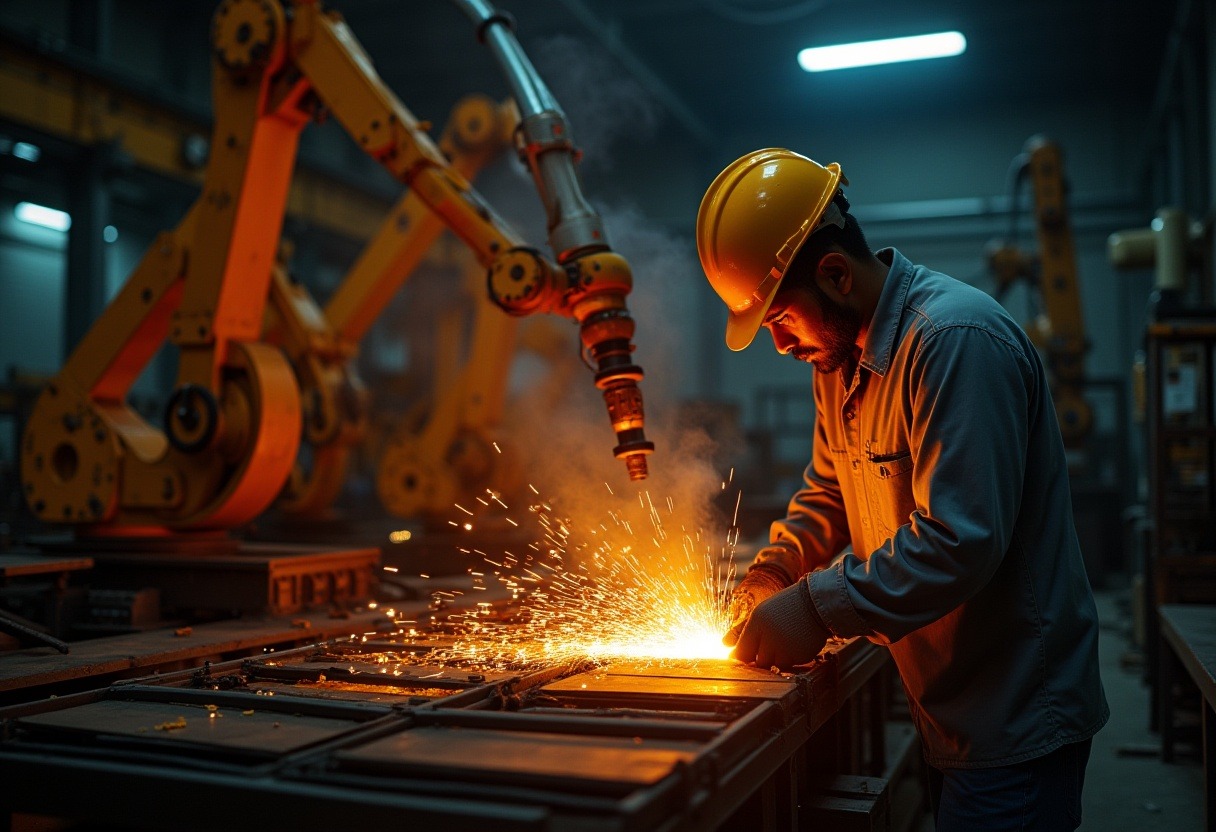
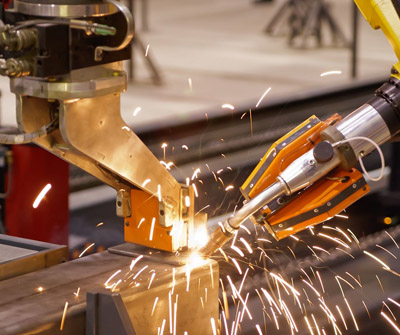
Robotic and Automated Welding: For high-volume projects requiring absolute consistency, we utilize robotic welding cells. This automation ensures strong, consistent, and defect-free joints for high-reliability assemblies, eliminating human variability.
-
-
Spot Welding and Fastening: Used for non-structural assemblies or where a permanent, fast, and clean join is needed. We also integrate various fastening methods, including PEM (self-clinching nuts and studs) insertion, for easy final assembly of enclosures.
4. Finishing and Post-Processing: Durability and Aesthetics
The final stage is critical for ensuring the part meets functional requirements like corrosion resistance and aesthetic standards, which are often key differentiators in the Bangalore electronics market.
-
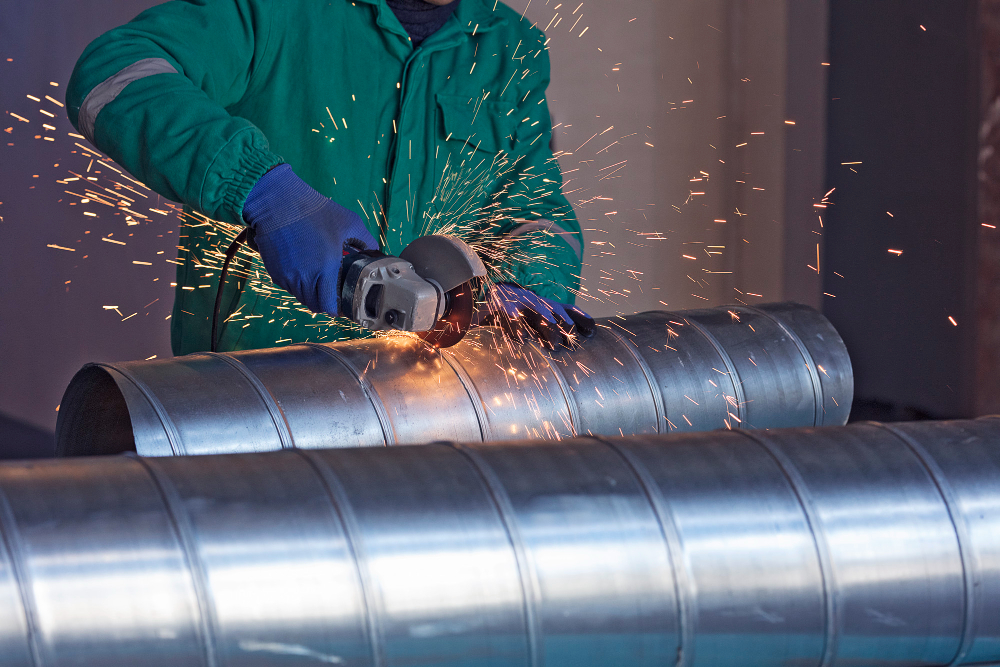
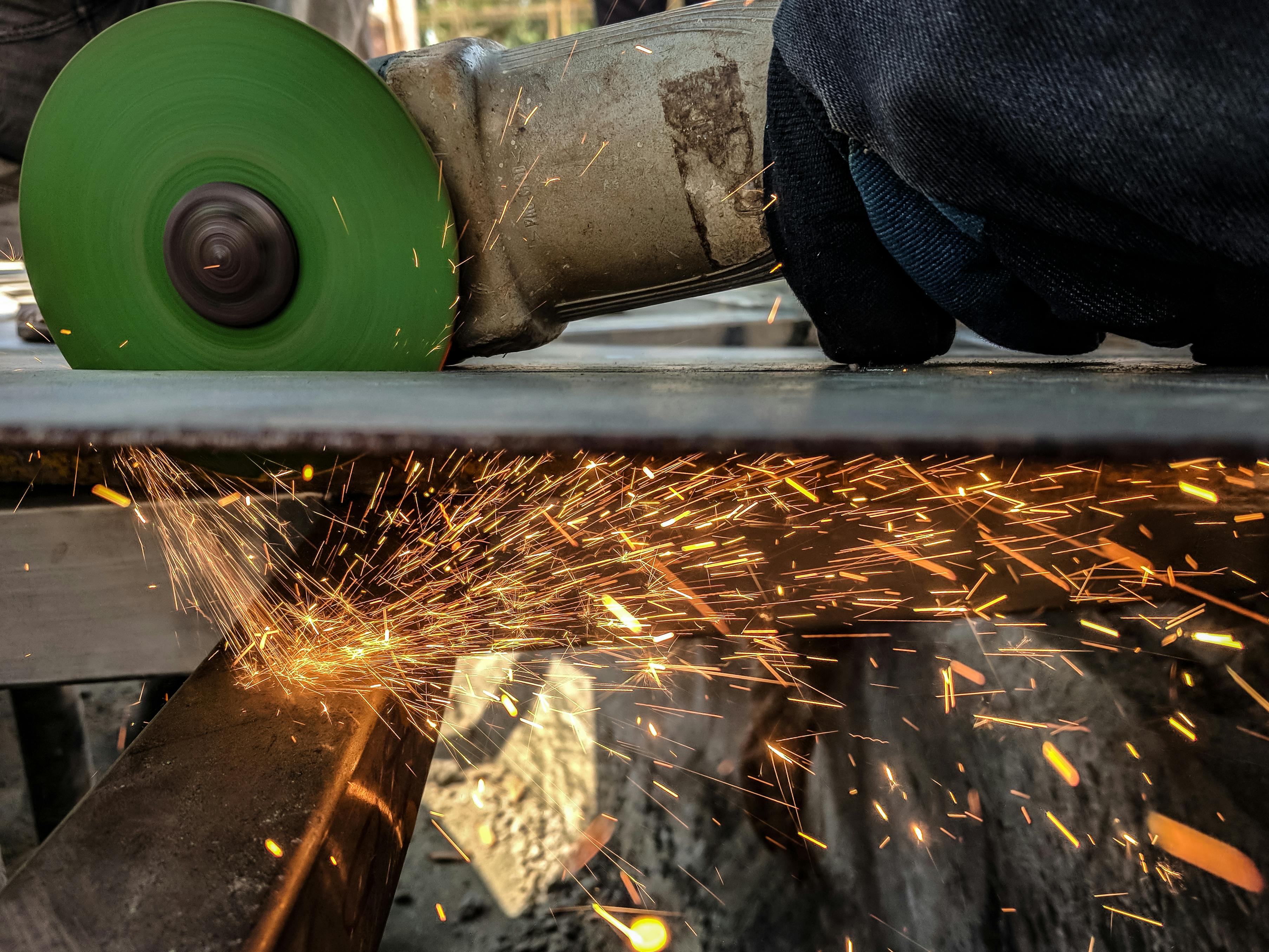
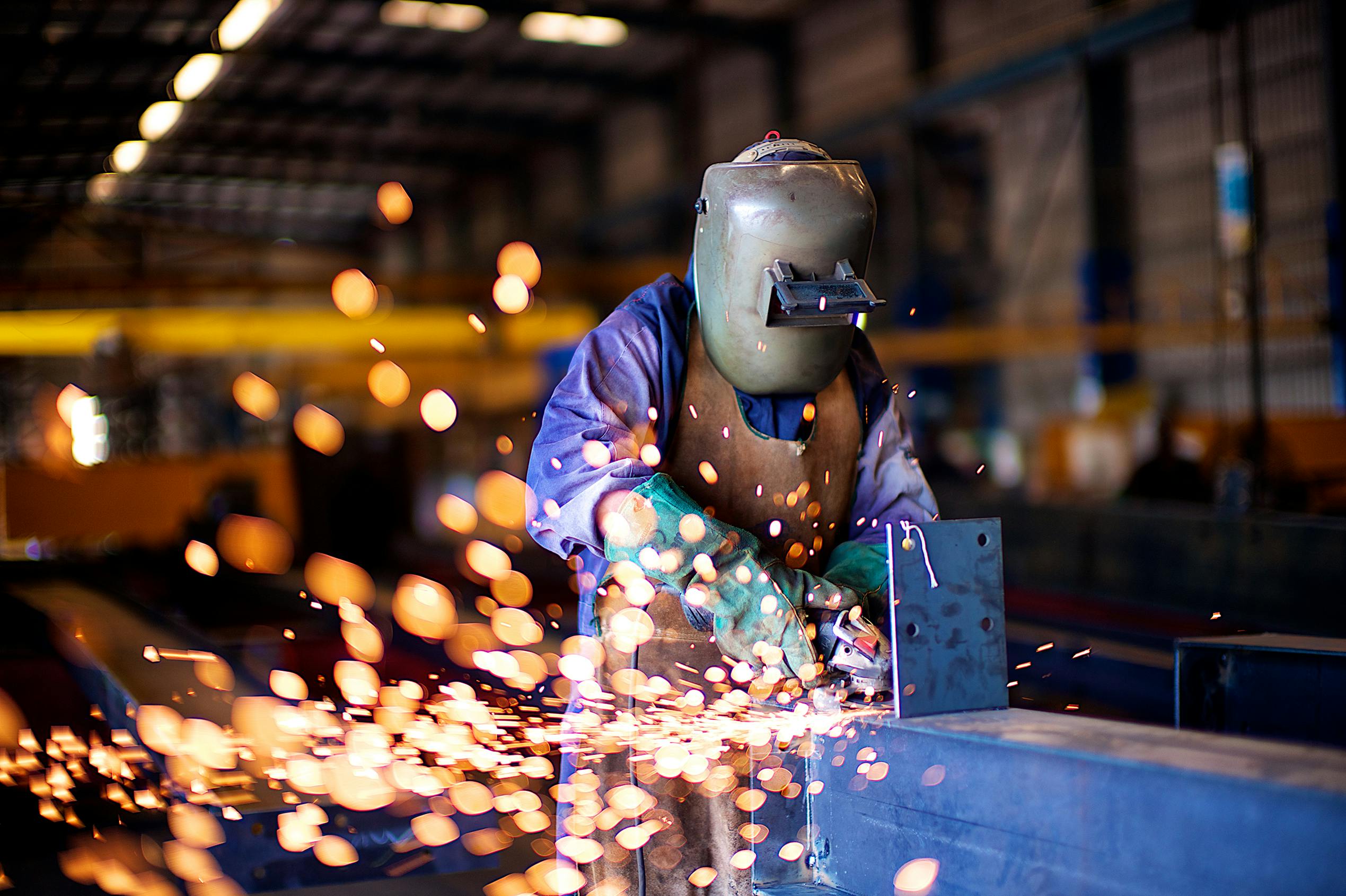
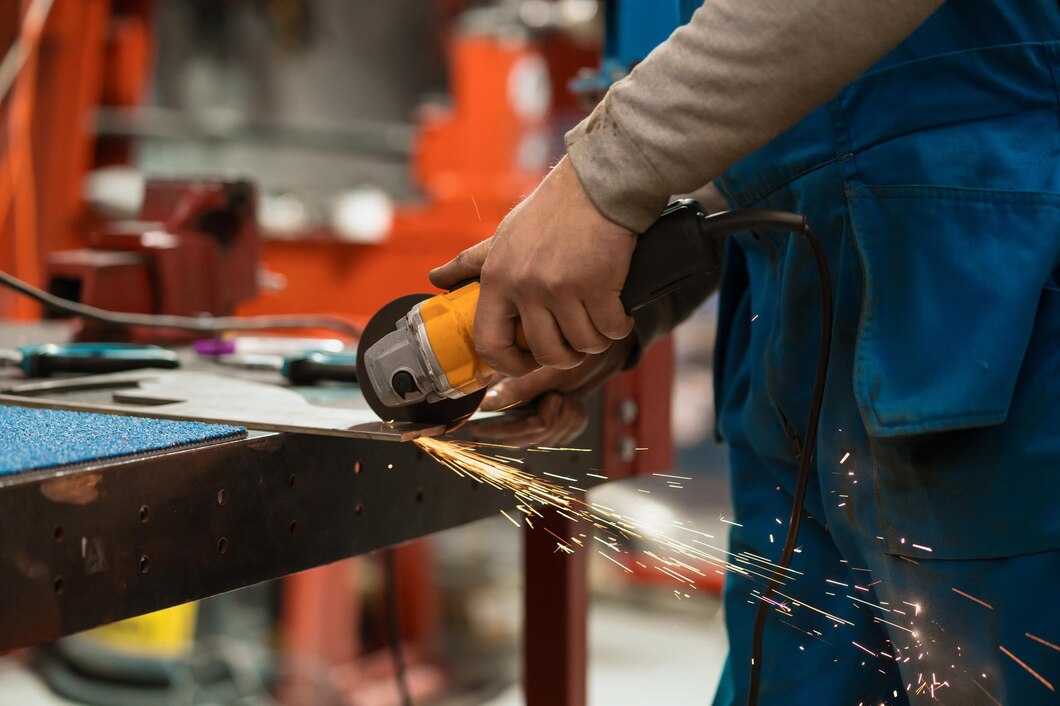
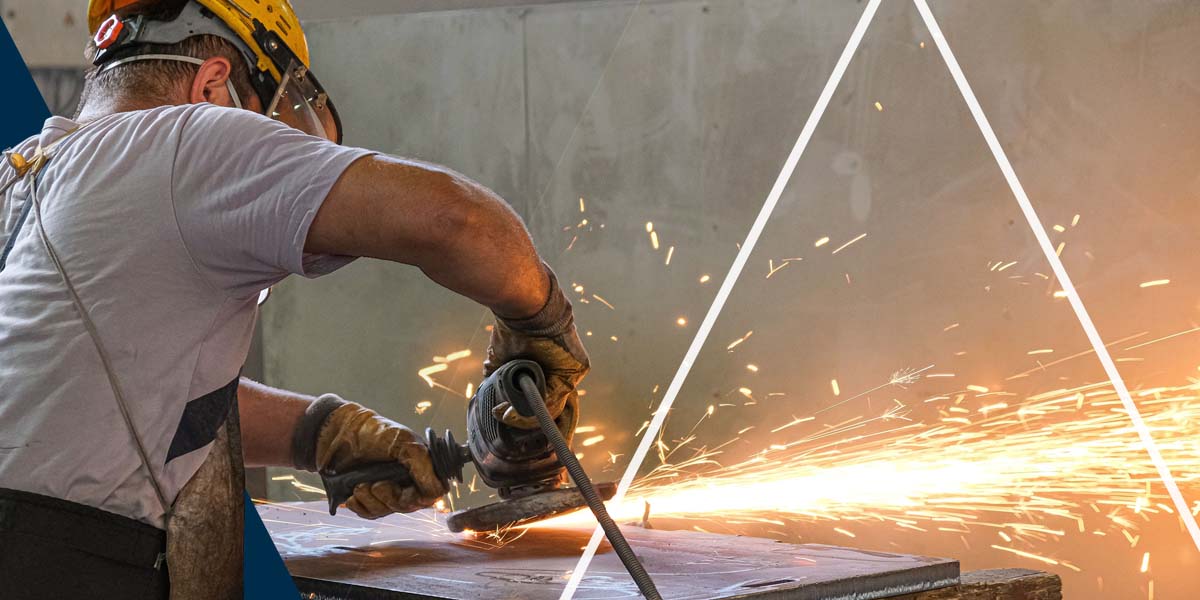
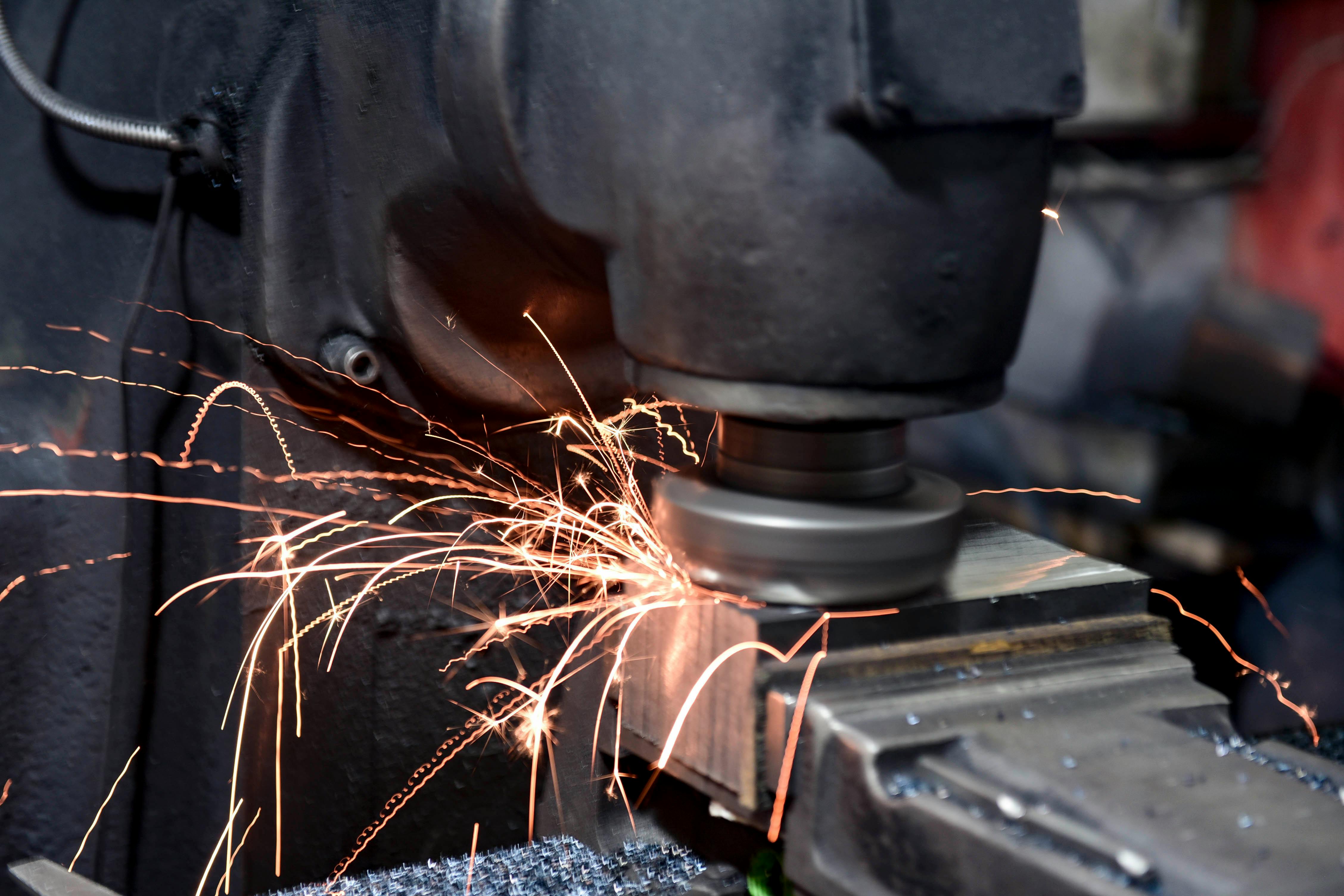
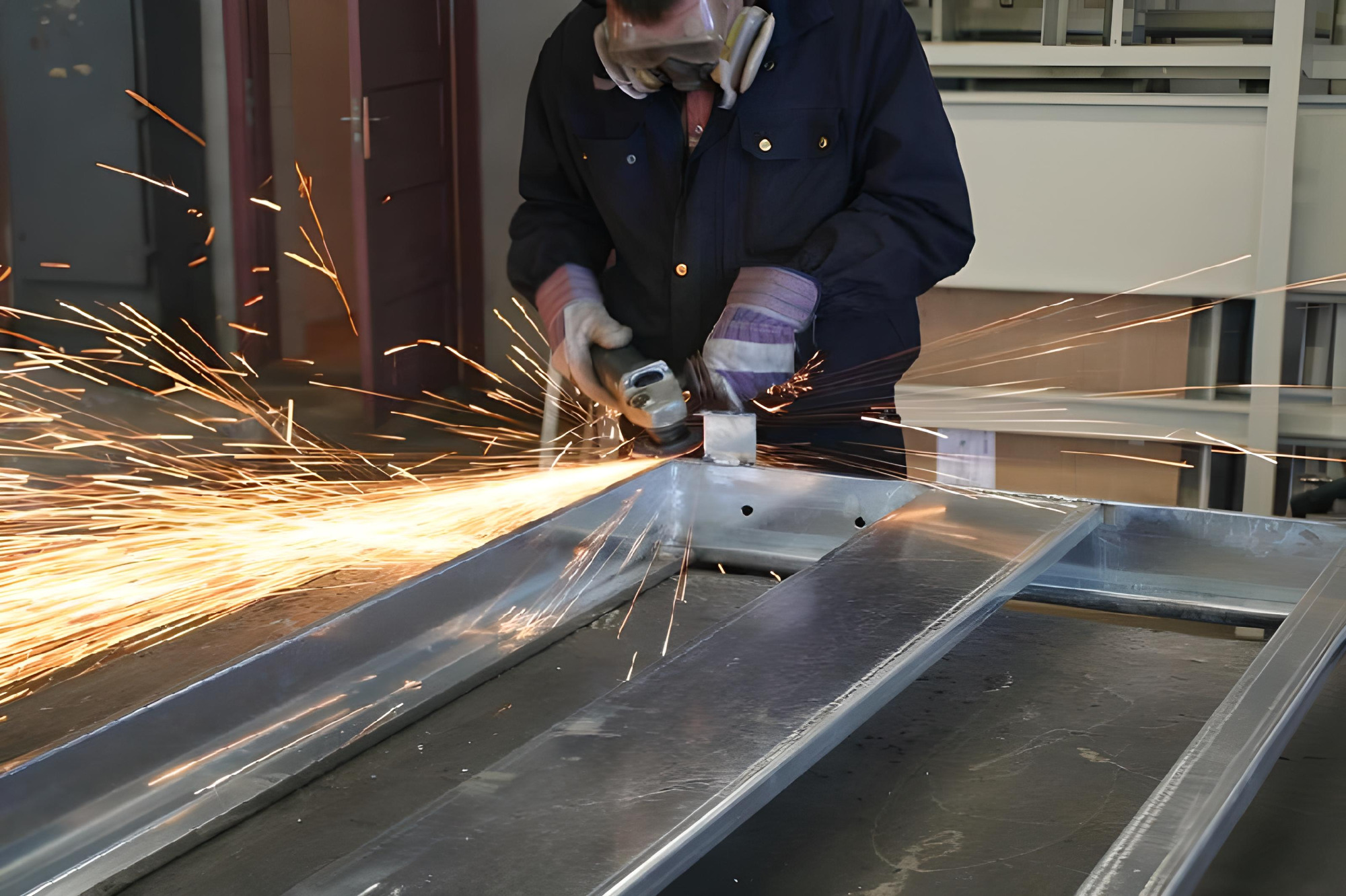
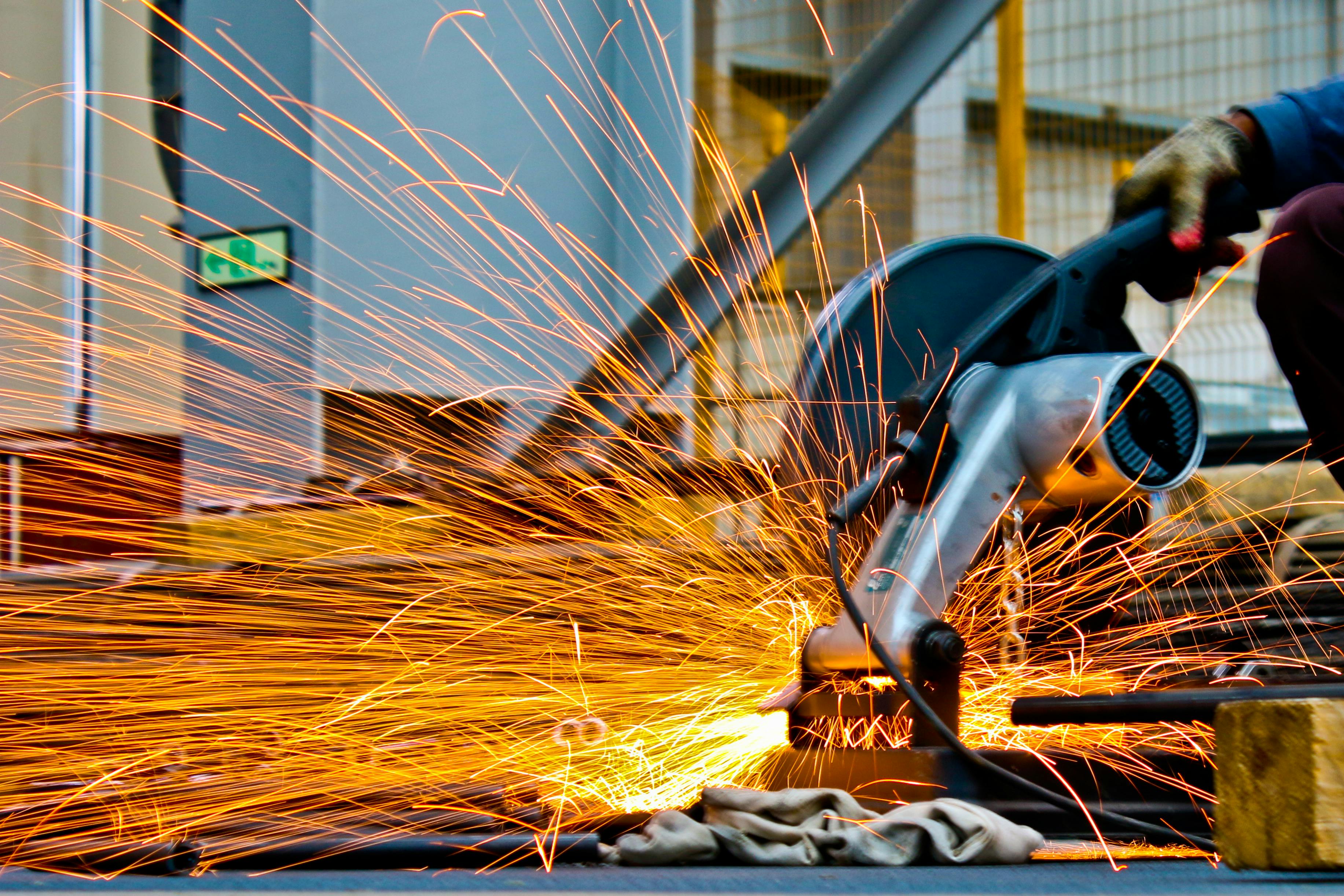
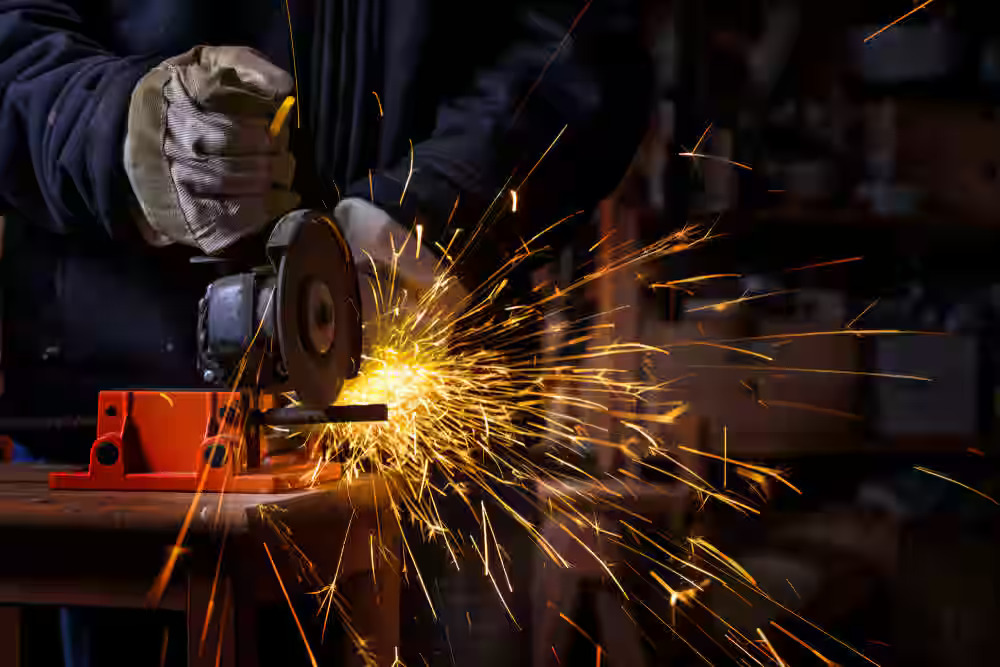
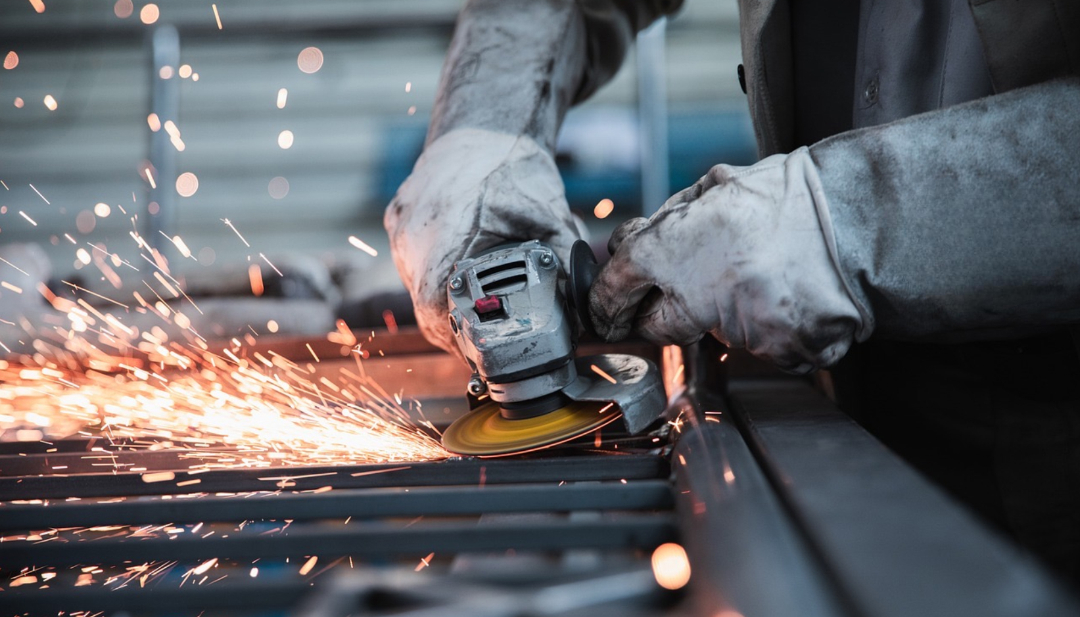
Deburring and Surface Preparation: Critical removal of sharp edges, burrs, and mill scale through automated processes like tumbling, grinding, or specialized abrasive finishing, ensuring a safe and smooth component ready for coating.
-
High-Performance Powder Coating: A free-flowing, dry powder is applied electrostatically and then cured under heat, creating a hard, resilient finish. Our state-of-the-art coating facility offers:
-
Superior Corrosion Resistance: Essential for components used in humid or industrial settings.
-
Wide Aesthetic Range: A vast palette of colors and textures (matte, glossy, hammered) to meet specific branding or functional requirements.
-
-
Anodizing and Plating: Anodizing is the electrochemical process used primarily on aluminum to increase the thickness of its protective oxide layer, enhancing wear resistance. Plating (e.g., zinc plating/galvanizing) is applied to steel to provide a sacrificial layer against rust and degradation, essential for outdoor or harsh industrial environments.
Bangalore's Industrial Demand: Applications of Sheet Metal Works
Bangalore's diverse, high-tech economy relies heavily on precision sheet metal fabrication. Zeometrix serves a wide spectrum of industries, enabling innovation across multiple sectors:
-
Electronics & Electricals (The Core of Bangalore): This industry demands highly precise, protective, and often aesthetically pleasing sheet metal components with excellent thermal management properties.
-
Products: Server racks, high-density network enclosures (chassis), computer casings, custom control panels, power distribution units (PDU) enclosures, and finely crafted heat sinks and baffles.
-
-
Automotive & EV: As the city embraces the electric vehicle (EV) revolution, sheet metal is essential for creating strong, lightweight structures that protect critical battery and power components.
-
Products: EV battery enclosures and housings (requiring excellent sealing and rigidity), structural brackets, bus bars made from copper, and chassis components.
-
-
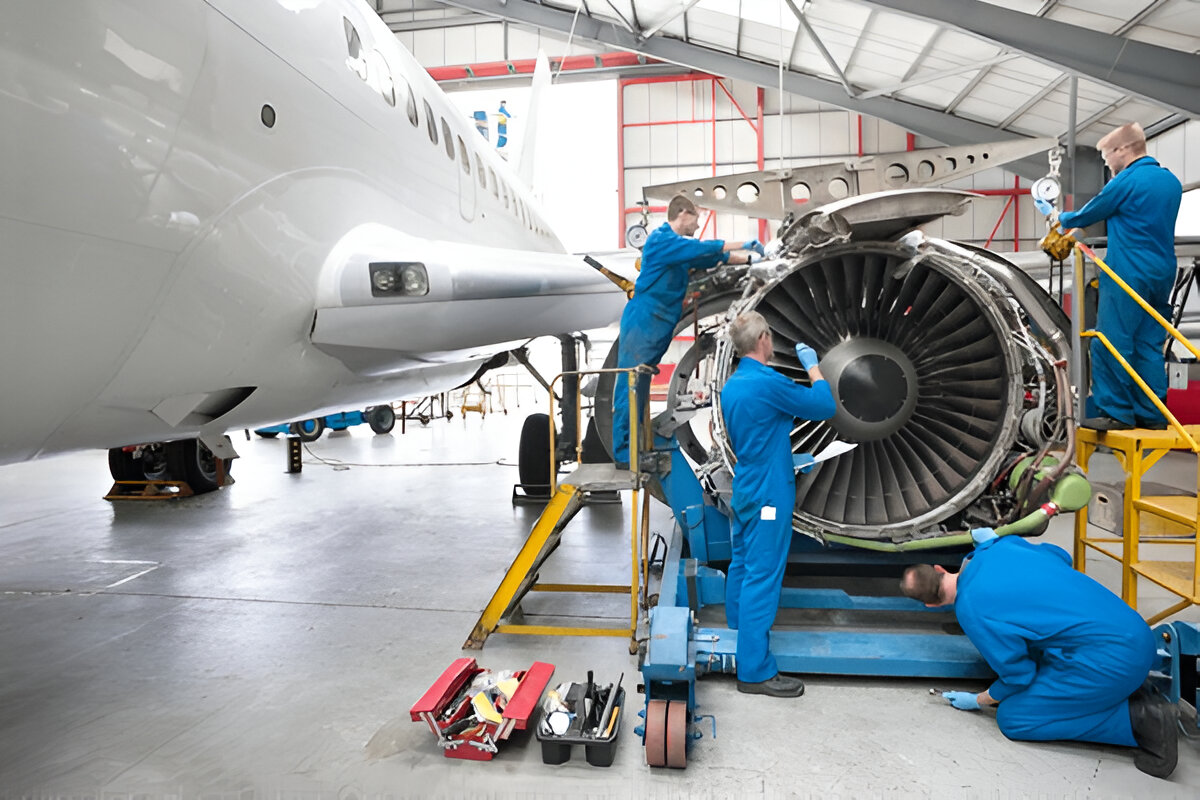
Aerospace & Defence: Precision and material integrity are paramount. Sheet metal components must meet stringent safety and performance standards for flight and defense applications.
-
Products: Lightweight structural components from specialized aluminum alloys, airframe panels, avionic racks, and custom brackets.
-
-
Construction & Infrastructure: Sheet metal provides durable, weather-resistant, and aesthetically pleasing materials for modern urban development.
-
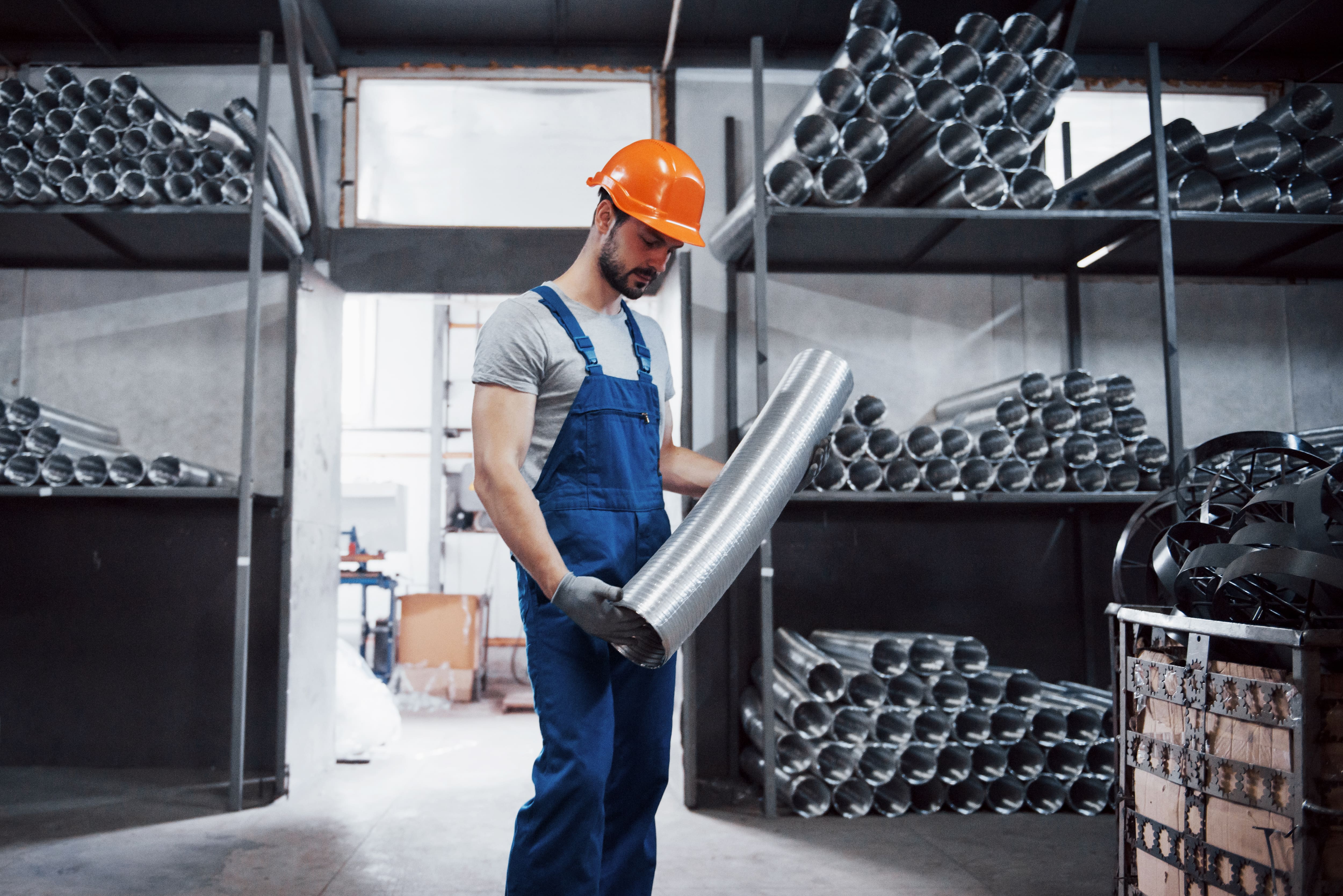
Products: High-efficiency HVAC ductwork and ventilation systems, striking architectural facade cladding, secure lift and elevator panels, and robust solar panel mounting structures.
-
-
Industrial Machinery & Robotics: Components must be robust and durable to withstand continuous operation and heavy loads.
-
Products: High-strength machine frames, durable protective guards and covers, complex control boxes, and robust equipment housings for factory automation systems.
-
The Zeometrix Advantage: Precision, Technology, and Partnership
Choosing the right sheet metal fabrication partner in a competitive market like Bangalore is critical to the success of your project. At Zeometrix, our commitment goes beyond just providing a service; we offer a seamless, integrated manufacturing solution built on three core pillars:
1. Integrated, End-to-End Solutions and DFM Focus
We provide a full-spectrum service from initial design consultation to final assembly and finishing. This Design-for-Manufacturability (DFM) approach is a non-negotiable part of our service. Our experienced engineers work directly with your design team from the conceptual stage, scrutinizing 3D models and 2D drawings to optimize the design for the most efficient, cost-effective, and highest-quality fabrication process. This upstream collaboration significantly reduces errors, minimizes material waste, shortens lead times, and eliminates costly redesigns down the line. Our in-house capabilities encompass the entire manufacturing chain, ensuring quality and accountability are maintained throughout.
2. Commitment to Advanced Technology and Lean Manufacturing
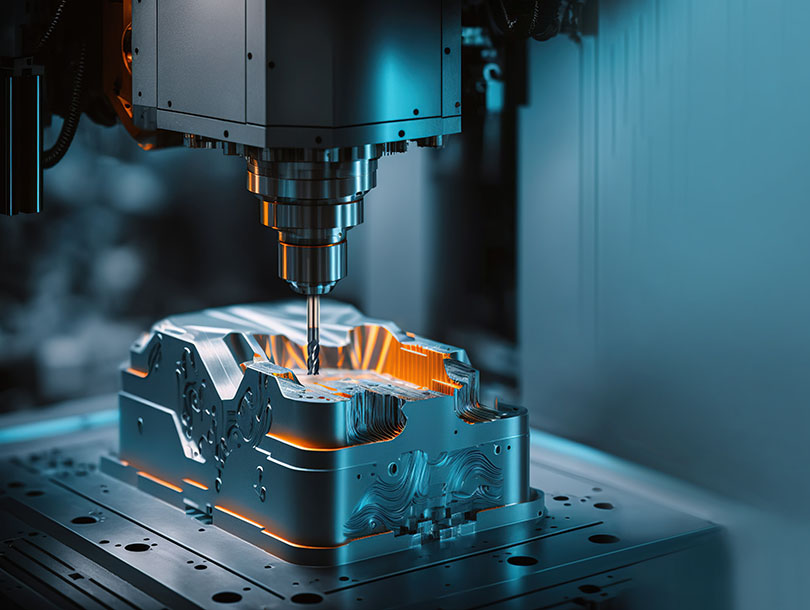
The quality of a sheet metal component is only as good as the machine that made it. Zeometrix continually invests in the latest Industry 4.0-compliant CNC machinery and software. This investment supports our lean manufacturing philosophy, which emphasizes waste reduction and value creation. This translates directly into:
-
Higher Accuracy and Repeatability: Achieving tighter tolerances, especially for complex parts, which is crucial for large-scale assembly.
-
Superior Efficiency: Optimized machine nesting (the layout of parts on the sheet metal) minimizes material scrap, contributing to cost savings and environmental sustainability.
-
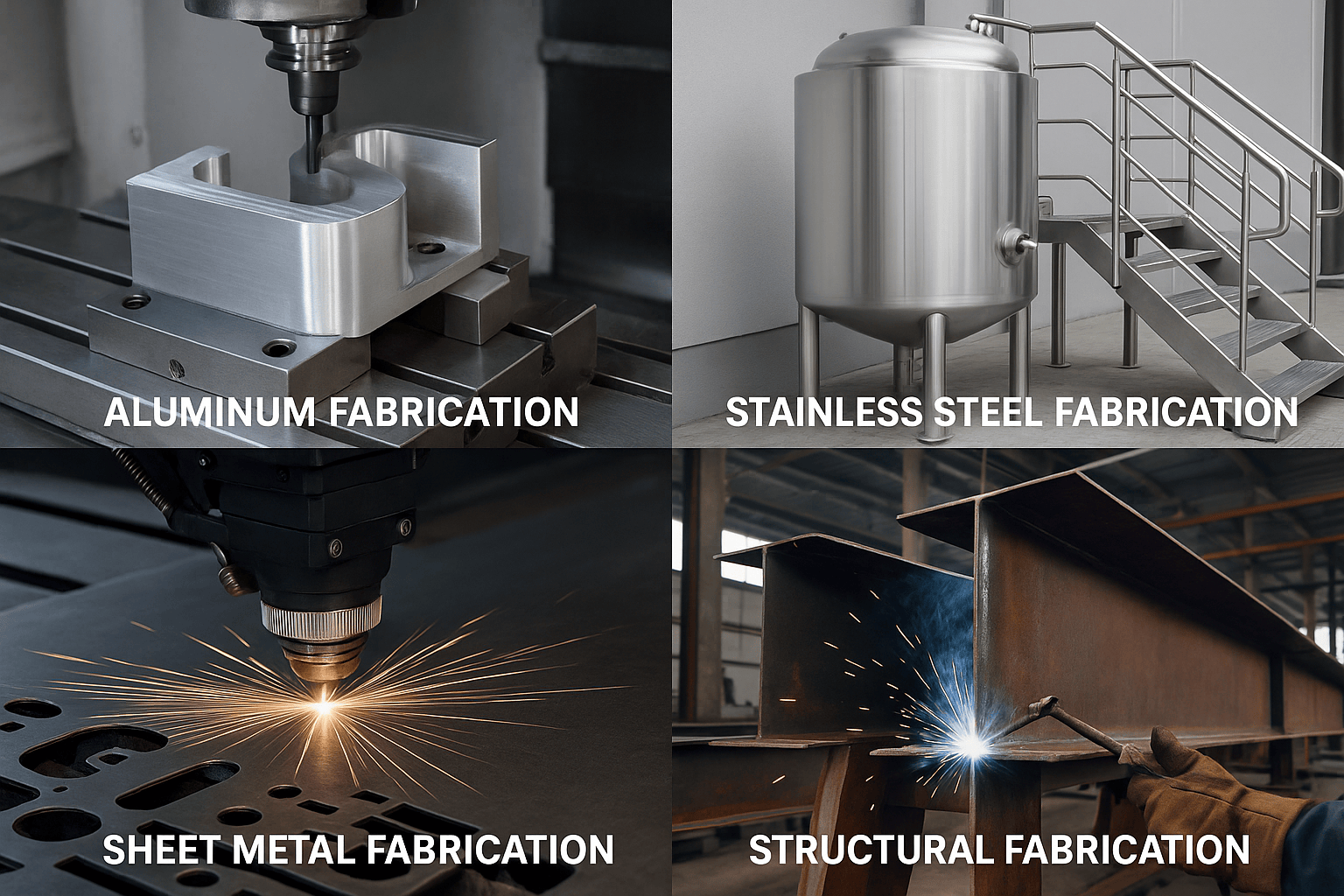
Material Versatility: Capability to work proficiently with a wide array of materials, including Mild Steel, Stainless Steel (304, 316, Duplex), Aluminum alloys (6061, 5052), Brass, and Copper, ensuring we can meet the specific strength and conductivity requirements of any industry.
3. Unwavering Quality Assurance and Traceability
Quality is the non-negotiable cornerstone of Zeometrix's operations. Our processes adhere to rigorous industry standards (e.g., ISO 9001 certification), with a focus on comprehensive Quality Control (QC) at every stage. We utilize advanced tools like 3D Coordinate Measuring Machines (CMM) and non-contact scanning systems for precision dimensional checks. Furthermore, we implement a robust Material Traceability system, which is essential for regulated industries. Every component can be traced back to its raw material batch and the machine that produced it, guaranteeing accountability and reliability.
4. The Zeometrix Partnership: A Local Commitment to the Bangalore Market
Operating right here in Bangalore, we offer the logistical advantages of a local partner: swift communication, easy site visits for collaboration, and rapid response to design modifications or urgent needs. For businesses in the region, partnering with Zeometrix means collaborating with a team that deeply understands the local supply chain dynamics, the high-quality expectations of the city’s tech sector, and the rapid innovation cycle that characterizes the Bangalore market. We are committed to building long-term, high-trust partnerships, not just fulfilling one-off orders.
Conclusion: Fabricating Tomorrow’s Innovation
Sheet metal works in Bangalore is more than a manufacturing service; it is a catalyst for the city’s industrial and technological future. As industries demand lighter, stronger, and more complex parts—often with tighter deadlines and cost pressures—the need for a reliable, technologically advanced, and quality-focused fabrication partner has never been greater.
Zeometrix is engineered to meet and exceed this demand. By combining decades of engineering expertise with cutting-edge CNC technology, a lean manufacturing approach, and an end-to-end partnership philosophy, we are dedicated to transforming your designs from concept to reality with unmatched precision. We are here to fabricate the next generation of industrial excellence, right here in Bangalore.
Frequently Asked Questions (FAQ)
Q1: What is the minimum and maximum thickness of sheet metal Zeometrix can work with?
A: At Zeometrix, we typically handle sheet metal thicknesses ranging from $0.5\text{ mm}$ (26 Gauge), perfect for delicate electronic enclosures, up to $10\text{ mm}$ or more (Plate metal) for heavy industrial fabrication, depending on the material (e.g., Mild Steel, Stainless Steel, Aluminum). Our machinery is optimized for high-precision processing across this range.
Q2: What is "Springback" in sheet metal bending and how does Zeometrix manage it?
A: Springback is the phenomenon where a bent metal part attempts to partially return to its original flat shape after the bending force is released. It is a natural material property. Zeometrix manages this through advanced CNC Press Brakes that use sophisticated calculation models, and techniques like overbending (bending the part slightly more than the desired angle) and precise die selection to compensate accurately and ensure the final angle meets the required tolerance.
Q3: What is the difference between Laser Cutting and CNC Punching, and which one is better for my project?
A:
-
Laser Cutting is ideal for intricate, complex geometries, small holes, and parts requiring very fine, precise edges and tight tolerances. It is better for prototyping and low-to-medium volume runs.
-
CNC Punching is much faster and more cost-effective for high-volume production of parts with repetitive features like a large number of uniform holes or simple cutouts.
The "better" option depends entirely on the part's geometry, material, required tolerance, and production volume. Our engineers can recommend the most efficient process based on your specific design.
Q4: Does Zeometrix offer surface finishing services like Powder Coating in Bangalore?
A: Yes, Zeometrix provides a full suite of in-house and integrated surface finishing services. This includes various options like Powder Coating (for durability and aesthetics), Anodizing (for aluminum), Plating (e.g., Zinc, Nickel), and Polishing to ensure the final product is protected from corrosion and meets all your aesthetic and functional specifications.
Q5: How does Zeometrix ensure quality and precision for parts used in the Aerospace and Medical industries?
A: For high-stakes industries like Aerospace and Medical, Zeometrix employs a rigorous, multi-point Quality Control (QC) system. This includes using advanced metrology equipment (like CMMs or laser scanners) for dimensional inspection, ensuring material traceability with compliance to relevant standards, and maintaining controlled documentation. Our processes are designed for high repeatability and adherence to tight tolerances, ensuring every component meets the stringent safety and performance requirements.