The Evolution of Sheet Metal Fabrication: How Bangalore Became a Global Manufacturing Hub
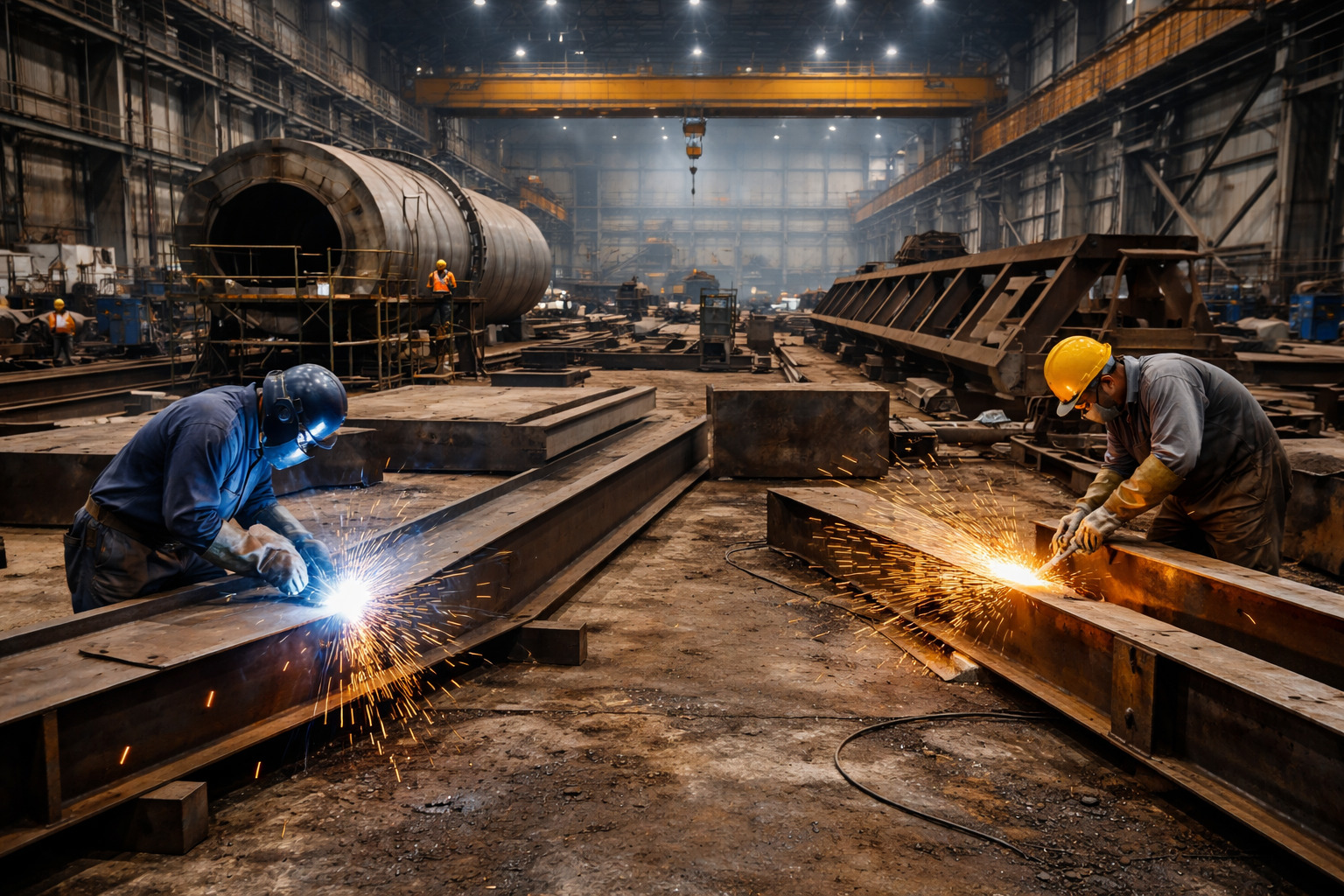
Bangalore, long hailed as the "Silicon Valley of India," is undergoing a profound industrial transformation that mirrors the global shift toward Manufacturing 4.0. In 2025, the narrative has shifted from being a global software giant to becoming a premier hub for precision engineering and high-tech manufacturing. At the heart of this industrial renaissance are sheet metal fabricators in Bangalore, a sector that has evolved from basic workshop operations into highly automated "smart factories."
As industries like Aerospace, Electric Vehicles (EVs), and Renewable Energy converge in Karnataka’s capital, the demand for high-precision metal components has never been higher. For businesses seeking a reliable partner, Zeometrix has emerged as a leader in this space, bridging the gap between rapid prototyping and large-scale manufacturing with a technology-first approach.
1. The Geography of Excellence: Bangalore’s Fabrication Clusters
Bangalore’s industrial layout is divided into strategic "hubs," each specializing in different tiers of fabrication. To the uninitiated, the city is a labyrinth, but to a seasoned procurement manager, knowing where to look can save significant logistics costs and lead time.
Peenya Industrial Area: The Heritage Hub
One of the largest industrial estates in South East Asia, Peenya remains the bedrock of Bangalore’s metalworking sector. Established decades ago, it has transitioned from traditional lathe shops to sophisticated CNC centers. It is ideal for high-mix, low-volume orders where manual expertise meets legacy systems. If your project requires "old-school" craftsmanship combined with modern tolerances, Peenya’s ecosystem of micro-entrepreneurs is unmatched.
Jigani & Bommasandra: The Modern Powerhouse

Located towards the south, the Jigani-Bommasandra industrial belt is where the "big iron" lives. This is where Zeometrix is strategically positioned. These areas are characterized by large industrial plots that allow for heavy structural fabrication, automated assembly lines, and state-of-the-art coating facilities. Because of its proximity to the Electronics City flyover and the Bangalore-Hosur highway, it is the primary choice for companies requiring seamless logistics for bulky components like EV battery packs and telecommunication towers.
Electronic City: The High-Precision Zone
While known for software, the hardware side of Electronic City focuses on aesthetics and shielding. Fabricators here specialize in IP-rated enclosures, server racks, and components requiring extreme dimensional accuracy for sensitive PCB assemblies. The focus here is not just on strength, but on EMI/RFI shielding and medical-grade finishes.
2. Core Fabrication Processes at Zeometrix: A Technical Deep-Dive
Modern sheet metal fabrication is no longer just about "cutting and bending." At Zeometrix, the process is a digitized journey that ensures every micron counts.
.jpg)
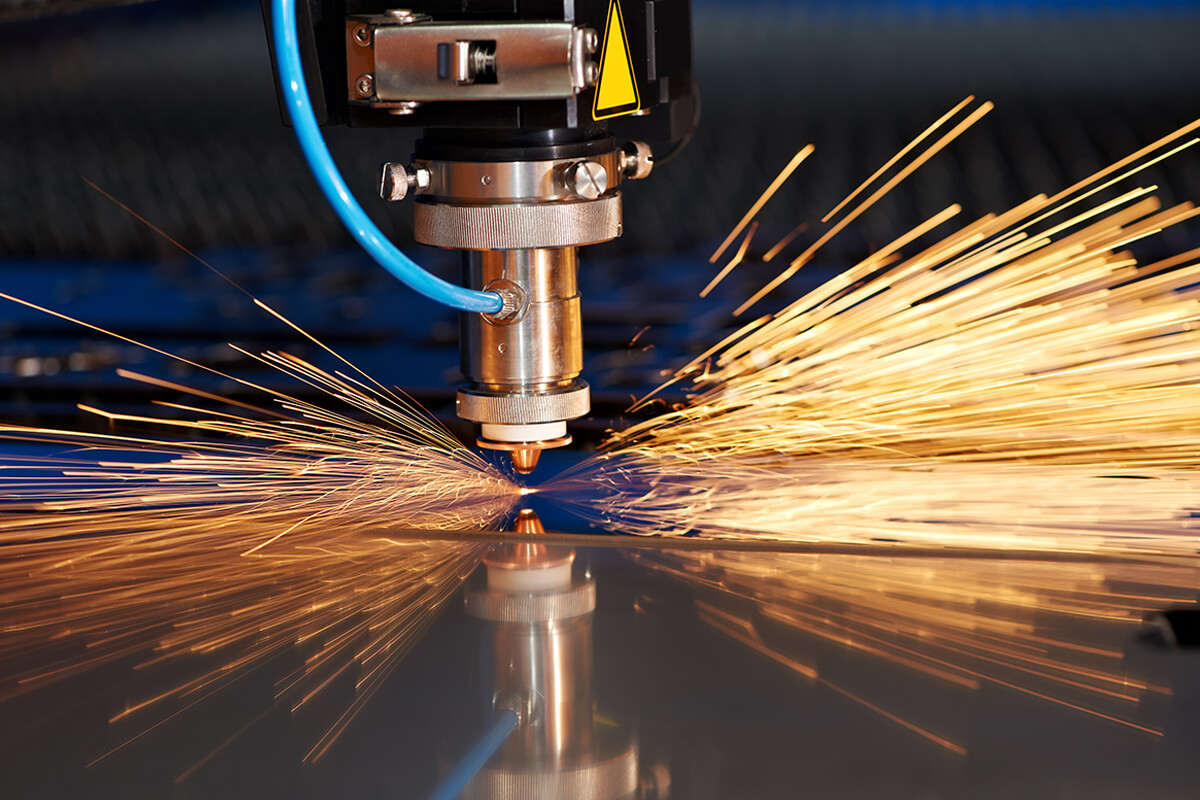
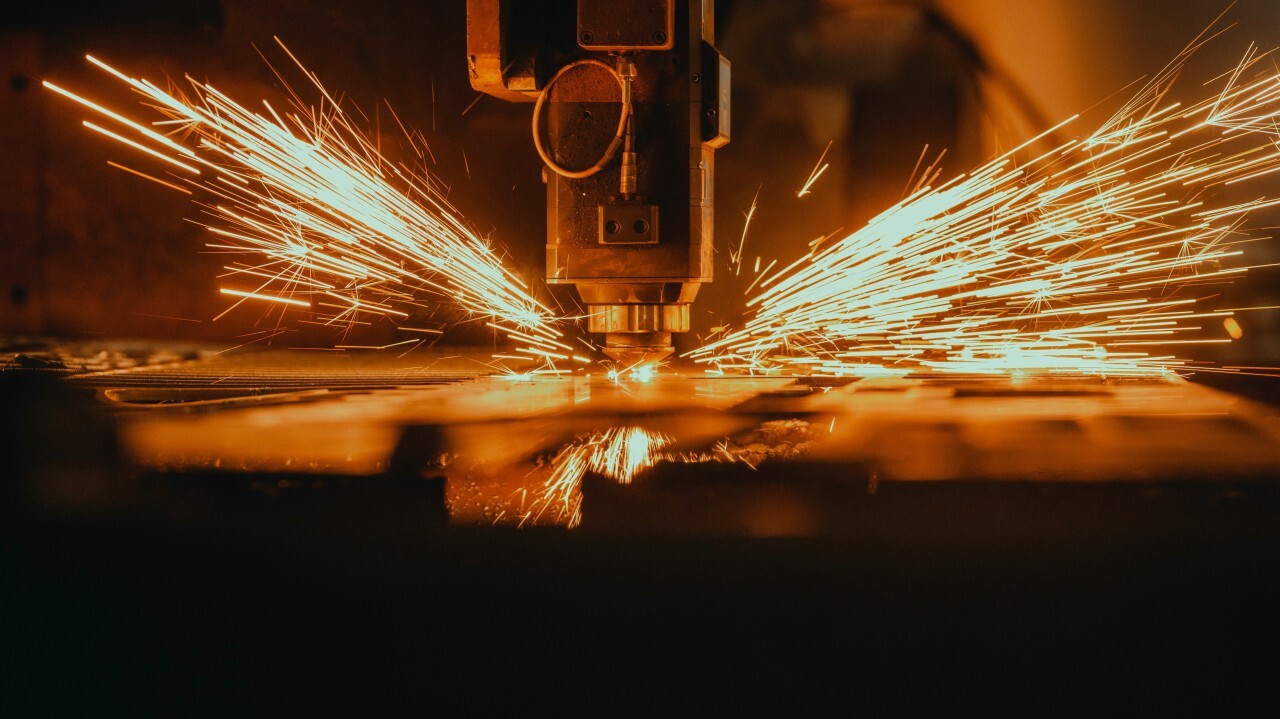
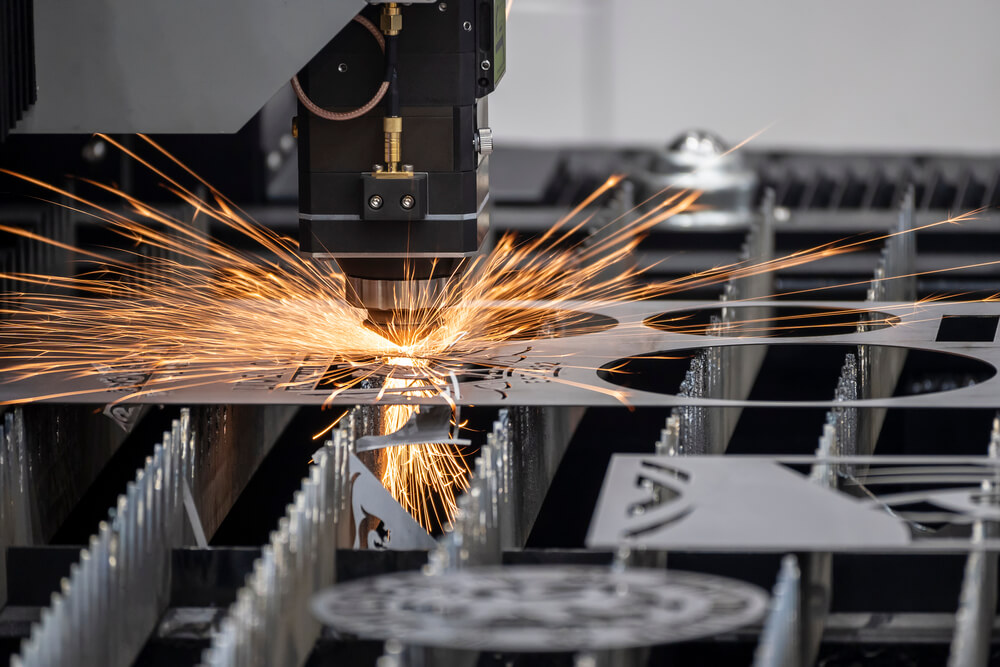
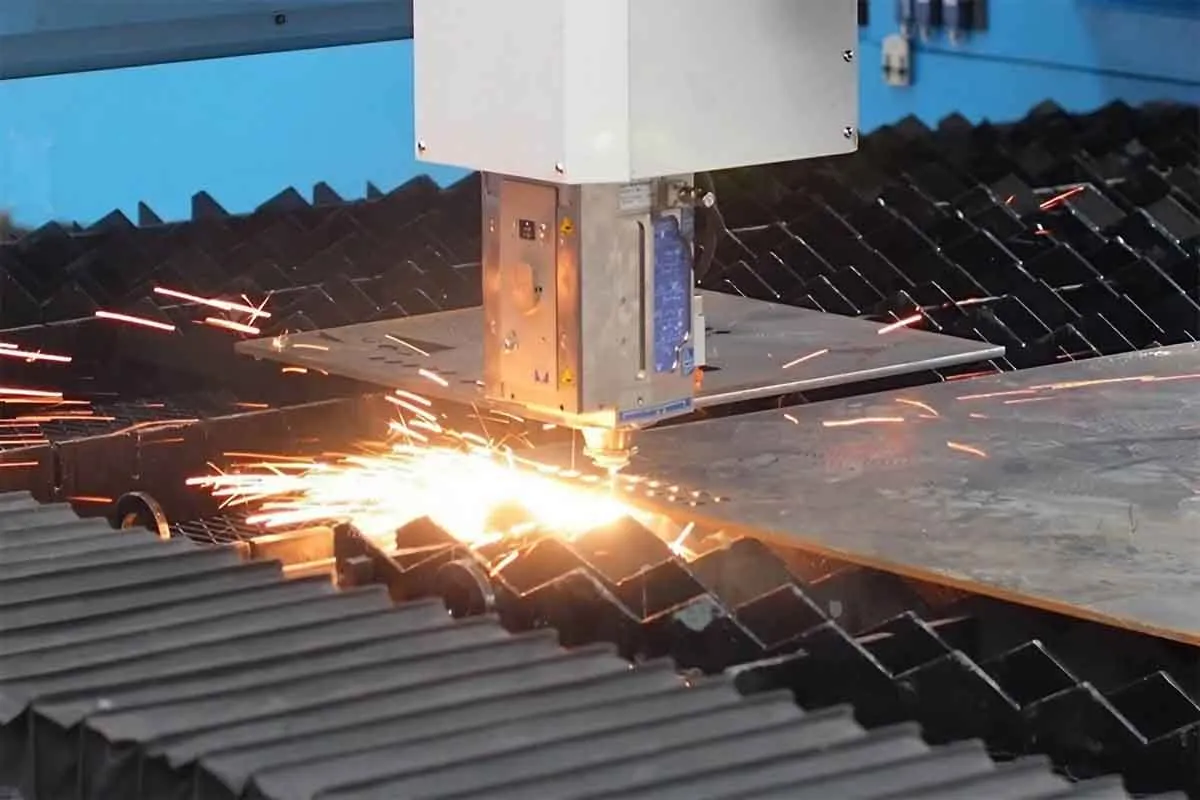
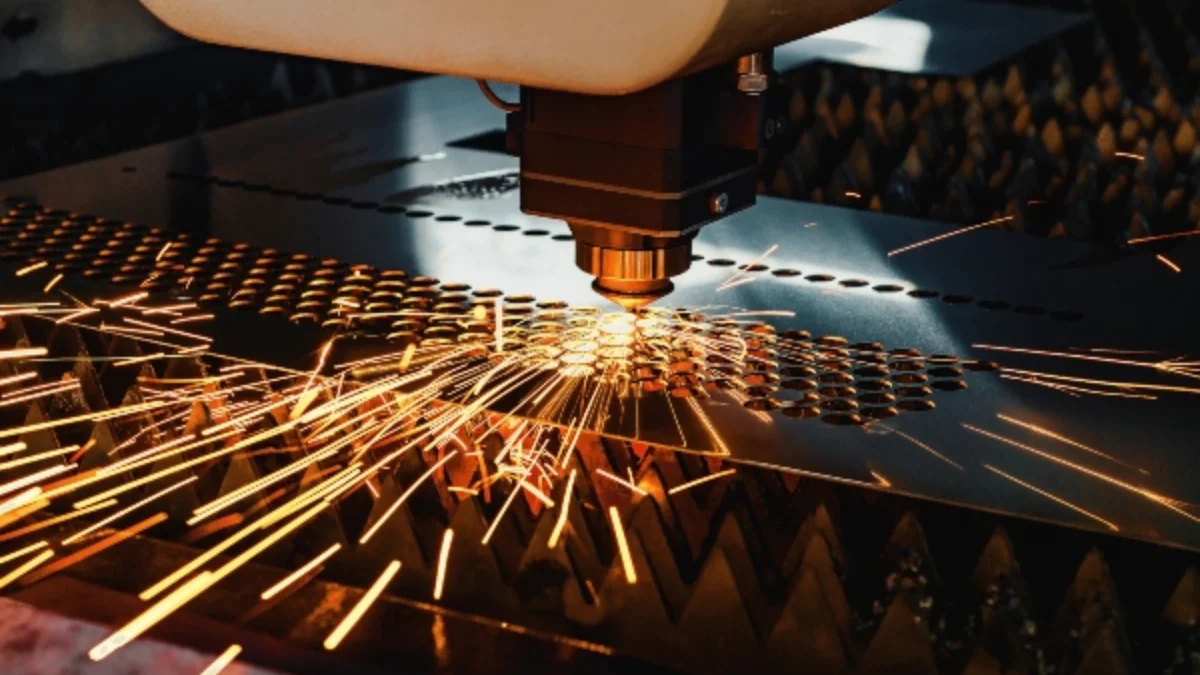
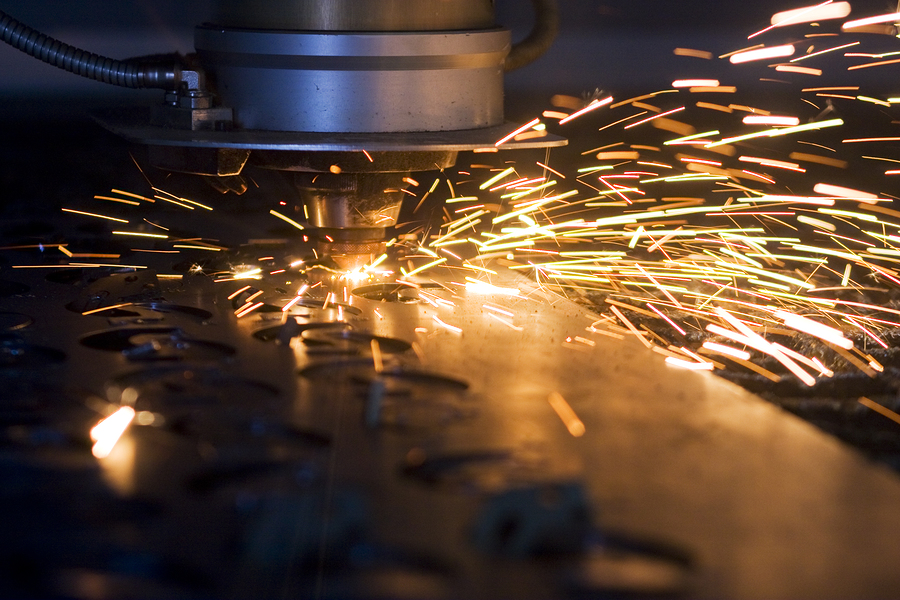
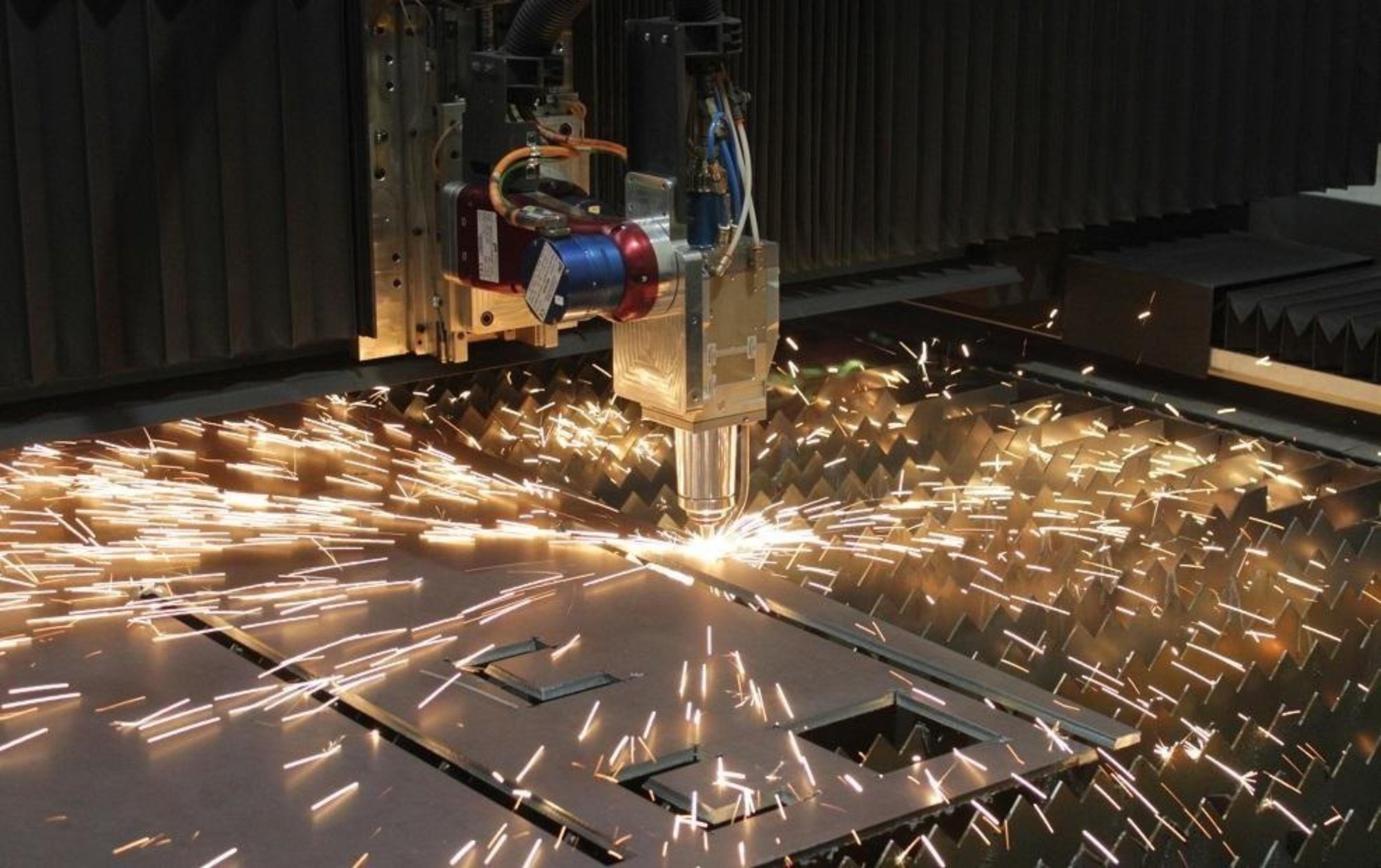
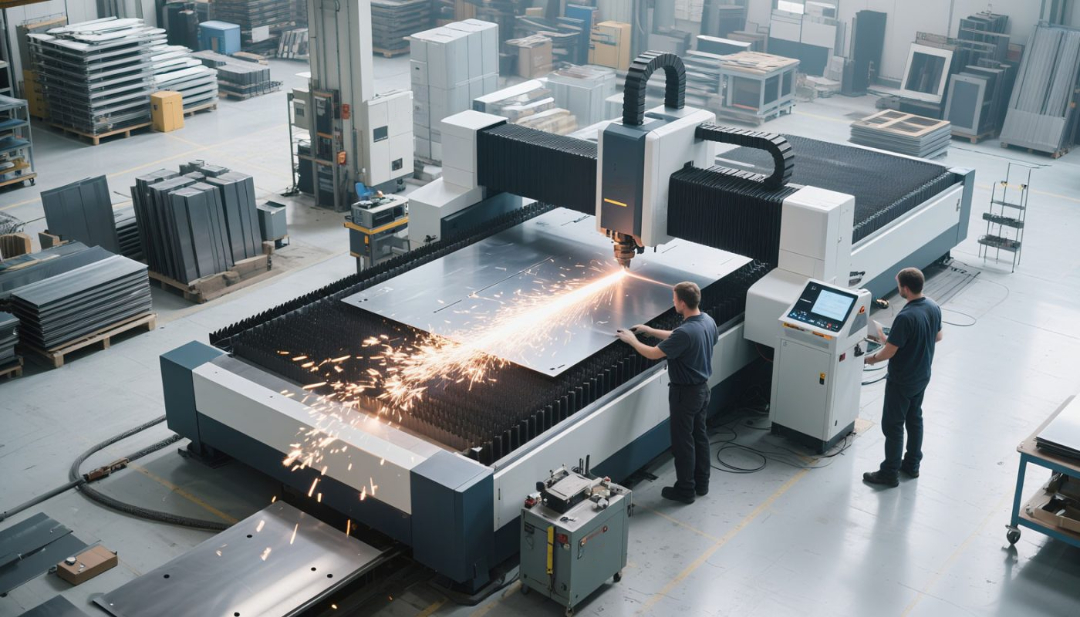
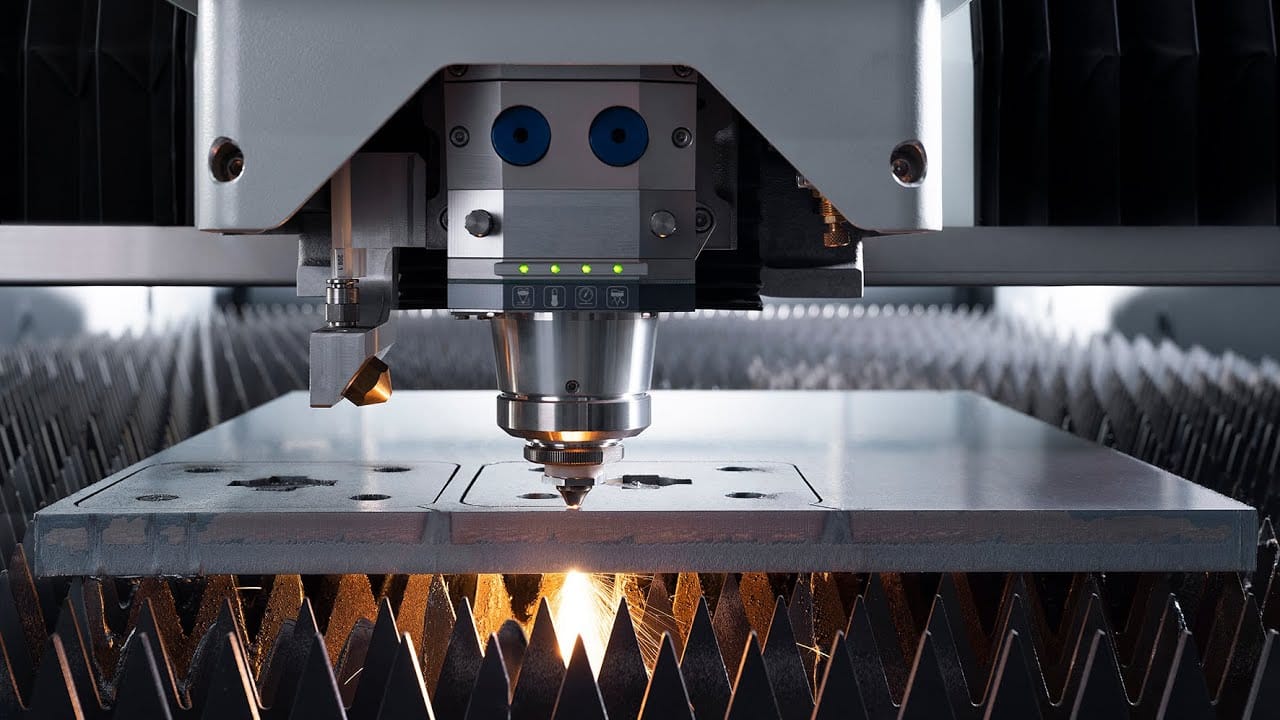
A. Fiber Laser Cutting: The High-Power Era
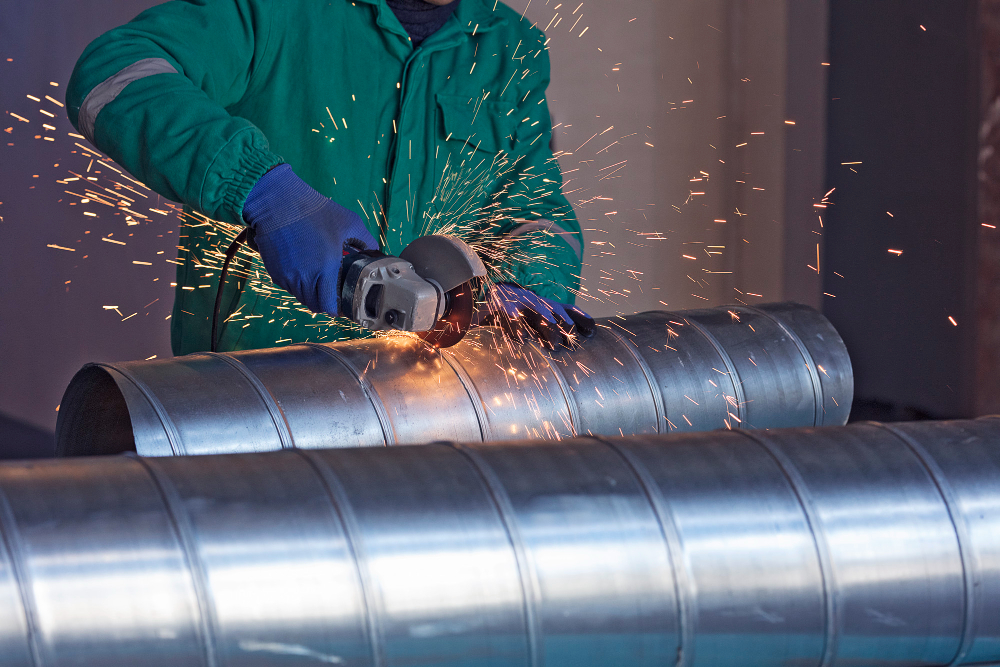
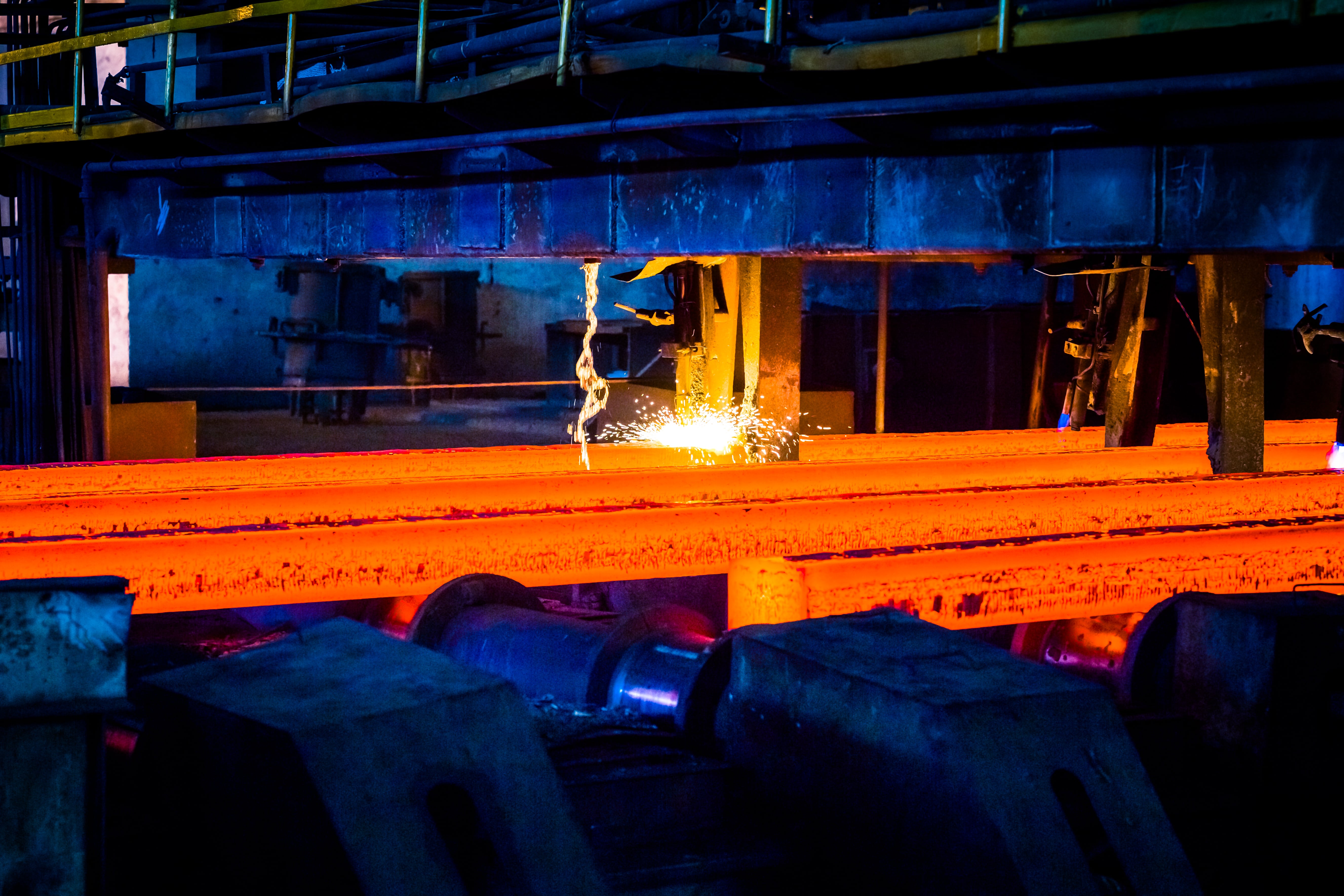
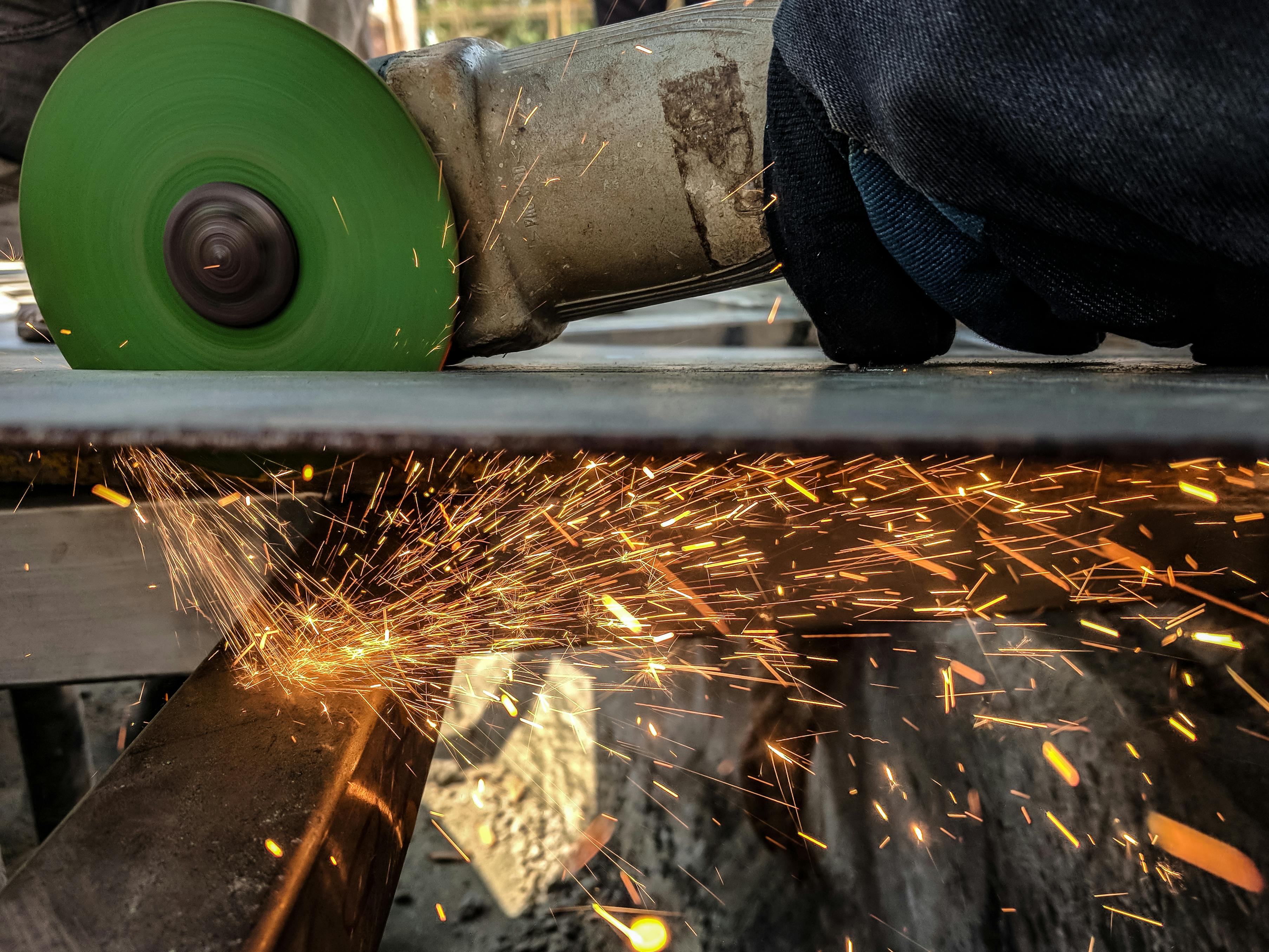
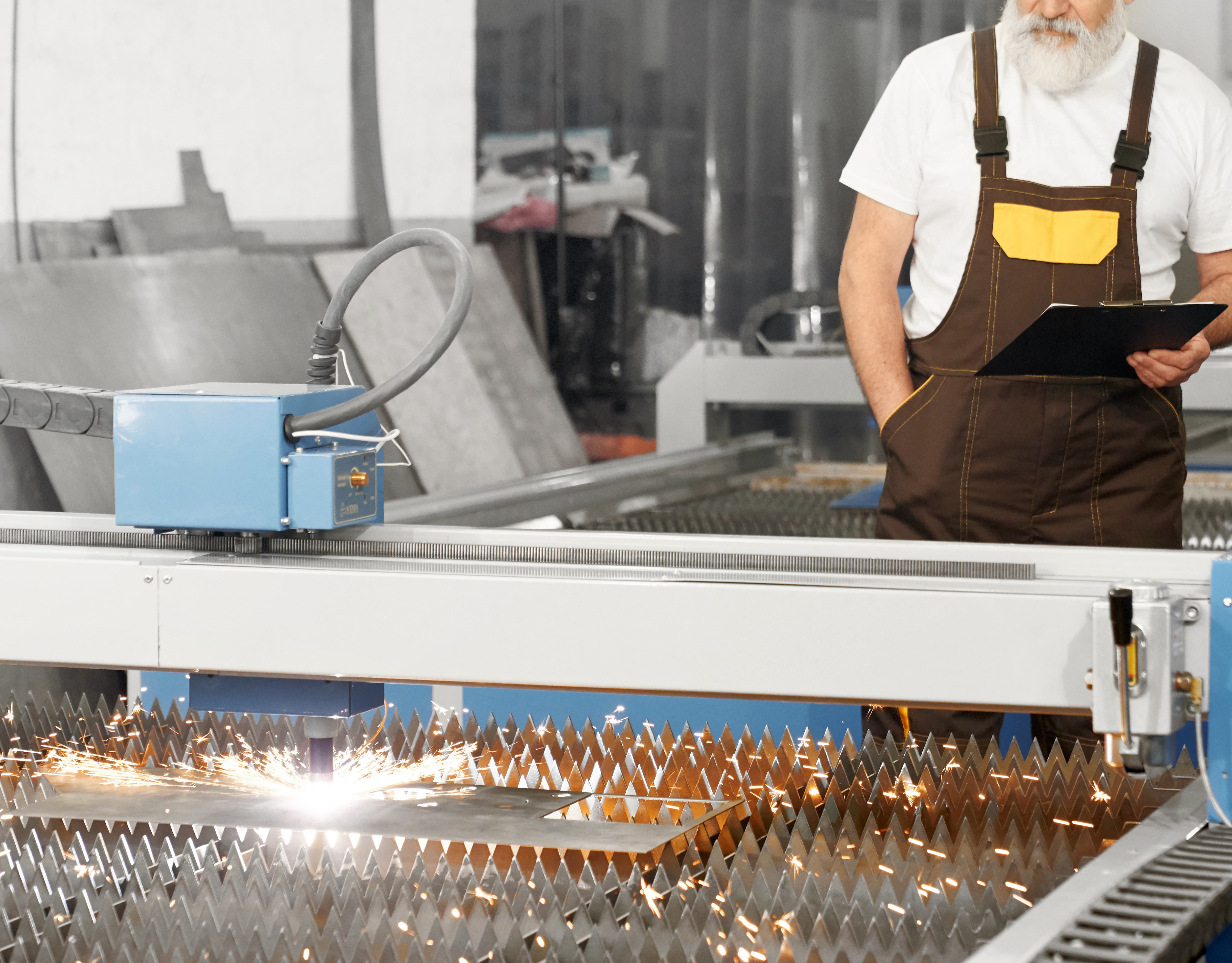
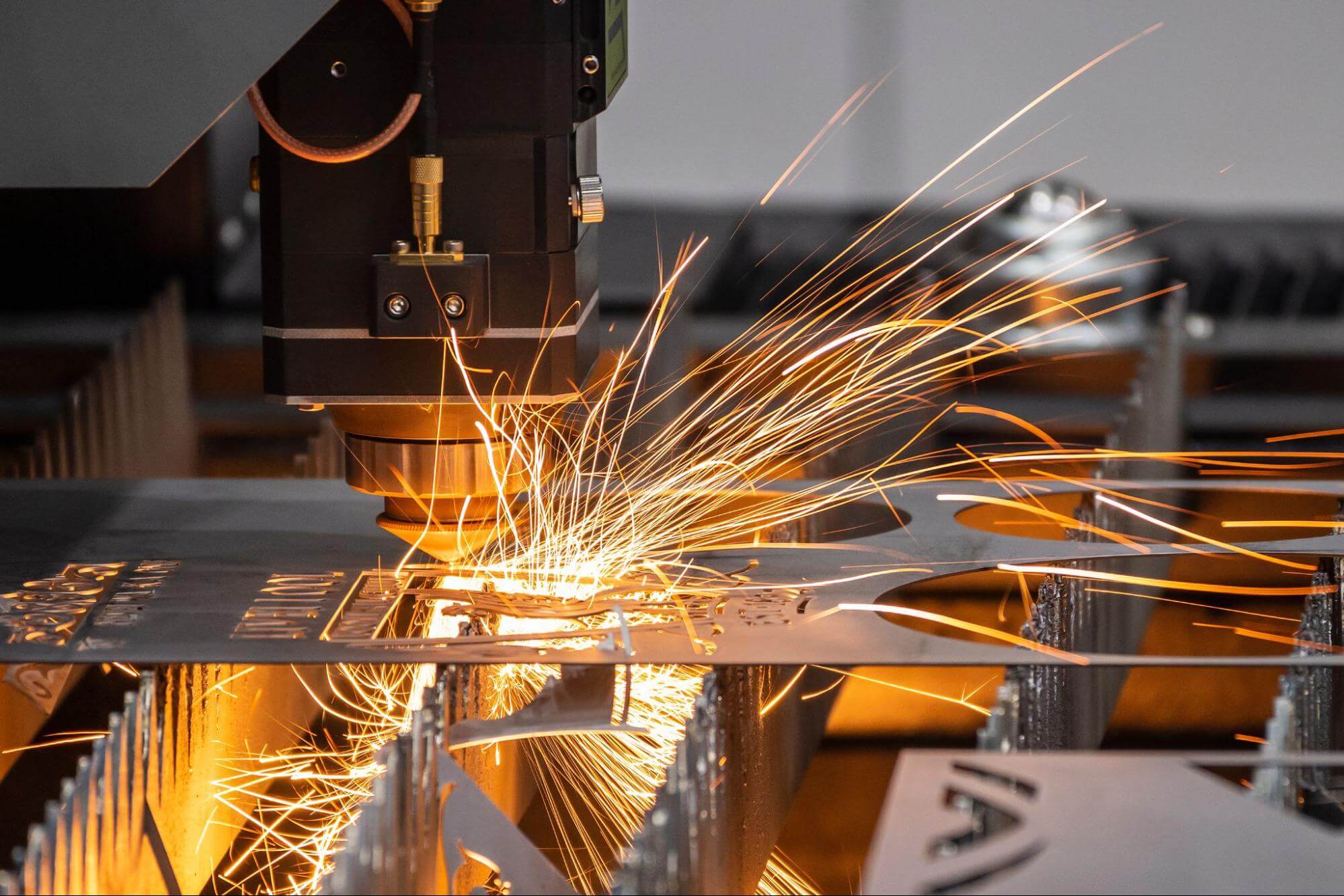
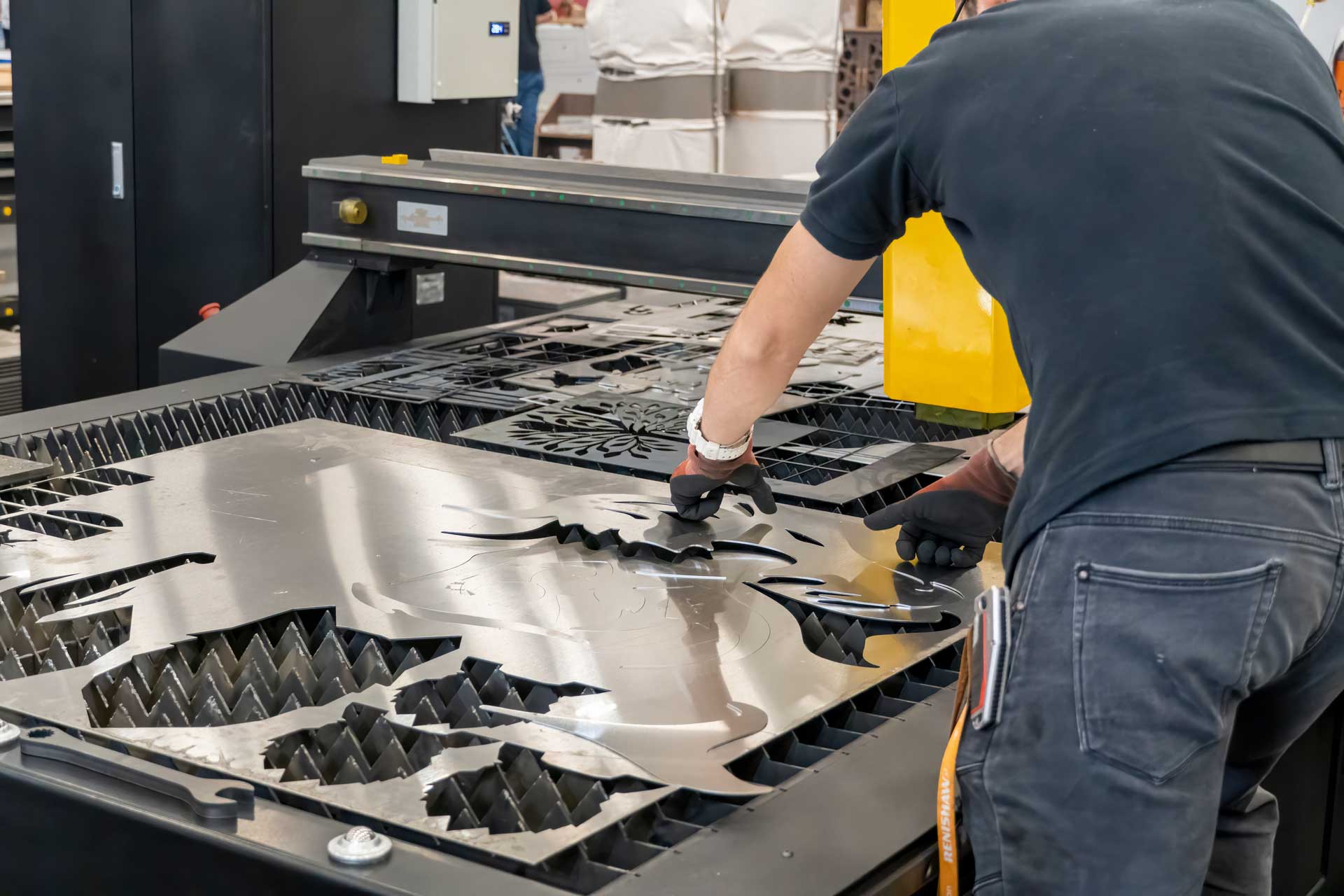
In 2025, the 12kW and 20kW fiber lasers have completely disrupted the market, rendering older CO2 systems obsolete for most industrial applications.
-
Unmatched Precision: We maintain a kerf width as small as $0.1\text{ mm}$, allowing for intricate designs that previously required EDM (Electrical Discharge Machining).
-
Material Versatility: Fiber lasers effortlessly process reflective metals like Copper, Brass, and high-grade Aluminum. This is crucial for the EV industry, where copper busbars are a standard requirement.
-
Minimal Heat-Affected Zone (HAZ): The high-speed cutting minimizes the heat transferred to the material, preventing warping in thin sheets and preserving the metallurgical properties of the edge.
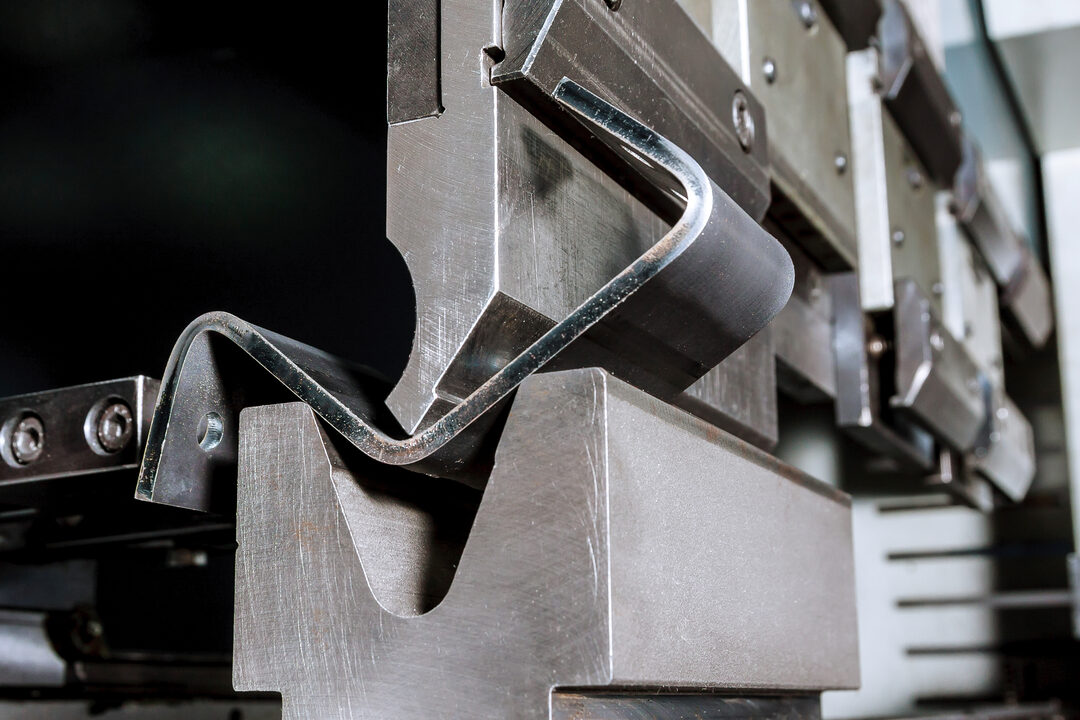
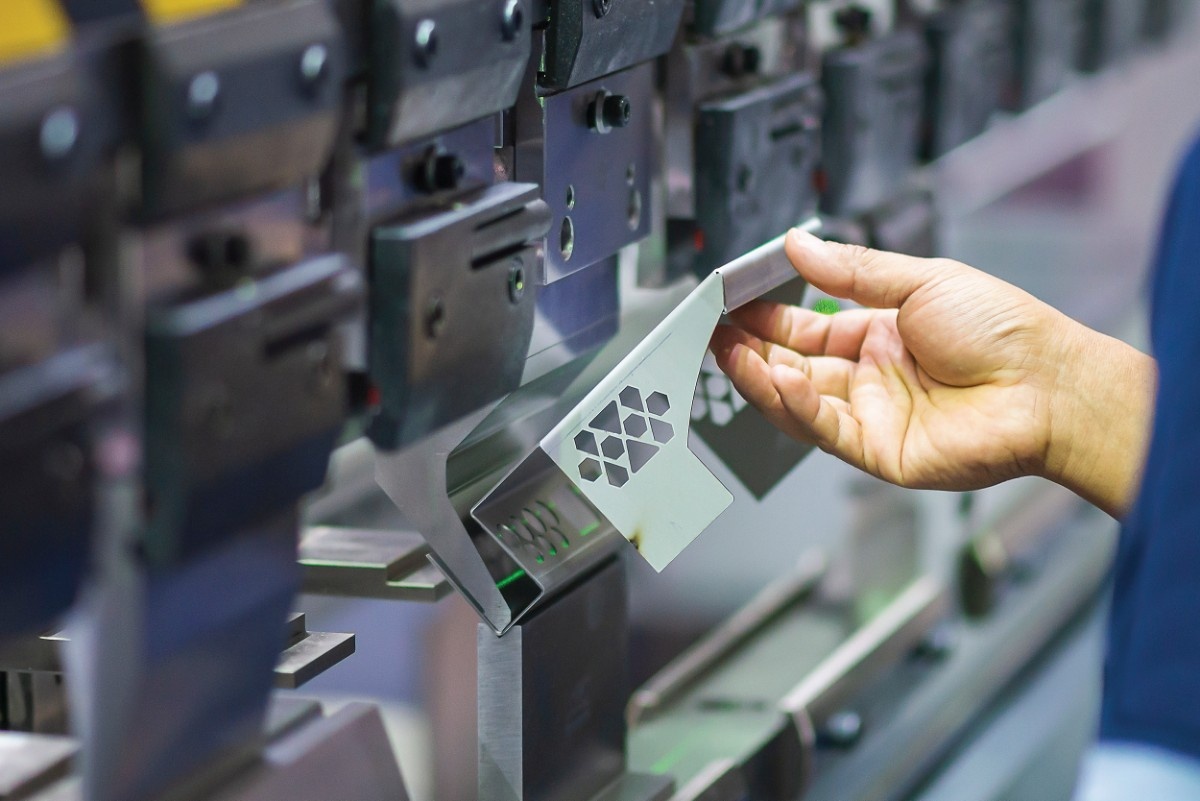
B. Precision CNC Bending
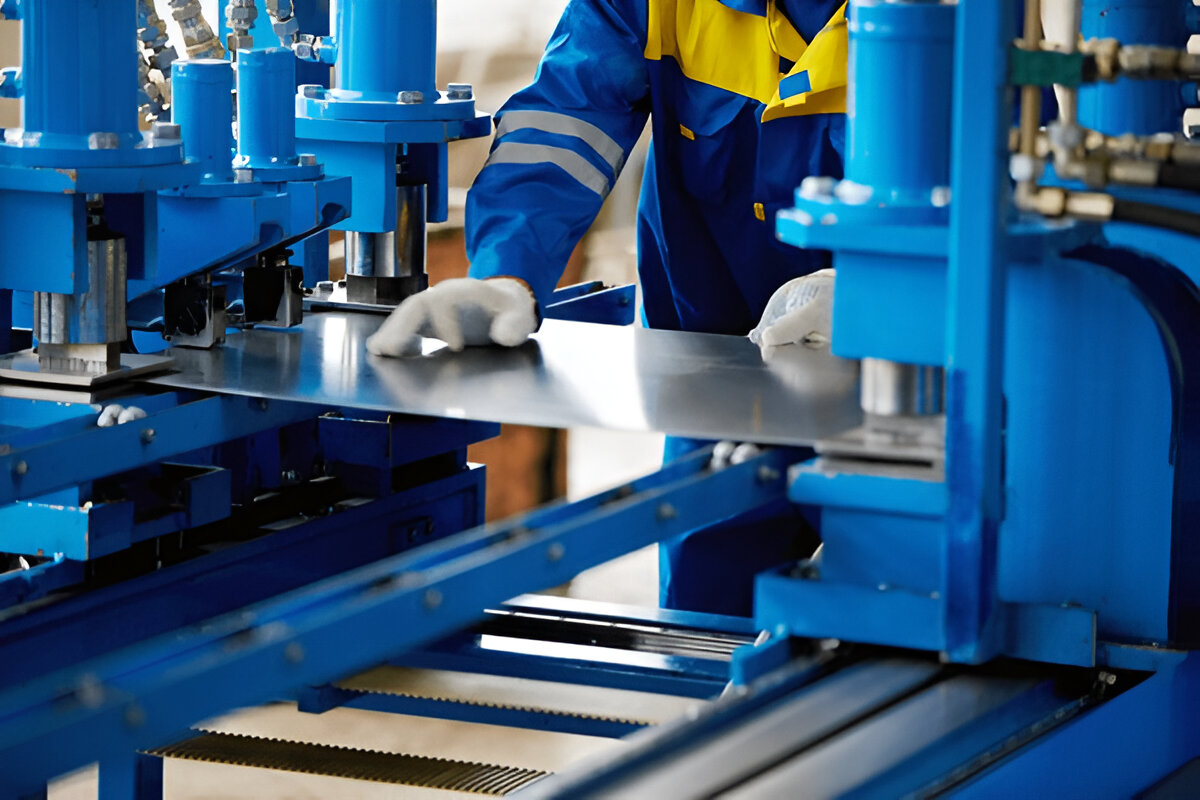
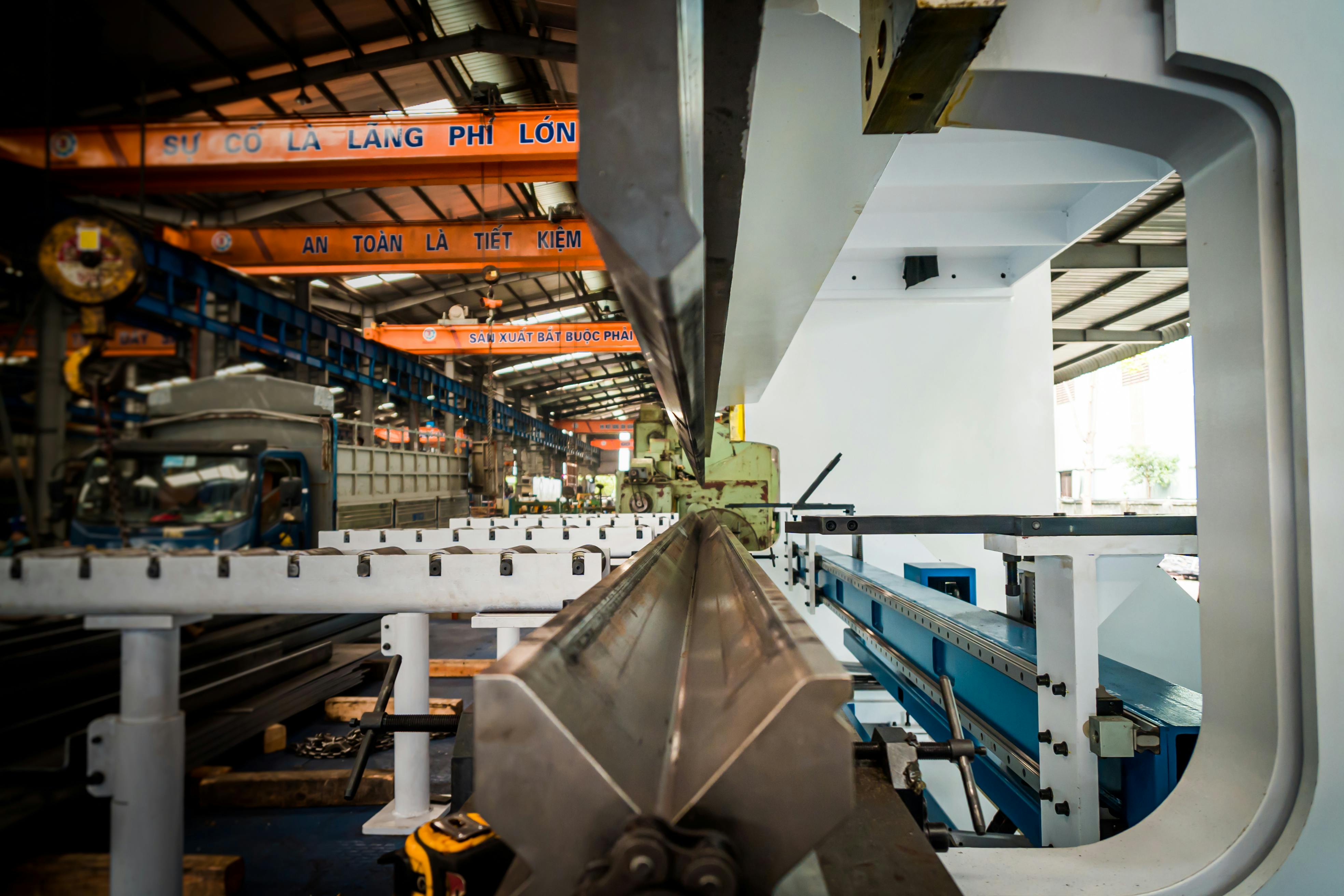
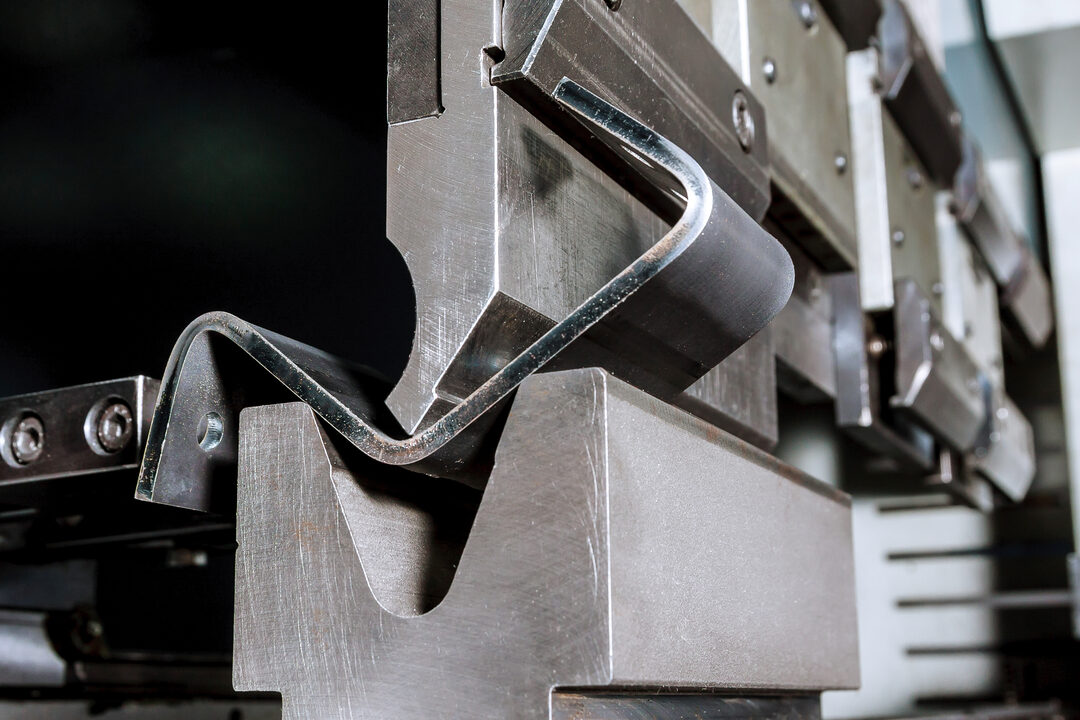
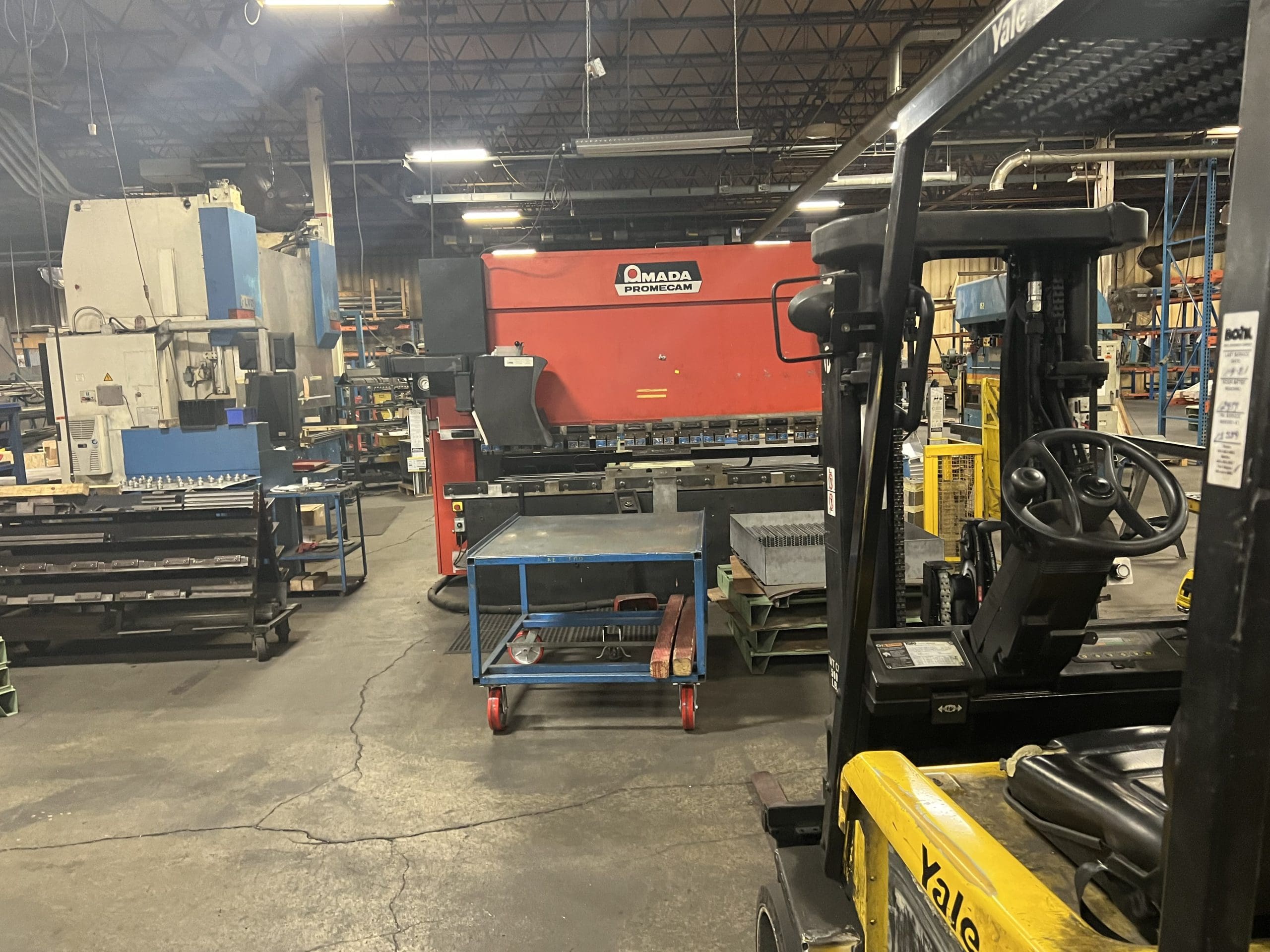
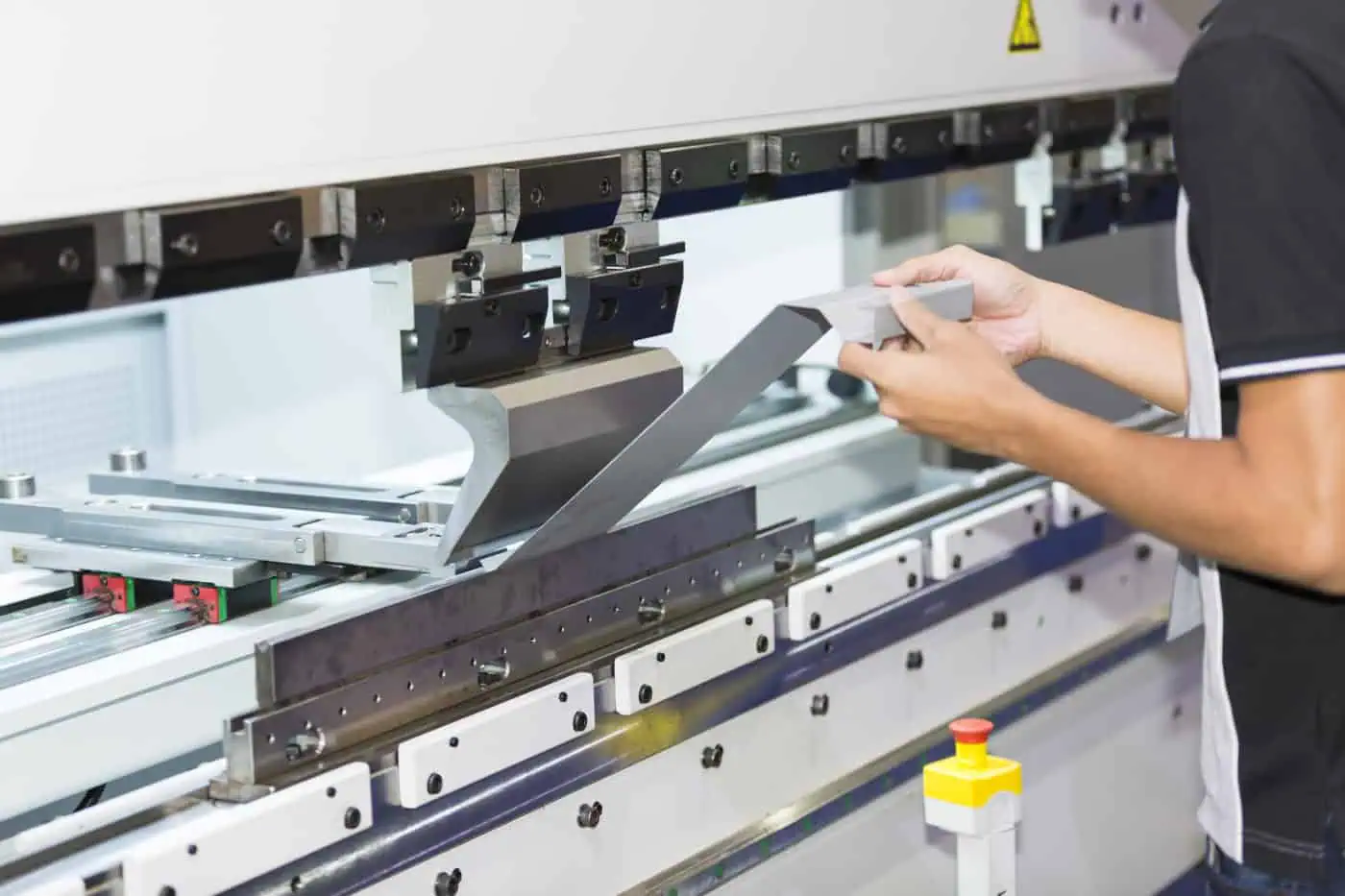
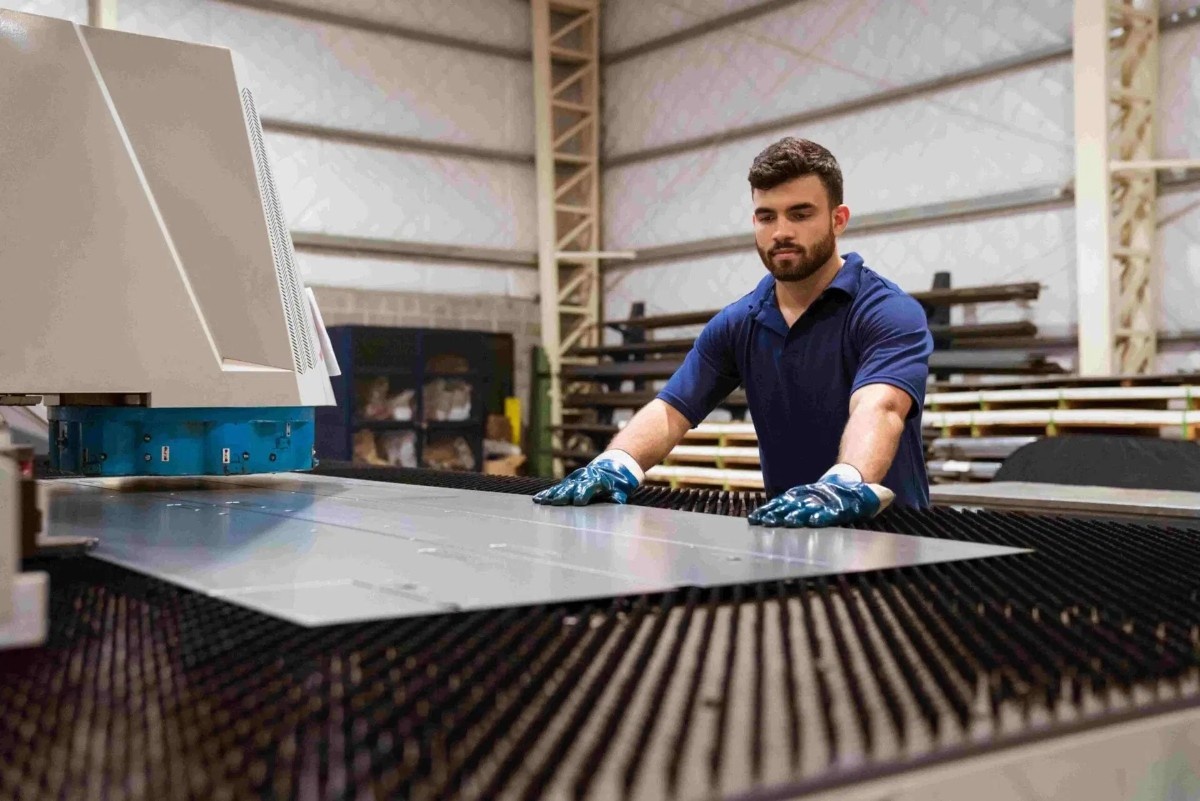
The art of bending has been perfected through multi-axis CNC Press Brakes. These machines use integrated sensors to calculate "spring-back" in real-time.
-
Air Bending: Used for general flexibility, allowing different angles with a single set of tools.
-
Bottoming & Coining: For high-precision $90^\circ$ angles where repeatability is non-negotiable.
-
Multi-Axis Back-Gauging: Allows for the creation of complex, multi-stage bends in a single setup, reducing human handling and error.
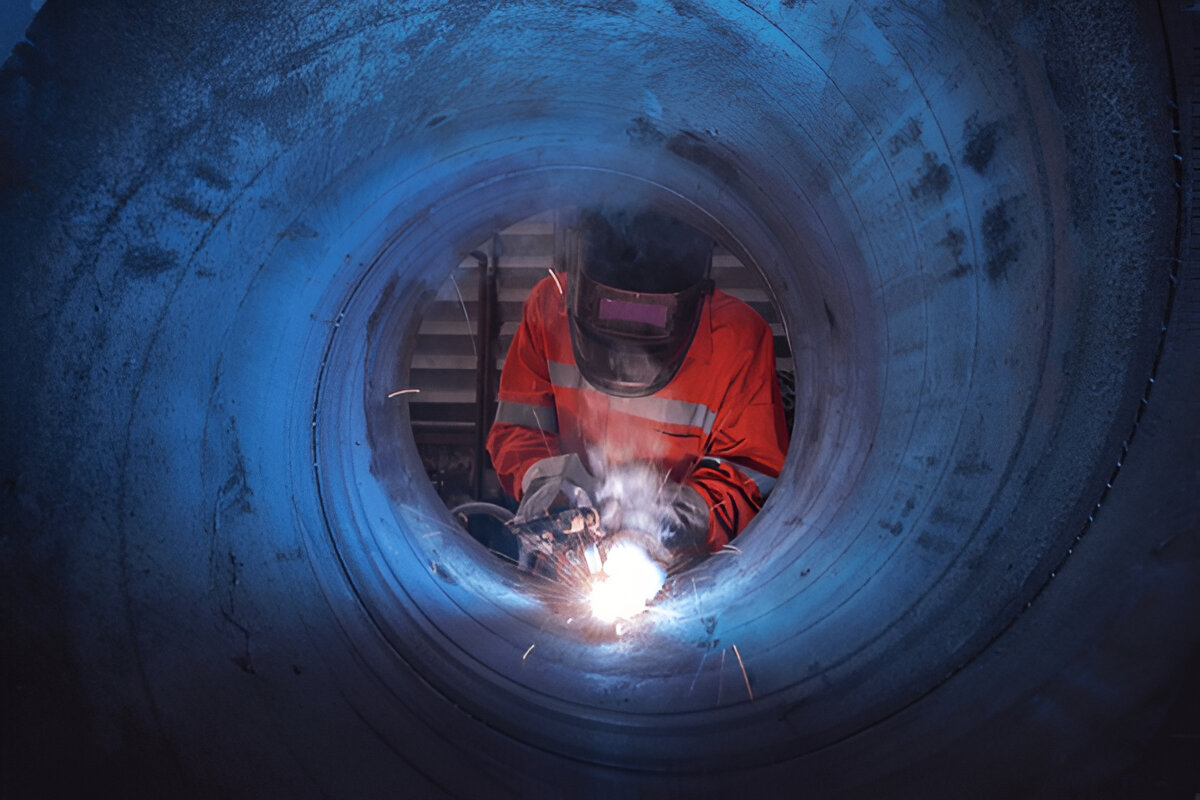
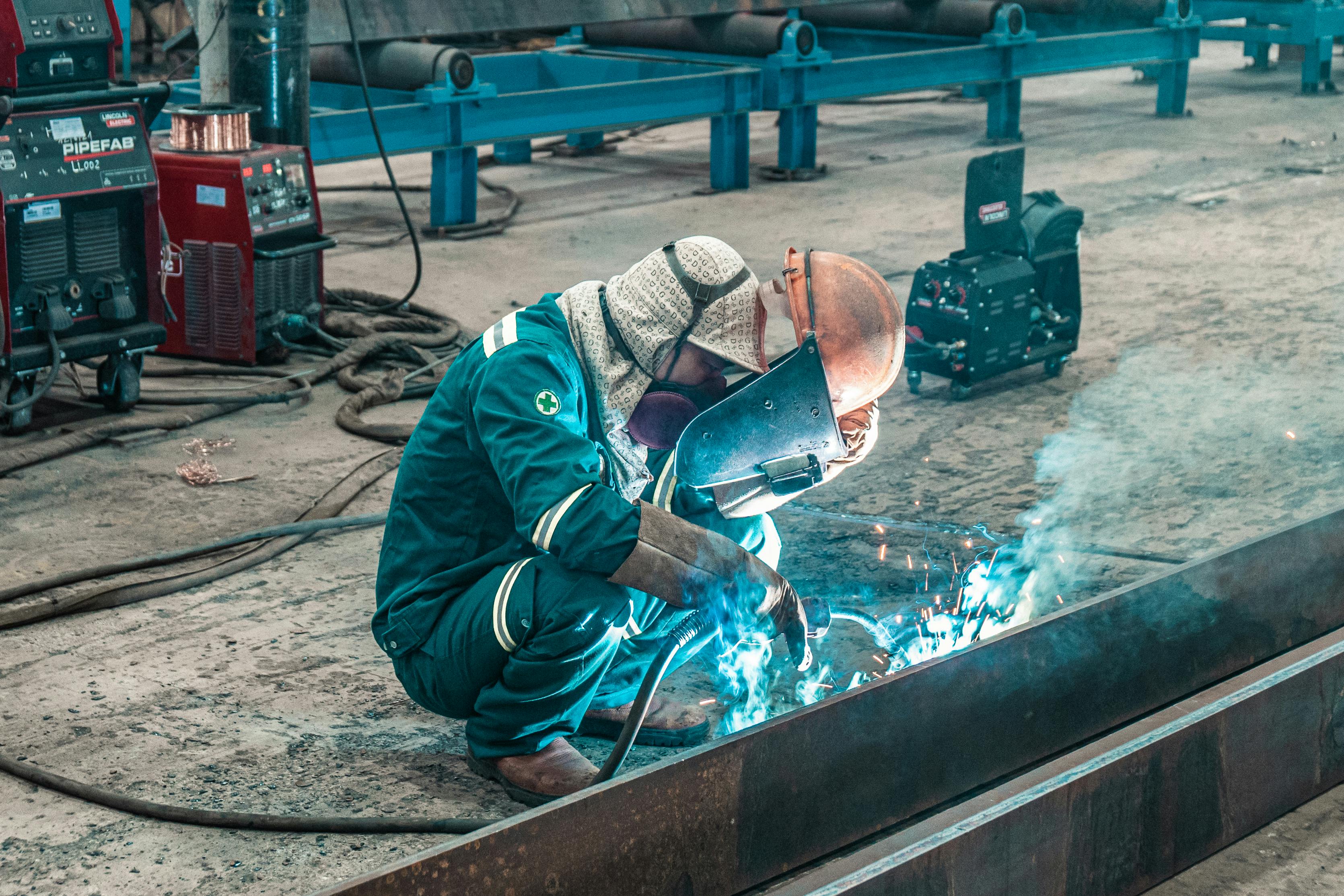
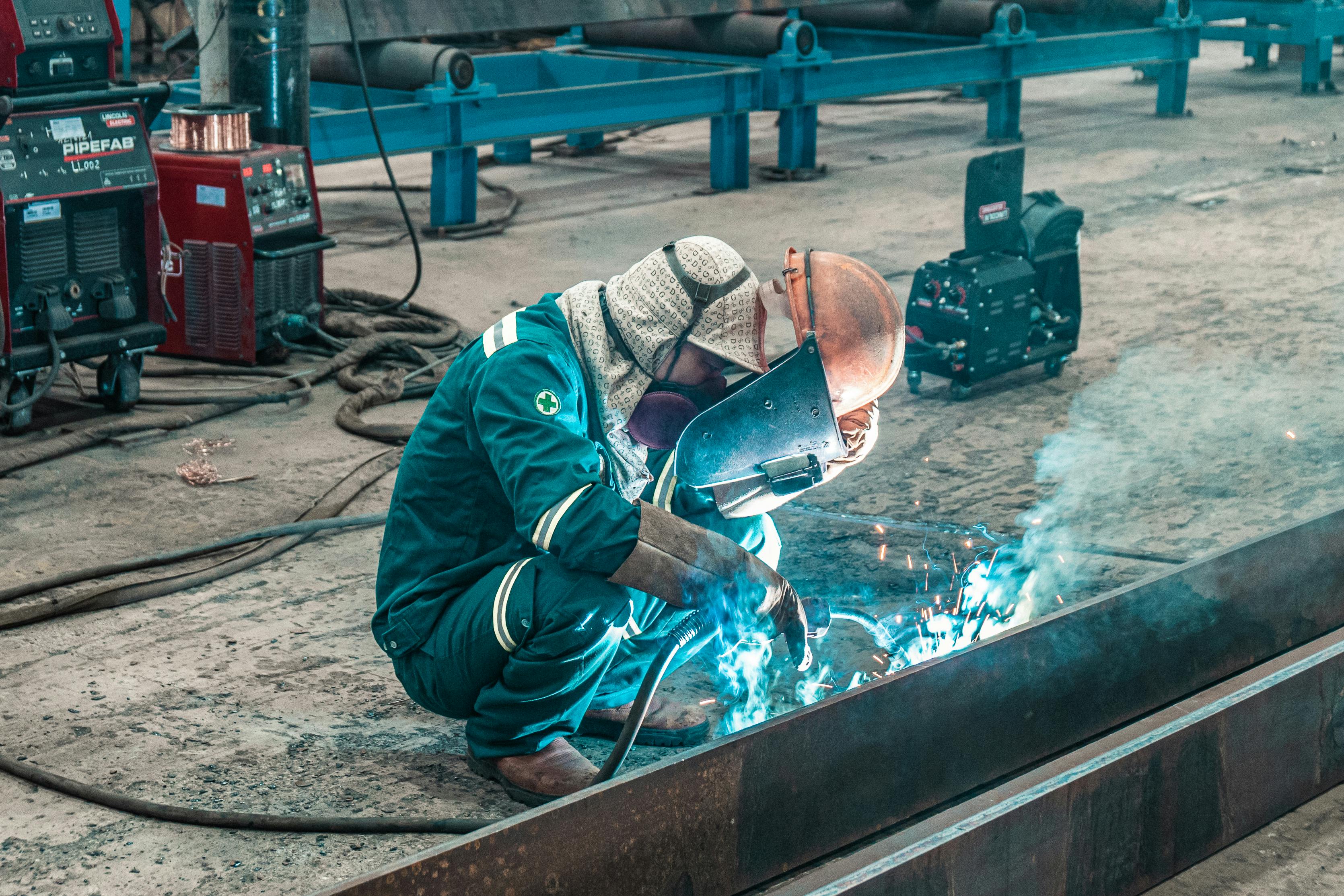
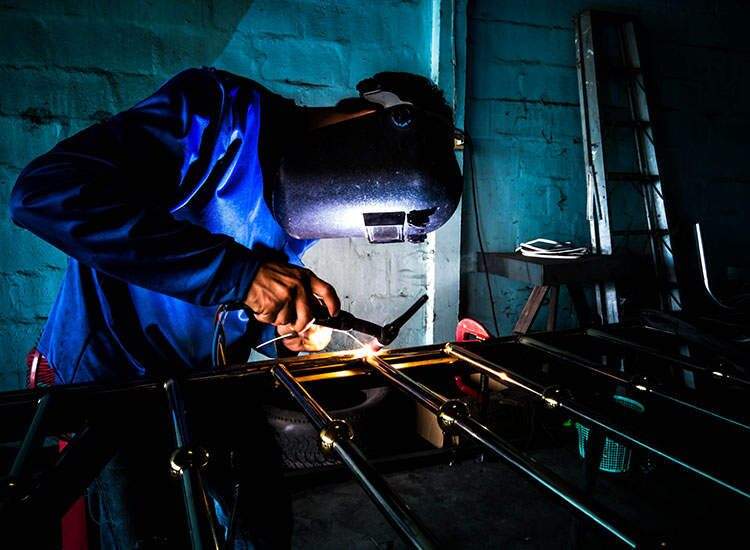
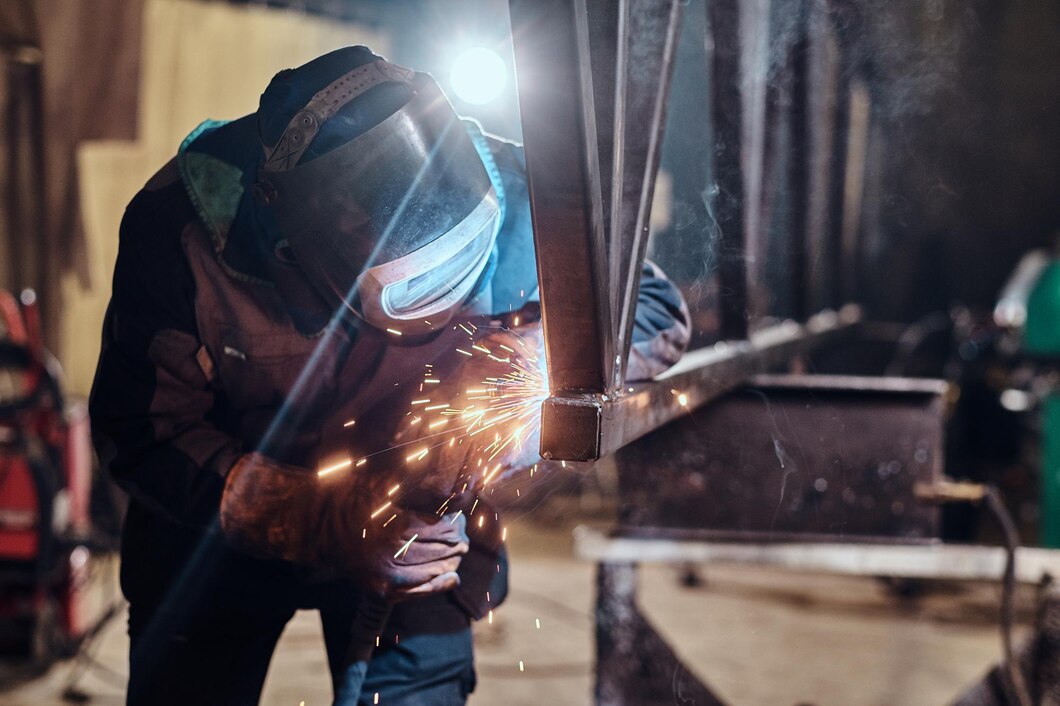
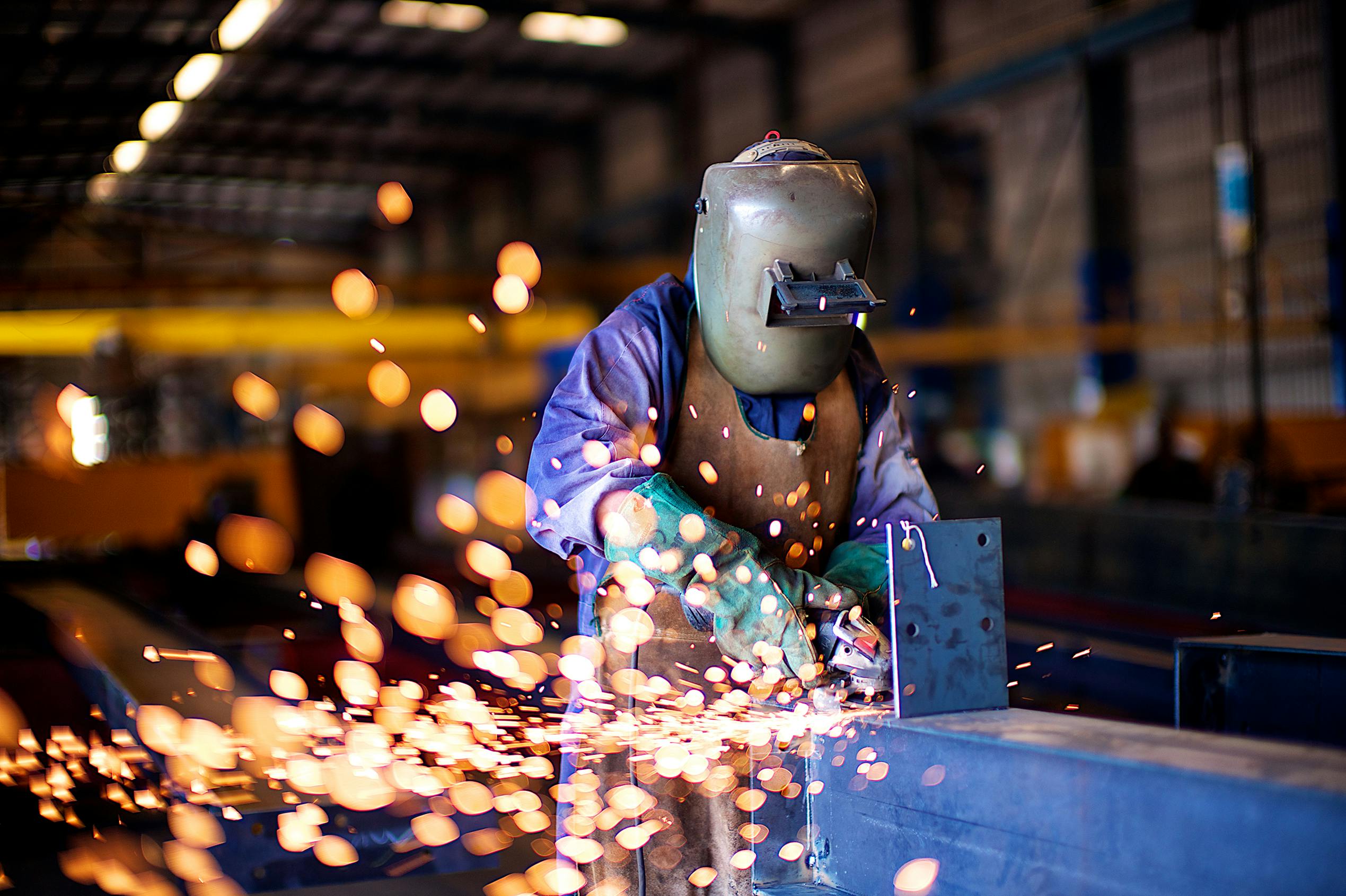
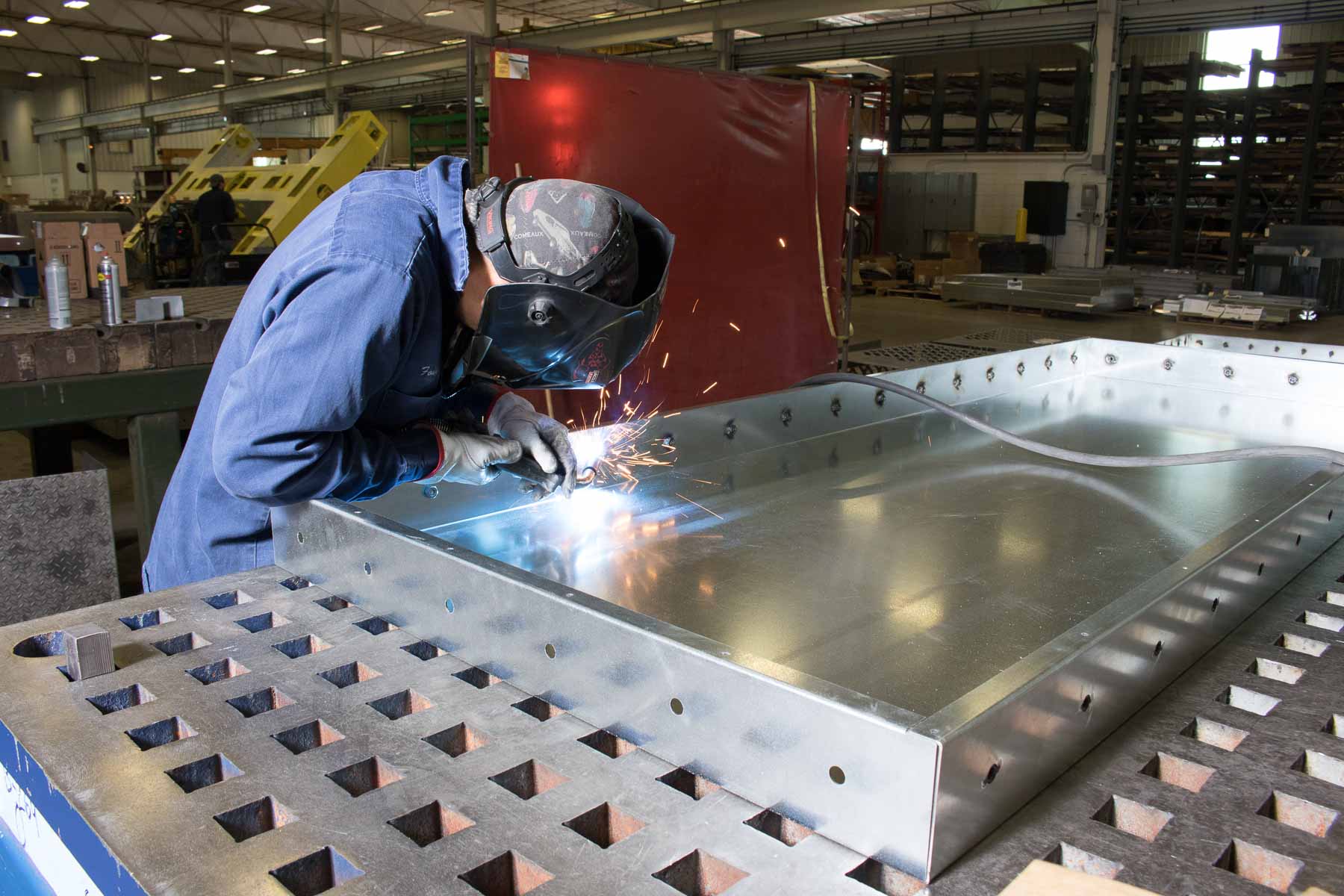
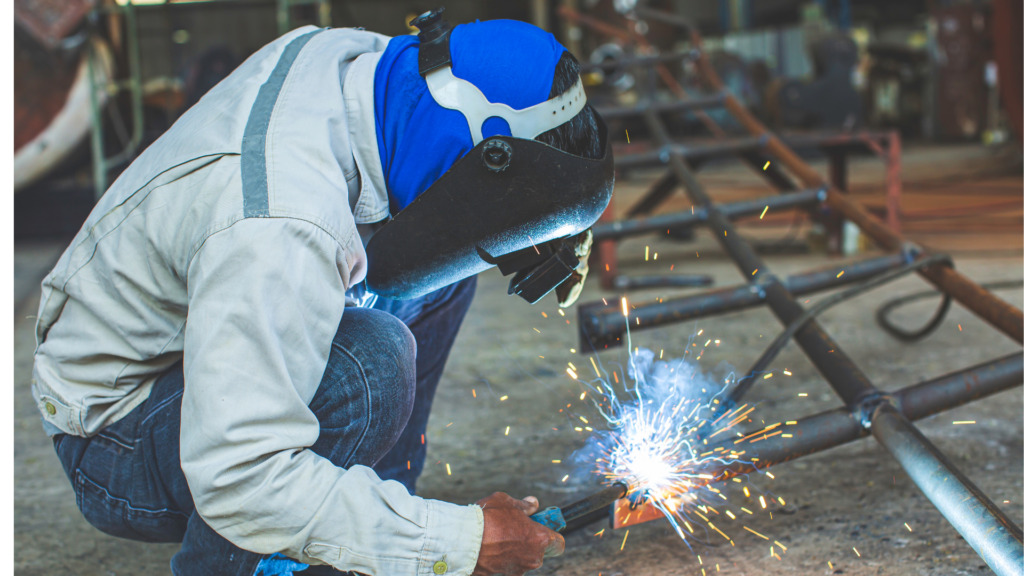
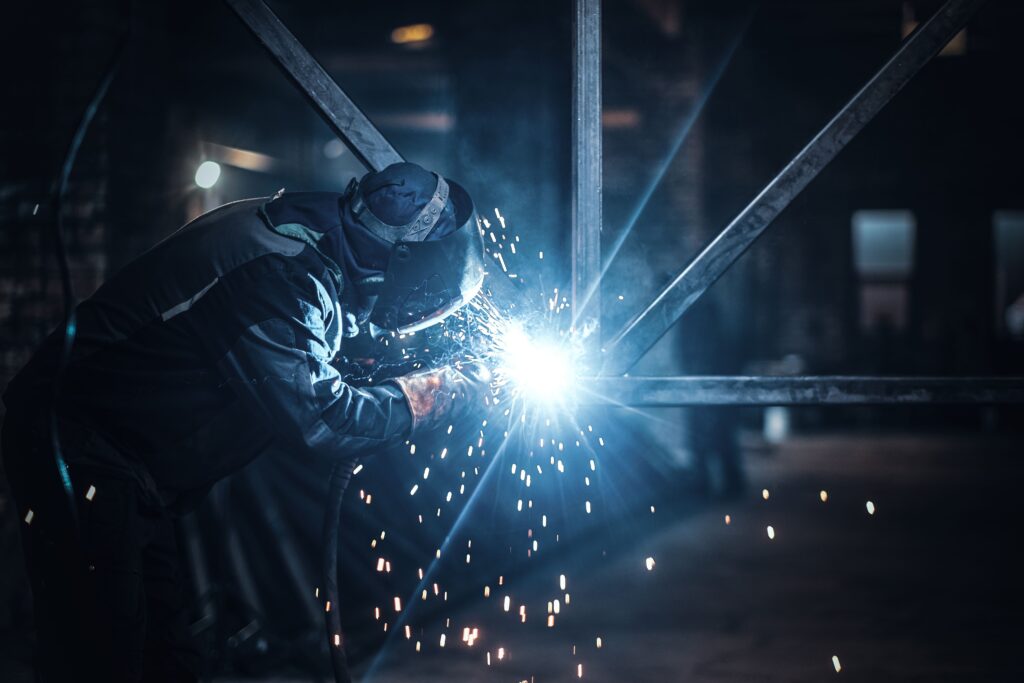
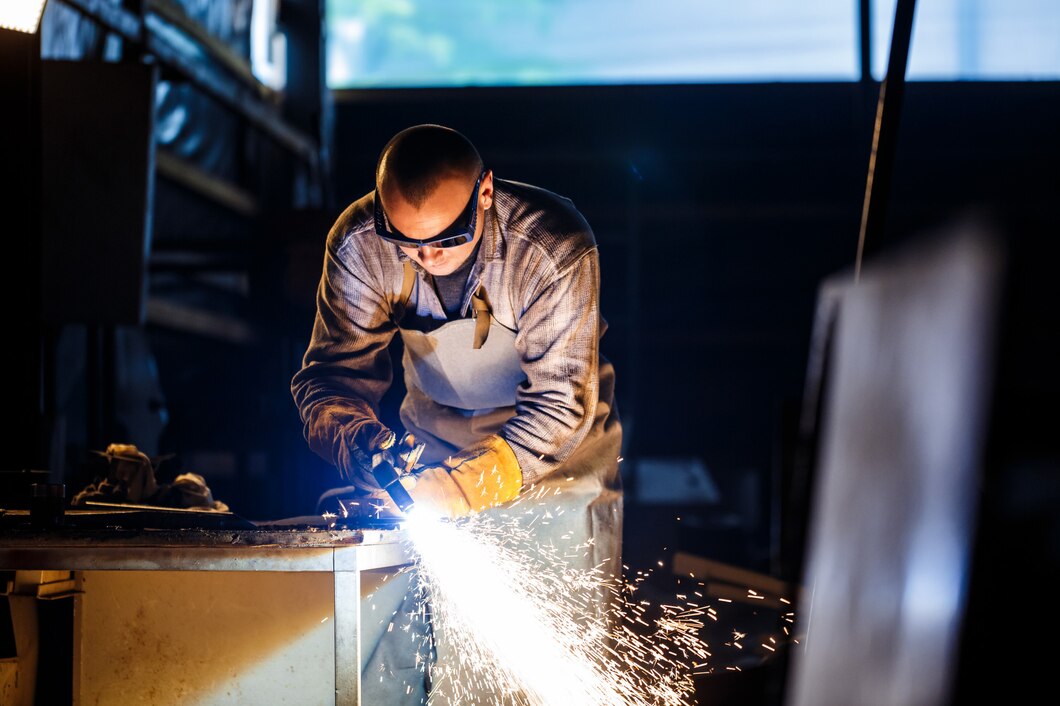
C. Advanced Welding Techniques
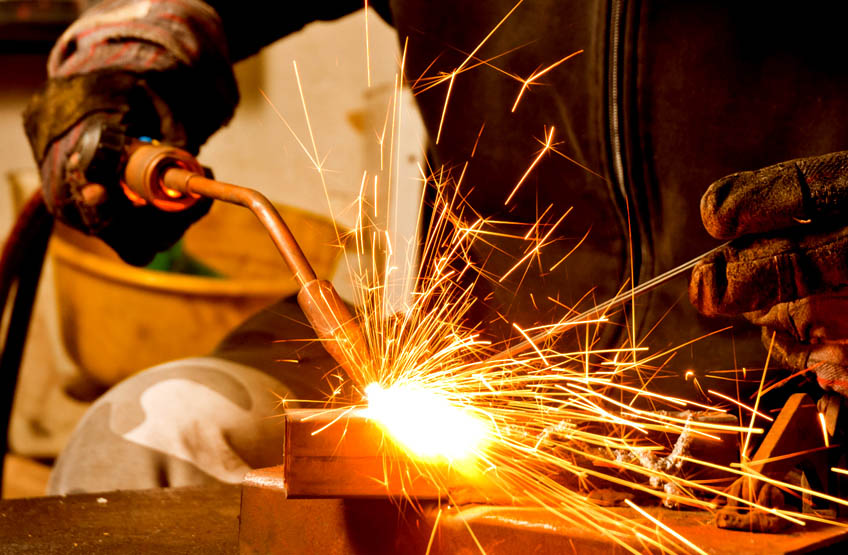
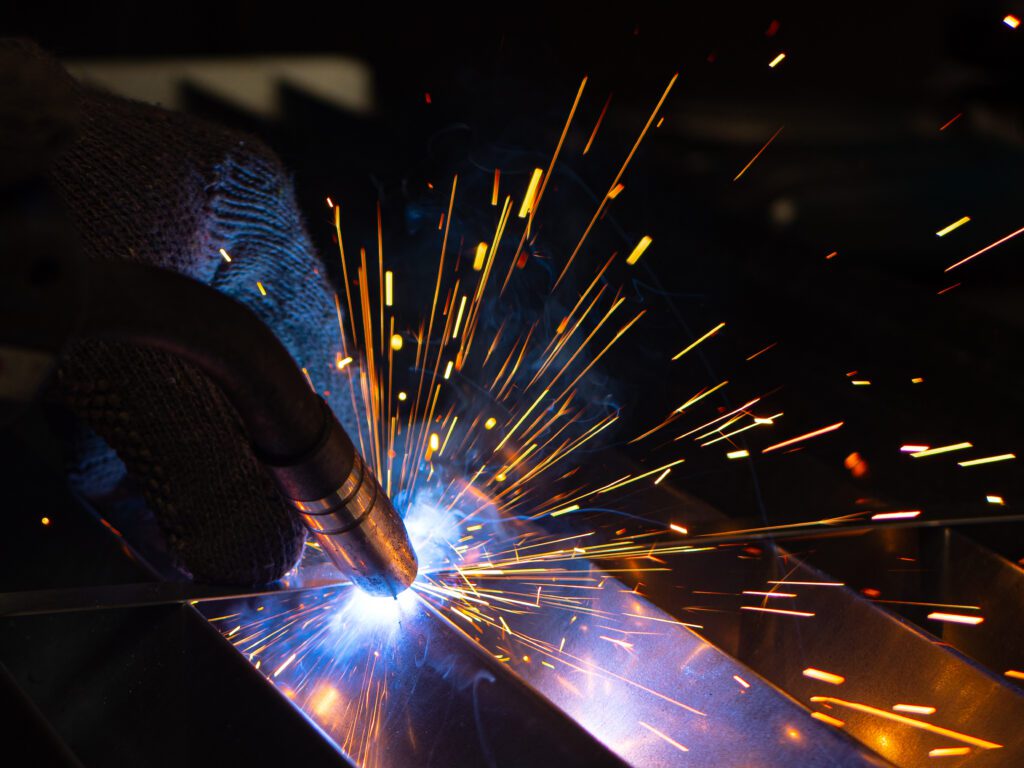
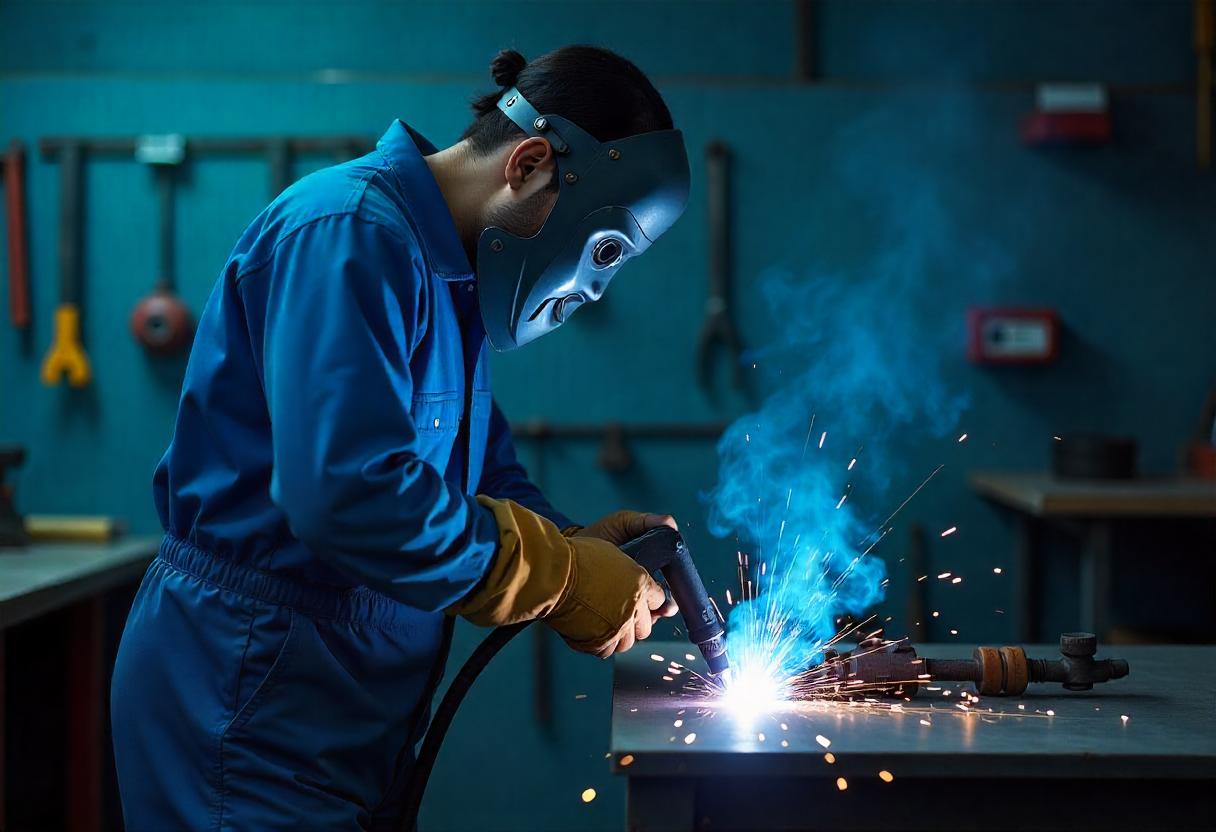
Joining components requires more than just heat; it requires metallurgical control. Zeometrix utilizes:
-
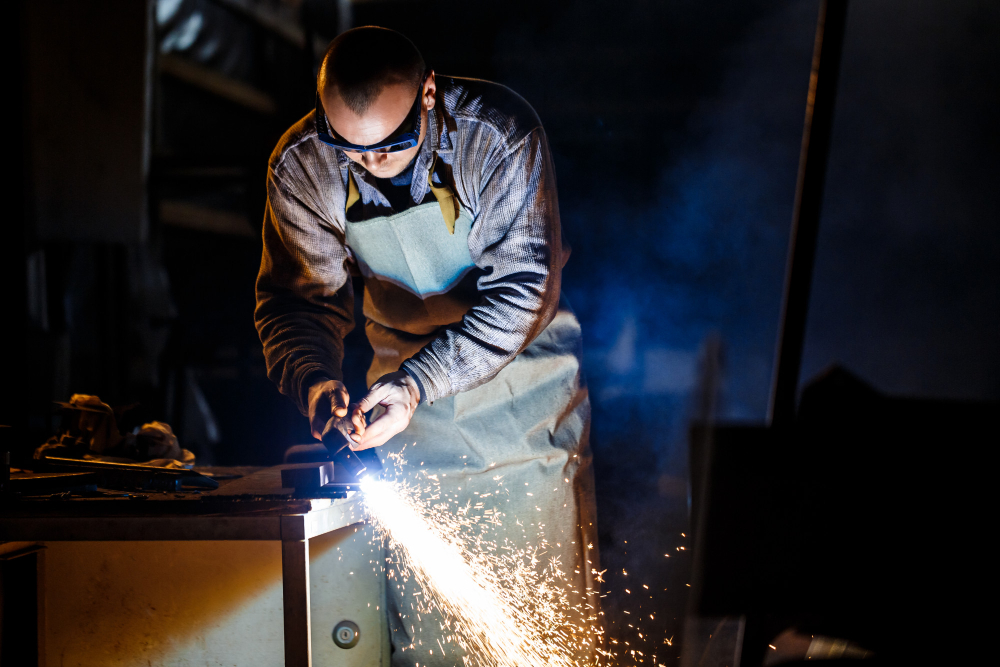
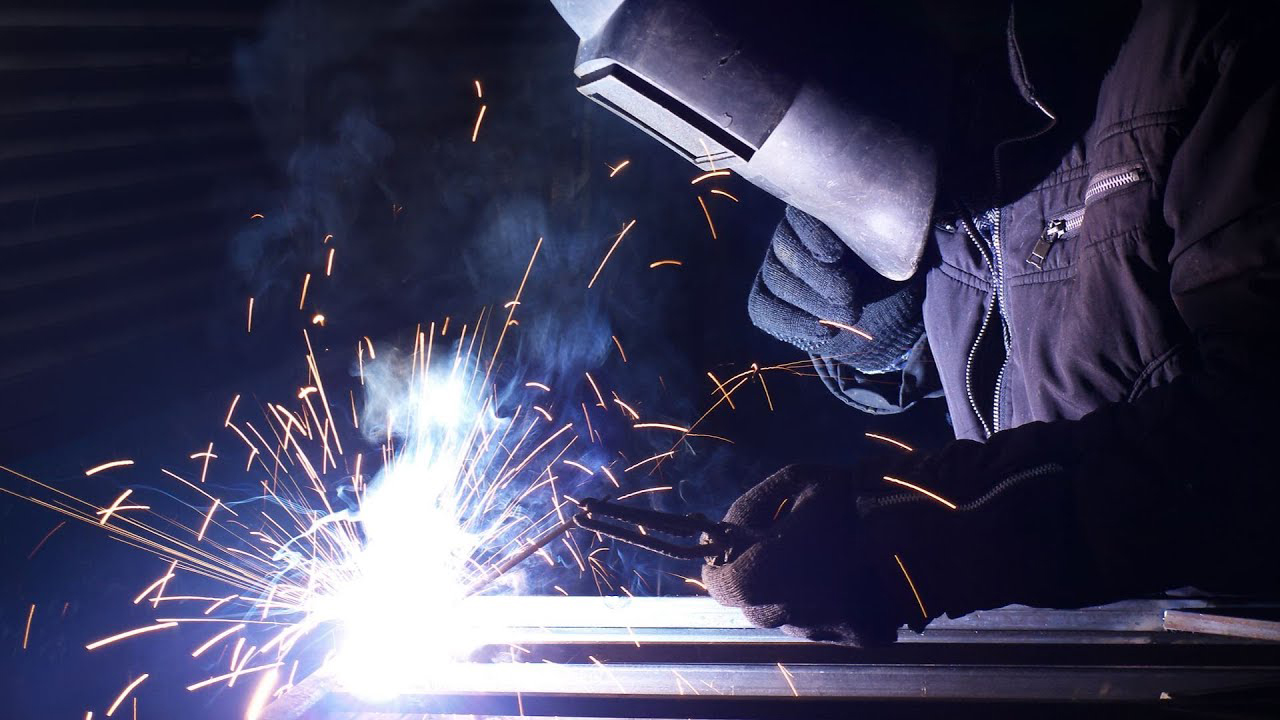
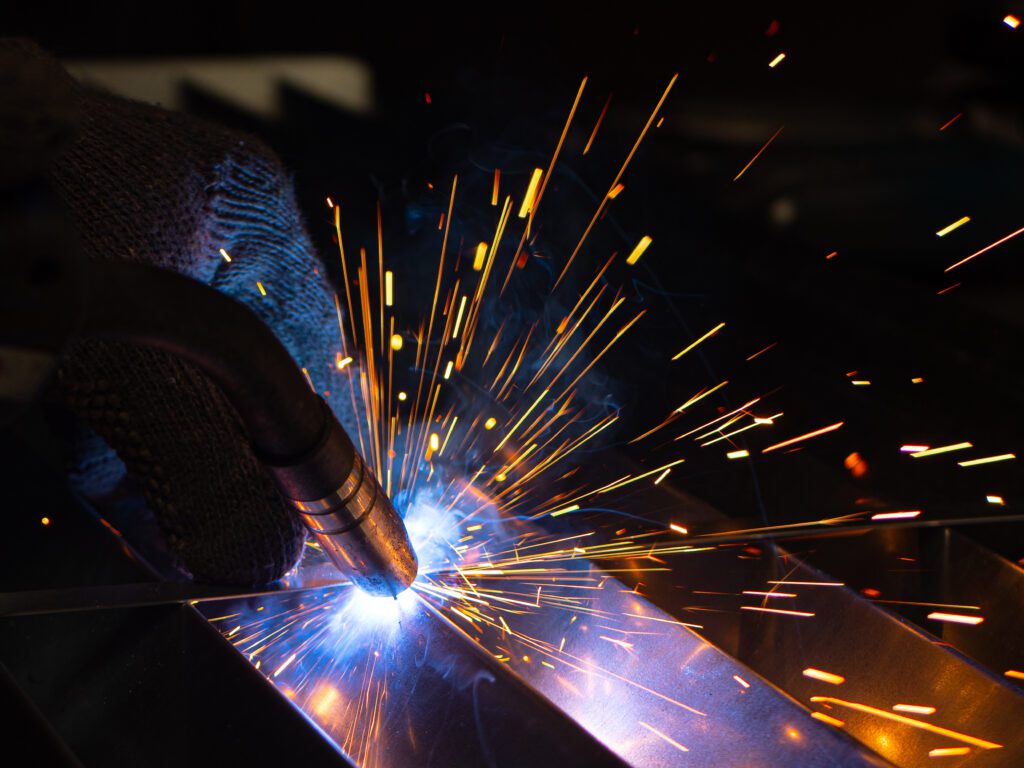
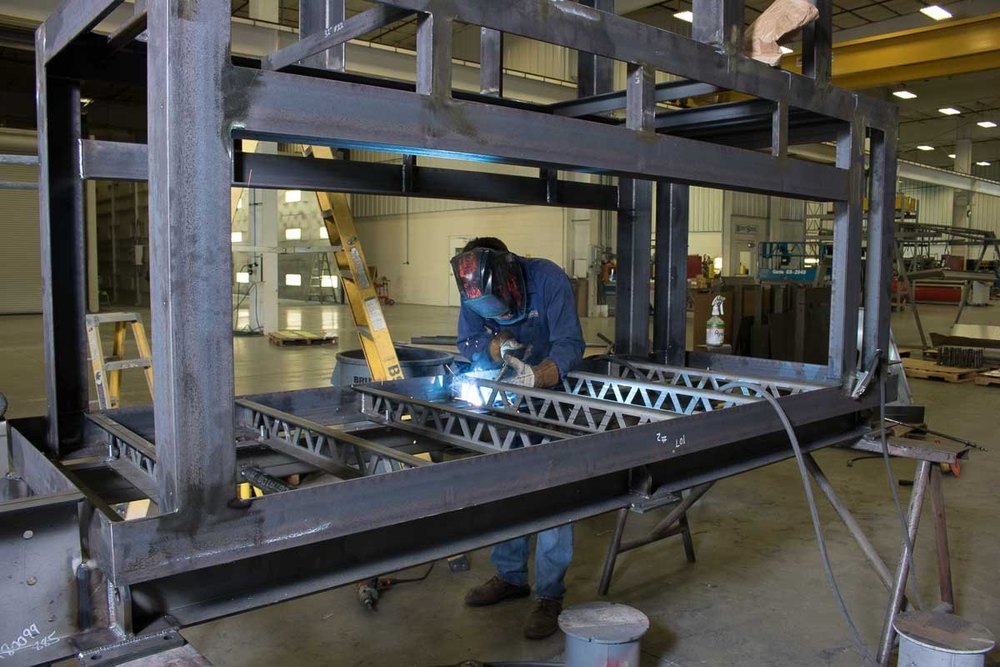
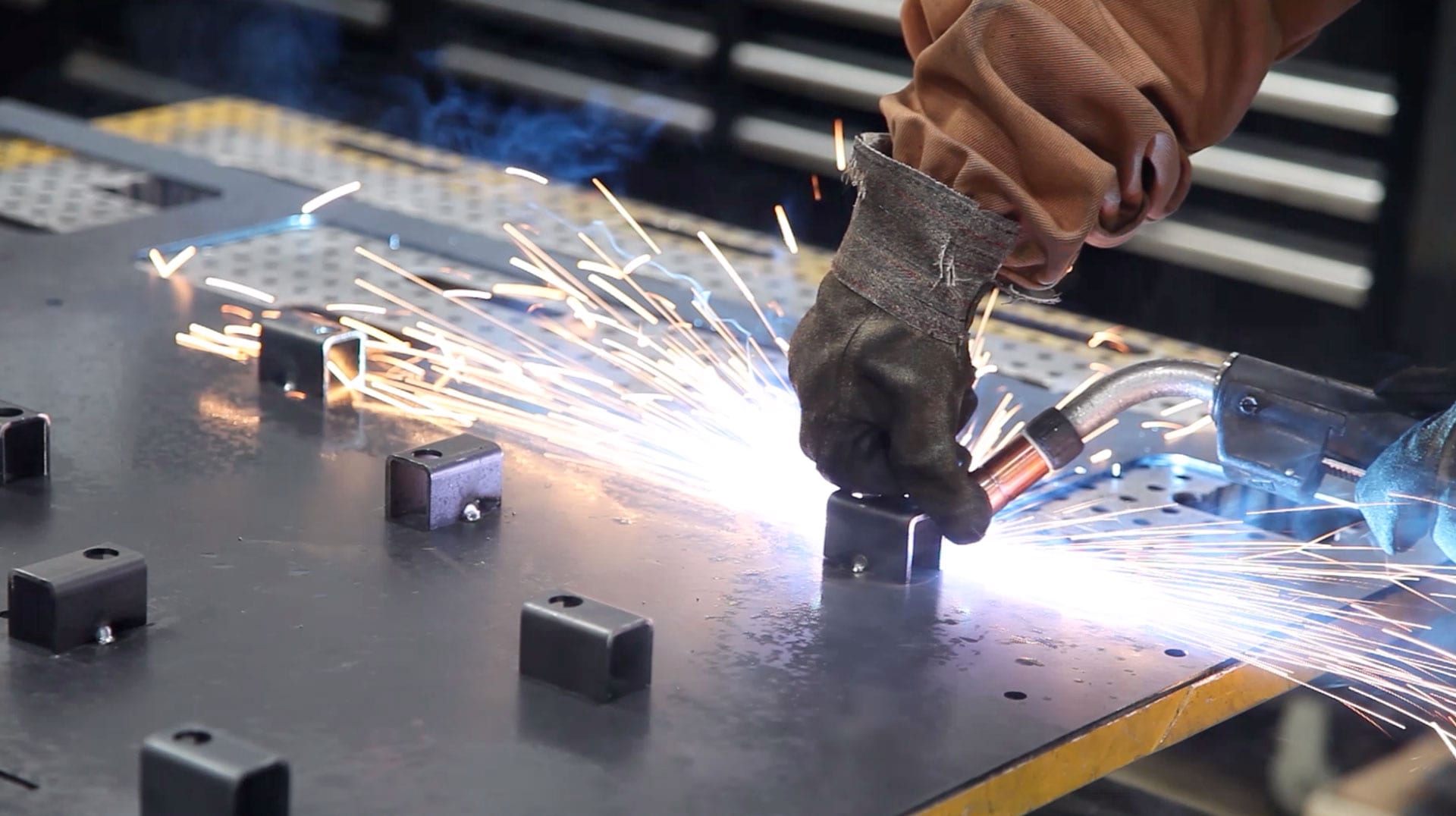
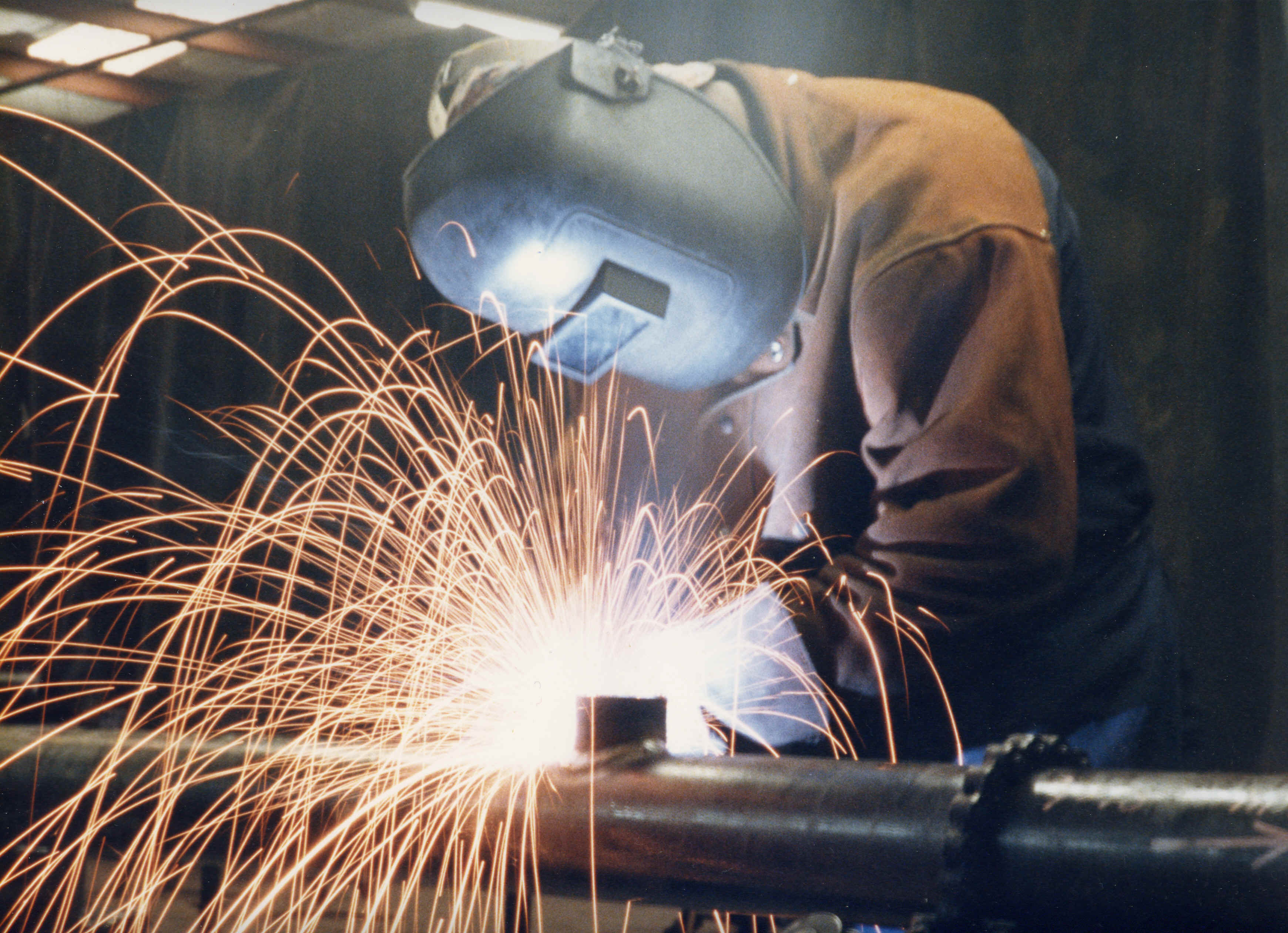
TIG (Tungsten Inert Gas): Best for aerospace and medical parts where weld aesthetics and strength are paramount. It produces a clean, slag-free weld.
-
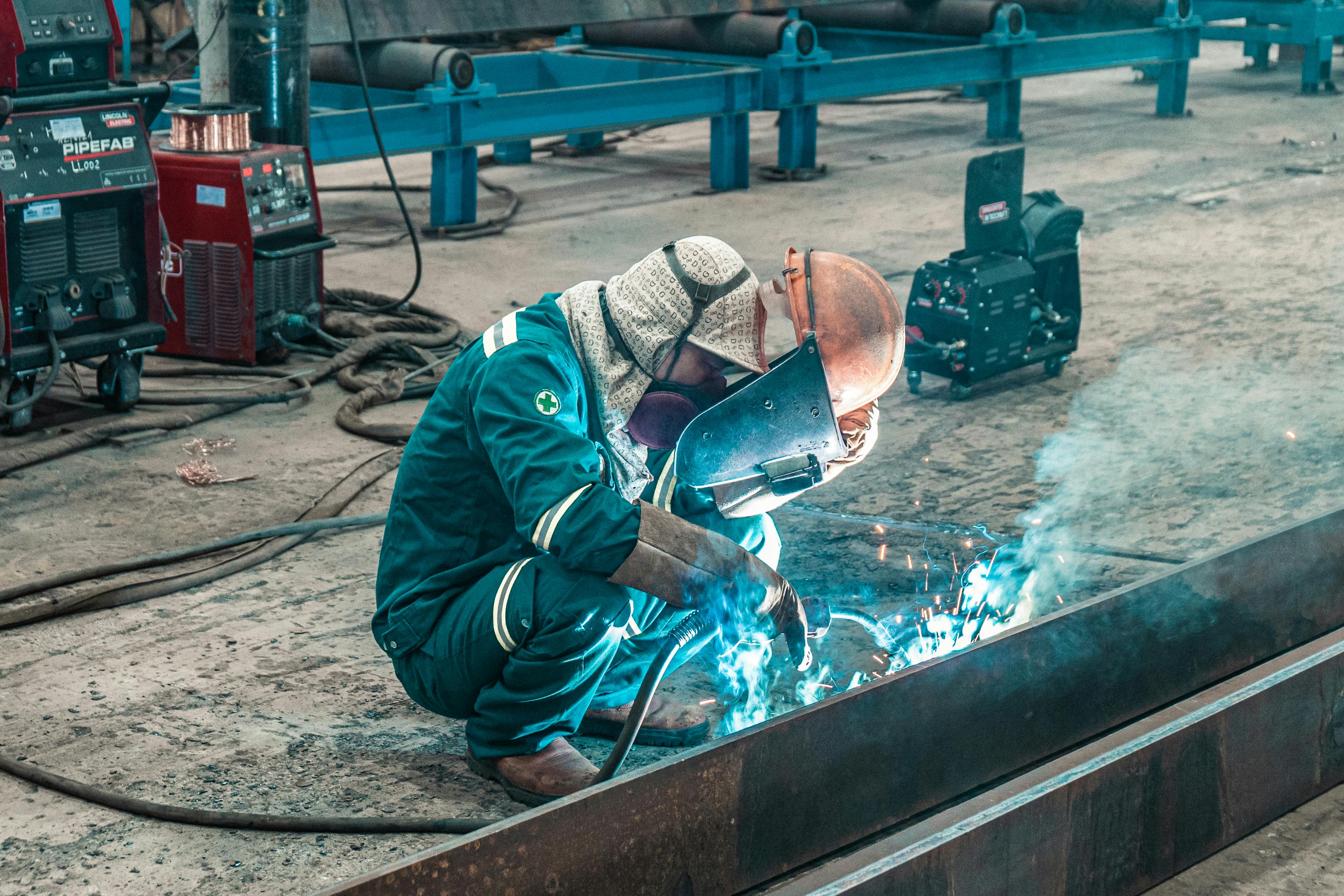
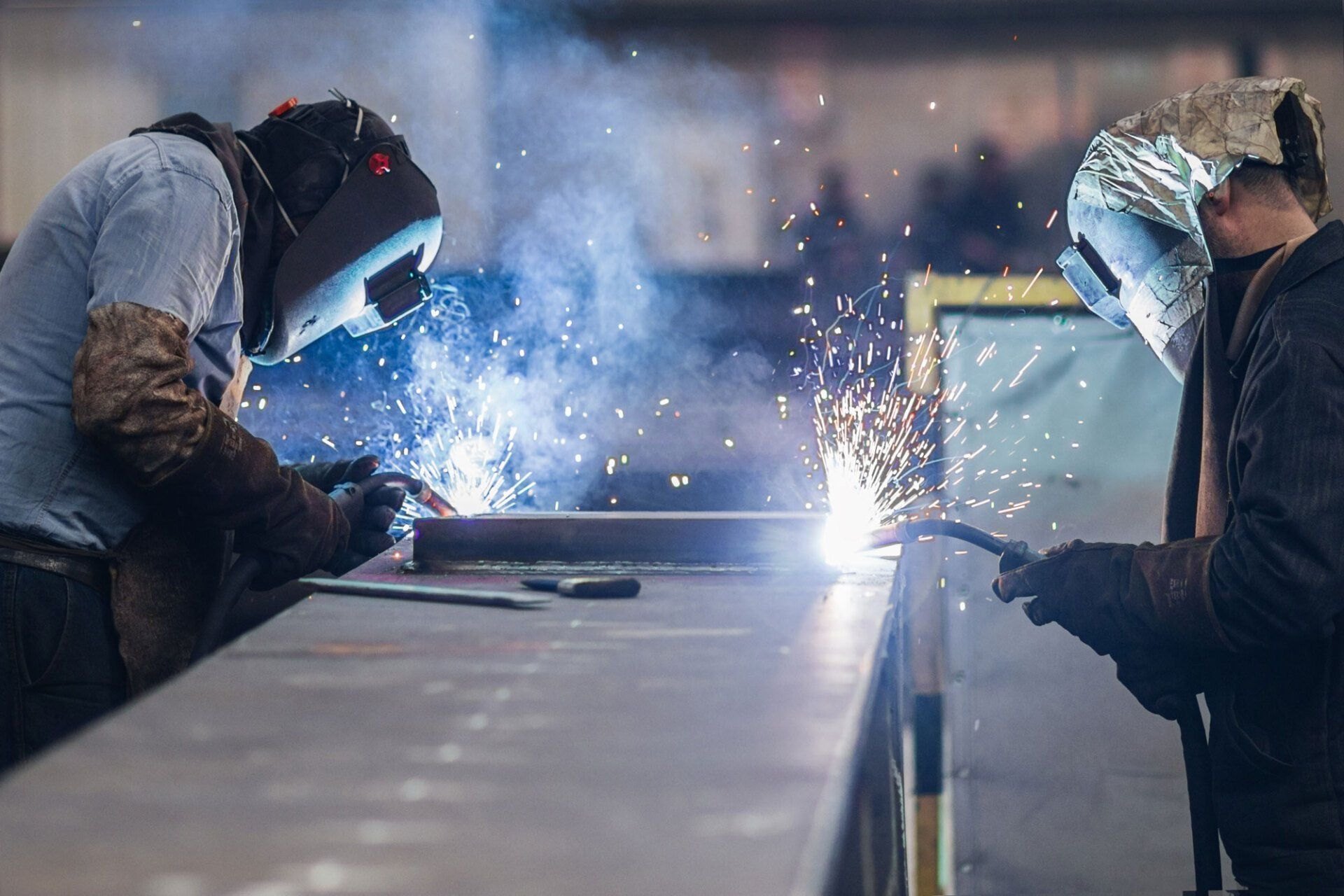
MIG (Metal Inert Gas): The "workhorse" for structural frames and high-volume industrial enclosures.
-
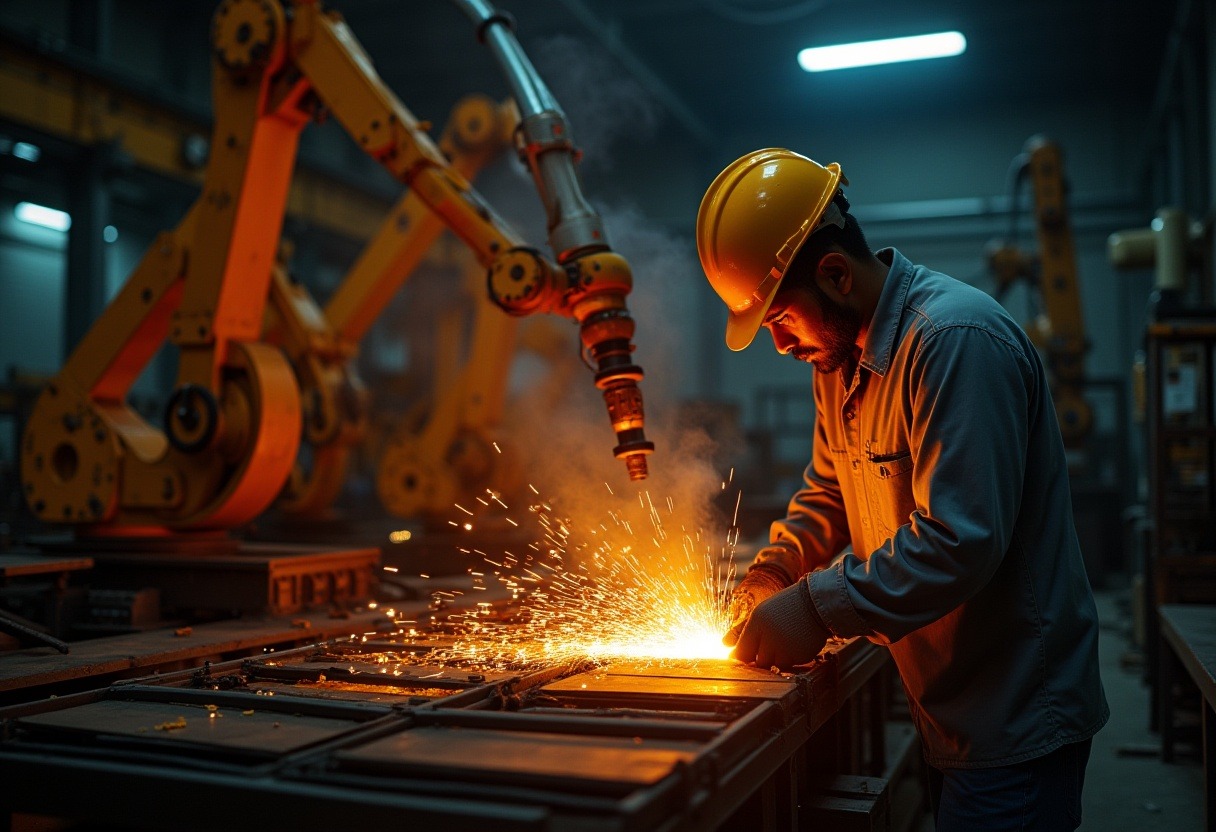
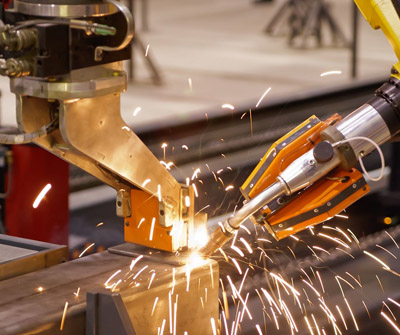
Robotic Welding: For large-scale production runs, our robotic cells ensure uniform weld beads, ensuring that unit #1 is identical to unit #10,000.
D. Automated Hardware Insertion
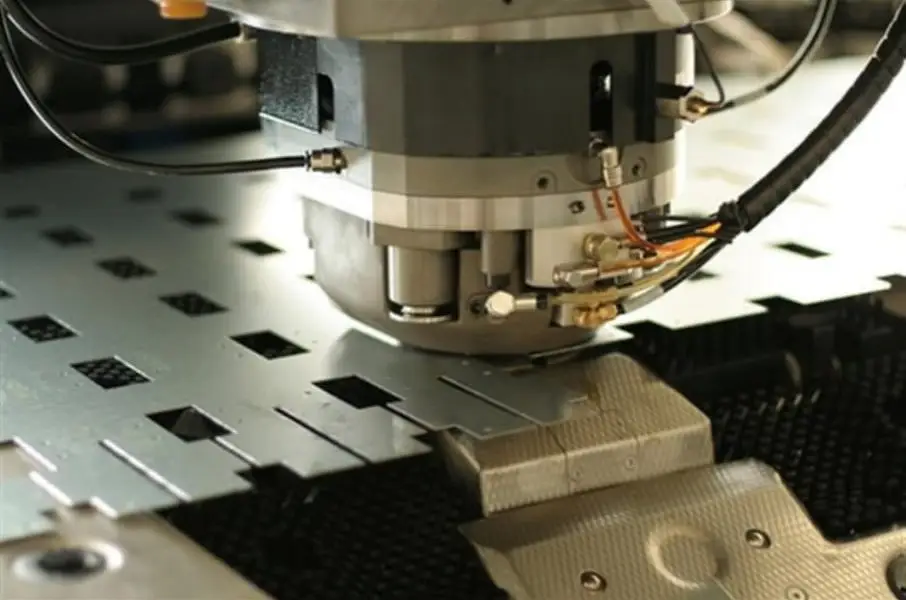
Modern sheet metal parts often require threaded studs, standoffs, or nuts. Instead of manual welding—which can lead to misalignment—Zeometrix employs automated insertion machines (like Haeger or PEM systems). This ensures that every fastener is pressed with the exact required force, preventing material deformation and ensuring a "flush" finish on the reverse side.
3. The Zeometrix Edge: Why Choose Us?
In a city with thousands of fabricators, Zeometrix stands out by treating manufacturing as a service (MaaS). We specialize in custom sheet metal fabrication, believing that the "shop floor" should be as transparent as a software dashboard.
-
Smart Quoting Platform: In an industry where quoting can take days, our secure digital gateway allows you to submit CAD files (STEP, DXF, SLDPRT) and receive competitive quotations and DFM (Design for Manufacturing) feedback within clicks.
-
ISO 9001:2015 & AS9100 Compliance: Our quality management systems ensure that every part meets rigorous international standards. We provide material test reports (MTRs) and certificates of conformance (CoC) as a standard practice.
-
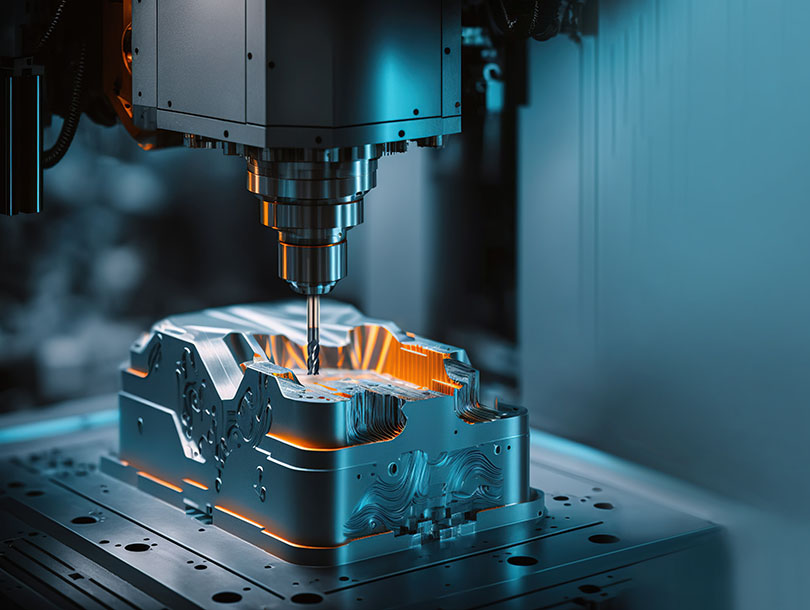
Managed Supply Chain: We offer a 1-stop solution. If your sheet metal part needs a CNC machined handle or a plastic injection-molded gasket, we manage the entire assembly, simplifying your vendor management and reducing "blame-game" logistics.
4. Specialized Industry Applications in 2025
Aerospace and Defense
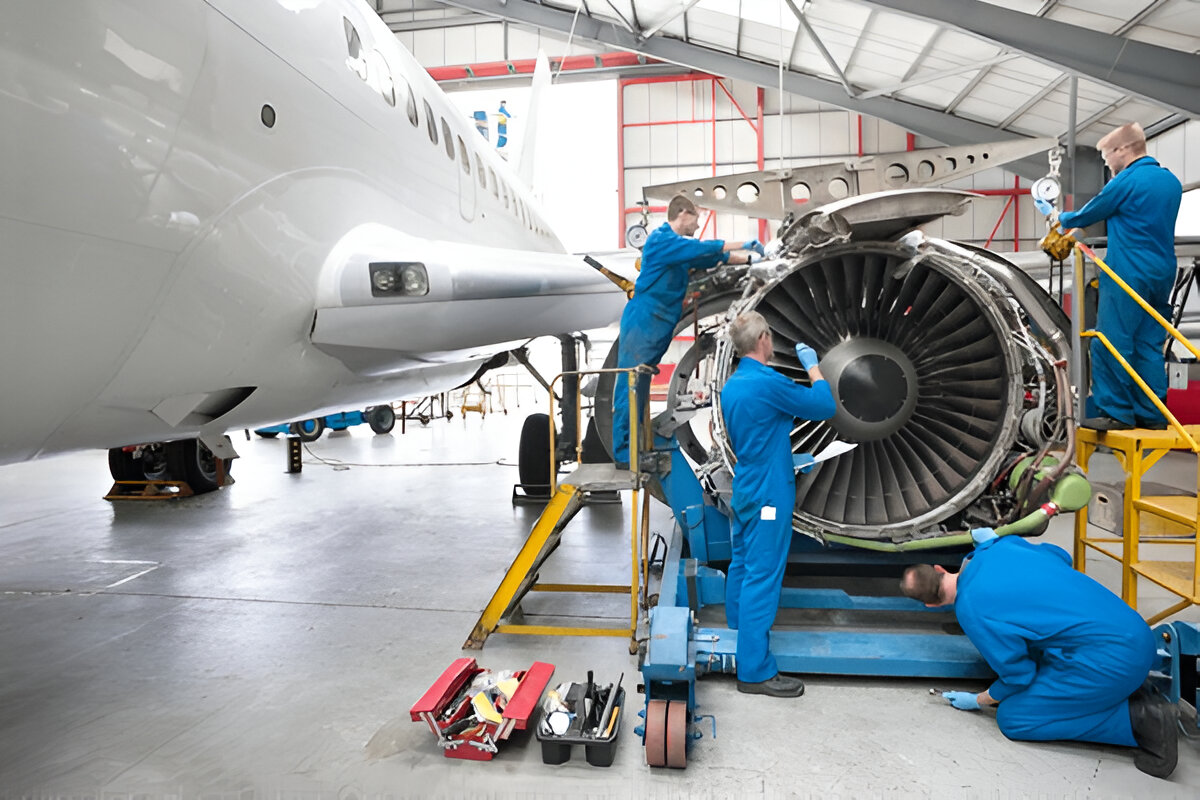
With the presence of HAL, ISRO, and Boeing’s research centers, Bangalore is the epicenter of Indian aerospace. At Zeometrix, we handle components made from high-strength alloys like Titanium and Inconel. We focus on structural integrity and weight reduction—critical metrics for any airborne part where every gram saved translates to fuel efficiency.
Electric Vehicles (EV) and Battery Storage
The push for green mobility has created a massive demand for EV battery casings. These enclosures must be:
-
Lightweight: To maximize vehicle range.
-
Vibration-Resistant: To protect the delicate lithium-ion cells.
-
Thermally Conductive: To aid in heat dissipation.
We provide customized solutions that include specialized powder coating to resist harsh environmental conditions and chemical spills.
Medical Technology (MedTech)
Medical devices require Grade 304/316 Stainless Steel with sterile finishes. Our fabrication processes ensure there are no crevices for bacterial growth. We utilize electropolishing to achieve a surface roughness ($R_a$) that meets the strict guidelines of the healthcare industry.
5. Design for Manufacturing (DFM): Pro-Tips for Cost Savings
To optimize your project, your design must be "fabrication-friendly." Here are the 2025 standards to keep your costs down:
-
Hole Clearance: Always ensure that holes are at least $1.5 \times$ the material thickness away from any bend line. This prevents the hole from stretching into an oval shape during the forming process.
-
Uniform Bend Radii: Try to use the same bend radius for all bends in a single part. This allows the fabricator to use a single tool setup, drastically reducing labor costs and machine downtime.
-
The K-Factor: Understand that metal stretches when bent. Providing the correct K-factor in your CAD software ensures that the "flat pattern" we cut will result in the correct final dimensions.
-
Nesting Logic: Design parts that can "interlock" on a flat sheet. Zeometrix uses AI-powered nesting software to minimize scrap. Since material accounts for up to $60\%$ of the cost, efficient nesting saves you money.
6. The Future: Sustainability and Industry 4.0
Sustainability is no longer a buzzword; it is a manufacturing requirement. Top-tier Bangalore fabricators are now implementing "Green Manufacturing" protocols.
-
Green Power: Zeometrix is transitioning toward solar-powered fiber lasers to reduce the carbon footprint of production, helping our clients meet their Scope 3 emission targets.
-
Digital Twins & Simulation: Before a single sheet is cut, we simulate the entire bending and assembly process digitally. This "First Time Right" approach eliminates material waste and ensures project timelines are met.
-
Closed-Loop Recycling: We have strict protocols for sorting and recycling scrap metal, ensuring that off-cuts of high-grade aluminum and stainless steel are returned to the value chain.
7. Economics of Fabrication: Budgeting in Bangalore
Understanding the cost structure is vital for procurement managers. In 2025, while material prices have stabilized, they remain the largest component of your quote.
|
Material Type |
Grade |
Common Usage |
Est. Price (₹/kg) |
|
Mild Steel |
CRCA |
Cabinets, General Enclosures |
₹54 – ₹62 |
|
Stainless Steel |
304 |
Kitchen, Medical, Food Grade |
₹215 – ₹250 |
|
Stainless Steel |
316 |
Marine, Chemical, High-Corrosion |
₹310 – ₹340 |
|
Aluminum |
6061 |
Aerospace, Structural |
₹285 – ₹330 |
|
Copper |
C101 |
EV Busbars, Electrical |
₹850 – ₹950 |
Note: Prices are estimates as of late 2025 and vary based on order volume, thickness, and global LME (London Metal Exchange) fluctuations.
Conclusion
Choosing the right sheet metal fabricator in Bangalore is a strategic decision that impacts your product's quality, cost, and time-to-market. The city has moved beyond being a back-office for the world; it is now the world’s workshop for precision hardware.
Zeometrix stands at the forefront of this industry, offering a unique blend of rapid prototyping agility and industrial-scale precision. By leveraging our smart manufacturing platform and deep technical expertise, you can transform your concepts into market-ready products with the confidence that they meet the highest global standards.
Frequently Asked Questions (FAQ)
1. What is the typical lead time at Zeometrix?
For rapid prototyping (1-10 units), our lead time is typically 3 to 7 working days. For large-scale production, it ranges from 2 to 4 weeks, depending on the complexity of the finishing (e.g., silk screening or specialized plating).
2. Can you fabricate parts from 3D models only?
While we can work from 3D models (STEP, IGES), we strongly recommend providing a 2D drawing (PDF/DXF) as well. The 2D drawing is essential for specifying critical tolerances, surface finishes ($R_a$ values), and hardware locations that might not be captured in a 3D file.
3. What surface finishing options do you provide?
We offer a comprehensive range of finishes, including:
-
Powder Coating: (RAL shades, textures, and anti-microbial).
-
Anodizing: (Type II and Type III Hardcoat for Aluminum).
-
Plating: (Zinc, Chrome, and Nickel).
-
Bead Blasting: For a uniform matte finish on stainless steel.
4. How do you handle quality assurance?
Every batch undergoes a multi-stage QC process. We use Coordinate Measuring Machines (CMM) and 2D vision systems to verify dimensions against your CAD data. For critical parts, we provide full inspection reports and material certifications.
5. Do you support startups and small-batch orders?
Yes. Unlike traditional "mass-production" factories, our automated workflow allows us to handle small-batch prototypes efficiently. Our minimum billing starts as low as ₹15,000, making us an ideal partner for R&D phases.